Tatiana Minkina – författare
1 871 kr
Skickas inom 10-15 vardagar
Toxicity of Nanoparticles in Plants: An Evaluation of Cyto/Morpho-physiological, Biochemical and Molecular Responses, Volume Five in the Nanomaterial-Plant Interactions series, reviews the latest research on toxicological effects of using nanotechnology in plants. Key themes include analyzing plant exposure to nanomaterials, mechanisms of toxicity of nanoparticles to plants, and effects, uptake and translocation of various different nanoparticles. This will be an essential read for any scientist or researcher looking to assess and understand the potential toxicological risks associated with plant nanotechnology.
To date, nanotechnology is considered one of the most promising areas of research due to the widespread applications of nanomaterials in plant science and agriculture. However, extensive use of nano-based products raises concerns regarding their toxicity in crop plants, their environmental impact and potential consequences to humans via the food chain.
Discusses environmental concerns raised by the extensive use of nanotechnology Highlights the impact of plants treated with nanoparticles on nutritional status Reviews major challenges for assessing the toxicity of nanomaterials in plants2 662 kr
Läs direkt efter köp
1 390 kr
Skickas inom 10-15 vardagar
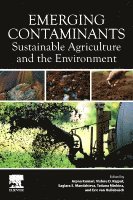
Emerging Contaminants: Sustainable Agriculture and the Environment provides a thorough, comprehensive, and interdisciplinary overview of the many categories of emerging pollutants, including pharmaceuticals, insecticides, personal care items, and industrial chemicals, that are currently impacting the environment. With insights into the exposure associated consequences on crops and edible plants, this book is designed to enable foundational understanding as the basis for future research, as well as providing practical application guidance in current environments.Water resource shortages, declining arable land, environmental contamination with different exiting or ECs, shortcomings in the procedures for protecting cultivated land, and inefficiencies in the management of land tenure rights continue to pose challenges for agricultural sustainable development around the world. This book focuses on the impacts of ECs on sustainable agricultural production and explores possible response approaches.Following an introduction to environmental contaminants, this book discusses their fate in soils, presents the most up-to-date analytical methods for detecting them in different environmental matrices, and addresses current regulatory restrictions. Finally, this book ends with a chapter dedicated to conclusions and future perspectives.Emerging Contaminants is an ideal resource for researchers and professionals from a variety of sciences including agricultural, plant, and environmental.
Focuses on the extensive emission of ECs raising concerns of toxicity in crop plants, in the environment, and also to human beings via the food chainIncludes examples and real-world insightsHighlights interaction of different categories of ECs with crop plants their toxicity and fate in the environment1 975 kr
Läs direkt efter köp
1 567 kr
Skickas inom 10-15 vardagar
1 802 kr
Läs direkt efter köp
2 297 kr
Skickas inom 10-15 vardagar
823 kr
Kommande
2 920 kr
Läs direkt efter köp
2 920 kr
Läs direkt efter köp
2 920 kr
Läs direkt efter köp
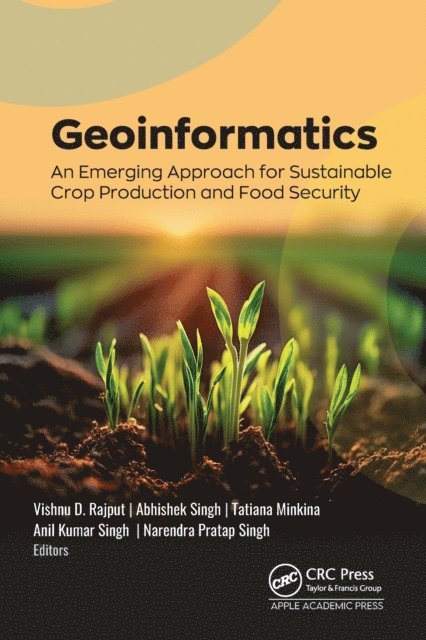
Geoinformatics is a cutting-edge tool that develops and uses information science technology that can have far-reaching implications that include boosting agricultural output, increasing food supply, and reducing hunger-related problems in poor and developing countries. This new book, Geoinformatics: An Emerging Approach for Sustainable Crop Production and Food Security, highlights the many applications of geoinformatics in agriculture, mainly its potential to improve agricultural systems and environmental issues through innovative, eco-friendly approaches.
The book is divided into seven sections. Part I contains foundational material on the field of geoinformatics. Part II discusses the role of geoinformatics in agriculture and food security. Part III serves broad knowledge about geoinformatics-based crop screening and protection. Part IV explains how geoinformatics integrates big data and AI for sustainable agriculture and horticulture. Part V deals with geoinformatics and fertilizers and base management of soil fertility. In Part VI, cutting-edge GIS methods are discussed for abiotic stresses management and climate change. The final section discusses the application of geoinformatics for policymaking and the impact of geoinformatics and climate change on agriculture systems.
Providing state-of-the-art knowledge on both theoretical and applied aspects of nanotechnology in soil science, plant breeding, biotechnology, tools design, formulation, application, and management, as well as the effects of these tools on soil properties and plant characteristics, and some abiotic interactions, this new volume will prove invaluable for graduate students, researchers, and professionals in agricultural and related disciplines as well as policymakers.
2 920 kr
Läs direkt efter köp
Geoinformatics is a cutting-edge tool that develops and uses information science technology that can have far-reaching implications that include boosting agricultural output, increasing food supply, and reducing hunger-related problems in poor and developing countries. This new book, Geoinformatics: An Emerging Approach for Sustainable Crop Production and Food Security, highlights the many applications of geoinformatics in agriculture, mainly its potential to improve agricultural systems and environmental issues through innovative, eco-friendly approaches.
The book is divided into seven sections. Part I contains foundational material on the field of geoinformatics. Part II discusses the role of geoinformatics in agriculture and food security. Part III serves broad knowledge about geoinformatics-based crop screening and protection. Part IV explains how geoinformatics integrates big data and AI for sustainable agriculture and horticulture. Part V deals with geoinformatics and fertilizers and base management of soil fertility. In Part VI, cutting-edge GIS methods are discussed for abiotic stresses management and climate change. The final section discusses the application of geoinformatics for policymaking and the impact of geoinformatics and climate change on agriculture systems.
Providing state-of-the-art knowledge on both theoretical and applied aspects of nanotechnology in soil science, plant breeding, biotechnology, tools design, formulation, application, and management, as well as the effects of these tools on soil properties and plant characteristics, and some abiotic interactions, this new volume will prove invaluable for graduate students, researchers, and professionals in agricultural and related disciplines as well as policymakers.
2 757 kr
Läs direkt efter köp
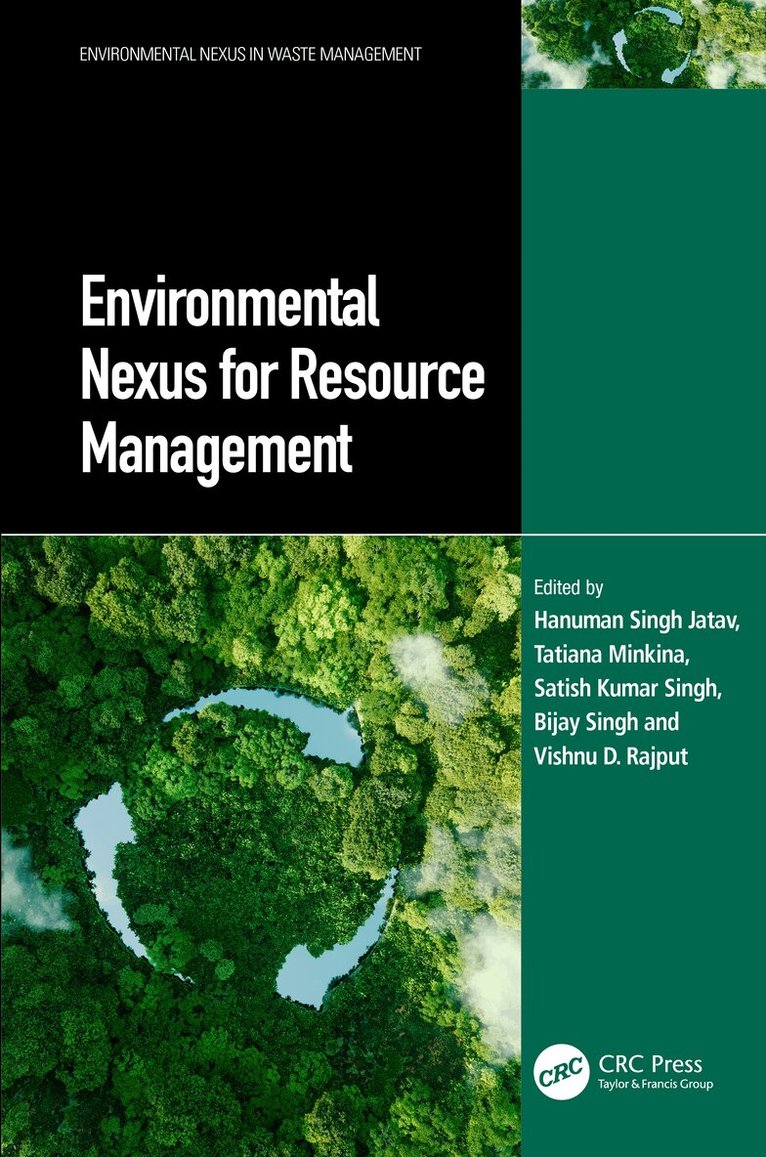
This book gives detailed information about how soil, water and wastes can be managed to overcome the various global issues via possible nexus thinking. The emphasis is on the environmental resource perspective of global climate change-related issues. It provides stepwise information on climate change and adaption strategies, urbanization and its impact and management strategies, environmental nexus approaches to cope with global challenges and recourses conservation and ecological approaches to restore the damaged ecosystem.
Features:
Compiles the possible nexus approaches that contribute to managing the atmospheric environmental variables in sustainable ways Focuses on environmental resources perspective of the global change Covers how soil, water and waste may be managed in a nexus Explains modern strategies to manage the present environmental situation that are feasible and safe to the environment Discusses environmental nexus for judicious resource managementThis book is aimed at researchers and graduate students in environmental sciences and engineering and sustainable development.
2 757 kr
Läs direkt efter köp
This book gives detailed information about how soil, water and wastes can be managed to overcome the various global issues via possible nexus thinking. The emphasis is on the environmental resource perspective of global climate change-related issues. It provides stepwise information on climate change and adaption strategies, urbanization and its impact and management strategies, environmental nexus approaches to cope with global challenges and recourses conservation and ecological approaches to restore the damaged ecosystem.
Features:
Compiles the possible nexus approaches that contribute to managing the atmospheric environmental variables in sustainable ways Focuses on environmental resources perspective of the global change Covers how soil, water and waste may be managed in a nexus Explains modern strategies to manage the present environmental situation that are feasible and safe to the environment Discusses environmental nexus for judicious resource managementThis book is aimed at researchers and graduate students in environmental sciences and engineering and sustainable development.
2 492 kr
Kommande
3 175 kr
Skickas inom 5-8 vardagar
2 707 kr
Skickas inom 5-8 vardagar
2 505 kr
Skickas inom 10-15 vardagar
2 505 kr
Skickas inom 10-15 vardagar
1 944 kr
Skickas inom 10-15 vardagar
2 457 kr
Läs direkt efter köp
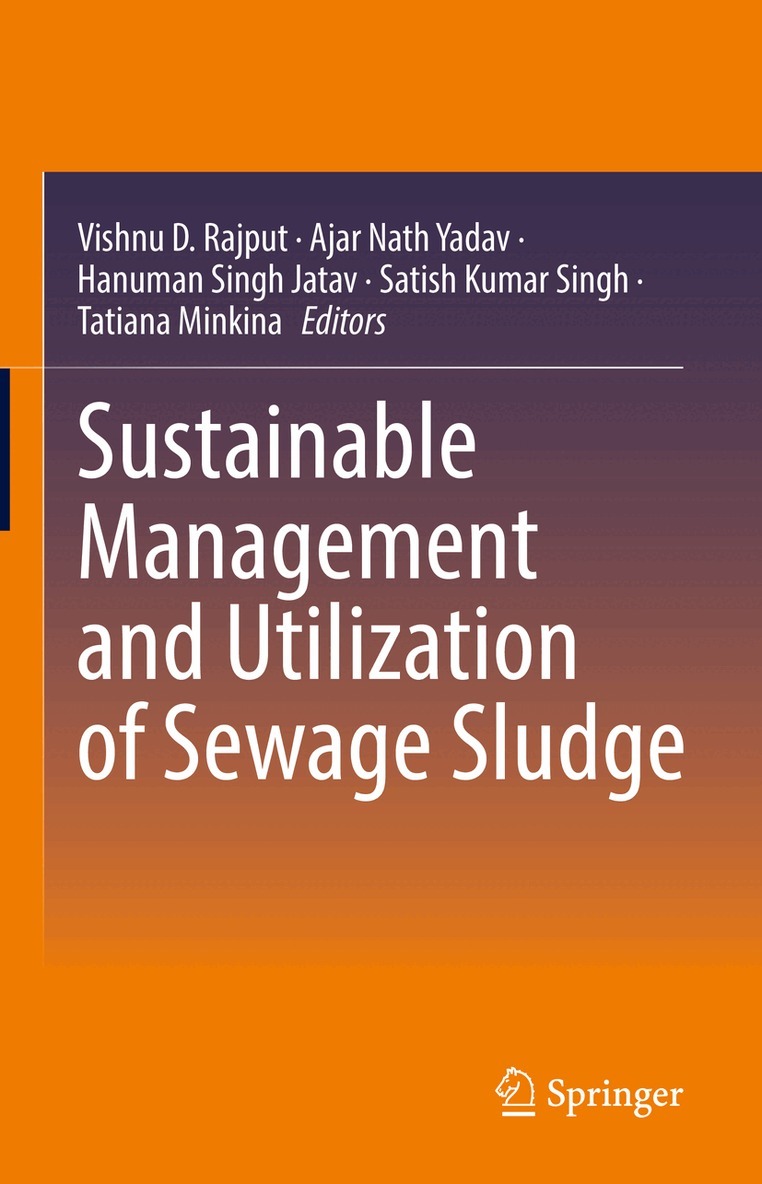
This book is devoted to sewage sludge, its sustainable management, and its use and implications on soil fertility and crop production. The book traces the main chemical and biological properties of sewage sludge, and covers topics such as sewage sludge biostabilization and detoxification, biological and thermochemical treatment technologies, emerging nutrient recovery technologies, the role of microorganisms in sewage sludge management, and the sustainable use of sewage sludge as fertilizer in agriculture. The book offers a valuable asset for researchers, scholars and policymakers alike.
1 944 kr
Skickas inom 10-15 vardagar
1 836 kr
Skickas inom 10-15 vardagar
2 283 kr
Läs direkt efter köp
1 836 kr
Skickas inom 10-15 vardagar
1 836 kr
Skickas inom 10-15 vardagar
2 283 kr
Läs direkt efter köp
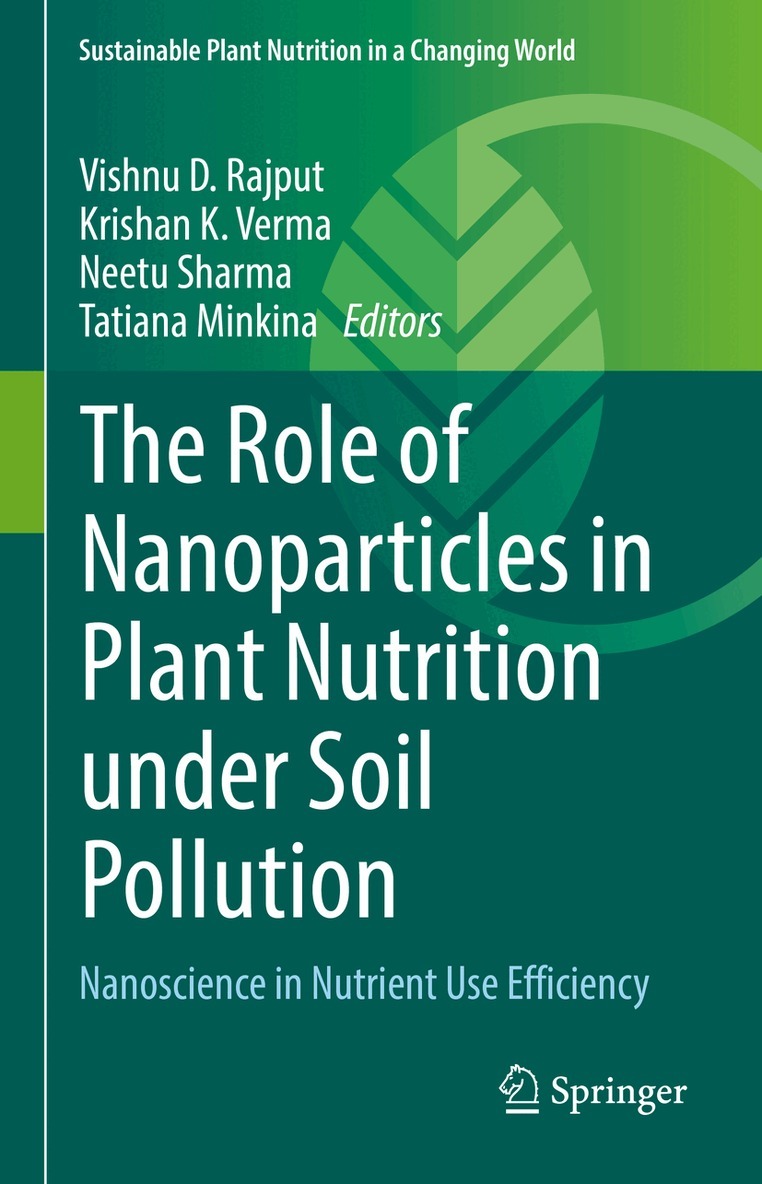
Nanotechnology has shown great potential to alleviate increasing pressure to meet food needs for our increasing human population, Novel agricultural innovations are required to enhance the health of edible crops and per unit area yield without impacting the associated environment in a negative way. Recent advancements in nanotechnology-based agricultural solutions have proven to help overcome the problems in agriculture that are associated with run-off of essential fertilizers from agricultural soils, low nutrient accumulation by crops, as well as to control insects, pests, and seasonal biotic factors, treatment of wastewater used for irrigation, plant uptake of xenobiotics (heavy metals, pesticides, industrial chemicals, drugs, and so on) that may be present in contaminated soils. Additionally, the consumption of such food crops may result in malnourishment and plant-mediated transfer of toxic substances among humans especially in underprivileged and rural populations.
Agents to stimulate plant growth include various types of nanomaterials such as carbon nanotubes, metal, and metal-oxide nanoparticles. Applications of particular nutrients or elements in crop plants can be shown to aid human nourishment (either by directly inducing its uptake or indirectly through enhancing the intracellular levels of other associated elements that ultimately boost the synthesis of the desired nutrient in plants).
It is also important to consider the competence and fate of nanomaterials in soil ecosystems. The entry route of nanomaterials into the environment includes both natural and anthropogenic sources. In order to achieve sustainable and safe use of nanotechnological products in agriculture, similar environmental conditions must be simulated on lab scale with the careful selection of organisms related to agriculture. Thus, emphasis should be placed on the judicial use of nano-enabled products without compromising the sustainability of the environment and human health.This comprehensive book highlights recent field research as well as contributions from academicians in the lab. This book addresses the major aspects related to nanotechnology, biofortification of crops, and human and environmental health.
1 836 kr
Skickas inom 10-15 vardagar
2 374 kr
Skickas inom 10-15 vardagar
3 090 kr
Läs direkt efter köp