
The Zebrafish Model of Neurodegenerative Disorders
Knowing the Unknown
Häftad, Engelska, 2027
2 050 kr
Kommande
Beskrivning
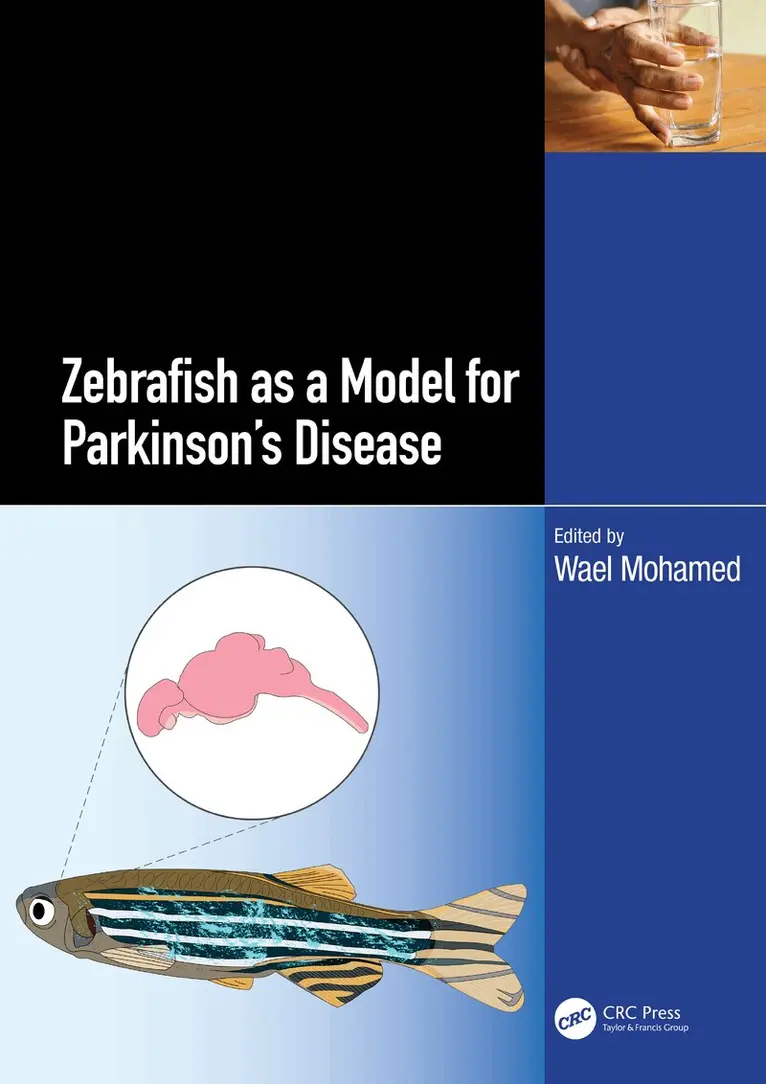
The Zebrafish Model of Neurodegenerative Disorders: Knowing the Unknown reveals a ground-breaking method for decoding neurodegenerative disorders such as Parkinson's, Alzheimer's, ALS, and Huntington's through the lens of the zebrafish. This volume bridges the divide between fundamental science and clinical innovation, demonstrating how the genetic malleability, transparent embryos, and conserved neural pathways of zebrafish provide unparalleled insights into neurodegeneration. It illustrates the potential to uncover concealed pathological mechanisms, expedite drug discovery, and surmount the translational failings that impede current research using this gold-standard model species. Featuring contributions from global experts, this volume is systematically structured into five topical sections for ease of navigation. These sections explore the role of cutting-edge tools such as CRISPR-Cas9, AI-driven phenotyping, and high-throughput drug screening in the study of ?-synuclein aggregation in Parkinson's Disease and amyloid-? toxicity in Alzheimer's Disease. The volume offers real-world applications, comparative analyses of zebrafish and mammalian models, and actionable protocols that translate zebrafish discoveries to clinical trials. The Zebrafish Model of Neurodegenerative Disorders is designed to empower researchers, clinicians, and healthcare professionals by addressing existing gaps in knowledge, particularly fragmentation in protocols and the translational disconnect between preclinical models and human trials. By fostering an integrated understanding of zebrafish as a model for neurodegeneration, it enhances research reproducibility, accelerates drug discovery, and promotes ethical, scalable research practices. Whether used as a teaching resource or a reference for experimental design, this volume offers invaluable insights to advance the understanding and treatment of devastating neurodegenerative diseases.
- Includes chapters on shared and unique pathways for Parkinson’s, Alzheimer’s, ALS, and Huntington’s
- Provides standardized protocols for disease modeling and drug screening
- Highlights translational pathways from zebrafish data to clinical applications
- Showcases innovative tools like AI-driven phenotyping and omics approaches
- Facilitates cross-disciplinary research with comprehensive comparative analyses
Produktinformation
Utforska kategorier
Mer om författaren
Innehållsförteckning
Hoppa över listan


Mer från samma författare
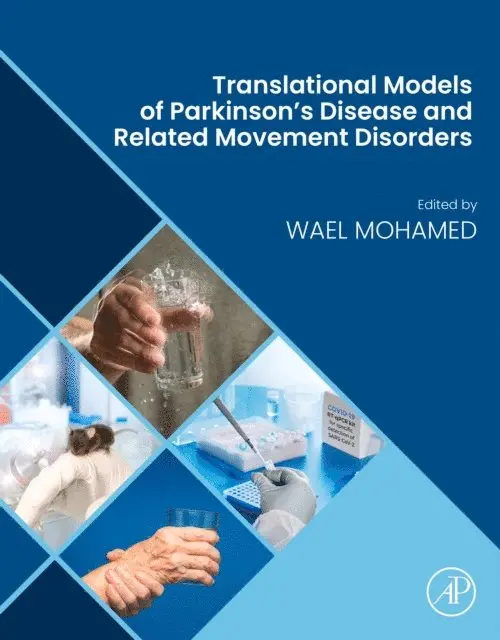
Translational Models of Parkinson's Disease and related Movement Disorders
Wael Mohamed
Häftad, 2024
1 991 kr
Translational Models of Parkinson's Disease and related Movement Disorders
Wael Mohamed
E-bok
20242 545 kr
Advanced and Integrative Therapeutic Strategies in Parkinson's Disease Management
Wael Mohamed
Häftad, 2026
1 722 kr
Hoppa över listan

Du kanske också är intresserad av
- 10% rabatt på allt
Feeding the Mind: The Connection Between Diet, Drugs, and Mental Health Volume 1
Aynur Ozge, Wael Mohamed
E-bok
20251 962 kr
Feeding the Mind: The Connection Between Diet, Drugs, and Mental Health Volume 1
Wael Mohamed, Aynur Özge
Inbunden, 2025
1 586 kr
Nutrition in Brain Aging and Dementia
Wael Mohamed, Indranath Chatterjee, Nasrollah Moradikor
E-bok
20244 097 kr