Inbunden, Engelska, 2012
undefined
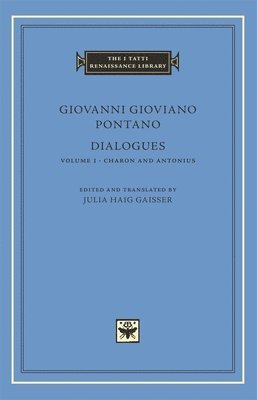
Charon and Antonius
Av Giovanni Gioviano Pontano, Julia Haig Gaisser
Del 53 i serien The I Tatti Renaissance Library
300 kr
Beställningsvara. Skickas inom 7-10 vardagar. Fri frakt över 249 kr.
Beskrivning
Produktinformation
- Utgivningsdatum: 2012-11-19
- Mått: 140 x 206 x 28 mm
- Vikt: 545 g
- Format: Inbunden
- Språk: Engelska
- Serie: The I Tatti Renaissance Library
- Antal sidor: 432
- Förlag: Harvard University Press
- ISBN: 9780674054912
- Översättare: Julia Haig Gaisser
Utforska kategorier
Mer om författaren
Julia Haig Gaisser is Eugenia Chase Guild Professor Emeritus in the Humanities and Professor Emeritus of Latin at Bryn Mawr College.
Recensioner i media
The best possible tribute to Pontano is that his dialogues still make entertaining reading… A large part of this entertainment is Gaisser’s doing—this is as shrewd and effervescent a rendering as poor forgotten Pontano is ever likely to get. It’s another triumph for I Tatti, a benchmark of Pontano studies, and a required starting-point for all future textual scholars of his work. But it mainly makes readers think about the vanities of intellectuals and the joys of good raillery. It would be a shame if it found its way only into the hands of scholars and students, even though Pontano himself would probably have preferred it that way.
Betyg & recensioner
0 recensioner
Inga recensioner tillgängliga.