• Fri frakt över 249 kr
  • •
  • Snabba leveranser
  • •
  • Billiga böcker
Kundservice

Du är på sajten för privatpersoner.

Företag, bibliotek eller offentlig verksamhet?

Du handlar på classic.bokus.com, där alla dina funktioner finns intakta.
Till classic.bokus.com
Bokus logotyp. Gå till startsidan.
  • Erbjudanden
  • Nyheter
  • Student
  • Topplistor
  • Barn & ungdom
  • Bokus Play
  • E-böcker
  • Pocketböcker
  • Spel & pussel

10% rabatt på allt med kod: NYSTART10 →

Sidfot

Mina sidor

    Hjälp

    • Kundservice
    • Vanliga frågor och svar
    • Frakt och leverans
    • Retur vid ångerrätt
    • Reklamera vara
    • Betalning
    • Köpvillkor
    • Allmänna villkor
    • Information om webbplatsens tillgänglighet

    Om Bokus

    • Om oss
    • Pressrum
    • För studenter
    • För företag
    • För bibliotek och offentlig verksamhet
    • För leverantörer
    • Hållbarhet

    Populärt

    • Aktuella erbjudanden
    • Presentkort
    • Studentlitteratur
    • Nya böcker
    • Topplistor
    • Signerade böcker
    • Engelska böcker

    Inspiration

    • Boktips
    • BookTok
    • Populära bokserier
    • Barnbokskaraktärer
    • Populära författare
    Logotyp för Bokus
    Följ oss på Facebook (extern länk)Följ oss på Instagram (extern länk)Följ oss på YouTube (extern länk)Följ oss på TikTok (extern länk)
    bokus @ CookiesAnpassa cookiesIntegritetspolicyKöpvillkor
    Till Citymail hemsida (extern länk)Till Budbee hemsida (extern länk)Till Postnord hemsida (extern länk)Till Schenker hemsida (extern länk)Till Early Bird hemsida (extern länk)Till Walleys hemsida (extern länk)
    1. Samhälle och politik
    2. Samhälle och kultur
    3. Kultur och medier
    4. Medievetenskap

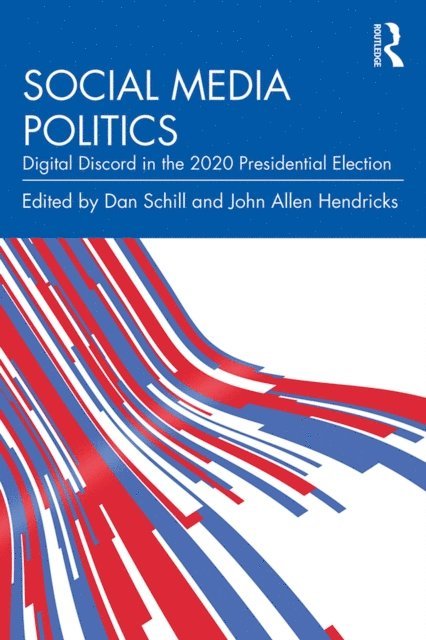
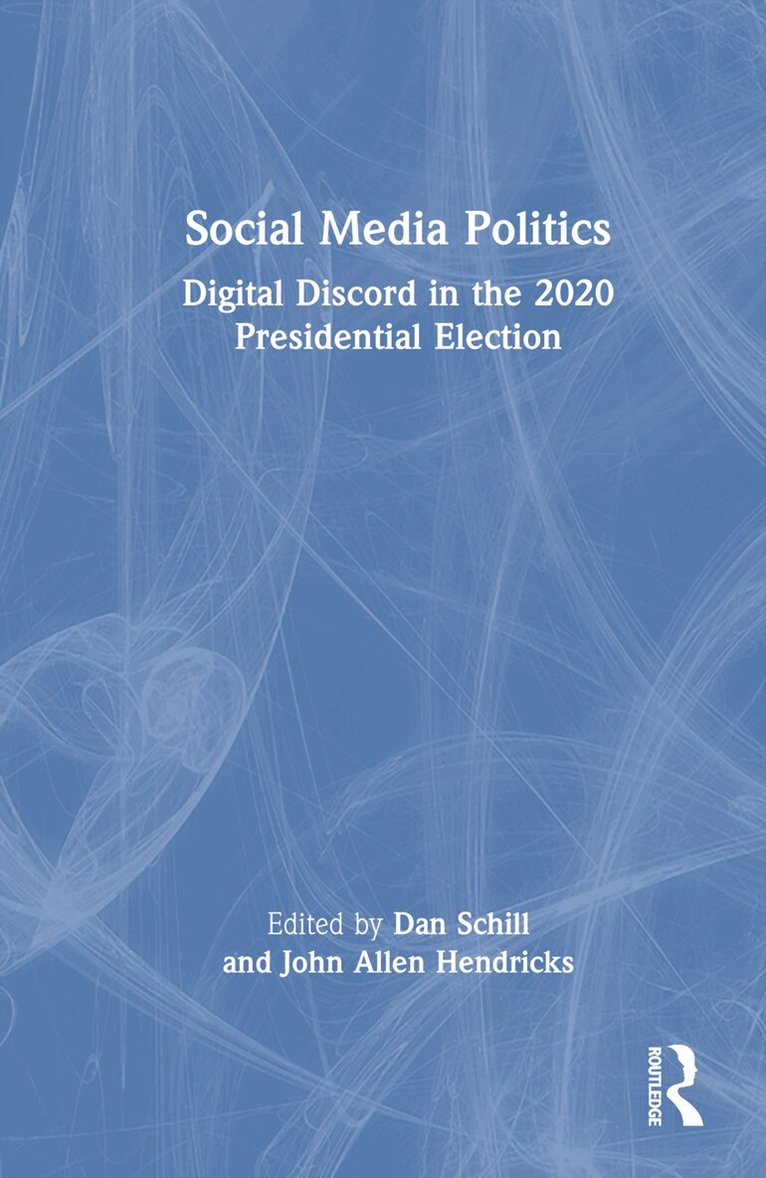
    Social Media Politics

    Digital Discord in the 2020 Presidential Election

    AvDan Schill,John Allen Hendricks

    Häftad, Engelska, 2024

    624 kr

    Beställningsvara. Skickas inom 10-15 vardagar. Fri frakt över 249 kr.

    Beskrivning

    Social media and social networking services are integrated into the American political process and have profoundly influenced political communication and participation. Social media platforms have transformed the political landscape by revolutionizing information dissemination, citizen engagement, and public opinion formation and change. Politicians use social media to communicate directly with voters in an unmediated and unfiltered manner. Comparatively, voters use social media to follow the latest messaging from politicians accompanied by demonstrating their support for particular politicians. This book is a comprehensive examination of the role of digital and social media in the 2020 U.S. presidential election. Political discourse during the 2020 election revealed political disharmony and a deep political division among vast swaths of Americans that was powered, in part, by social media. This book reveals how digital and social media have reshaped power dynamics by altering the relationships among citizens, politicians, and traditional media outlets, the emergence of new influencers, and the impact of online activism on policy agendas.This book, Social Media Politics, includes scholars with varied backgrounds and experience, using both quantitative and qualitative methodologies, from leading research institutions around the nation. Students, scholars, and practitioners will gain new knowledge to more clearly understand the role social media played in the 2020 presidential campaign.

    Produktinformation

    • Utgivningsdatum:2024-03-11
    • Mått:152 x 229 x 21 mm
    • Vikt:420 g
    • Format:Häftad
    • Språk:Engelska
    • Antal sidor:324
    • Förlag:Taylor & Francis Ltd
    • ISBN:9781032529615

    Utforska kategorier

    • Medievetenskap inom Samhälle och politik
    • Val och folkomröstningar inom Samhälle och politik
    • Politisk aktivism inom Samhälle och politik

    Mer om författaren

    Dan Schill is Professor in the School of Communication Studies and Affiliate Professor in Political Science at James Madison University, where he teaches courses in advocacy, political communication, research methods, and media and politics. His research focuses on communication, politics, media, and technology.John Allen Hendricks is Chair of the Department of Mass Communication and Professor at Stephen F. Austin State University, a member of the University of Texas System, where he teaches courses in communication theory, research methods, First Amendment law, and media and politics. He has authored/edited more than 12 books and has received book awards from the National Communication Association (NCA) and the Broadcast Education Association (BEA).

    Recensioner i media

    “Pernicious levels of political disharmony, partisan divides, and uncivil discourse, occurring in an information environment dominated by social media, combined to create a perfect storm in the 2020 presidential election, the aftermath of which is still being felt today. Bringing together a mix of established and emerging scholars, Social Media Politics provides insightful new ways to make sense – both theoretically and practically – of the role of communication in contemporary politics. Highly recommended to students, scholars, journalists, and practitioners.”Michael X. Delli Carpini, Oscar H. Gandy Emeritus Professor of Communication and Democracy, Annenberg School for Communication, University of Pennsylvania“No one doubts that social and digital media are contributing mightily to the vicious polarization in our politics. Waves of disinformation originate on Facebook, Twitter, and all the rest—and feed dangerous attacks on democracy, as we saw on January 6, 2021 with the insurrection at the U.S. Capitol. Effective solutions aren’t easy to find, but Professors Dan Schill and John Allen Hendricks, and their distinguished group of contributors, dig deep and show us how devilish the problem is. This book will leave every reader with a much better sense of what our political system is facing.”Larry J. Sabato, Director of the University of Virginia Center for Politics

    Innehållsförteckning

    • Part 1: Social media and Political Disharmony 1. Social Media Bonding and Bridging in the Political Polarization of the 2020 Presidential Election Hyun Jung Yun 2. Incivility in 2020 Presidential Candidate Social Media Posts and Posts That Cite Them Kate Kenski, Steve Rains, Yotam Shmargad, Kevin Coe and Steve Bethard 3. Emotional Contagion as the New Propaganda? Fear and Anger Framing Effects in Facebook Political Advertising on Engagement Abby Hendricks Salopek, Kristen Sussman, and Pooja Iyer 4. Presidential Tweets in The News: How Did the Partisan News Media Report on the Candidates’ Tweets during the US 2020 Presidential Election Campaign? Monica Ancu, Miyoung Chong, and Stephen Song Part 2: Social Media and Partisan Division 5. How Social Media Shaped Political Expression, Partisan Identity, and Trumpism Resistance Efforts During the 2020 U.S. Presidential Election Pamela A. Labbe 6. Voters-Turned-Political Influencers: Social Media Users Maintain Popularity by Cultivating Support for 2020 US Presidential Election Candidates Katelyn Brooks and Mariah Wellman 7. Platform Guardrails: Social Media Accountability and Political Communication Joshua M. Scacco, Andrew Anderson, and Mitchell Popovic 8. The ‘Big Lie’ Lurked Online: Social Media and Perceptions of Electoral Integrity Prior to Election 2020 Sharon E. Jarvis and Dakota Park-Ozee 9. Information Warfare Fostering Political Polarization: Facebook Addiction, News Credibility, and Concern of Foreign Interference Danielle R. Mehlman-Brightwell and Mark J. Piwinsky Part 3: Social Media and Political Discourse 10. The Politically Engaged: Gen Z’s Use of Social Media During The 2020 Presidential Elections Nune Grigoryan 11. Advancing Populist Rhetoric through the ‘Migrant Caravan’ Frame Daniela V. Dimitrova and Beau Coberley 12. Late-Night Political Humor and the 2020 Presidential Campaign: Still All Trump, All the Time By Stephen J. Farnsworth, S. Robert Lichter, and Farah Latif 13. Blame the Cobwebs or the Spiders? The Impact of Social Media use on Political Knowledge, Talk, and Participation Alec Tefertiller and Raluca Cozma 14. Narrating the Pandemic: Compounding Crisis, Politics & Presidential Responses Connections Between Communication Ecology and Collective Memory Daryl A. Carter and Mildred F. “Mimi” Perreault