• Fri frakt över 249 kr
  • •
  • Snabba leveranser
  • •
  • Billiga böcker
Kundservice

Du är på sajten för privatpersoner.

Företag, bibliotek eller offentlig verksamhet?

Du handlar på classic.bokus.com, där alla dina funktioner finns intakta.
Till classic.bokus.com
Bokus logotyp. Gå till startsidan.
  • Erbjudanden
  • Nyheter
  • Student
  • Topplistor
  • Barn & ungdom
  • Bokus Play
  • E-böcker
  • Pocketböcker
  • Spel & pussel

10% rabatt på allt med kod: NYSTART10 →

Sidfot

Mina sidor

    Hjälp

    • Kundservice
    • Vanliga frågor och svar
    • Frakt och leverans
    • Retur vid ångerrätt
    • Reklamera vara
    • Betalning
    • Köpvillkor
    • Allmänna villkor
    • Information om webbplatsens tillgänglighet

    Om Bokus

    • Om oss
    • Pressrum
    • För studenter
    • För företag
    • För bibliotek och offentlig verksamhet
    • För leverantörer
    • Hållbarhet

    Populärt

    • Aktuella erbjudanden
    • Presentkort
    • Studentlitteratur
    • Nya böcker
    • Topplistor
    • Signerade böcker
    • Engelska böcker

    Inspiration

    • Boktips
    • BookTok
    • Populära bokserier
    • Barnbokskaraktärer
    • Populära författare
    Logotyp för Bokus
    Följ oss på Facebook (extern länk)Följ oss på Instagram (extern länk)Följ oss på YouTube (extern länk)Följ oss på TikTok (extern länk)
    bokus @ CookiesAnpassa cookiesIntegritetspolicyKöpvillkor
    Till Citymail hemsida (extern länk)Till Budbee hemsida (extern länk)Till Postnord hemsida (extern länk)Till Schenker hemsida (extern länk)Till Early Bird hemsida (extern länk)Till Walleys hemsida (extern länk)
    1. Skönlitteratur
    2. Litteraturvetenskap
    3. Litteraturteori

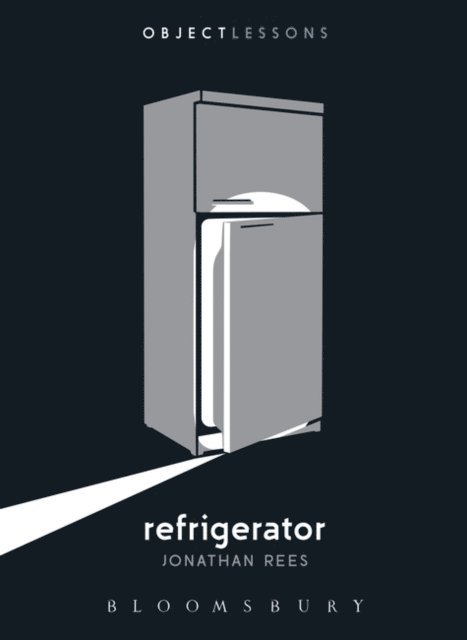
    Refrigerator

    AvJonathan Rees

    E-bok
    Engelska, 2015

    Del i serien Object Lessons

    174 kr

    Läs direkt i Bokus Reader – eller ladda ned till din enhet

    Fler format och utgåvor

    Häftad

    165 kr

    E-bok

    174 kr

    Beskrivning

    Object Lessons is a series of short, beautifully designed books about the hidden lives of ordinary things. It may be responsible for a greater improvement in human diet and longevity than any other technology of the last two thousand years-but have you ever thought seriously about your refrigerator? That box humming in the background displays more than you might expect, even who you are and the society in which you live. Jonathan Rees examines the past, present, and future of the household refrigerator with the aim of preventing its users from ever taking it for granted again. No mere container for cold Cokes and celery stalks, the refrigerator acts as a mirror-and what it reflects is chilling indeed.Object Lessons is published in partnership with an essay series in The Atlantic.

    Produktinformation

    • Utgivningsdatum:2015-09-24
    • Språk:Engelska
    • Antal sidor:160
    • Filformat:EPUB
    • Kopieringsskydd:LCP
    • ISBN:9781628924343
    • Förlag:Bloomsbury Publishing PLC (Digital)
    • Serie:Object Lessons

    Utforska kategorier

    • Litteraturteori inom Skönlitteratur
    • Kulturvetenskap inom Samhälle och politik
    • Filosofiska discipliner inom Filosofi och religion

    Mer om författaren

    Jonathan Rees is Professor of History at Colorado State University – Pueblo, USA. He is the author of four books, including of Refrigeration Nation: A History of Ice, Appliances, and Enterprise in America (2013) and Industrialization and the Transformation of American Life: A Brief Introduction (2012).

    Recensioner i media

    Does life exist without refrigerators? For most of us, the answer is no. How this common kitchen appliance achieved its indispensable status in less than a century is an amazing tale filled with surprising twists and unexpected connections. Refrigerator is a delight to read. Bravo!

    Innehållsförteckning

    • Introduction Chapter One: How Refrigerators WorkChapter Two: How to Make Your Refrigerator Stand Out Chapter Three: Are the Benefits of Refrigeration Worth the Costs? Chapter Four: Waste and Wants Chapter Five: Freezing and Freezers ConclusionNotesIndex