Inbunden, Engelska, 2026
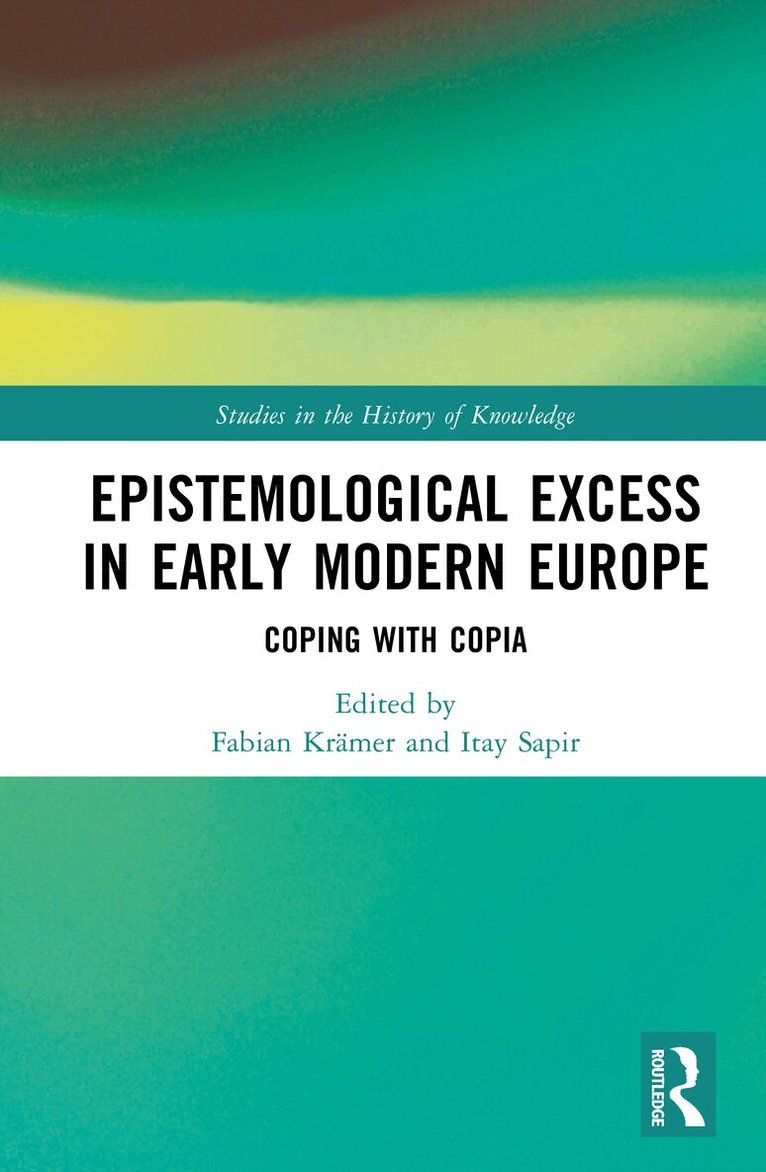
Epistemological Excess in Early Modern Europe
2542 kr
Kommande
Beskrivning
We are living in an era of unprecedented “information overload”. This is one of the most common clichés defining the early 21st century, both in academic circles and in general public imagery. And, as clichés often do, this one encapsulates some elements of truth. The "unprecedented" nature of our contemporary overload may be less clear than we tend to think. Some periods in the past were confronted with a similar cultural situation, considering both the objective growth in available information and the subjective impression of living in an era of unprecedented epistemological saturation. An emblematic moment of this kind was the sixteenth and seventeenth century in Europe, the two centuries that led up to, and witnessed, the now often contested "Scientific Revolution", a period characterized also by geographical expansion and aesthetic subversion. The essays brought together in this volume constitute the first systematic survey of the visual strategies devised by early modern naturalists, authors and artists in dealing with copia.Epistemological Excess in Early Modern Europe will appeal to students and scholars, early modern art historians, and early modern historians of science.
Produktinformation
- Utgivningsdatum: 2026-12-07
- Mått: 156 x 234 x undefined mm
- Format: Inbunden
- Språk: Engelska
- Serie: Studies in the History of Knowledge
- Antal sidor: 224
- Förlag: Amsterdam University Press
- ISBN: 9789463727907
Utforska kategorier
Betyg & recensioner
0 recensioner
Inga recensioner tillgängliga.