Ben Kiernan – författare
Visar alla böcker från författaren Ben Kiernan. Handla med fri frakt och snabb leverans.
36 produkter
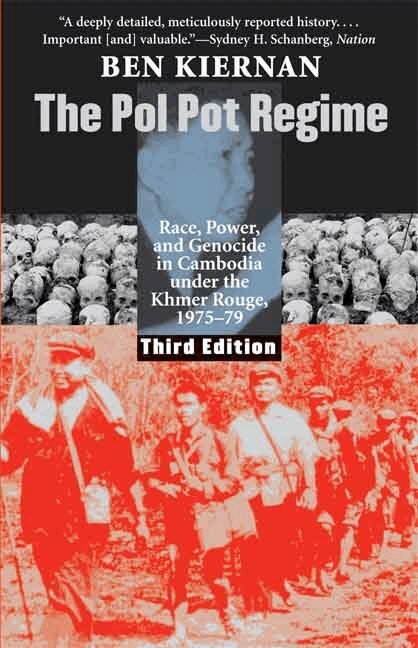
Pol Pot Regime
Race, Power, and Genocide in Cambodia under the Khmer Rouge, 1975-79
Av Ben Kiernan
Häftad, 2008
4,0 utav 5 stjärnor. Totalt antal röster: (1)
239 kr
Lägg i varukorg
This edition of Ben Kiernan’s definitive account of the Cambodian revolution and genocide includes a new preface that takes the story up to 2008 and the UN-sponsored Khmer Rouge tribunal.“Deeply detailed, meticulously reported. . . . Important [and] valuable.” —Nation"In this authoritative work, …
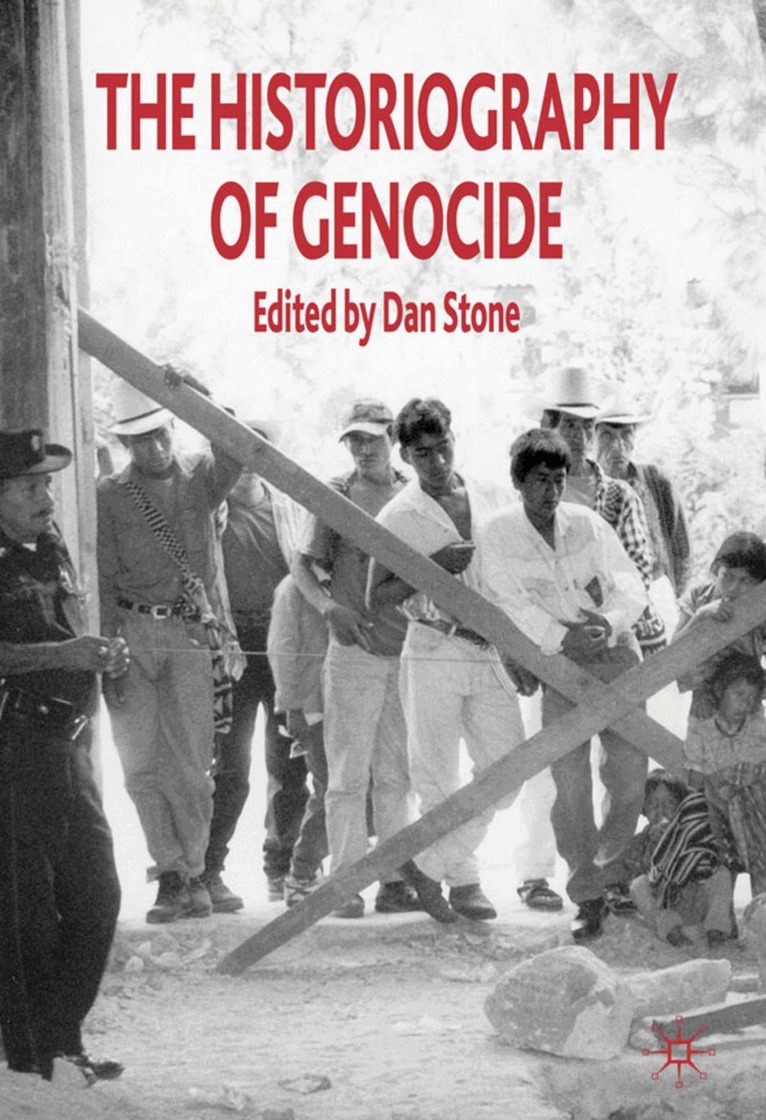
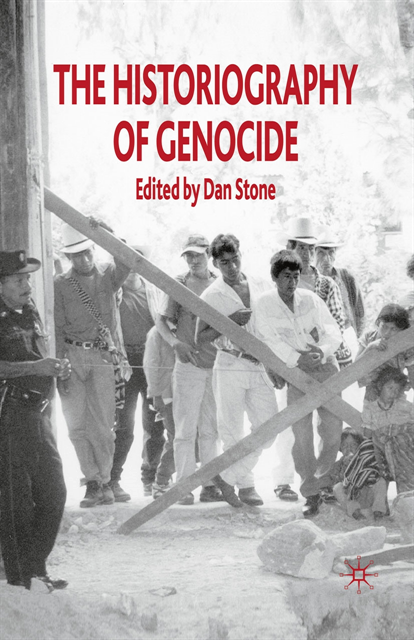
Historiography of Genocide
Av Anton Weiss-Wendt, Robert Krieken m. fl.
Häftad, 2008
1243 kr
Lägg i varukorg
The Historiography of Genocide is an indispensable guide to the development of the emerging discipline of genocide studies and the only available assessment of the historical literature pertaining to genocides.
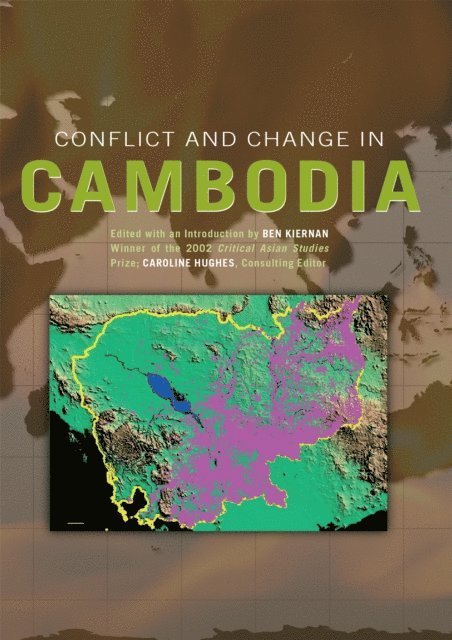
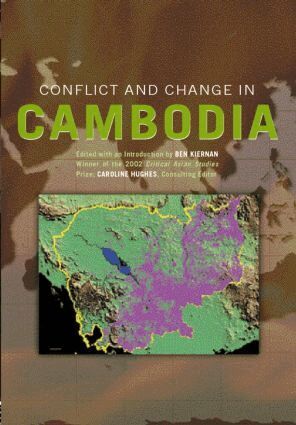
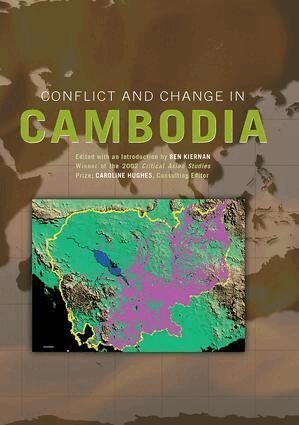
Conflict and Change in Cambodia
Av Caroline Hughes, Ben Kiernan
E-bok, 2020
890 kr
Lägg i varukorg
In the thirty years after the Second World War, Cambodia witnessed the reassertion of colonial power, the spread of nationalism, the birth and growth of a communist party, the achievement of independence, the stifling reform during the decade of peace, the rise of an armed domestic insurgency, the …
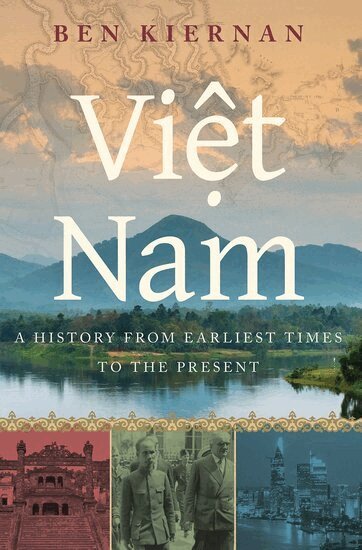
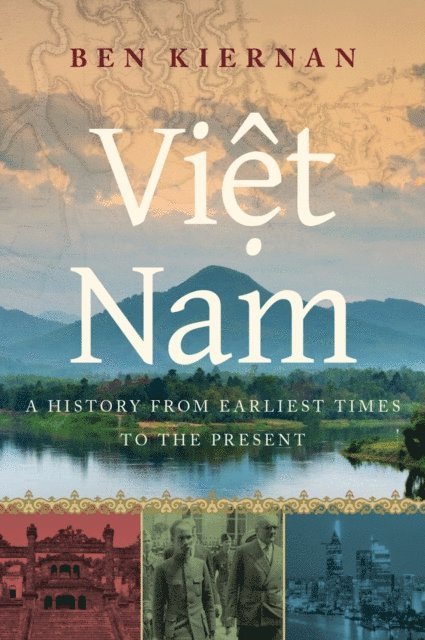
Viet Nam
A History from Earliest Times to the Present
Av Ben Kiernan
Häftad, 2019
488 kr
Lägg i varukorg
For many Westerners, the name Vietnam evokes images of a bloody televised American war that generated a firestorm of protest and brought conflict into their living rooms. In his sweeping account, Ben Kiernan broadens this vision by narrating the rich history of the peoples who have inhabited the …
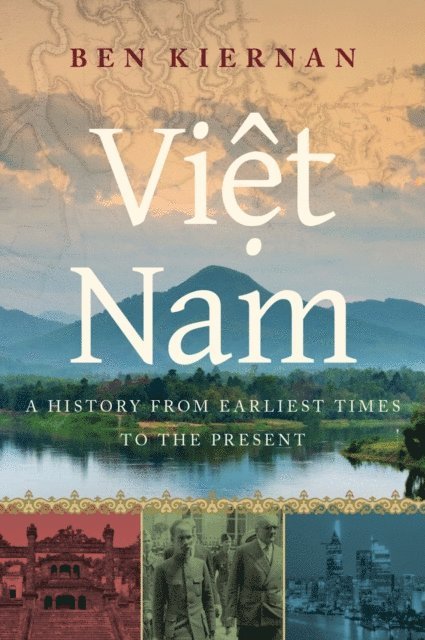
Viet Nam
A History from Earliest Times to the Present
Av Ben Kiernan
E-bok, 2017
189 kr
Lägg i varukorg
For many Westerners, the name Vietnam evokes images of a bloody televised American war that generated a firestorm of protest and brought conflict into their living rooms. In his sweeping account, Ben Kiernan broadens this vision by narrating the rich history of the peoples who have inhabited the …
Viet Nam
A History from Earliest Times to the Present
Av Ben Kiernan
E-bok, 2017
189 kr
Lägg i varukorg
For many Westerners, the name Vietnam evokes images of a bloody televised American war that generated a firestorm of protest and brought conflict into their living rooms. In his sweeping account, Ben Kiernan broadens this vision by narrating the rich history of the peoples who have inhabited the …
Viet Nam
A History from Earliest Times to the Present
Av Ben Kiernan
Inbunden, 2017
1050 kr
Lägg i varukorg
This book narrates the history of the different peoples who have lived in the three major regions of Viet Nam over the past 3,000 years. It brings to life their relationships with these regions' landscapes, water resources, and climatic conditions, their changing cultures and religious traditions, …
Historiography of Genocide
Av Robert Hitchcock, John Docker m. fl.
E-bok, 2008
1684 kr
Lägg i varukorg
The Historiography of Genocide is an indispensable guide to the development of the emerging discipline of genocide studies and the only available assessment of the historical literature pertaining to genocides.
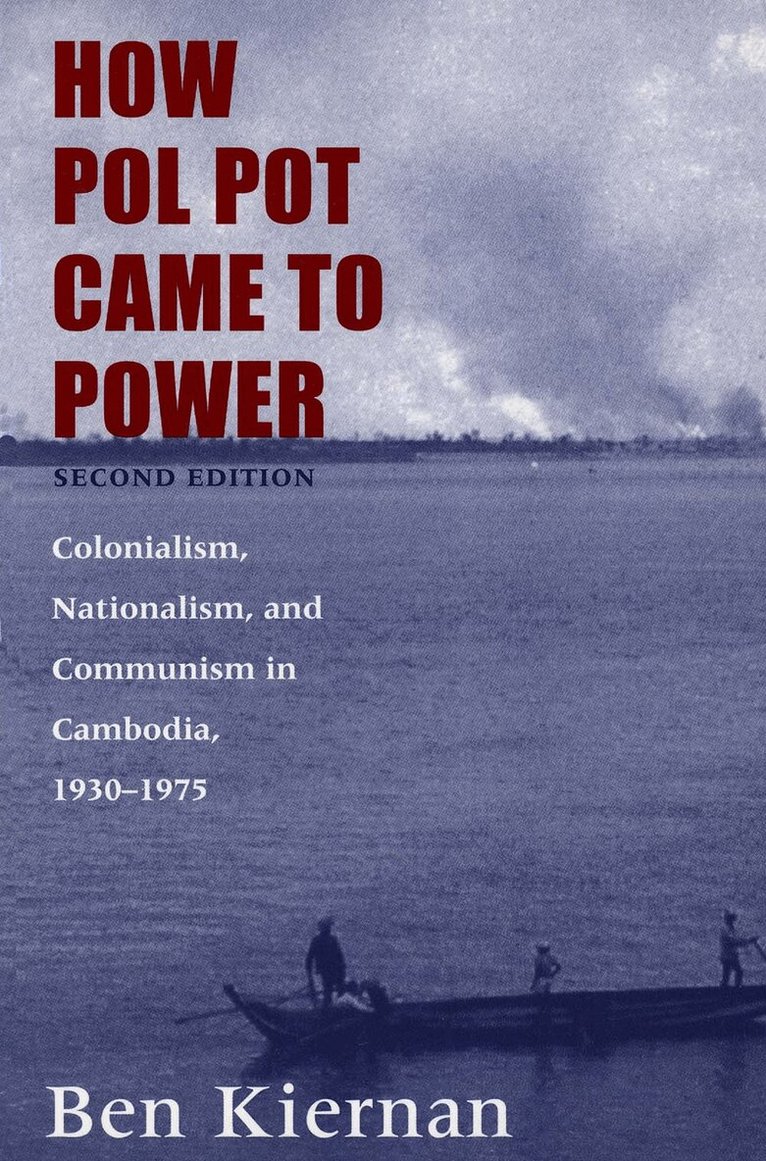
How Pol Pot Came to Power
Colonialism, Nationalism, and Communism in Cambodia, 1930–1975
Av Ben Kiernan
Häftad, 2004
340 kr
Lägg i varukorg
How did Pol Pot, a tyrant comparable to Hitler and Stalin in his brutality and contempt for human life, rise to power? This authoritative book explores what happened in Cambodia from 1930 to 1975, tracing the origins and trajectory of the Cambodian Communist movement and setting the ascension of …
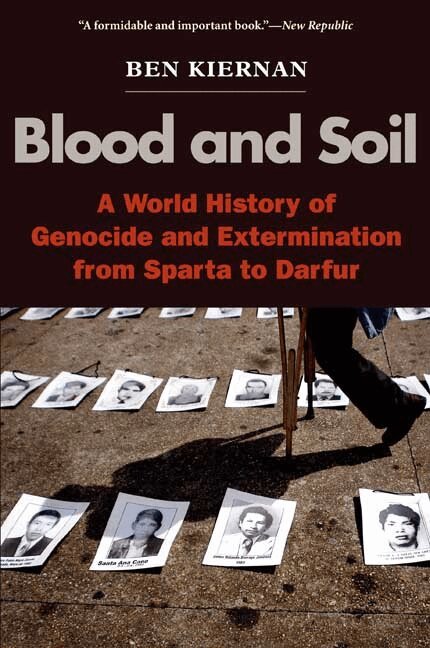
Blood and Soil
A World History of Genocide and Extermination from Sparta to Darfur
Av Ben Kiernan
Häftad, 2009
330 kr
Lägg i varukorg
A book of surpassing importance that should be required reading for leaders and policymakers throughout the worldFor thirty years Ben Kiernan has been deeply involved in the study of genocide and crimes against humanity. He has played a key role in unearthing confidential documentation of the …
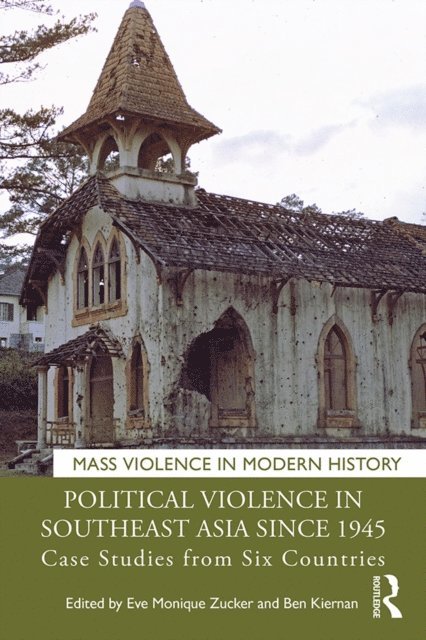
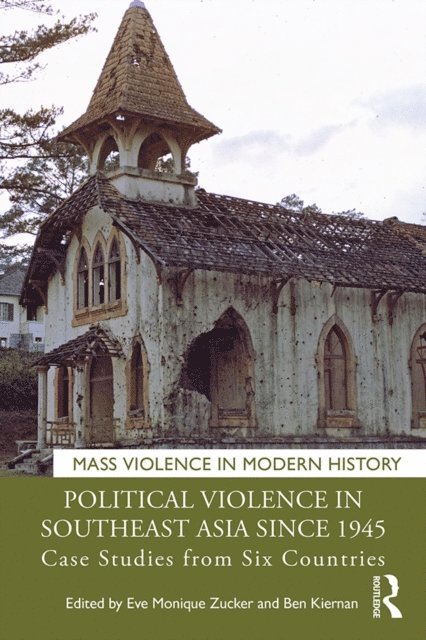
Political Violence in Southeast Asia since 1945
Case Studies from Six Countries
Av Eve Monique Zucker, Ben Kiernan
Inbunden, 2021
2586 kr
Lägg i varukorg
This book examines postwar waves of political violence that affected six Southeast Asian countries – Indonesia, Burma/Myanmar, Cambodia, Thailand, the Philippines, and Vietnam – from the wars of independence in the mid-twentieth century to the recent Rohingya genocide.Featuring cases not previously …
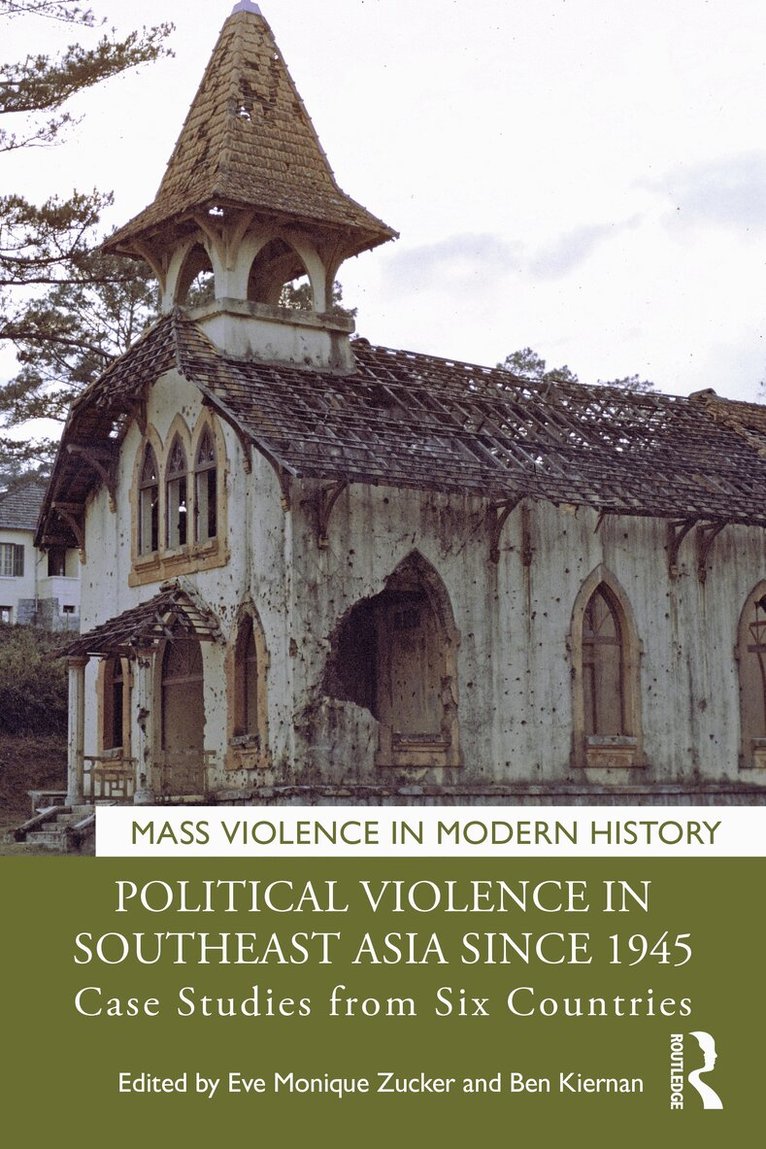
Political Violence in Southeast Asia since 1945
Case Studies from Six Countries
Av Eve Monique Zucker, Ben Kiernan
Häftad, 2021
667 kr
Lägg i varukorg
This book examines postwar waves of political violence that affected six Southeast Asian countries – Indonesia, Burma/Myanmar, Cambodia, Thailand, the Philippines, and Vietnam – from the wars of independence in the mid-twentieth century to the recent Rohingya genocide.Featuring cases not previously …
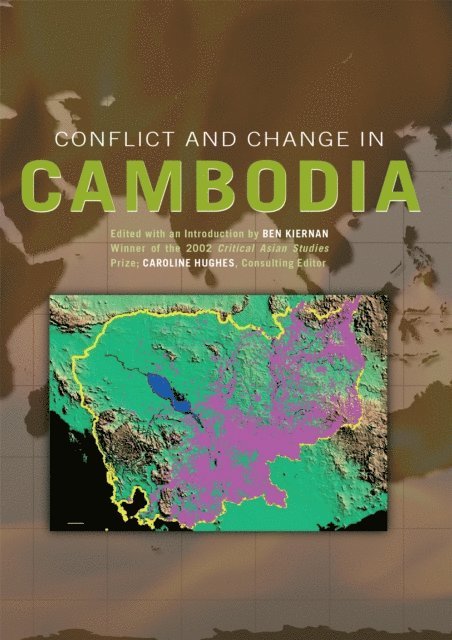
Conflict and Change in Cambodia
Av Ben Kiernan, Caroline Hughes
Inbunden, 2006
2476 kr
Lägg i varukorg
In the thirty years after the Second World War, Cambodia witnessed the reassertion of colonial power, the spread of nationalism, the birth and growth of a communist party, the achievement of independence, the stifling reform during the decade of peace, the rise of an armed domestic insurgency, the …
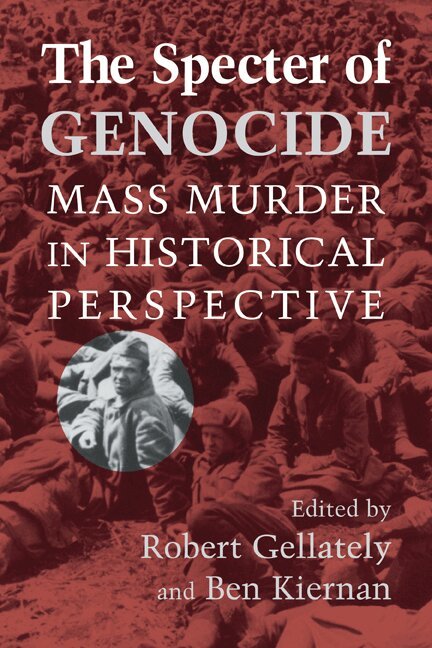
The Specter of Genocide
Mass Murder in Historical Perspective
Av Robert Gellately, Ben Kiernan
Häftad, 2003
502 kr
Lägg i varukorg
Genocide, mass murder and human rights abuses are arguably the most perplexing and deeply troubling aspects of recent world history. This collection of essays by leading international experts offers an up-to-date, comprehensive history and analyses of multiple cases of genocide and genocidal acts, …
Conflict and Change in Cambodia
Av Caroline Hughes, Ben Kiernan
E-bok, 2020
881 kr
Lägg i varukorg
In the thirty years after the Second World War, Cambodia witnessed the reassertion of colonial power, the spread of nationalism, the birth and growth of a communist party, the achievement of independence, the stifling reform during the decade of peace, the rise of an armed domestic insurgency, the …
Political Violence in Southeast Asia since 1945
Case Studies from Six Countries
Av Ben Kiernan, Eve Monique Zucker
E-bok, 2021
760 kr
Lägg i varukorg
This book examines postwar waves of political violence that affected six Southeast Asian countries – Indonesia, Burma/Myanmar, Cambodia, Thailand, the Philippines, and Vietnam – from the wars of independence in the mid-twentieth century to the recent Rohingya genocide. Featuring cases not …
Political Violence in Southeast Asia since 1945
Case Studies from Six Countries
Av Ben Kiernan, Eve Monique Zucker
E-bok, 2021
785 kr
Lägg i varukorg
This book examines postwar waves of political violence that affected six Southeast Asian countries – Indonesia, Burma/Myanmar, Cambodia, Thailand, the Philippines, and Vietnam – from the wars of independence in the mid-twentieth century to the recent Rohingya genocide. Featuring cases not …
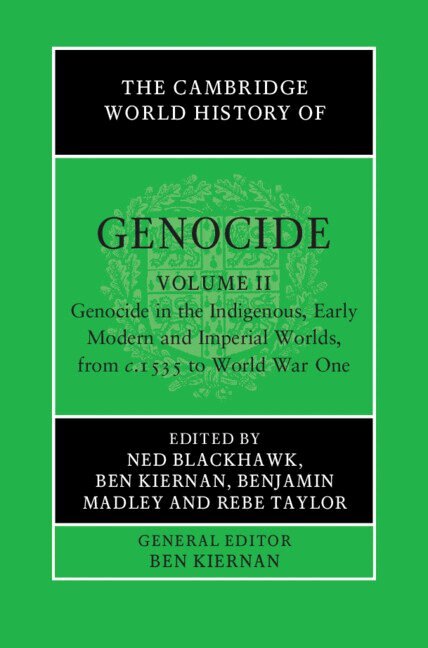
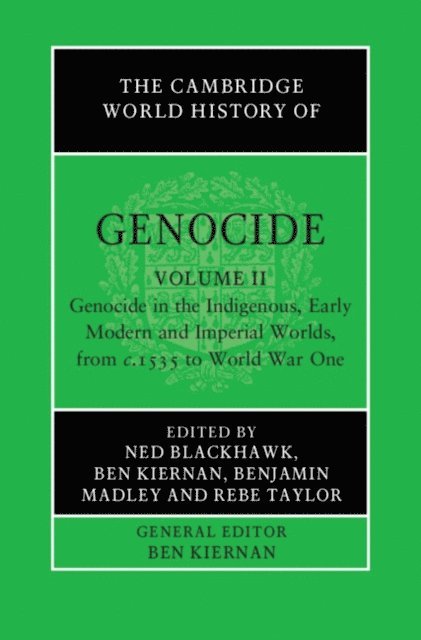
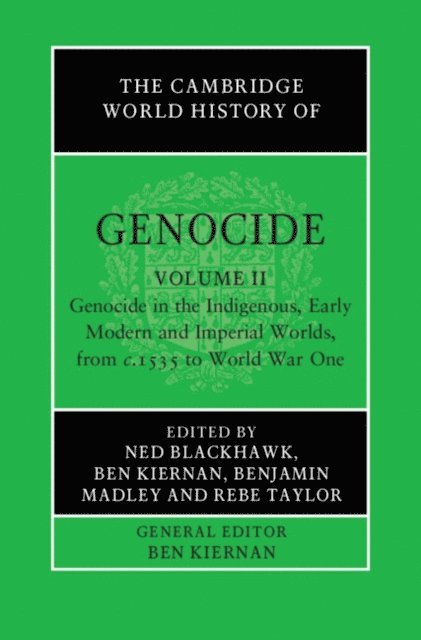
The Cambridge World History of Genocide: Volume 2, Genocide in the Indigenous, Early Modern and Imperial Worlds, from c.1535 to World War One
Av Ned Blackhawk, Ben Kiernan m. fl.
Inbunden, 2023
2306 kr
Lägg i varukorg
Volume II documents and analyses genocide and extermination throughout the early modern and modern eras. It tracks their global expansion as European and Asian imperialisms, and Euroamerican settler colonialism, spread across the globe before the Great War, forging new frontiers and impacting …
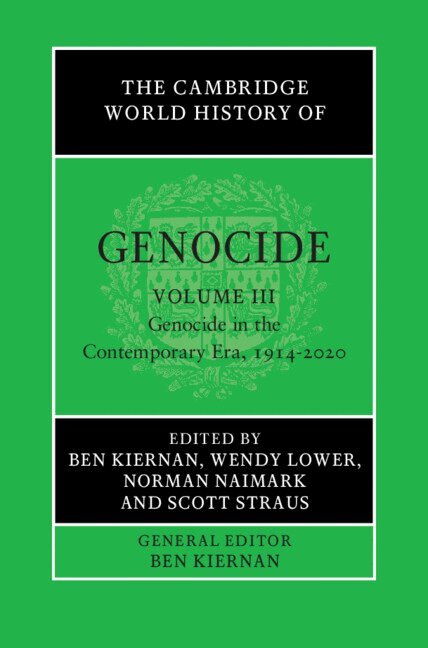
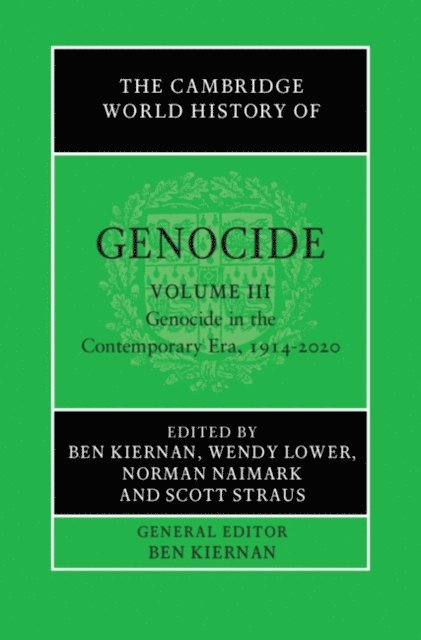
The Cambridge World History of Genocide: Volume 3, Genocide in the Contemporary Era, 1914-2020
Av Ben Kiernan, Wendy Lower m. fl.
Inbunden, 2023
2306 kr
Lägg i varukorg
Volume III examines the most well-known century of genocide, the twentieth century. Opening with a discussion on the definitions of genocide and 'ethnic cleansing' and their relationships to modernity, it continues with a survey of the genocide studies field, racism and antisemitism. The four parts …
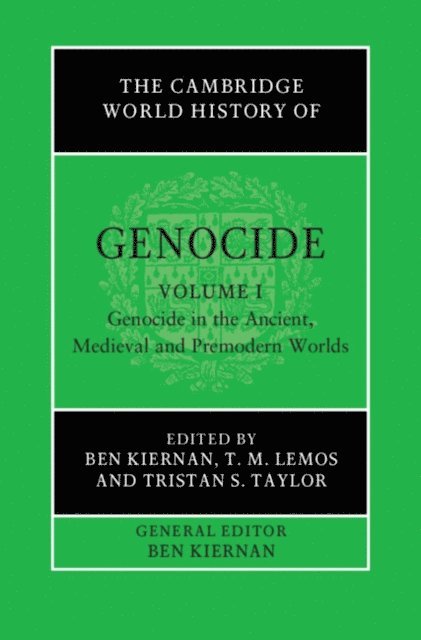
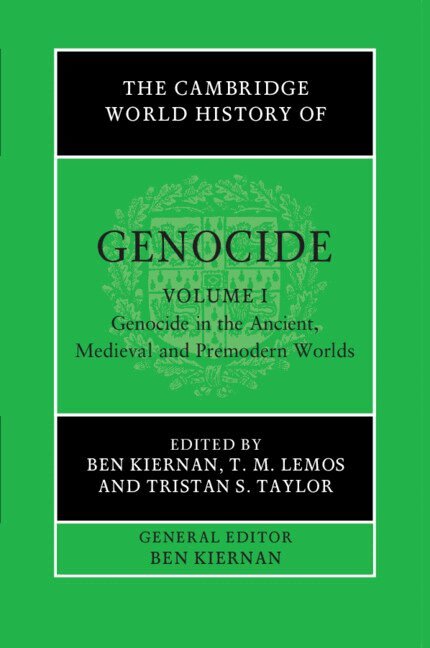
The Cambridge World History of Genocide: Volume 1, Genocide in the Ancient, Medieval and Premodern Worlds
Av Ben Kiernan, T. M. Lemos m. fl.
Inbunden, 2023
2257 kr
Lägg i varukorg
Volume I offers an introductory survey of the phenomenon of genocide. The first five chapters examine its major recurring themes, while the further nineteen are specific case studies. The combination of thematic and empirical approaches illuminates the origins and long history of genocide, its …
Cambridge World History of Genocide: Volume 1, Genocide in the Ancient, Medieval and Premodern Worlds
Av Tristan S. Taylor, T. M. Lemos m. fl.
E-bok, 2023
672 kr
Lägg i varukorg
Volume I offers an introductory survey of the phenomenon of genocide. The first five chapters examine its major recurring themes, while the further nineteen are specific case studies. The combination of thematic and empirical approaches illuminates the origins and long history of genocide, its …
Cambridge World History of Genocide: Volume 1, Genocide in the Ancient, Medieval and Premodern Worlds
Av Tristan S. Taylor, T. M. Lemos m. fl.
E-bok, 2023
672 kr
Lägg i varukorg
Volume I offers an introductory survey of the phenomenon of genocide. The first five chapters examine its major recurring themes, while the further nineteen are specific case studies. The combination of thematic and empirical approaches illuminates the origins and long history of genocide, its …
The Cambridge World History of Genocide: Volume 2, Genocide in the Indigenous, Early Modern and Imperial Worlds, from c.1535 to World War One
Av Ned Blackhawk, Ben Kiernan m. fl.
Häftad, 2025
637 kr
Lägg i varukorg
Volume II documents and analyses genocide and extermination throughout the early modern and modern eras. It tracks their global expansion as European and Asian imperialisms, and Euroamerican settler colonialism, spread across the globe before the Great War, forging new frontiers and impacting …
The Cambridge World History of Genocide: Volume 3, Genocide in the Contemporary Era, 1914-2020
Av Ben Kiernan, Wendy Lower m. fl.
Häftad, 2025
672 kr
Lägg i varukorg
Volume III examines the most well-known century of genocide, the twentieth century. Opening with a discussion on the definitions of genocide and 'ethnic cleansing' and their relationships to modernity, it continues with a survey of the genocide studies field, racism and antisemitism. The four parts …
The Cambridge World History of Genocide: Volume 1, Genocide in the Ancient, Medieval and Premodern Worlds
Av Ben Kiernan, T. M. Lemos m. fl.
Häftad, 2025
587 kr
Lägg i varukorg
Volume I offers an introductory survey of the phenomenon of genocide. The first five chapters examine its major recurring themes, while the further nineteen are specific case studies. The combination of thematic and empirical approaches illuminates the origins and long history of genocide, its …
Cambridge World History of Genocide: Volume 2, Genocide in the Indigenous, Early Modern and Imperial Worlds, from c.1535 to World War One
Av Rebe Taylor, Benjamin Madley m. fl.
E-bok, 2023
657 kr
Lägg i varukorg
Volume II documents and analyses genocide and extermination throughout the early modern and modern eras. It tracks their global expansion as European and Asian imperialisms, and Euroamerican settler colonialism, spread across the globe before the Great War, forging new frontiers and impacting …
Cambridge World History of Genocide: Volume 3, Genocide in the Contemporary Era, 1914-2020
Av Scott Straus, Norman Naimark m. fl.
E-bok, 2023
672 kr
Lägg i varukorg
Volume III examines the most well-known century of genocide, the twentieth century. Opening with a discussion on the definitions of genocide and ''ethnic cleansing'' and their relationships to modernity, it continues with a survey of the genocide studies field, racism and antisemitism. The four …
Cambridge World History of Genocide: Volume 3, Genocide in the Contemporary Era, 1914-2020
Av Scott Straus, Norman Naimark m. fl.
E-bok, 2023
657 kr
Lägg i varukorg
Volume III examines the most well-known century of genocide, the twentieth century. Opening with a discussion on the definitions of genocide and ''ethnic cleansing'' and their relationships to modernity, it continues with a survey of the genocide studies field, racism and antisemitism. The four …
Cambridge World History of Genocide: Volume 2, Genocide in the Indigenous, Early Modern and Imperial Worlds, from c.1535 to World War One
Av Rebe Taylor, Benjamin Madley m. fl.
E-bok, 2023
657 kr
Lägg i varukorg
Volume II documents and analyses genocide and extermination throughout the early modern and modern eras. It tracks their global expansion as European and Asian imperialisms, and Euroamerican settler colonialism, spread across the globe before the Great War, forging new frontiers and impacting …
Conflict and Change in Cambodia
Av Ben Kiernan, Caroline Hughes
Häftad, 2016
739 kr
Lägg i varukorg
In the thirty years after the Second World War, Cambodia witnessed the reassertion of colonial power, the spread of nationalism, the birth and growth of a communist party, the achievement of independence, the stifling reform during the decade of peace, the rise of an armed domestic insurgency, the …