Charles P. Thompson – författare
1 312 kr
Skickas inom 10-15 vardagar
2 136 kr
Skickas inom 10-15 vardagar
2 136 kr
Skickas inom 10-15 vardagar
1 312 kr
Skickas inom 10-15 vardagar
621 kr
Läs direkt efter köp
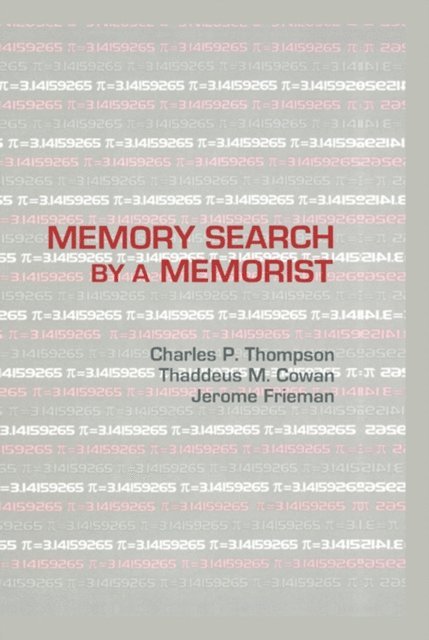
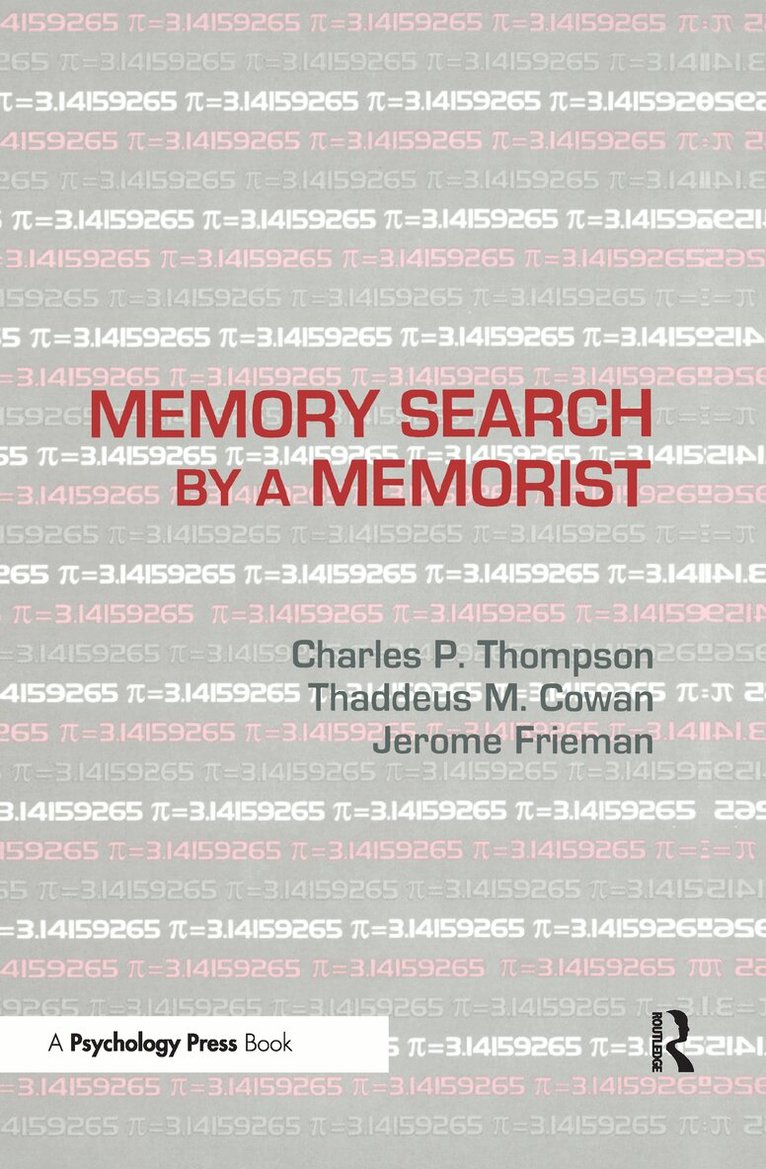
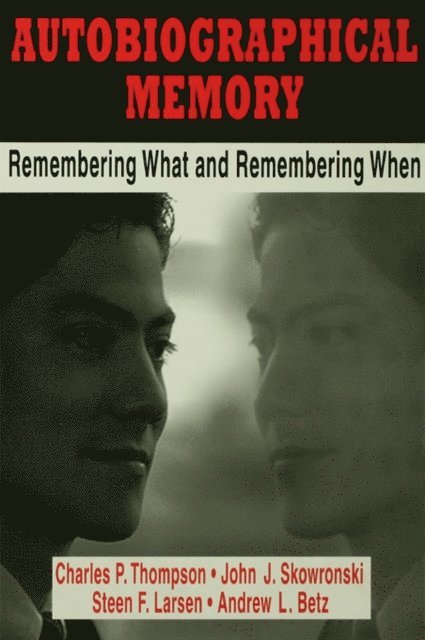
This book describes the first comprehensive experimental research program on an individual who exhibits exceptional memory. Rajan Mahadevan, the subject of these investigations, won a place in the Guinness Book of Records for reciting pi to 31,811 decimal places, can learn matrices up to size 20 X 20, and can produce memory spans above 60 for digits. Utilizing the methodology and theories of modern cognitive psychology, the authors systematically investigated Rajan''s memory skills. A wide range of experiments and tests were conducted with Rajan and four control subjects. These include memory span tests for digits and letters, memory for various kinds of non-numeric information, tests of working memory, learning and retention of numeric matrices, memory and visual searches of the digits of pi, and lexical decision tasks with the digits of pi. The authors describe how they came to understand the way Rajan stored and now retrieves the decimal digits of pi, how he learns and retrieves matrices, and how he encodes and retrieves digits in a memory span task. Although his strategy for memorizing and retrieving digits is unique in the literature on people with extraordinary memory, the authors show how their investigations of Rajan contribute to our understanding of memory.
621 kr
Läs direkt efter köp
This book describes the first comprehensive experimental research program on an individual who exhibits exceptional memory. Rajan Mahadevan, the subject of these investigations, won a place in the Guinness Book of Records for reciting pi to 31,811 decimal places, can learn matrices up to size 20 X 20, and can produce memory spans above 60 for digits. Utilizing the methodology and theories of modern cognitive psychology, the authors systematically investigated Rajan''s memory skills. A wide range of experiments and tests were conducted with Rajan and four control subjects. These include memory span tests for digits and letters, memory for various kinds of non-numeric information, tests of working memory, learning and retention of numeric matrices, memory and visual searches of the digits of pi, and lexical decision tasks with the digits of pi. The authors describe how they came to understand the way Rajan stored and now retrieves the decimal digits of pi, how he learns and retrieves matrices, and how he encodes and retrieves digits in a memory span task. Although his strategy for memorizing and retrieving digits is unique in the literature on people with extraordinary memory, the authors show how their investigations of Rajan contribute to our understanding of memory.
915 kr
Läs direkt efter köp
915 kr
Läs direkt efter köp
866 kr
Skickas inom 10-15 vardagar
546 kr
Skickas inom 10-15 vardagar
529 kr
Skickas inom 10-15 vardagar
1 022 kr
Läs direkt efter köp
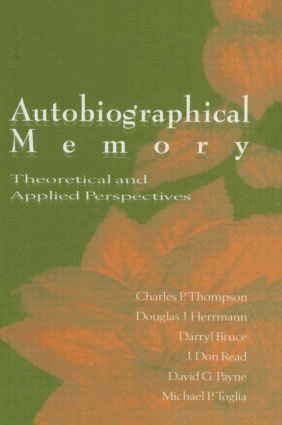
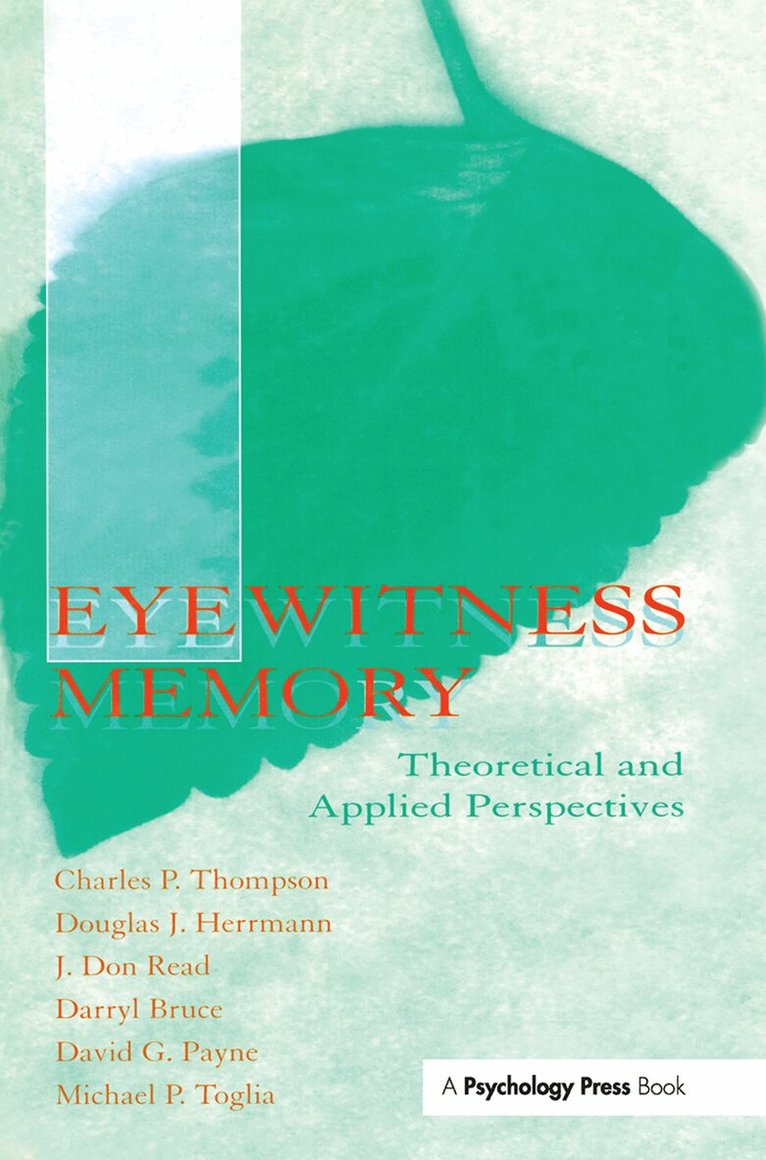
The organization of the first Society for Applied Research in Memory and Cognition (SARMAC) conference centered around two specifically identifiable research topics -- autobiographical memory and eyewitness memory. These two areas -- long-time staples on the menu of investigators of memory in more natural settings -- differ on a variety of dimensions, perhaps most notably in their specific goals for scientific inquiry and application. For many questions about memory and cognition that are of interest to scientific psychology, there have been historical as well as rather arbitrary reasons for their assignment to the autobiographical or eyewitness memory fields. Perhaps as a result of differing historical orientations, the first volume''s seven autobiographical memory chapters focus upon the qualities or types of recall from research participants, whereas the seven chapters in the eyewitness memory volume generally focus upon the quantity (a concern for completeness) and accuracy of recall. This interest in the ultimate end-product and its application within the legal process in general encourages eyewitness memory investigators to modify their testing procedures continually in an attempt to gain even more information from participants about an event. Indeed, several of the eyewitness memory chapters reflect such attempts. Beyond the specific contributions of each chapter to the literature on autobiographical and eyewitness memory, the editors hope that the reader will come away with some general observations: * the autobiographical and eyewitness memory fields are thriving; * these two fields are likely to remain center stage in the further investigation of memory in natural contexts; * although the autobiographical and eyewitness memory chapters have been segregated in these two volumes, the separation is often more arbitrary than real and connections between the two areas abound; * the two research traditions are entirely mindful of fundamental laboratory methods, research, and theory -- sometimes drawing their research inspirations from that quarter; and * the two fields -- though driven largely by everyday memory concerns -- can contribute to a more basic understanding of memory at both an empirical and a theoretical level.
1 022 kr
Läs direkt efter köp
The organization of the first Society for Applied Research in Memory and Cognition (SARMAC) conference centered around two specifically identifiable research topics -- autobiographical memory and eyewitness memory. These two areas -- long-time staples on the menu of investigators of memory in more natural settings -- differ on a variety of dimensions, perhaps most notably in their specific goals for scientific inquiry and application. For many questions about memory and cognition that are of interest to scientific psychology, there have been historical as well as rather arbitrary reasons for their assignment to the autobiographical or eyewitness memory fields. Perhaps as a result of differing historical orientations, the first volume''s seven autobiographical memory chapters focus upon the qualities or types of recall from research participants, whereas the seven chapters in the eyewitness memory volume generally focus upon the quantity (a concern for completeness) and accuracy of recall. This interest in the ultimate end-product and its application within the legal process in general encourages eyewitness memory investigators to modify their testing procedures continually in an attempt to gain even more information from participants about an event. Indeed, several of the eyewitness memory chapters reflect such attempts. Beyond the specific contributions of each chapter to the literature on autobiographical and eyewitness memory, the editors hope that the reader will come away with some general observations: * the autobiographical and eyewitness memory fields are thriving; * these two fields are likely to remain center stage in the further investigation of memory in natural contexts; * although the autobiographical and eyewitness memory chapters have been segregated in these two volumes, the separation is often more arbitrary than real and connections between the two areas abound; * the two research traditions are entirely mindful of fundamental laboratory methods, research, and theory -- sometimes drawing their research inspirations from that quarter; and * the two fields -- though driven largely by everyday memory concerns -- can contribute to a more basic understanding of memory at both an empirical and a theoretical level.
641 kr
Läs direkt efter köp
The organization of the first Society for Applied Research in Memory and Cognition (SARMAC) conference centered around two specifically identifiable research topics -- autobiographical memory and eyewitness memory. These two areas -- long-time staples on the menu of investigators of memory in more natural settings -- differ on a variety of dimensions, perhaps most notably on their specific goals for scientific inquiry and application. For many questions about memory and cognition that are of interest to scientific psychology, there have been historical as well as rather arbitrary reasons for their assignment to the autobiographical or eyewitness memory fields. Perhaps as a result of differing historical orientations, the first volume''s seven autobiographical memory chapters focus upon the qualities or types of recall from research participants, whereas the seven chapters in the eyewitness memory volume generally focus upon the quantity (a concern for completeness) and accuracy of recall. This interest in the ultimate end-product and its application within the legal process in general encourages eyewitness memory investigators to modify their testing procedures continually in an attempt to gain even more information from participants about an event. Indeed, several of the eyewitness memory chapters reflect such attempts. Beyond the specific contributions of each chapter to the literature on autobiographical and eyewitness memory, the editors hope that the reader will come away with some general observations: * the autobiographical and eyewitness memory fields are thriving; * these two fields are likely to remain center stage in the further investigation of memory in natural contexts; * although the autobiographical and eyewitness memory chapters have been segregated in these two volumes, the separation is often more arbitrary than real and connections between the two areas abound; * the two research traditions are entirely mindful of fundamental laboratory methods, research, and theory -- sometimes drawing their research inspirations from that quarter; and * the two fields -- though driven largely by everyday memory concerns -- can contribute to a more basic understanding of memory at both an empirical and a theoretical level.
641 kr
Läs direkt efter köp
The organization of the first Society for Applied Research in Memory and Cognition (SARMAC) conference centered around two specifically identifiable research topics -- autobiographical memory and eyewitness memory. These two areas -- long-time staples on the menu of investigators of memory in more natural settings -- differ on a variety of dimensions, perhaps most notably on their specific goals for scientific inquiry and application. For many questions about memory and cognition that are of interest to scientific psychology, there have been historical as well as rather arbitrary reasons for their assignment to the autobiographical or eyewitness memory fields. Perhaps as a result of differing historical orientations, the first volume''s seven autobiographical memory chapters focus upon the qualities or types of recall from research participants, whereas the seven chapters in the eyewitness memory volume generally focus upon the quantity (a concern for completeness) and accuracy of recall. This interest in the ultimate end-product and its application within the legal process in general encourages eyewitness memory investigators to modify their testing procedures continually in an attempt to gain even more information from participants about an event. Indeed, several of the eyewitness memory chapters reflect such attempts. Beyond the specific contributions of each chapter to the literature on autobiographical and eyewitness memory, the editors hope that the reader will come away with some general observations: * the autobiographical and eyewitness memory fields are thriving; * these two fields are likely to remain center stage in the further investigation of memory in natural contexts; * although the autobiographical and eyewitness memory chapters have been segregated in these two volumes, the separation is often more arbitrary than real and connections between the two areas abound; * the two research traditions are entirely mindful of fundamental laboratory methods, research, and theory -- sometimes drawing their research inspirations from that quarter; and * the two fields -- though driven largely by everyday memory concerns -- can contribute to a more basic understanding of memory at both an empirical and a theoretical level.