Cristobal Noe Aguilar – författare
1 871 kr
Skickas inom 10-15 vardagar
Value Addition in Food Products and Processing using Enzyme Technology offers an updated review regarding the potential impact of new enzymes and enzyme technology on the food sector. The book brings together novel sources and technologies regarding enzymes in value added food development, food production, food processing, food preservation, food engineering and food biotechnology. It will be extremely useful� for different types of readers, including food scientists, academic and food biotechnologists, but will also be ideal for students studying food-related courses. This book includes concise and up-to-date research information from multiple independent scientific papers from around the world.
This is a essential, multidisciplinary text for research and development professionals, research scientists, and academics in food, biotechnology, and agriculture industries. It addresses safety issues and includes the sources, screening, immobilization and application of food-grade enzymes in food.
Presents research data from experts Includes emerging industry topics such as baby food and food safety Offers methodologies of enzymes in diagnostics for food testing and analysis Emphasizes enzyme technology through a microbial biotechnological lens Includes bakery and confectionery products, meat and poultry products, vegetables, food ingredients, functional foods, flavors and food additives and seafood2 662 kr
Läs direkt efter köp
2 662 kr
Läs direkt efter köp
1 871 kr
Skickas inom 10-15 vardagar
Enzymatic Processes for Food Valorization describes the most recent research in the field of catalysis for food valorization, revealing the impact of the implementation of enzymatic catalysis in the different stages that make up the production processes. Sections review advances in food processing using enzymes, explore the use of enzymes on by-products for the release of compounds of interest, and show recent trends in biocatalysis and its application in the food industry.
Written by a team of international experts, this is an invaluable guide for professionals in the area of enzyme technology applied in the food industry, as well as technicians and scientists involved in the use of enzymes on food waste for the valorization and/or recovery of compounds.
Brings updated content on trends in enzymatic processes for food valorizationPresents the main enzymes used in food processing and technology to improve organoleptic and quality attributesIncludes the application of enzymes for the valorization of by-products generated during food processing for an eventual recovery of bioactiveExplores how food by-products can be used as fermentation substrates for the production of enzymes of industrial interest1 714 kr
Skickas inom 10-15 vardagar
Whole Cell Biocatalysis, a volume in the Foundations and Frontiers of Enzymology series, offers a detailed overview of the process of biocatalysis using whole cells as an alternative to enzyme biocatalysis. The book examines the potential applications and advantages of whole cell biocatalysis, including its use in the production of fine chemicals, renewable energy, and drug discovery and development. Whole cell biocatalysis for large scale production and non-conventional media are also covered. In addition, the latest methods and techniques are investigated, including cell immobilization, permeabilization, synthetic biology, computational metabolic engineering, and molecular genetics.This book provides a comprehensive summary on whole cell biocatalysis and the latest developments in this emerging field. It is an invaluable reference for researchers working across biochemistry, enzymology, biotechnology, and related fields.
Considers the advantages and challenges of whole cell biocatalysis to enhance production processes in various industriesIncludes a range of techniques to investigate and facilitate whole cell biocatalysisCovers whole cell biocatalysis in non-conventional mediaStudies biocatalytic cascade reactions2 168 kr
Läs direkt efter köp
1 906 kr
Kommande
1 716 kr
Kommande
2 125 kr
Läs direkt efter köp
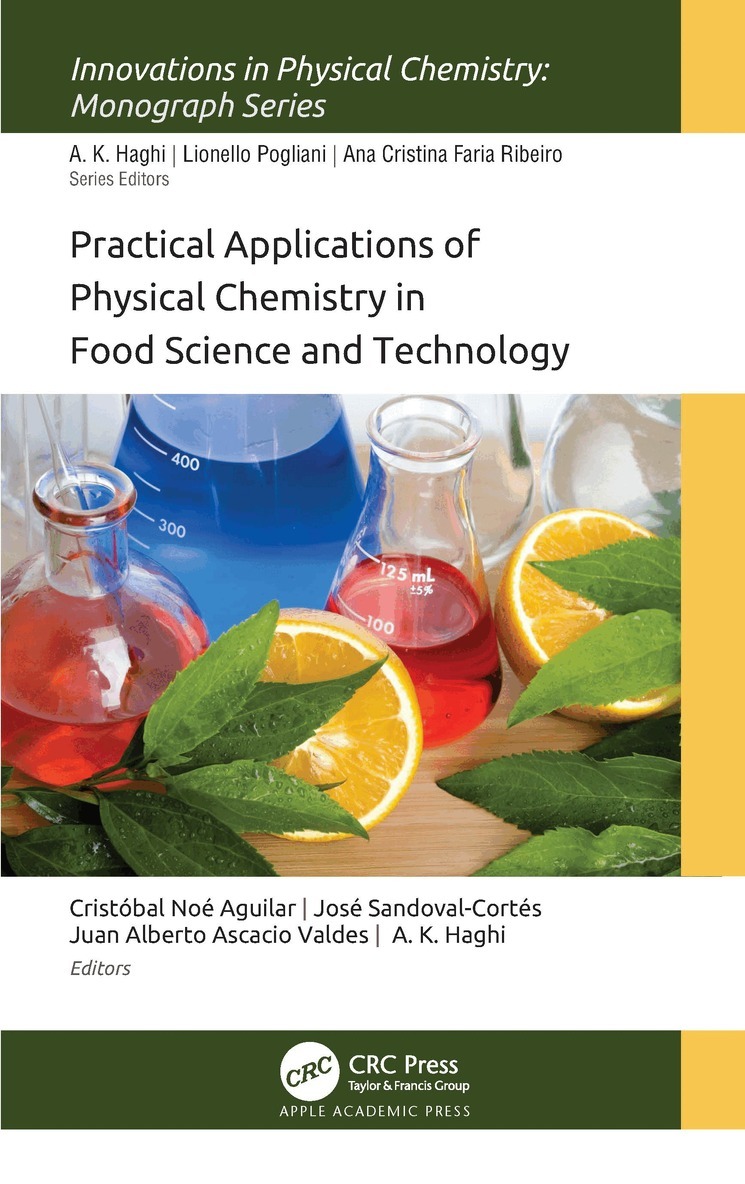
Practical Applications of Physical Chemistry in Food Science and Technology provides comprehensive information, original research, and reports on scientific advances in practical applications of physical chemistry in food science and technology, making a special emphasis on incorporating sustainable development goals. This book demonstrates the potential and actual developments in the design and development of physical chemistry strategies and tools for the food science and technology.
Chapters cover many topics in this field, including nutritional and pharmaceutical properties and analysis, electroanalytical and electrochemical techniques, valorization of food residues, bioactives and bioactivities, separative extraction, microencapsulation, nanoemulsions, and much more. Several chapters address how the food industry generates a large amount of agroindustrial waste that seriously affects the environment and present mitigation strategies and technology to use these agroindustrial waste products to produce bioactive compounds that can add value to food products. Certain fruit and vegetable species are discussed as a potential new source for its use their raw materials of use in the pharmaceutical, cosmetic, and food industries.
2 125 kr
Läs direkt efter köp
Practical Applications of Physical Chemistry in Food Science and Technology provides comprehensive information, original research, and reports on scientific advances in practical applications of physical chemistry in food science and technology, making a special emphasis on incorporating sustainable development goals. This book demonstrates the potential and actual developments in the design and development of physical chemistry strategies and tools for the food science and technology.
Chapters cover many topics in this field, including nutritional and pharmaceutical properties and analysis, electroanalytical and electrochemical techniques, valorization of food residues, bioactives and bioactivities, separative extraction, microencapsulation, nanoemulsions, and much more. Several chapters address how the food industry generates a large amount of agroindustrial waste that seriously affects the environment and present mitigation strategies and technology to use these agroindustrial waste products to produce bioactive compounds that can add value to food products. Certain fruit and vegetable species are discussed as a potential new source for its use their raw materials of use in the pharmaceutical, cosmetic, and food industries.
2 255 kr
Läs direkt efter köp
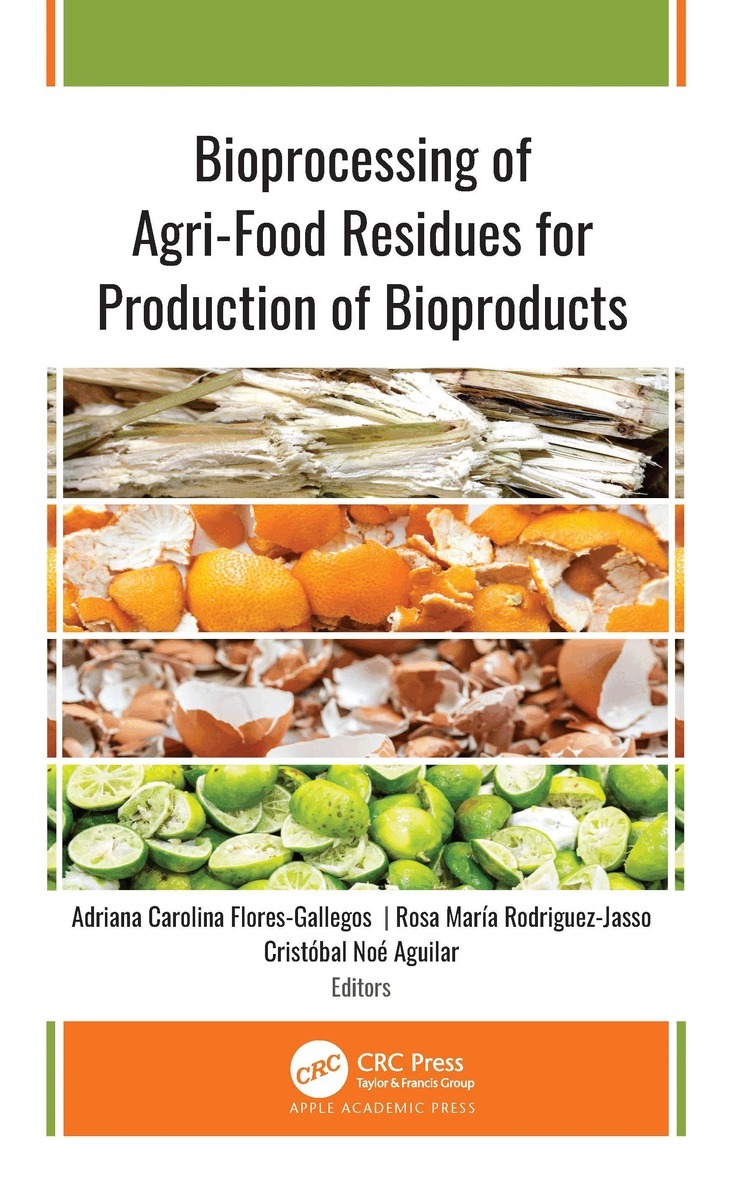
This new volume presents original research and scientific advances in the field of the food bioprocessing, bioproducts, valorization of agricultural and food wastes, microbiology, and biotechnology. It explores the most important advances in the valorization of agri-food residues for the production of bioproducts and in the development of several bioprocessing strategies. The authors place a special emphasis on the challenges that the industry faces in the era of sustainable development and aim to facilitate the reduction of food loss and waste. This book demonstrates the potential and actual development and advances in the design and development of strategies and tools for the bioprocessing of agri-food residues for the production of bioproducts.
Bioprocessing of Agri-Food Residues for Production of Bioproducts covers aspects related to biotransformation of agri-food residues such as mango seed, citrus waste, pomegranate husks, nut shells, melon peels, leaves and grains, cheese whey, among others.
2 255 kr
Läs direkt efter köp
This new volume presents original research and scientific advances in the field of the food bioprocessing, bioproducts, valorization of agricultural and food wastes, microbiology, and biotechnology. It explores the most important advances in the valorization of agri-food residues for the production of bioproducts and in the development of several bioprocessing strategies. The authors place a special emphasis on the challenges that the industry faces in the era of sustainable development and aim to facilitate the reduction of food loss and waste. This book demonstrates the potential and actual development and advances in the design and development of strategies and tools for the bioprocessing of agri-food residues for the production of bioproducts.
Bioprocessing of Agri-Food Residues for Production of Bioproducts covers aspects related to biotransformation of agri-food residues such as mango seed, citrus waste, pomegranate husks, nut shells, melon peels, leaves and grains, cheese whey, among others.
2 189 kr
Läs direkt efter köp
2 189 kr
Läs direkt efter köp
2 322 kr
Läs direkt efter köp
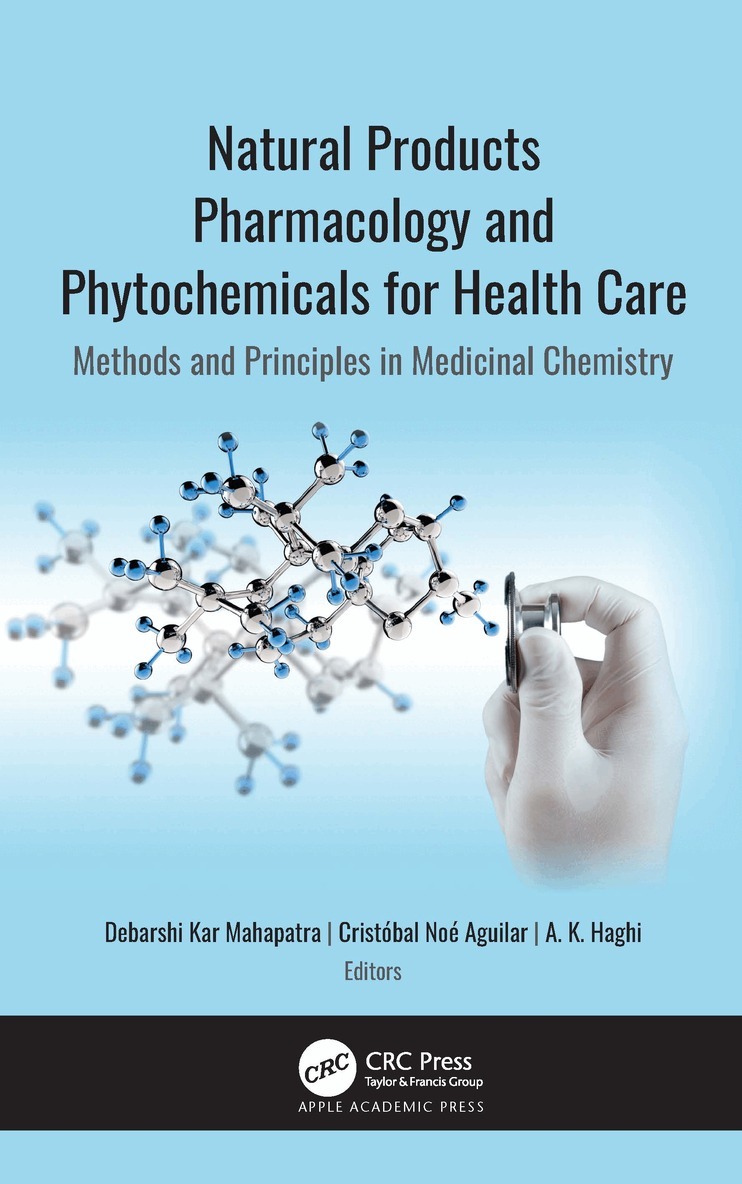
Medicinal chemistry and pharmacology are closely associated fields, and the use of natural products for their medicinal properties is ever-growing. The study of drugs from natural products and their effects on the living body are explored in this volume. The book looks into the research, discovery, and characterization of chemicals that exhibit biological effects. Providing an informative compilation of research, valuable case studies, and reviews of existing literature in the area, the book focuses on the ethnobotanical uses of natural products and phytochemicals for health care, including applications for diabetes, ulcers, wound healing, chronic alcoholism, hemorrhoidal treatment, cancer mitigation, pain management, immunotherapy, and more.
2 322 kr
Läs direkt efter köp
Medicinal chemistry and pharmacology are closely associated fields, and the use of natural products for their medicinal properties is ever-growing. The study of drugs from natural products and their effects on the living body are explored in this volume. The book looks into the research, discovery, and characterization of chemicals that exhibit biological effects. Providing an informative compilation of research, valuable case studies, and reviews of existing literature in the area, the book focuses on the ethnobotanical uses of natural products and phytochemicals for health care, including applications for diabetes, ulcers, wound healing, chronic alcoholism, hemorrhoidal treatment, cancer mitigation, pain management, immunotherapy, and more.
2 255 kr
Läs direkt efter köp
Focusing on the crucial sustainability challenge of reducing food loss at the level of consumer society, this volume provides an in-depth, research-based overview of this multifaceted problem. It considers the myriad environmental, economic, social, and ethical factors associated with the enormous amount of food waste, which also end up wasting water, air, electricity, and fuel, which are necessary for food processing.
This book uniquely examines the social and cultural views of food waste management, shedding new light on the topic by emphasizing the consumer/household perspective throughout. Drawing on a wide variety of disciplines, the book presents philosophical reflections, practical examples and case studies, and potential solutions to the problem of increasing food waste.
2 255 kr
Läs direkt efter köp
Focusing on the crucial sustainability challenge of reducing food loss at the level of consumer society, this volume provides an in-depth, research-based overview of this multifaceted problem. It considers the myriad environmental, economic, social, and ethical factors associated with the enormous amount of food waste, which also end up wasting water, air, electricity, and fuel, which are necessary for food processing.
This book uniquely examines the social and cultural views of food waste management, shedding new light on the topic by emphasizing the consumer/household perspective throughout. Drawing on a wide variety of disciplines, the book presents philosophical reflections, practical examples and case studies, and potential solutions to the problem of increasing food waste.
2 385 kr
Läs direkt efter köp
This new volume provides important information on potential applications and new developments in functional health foods and nutraceuticals. It looks at the health-promoting properties in functional foods and beverages as well as nutraceuticals. Some health issues that are considered in conjunction with these foods and nutraceuticals include oxidative stress, obesity, pharyngitis, low cognitive concentration, among others. Research topics include the antioxidant properties of certain products, the development of functional and medicinal beverages, nutraceuticals and functional foods for alternative therapies, and more.
2 385 kr
Läs direkt efter köp
This new volume provides important information on potential applications and new developments in functional health foods and nutraceuticals. It looks at the health-promoting properties in functional foods and beverages as well as nutraceuticals. Some health issues that are considered in conjunction with these foods and nutraceuticals include oxidative stress, obesity, pharyngitis, low cognitive concentration, among others. Research topics include the antioxidant properties of certain products, the development of functional and medicinal beverages, nutraceuticals and functional foods for alternative therapies, and more.
3 131 kr
Läs direkt efter köp
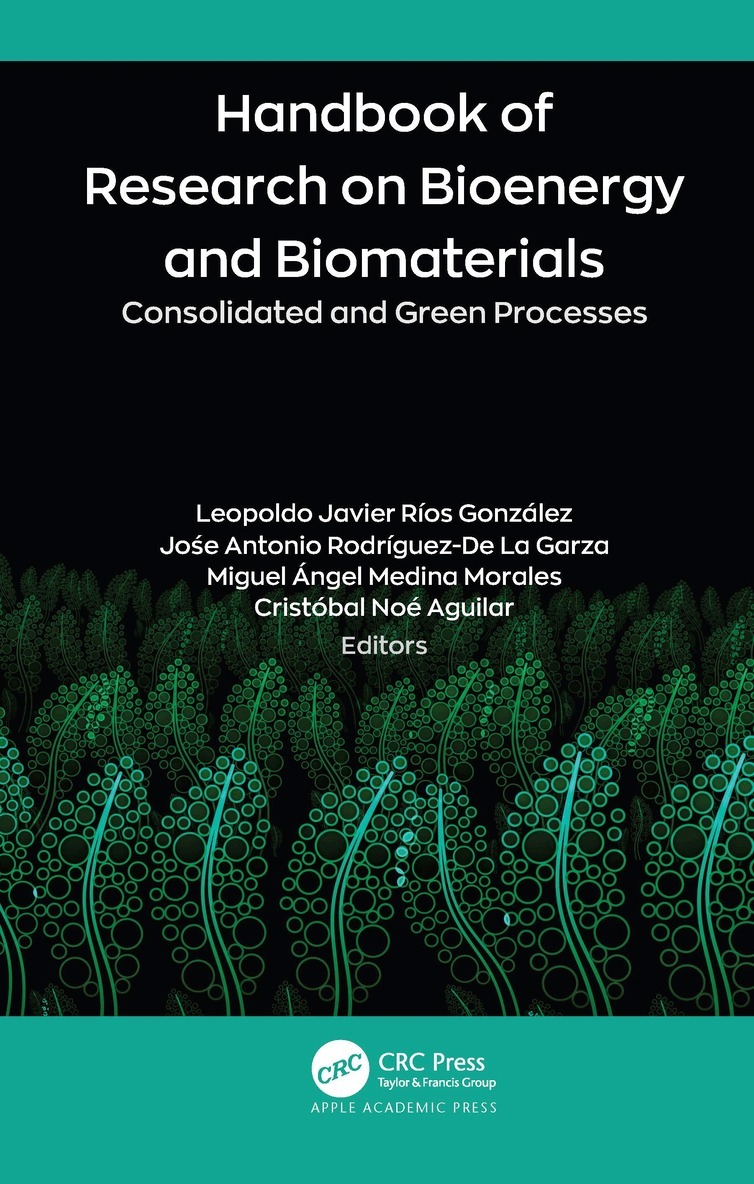
The handbook provides an understanding of consolidated processing and biorefinery systems for the production of bio-based chemicals and value-added bioproducts from renewable sources. The chapters look at a variety of bioenergy technological advances and improvements in the energy and materials sectors that aim to lower our dependence of fossil fuels and consequently reduce greenhouse gas (GHG) emissions.
The volume looks at a selection of processes for the production of energy and biomaterials, including the Fischer–Tropsch process, gasification, pyrolysis, combustion, fermentation from renewable sources (such as, plants, animals and their byproducts), and others. Applications that are explored include transportation fuels, biodiesel production, wastewater treatment, edible packaging, bioplastics, physical rehabilitation, tissue engineering, biomedical applications, thermal insulation, industrial value compounds, and more.
All of the topics covered in this publication address consolidated processes that play a pivotal role in the production of bioenergy and biomaterials because these processes require fewer unitary operations needed in the process, leading to a more direct method of production. This type of production system contributes to decreasing negative effects on the environment, lowering costs, saving energy and time, and improving profitability and efficiency.
This volume will be valuable for the industrial sector, for researchers and scientists, as well as for faculty and advanced students.
3 131 kr
Läs direkt efter köp
The handbook provides an understanding of consolidated processing and biorefinery systems for the production of bio-based chemicals and value-added bioproducts from renewable sources. The chapters look at a variety of bioenergy technological advances and improvements in the energy and materials sectors that aim to lower our dependence of fossil fuels and consequently reduce greenhouse gas (GHG) emissions.
The volume looks at a selection of processes for the production of energy and biomaterials, including the Fischer–Tropsch process, gasification, pyrolysis, combustion, fermentation from renewable sources (such as, plants, animals and their byproducts), and others. Applications that are explored include transportation fuels, biodiesel production, wastewater treatment, edible packaging, bioplastics, physical rehabilitation, tissue engineering, biomedical applications, thermal insulation, industrial value compounds, and more.
All of the topics covered in this publication address consolidated processes that play a pivotal role in the production of bioenergy and biomaterials because these processes require fewer unitary operations needed in the process, leading to a more direct method of production. This type of production system contributes to decreasing negative effects on the environment, lowering costs, saving energy and time, and improving profitability and efficiency.
This volume will be valuable for the industrial sector, for researchers and scientists, as well as for faculty and advanced students.
2 255 kr
Läs direkt efter köp
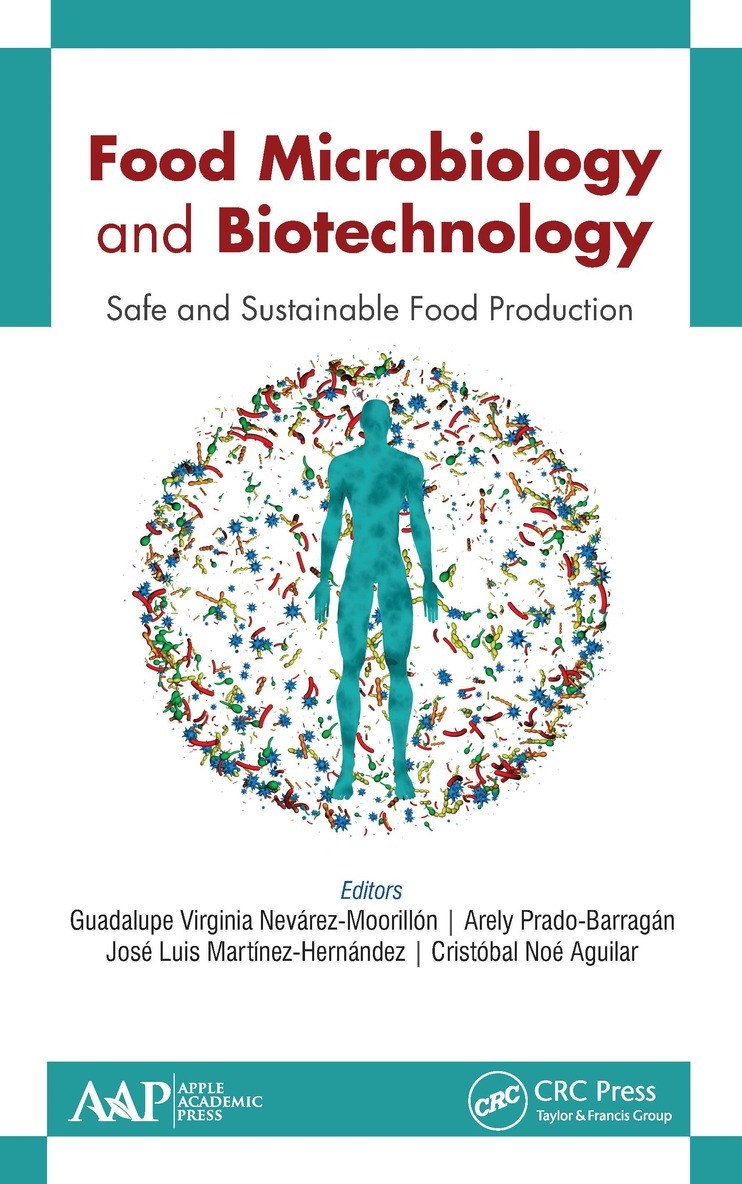
Food Microbiology and Biotechnology: Safe and Sustainable Food Production explores the most important advances in food microbiology and biotechnology, with special emphasis on the challenges that the industry faces in the era of sustainable development and food security problems.
Chapters cover broad research areas that offer original and novel highlights in microbiology and biotechnology and other related sciences. The authors discuss food bioprocesses, fermentation, food microbiology, functional foods, nutraceuticals, extraction of natural products, nano- and micro-technology, innovative processes/bioprocesses for utilization of by-products, alternative processes requiring less energy or water, among other topics. The volume relates some of the current developments in food microbiology that address the relationship between the production, processing, service and consumption of foods and beverages with the bacteriology, mycology, virology, parasitology, and immunology.
Demonstrating the potential and actual developments across the innovative advances in food microbiology and biotechnology, this volume will be of great interest to students, teachers, and researchers in the areas of biotechnology and food microbiology.
2 255 kr
Läs direkt efter köp
Food Microbiology and Biotechnology: Safe and Sustainable Food Production explores the most important advances in food microbiology and biotechnology, with special emphasis on the challenges that the industry faces in the era of sustainable development and food security problems.
Chapters cover broad research areas that offer original and novel highlights in microbiology and biotechnology and other related sciences. The authors discuss food bioprocesses, fermentation, food microbiology, functional foods, nutraceuticals, extraction of natural products, nano- and micro-technology, innovative processes/bioprocesses for utilization of by-products, alternative processes requiring less energy or water, among other topics. The volume relates some of the current developments in food microbiology that address the relationship between the production, processing, service and consumption of foods and beverages with the bacteriology, mycology, virology, parasitology, and immunology.
Demonstrating the potential and actual developments across the innovative advances in food microbiology and biotechnology, this volume will be of great interest to students, teachers, and researchers in the areas of biotechnology and food microbiology.
2 012 kr
Läs direkt efter köp
This volume provides up-to-date and detailed scientific information on recent developments and new approaches in food microbiology, focusing on microbial food pathogens. The volume presents the fundamental aspects of food and microorganisms, and also addresses food systems and measures to prevent and control food, foodborne diseases, etc.
According to the editors, every minute, there are about 50,000 cases of gastrointestinal diseases from food-mediated infections and food poisoning, and many individuals, especially children, die from these infections. The most important preventive measures are for the development and continuous implementation of effective interventions to improve overall food safety. The book helps to meet the challenge of food safety issues by focusing on the fundamental aspects of food and microorganisms. Each section consists of detailed information on the particular aspects of each topic, including basic microbiology, safety, pathogenic microorganisms, food conservation, sanitization, and hygiene procedures. The microbial diversity found in food is described from the classification by kingdoms and the main groups of microorganisms present in them. Although the main issue is microbial food pathogens, the book also covers another important aspect of food microbiology: food systems and measurements to prevent and control food, foodborne diseases, etc.
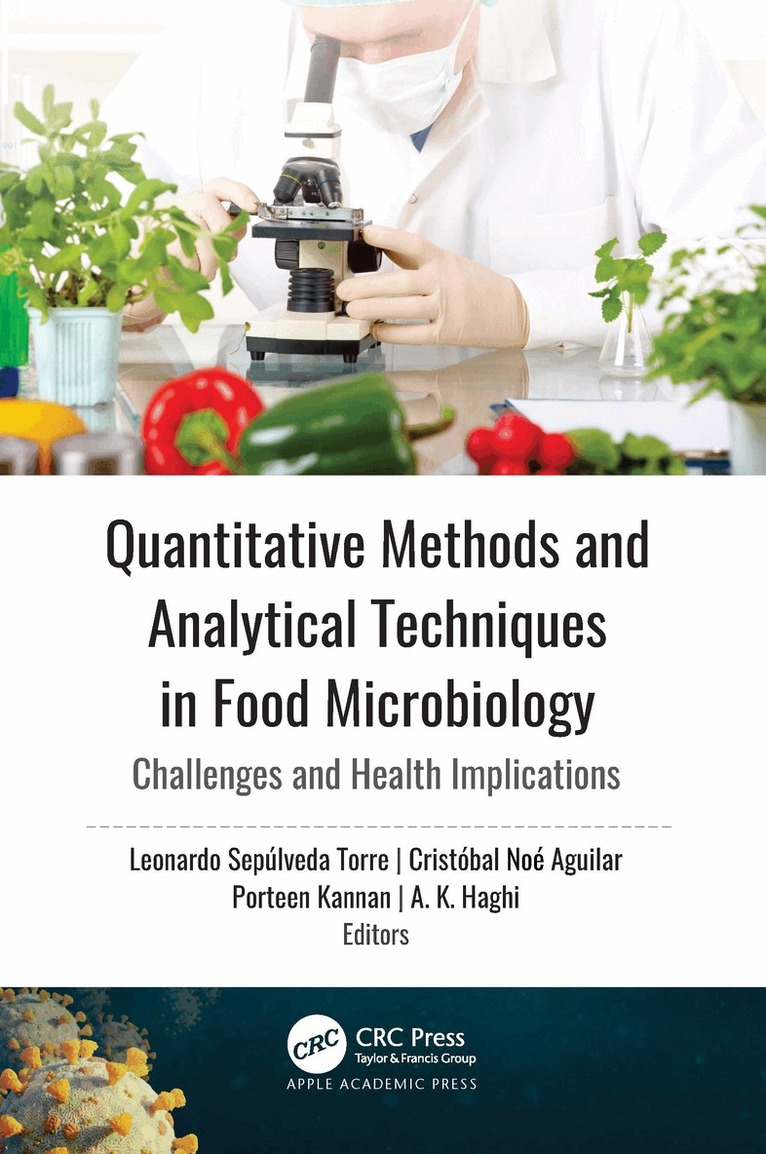
Quantitative Methods Quantitative Methods and Analytical Techniques in Food Microbiology: Challenges and Health Implications will be a valuable resource for scientists, researchers, faculty, students, and others in various sectors in food science and technology. The scope of food microbiology is highly inclusive, as it interacts with all subdisciplines of microbiology, such as public health microbiology, microbial genetics, fermentation technologies, microbial physiology and biochemistry, and food microbiologists have been at the forefront of many microbiological concepts and advances.
2 255 kr
Läs direkt efter köp
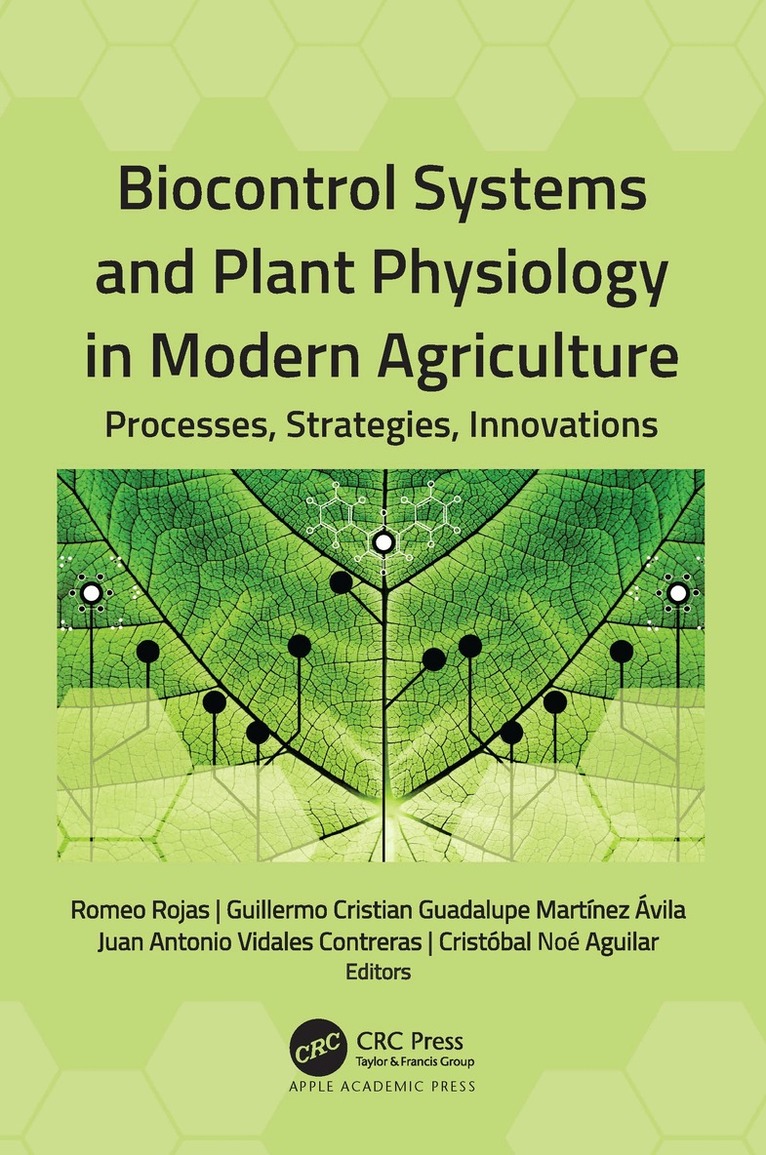
Biocontrol Systems and Plant Physiology in Modern Agriculture: Processes, Strategies, Innovations focuses on new production alternatives that do not include pesticides, herbicides, or chemicals for primary food production and instead rely on biologically controlled systems of production. The book also relates a number of advances and innovations in the use of agricultural technologies that employ the study of the physiology of plants to know their resistance to different environments in modern agriculture. The book presents research offering viable alternatives for the control of pests for safe food production that are environmentally friendly and that facilitate the reduction of production costs and improve the quality and yield of produce.
The volume addresses innovative biocontrol systems to reduce or eliminate the use of agrochemicals by controlling plant diseases by minimizing environmental damage through the use of antagonistic organisms. It also presents new strategies of cultivation that maximize production by optimizing light, temperature, humidity, nutrients and humidity in a controlled environment.
The diverse topics in the volume include botanical compounds as adjuvants as an alternative to reduce the pesticide use, on-site production of bio-control agents, plant factory systems that offer controlled safe environments for plant cultivation, promising bio-nematicides for sustainable agriculture, wastewater reclamation for agricultural purposes, the recovery of phytochemicals from plants, using LED lights on plants and microgreens production, and much more.
Covering the new trends in biological control, plant factories, and plant metabolism for application in modern agriculture, this volume provides important research and knowledge that facilitates environmentally friendly plant systems, advances the reduction of production costs, and improves the quality and yield of produce.
2 012 kr
Läs direkt efter köp
This volume provides up-to-date and detailed scientific information on recent developments and new approaches in food microbiology, focusing on microbial food pathogens. The volume presents the fundamental aspects of food and microorganisms, and also addresses food systems and measures to prevent and control food, foodborne diseases, etc.
According to the editors, every minute, there are about 50,000 cases of gastrointestinal diseases from food-mediated infections and food poisoning, and many individuals, especially children, die from these infections. The most important preventive measures are for the development and continuous implementation of effective interventions to improve overall food safety. The book helps to meet the challenge of food safety issues by focusing on the fundamental aspects of food and microorganisms. Each section consists of detailed information on the particular aspects of each topic, including basic microbiology, safety, pathogenic microorganisms, food conservation, sanitization, and hygiene procedures. The microbial diversity found in food is described from the classification by kingdoms and the main groups of microorganisms present in them. Although the main issue is microbial food pathogens, the book also covers another important aspect of food microbiology: food systems and measurements to prevent and control food, foodborne diseases, etc.
Quantitative Methods Quantitative Methods and Analytical Techniques in Food Microbiology: Challenges and Health Implications will be a valuable resource for scientists, researchers, faculty, students, and others in various sectors in food science and technology. The scope of food microbiology is highly inclusive, as it interacts with all subdisciplines of microbiology, such as public health microbiology, microbial genetics, fermentation technologies, microbial physiology and biochemistry, and food microbiologists have been at the forefront of many microbiological concepts and advances.
2 275 kr
Läs direkt efter köp
Biocontrol Systems and Plant Physiology in Modern Agriculture: Processes, Strategies, Innovations focuses on new production alternatives that do not include pesticides, herbicides, or chemicals for primary food production and instead rely on biologically controlled systems of production. The book also relates a number of advances and innovations in the use of agricultural technologies that employ the study of the physiology of plants to know their resistance to different environments in modern agriculture. The book presents research offering viable alternatives for the control of pests for safe food production that are environmentally friendly and that facilitate the reduction of production costs and improve the quality and yield of produce.
The volume addresses innovative biocontrol systems to reduce or eliminate the use of agrochemicals by controlling plant diseases by minimizing environmental damage through the use of antagonistic organisms. It also presents new strategies of cultivation that maximize production by optimizing light, temperature, humidity, nutrients and humidity in a controlled environment.
The diverse topics in the volume include botanical compounds as adjuvants as an alternative to reduce the pesticide use, on-site production of bio-control agents, plant factory systems that offer controlled safe environments for plant cultivation, promising bio-nematicides for sustainable agriculture, wastewater reclamation for agricultural purposes, the recovery of phytochemicals from plants, using LED lights on plants and microgreens production, and much more.
Covering the new trends in biological control, plant factories, and plant metabolism for application in modern agriculture, this volume provides important research and knowledge that facilitates environmentally friendly plant systems, advances the reduction of production costs, and improves the quality and yield of produce.
2 385 kr
Läs direkt efter köp
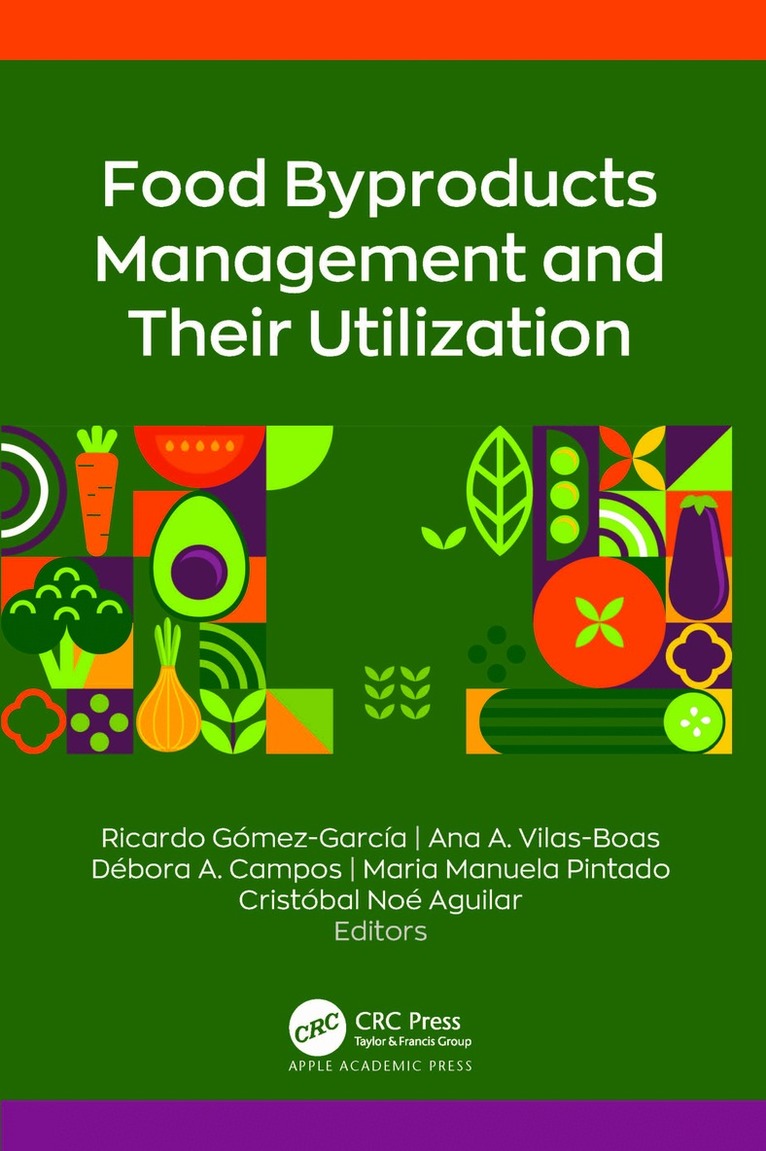
Food byproducts derived from industrial processing is a serious worldwide problem because it generates environmental pollution and results in significant food and economic losses from food waste. This new volume shows how food byproducts can be value-added renewable sources with the application of novel biotechnologies that avoid hazardous chemicals.
The volume discusses the importance of valorizing food wastes and illustrates their value-added properties for industry. It explains the significant progress in bioresources processing for compound extraction and production as well as the increasing interest of food ingredients development, in which health care, environment, and economics play an essential part in biotechnological research. It considers the waste byproducts of various crops, such as tomato, melon, maize, berries, soybean, coffee, and their uses in the generation of health-benefiting bioactive compounds. The volume goes on to explore the various biotechnological strategies to extract, produce, and recover bioactive compounds along with the cost-effectiveness of these methods.
Key features:
Describes technological aspects in consolidated processing and bioprocessing of food by-products Discusses technological aspects in biotechnology for food byproducts treatment and the richness of their biomolecules Looks at the nutraceutical and health benefit aspects of such biomolecules from food waste byproducts Provides attractive and sustainable methodologies for bioproduct extraction and recovery for industrial applicationThis volume, Food Byproducts Management and Their Utilization, presents strategies that are of interest in food engineering, green chemistry, biotechnology, and some other areas, while paying special attention to biorefinery approaches and new challenges that industries are dealing with in the era of sustainable development. It aims to encourage not only researchers but also governmental and enterprise sectors to recognize the value and applications of food byproducts and waste.
2 385 kr
Läs direkt efter köp
Food byproducts derived from industrial processing is a serious worldwide problem because it generates environmental pollution and results in significant food and economic losses from food waste. This new volume shows how food byproducts can be value-added renewable sources with the application of novel biotechnologies that avoid hazardous chemicals.
The volume discusses the importance of valorizing food wastes and illustrates their value-added properties for industry. It explains the significant progress in bioresources processing for compound extraction and production as well as the increasing interest of food ingredients development, in which health care, environment, and economics play an essential part in biotechnological research. It considers the waste byproducts of various crops, such as tomato, melon, maize, berries, soybean, coffee, and their uses in the generation of health-benefiting bioactive compounds. The volume goes on to explore the various biotechnological strategies to extract, produce, and recover bioactive compounds along with the cost-effectiveness of these methods.
Key features:
Describes technological aspects in consolidated processing and bioprocessing of food by-products Discusses technological aspects in biotechnology for food byproducts treatment and the richness of their biomolecules Looks at the nutraceutical and health benefit aspects of such biomolecules from food waste byproducts Provides attractive and sustainable methodologies for bioproduct extraction and recovery for industrial applicationThis volume, Food Byproducts Management and Their Utilization, presents strategies that are of interest in food engineering, green chemistry, biotechnology, and some other areas, while paying special attention to biorefinery approaches and new challenges that industries are dealing with in the era of sustainable development. It aims to encourage not only researchers but also governmental and enterprise sectors to recognize the value and applications of food byproducts and waste.