Laura Weiss Roberts – författare
551 kr
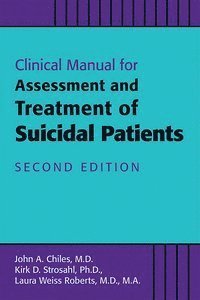
Detta är den självklara boken för alla som arbetar med potentiellt suicidala personer. Den kan revolutionera det svenska sättet att se på suicidprevention. En mycket välskriven och gedigen kunskapskälla, med konkreta behandlingsupplägg som bygger på det senaste inom suicidforskningen. Jag blir varm och glad över att se denna typ av kunskap paketeras så fint! Denna bok kan rädda liv!
Ludmilla Rosengren, leg. läkare med grundläggande utbildning i KBT och medgrundare till Suicide Zero.
Det finns ingen bok som varit så hjälpsam i mitt arbete med klienter som har komplexa problem. Att den äntligen kommer på svenska är otroligt viktigt och glädjande. Om du jobbar med suicidnära klienter, läs den!”
Thomas Gustavsson, leg. psykolog, verksam på Segesholms behandlingshem i Skåne.
Suicidala patienter är en efterfrågad handbok som här finns i en ny utgåva. Författarnas utgångsläge är att suicidalt beteende är ett farligt och kortsiktigt problemlösande beteende för att hantera intensiv känslomässig smärta. De tar upp akuta kriser, behandling inom primärvården och i psykiatrisk öppenvård respektive heldygnsvård, samt behandling av särskilda målgrupper som ungdomar, äldre och patienter med substansberoende eller psykos. Det praktiska förhållningssättet är grundat i ACT och KBT.Fackgranskning och svenskt förord av Johanna Morén, leg. psykolog, leg. psykoterapeut och handledare i KBT. Hon har även anpassat avsnittet om juridik till svenska förhållanden.
John A. Chiles är psykiater och professor emeritus på Institutionen för psykiatri och beteendevetenskap, University of Washington School of Medicine. Kirk D. Strosahl är fil.dr, leg. psykolog och chef för Heart Matters Consulting i Portland. Laura Weiss Roberts är psykiater, innehar professuren till minne av Katharine Dexter McCormick och Stanley McCormick samt är prefekt på Institutionen för psykiatri och beteendevetenskap vid Stanford University School of Medicine. Hon har även en masterexamen i filosofi.
2 558 kr
Skickas inom 10-15 vardagar
3 176 kr
Läs direkt efter köp
In the recent literature, the most influential case study books in neuropsychology are in the adult realm. Pediatric neuropsychology is a rapidly developing field with increasingly greater influence in the assessment, diagnosis, early identification, and treatment of childhood illnesses. This book will provide the first centralized, comprehensive resource for case studies in pediatric neuropsychology. Not only will this supply a valuable compilation for the growing numbers of professionals in this field, but will also serve as an innovative and appealing resource for therapists, teachers, and others interested in child development.
This book will be structured in such a way that readers can easily access individual cases of interest, as well as related areas of dysfunction. Section breakdowns will be provided in order to highlight the combined focus of case presentations in acquired neuropsychological dysfunction as well as developmental disorders. Each section will begin with an introductory chapter, highlighting the salient feature of the concept and providing brief, up to date reviews of the current research and theories. Within each global section, individual case studies will serve as stand-alone chapters. Contributing authors will be provided extensive guidance and coaching with regards to the standard format and information to be included in each chapter.
The first section of this book will present cases involving neurological disorders. The intention of this section is to provide not only “classic” examples of neurological dysfunction in children, but also to provide interesting cases of unique or remarkable presentations. The second section will present an accumulation of cases representing both common and progressive conceptualizations of developmental disabilities. Section three has been designed to highlight cases which often present complex issues to neuropsychologists. The case examples in this section will highlight the use ofalternative treatments, pathologies that are often a source of inquiry, and situations that lack the more rigorous scientific data often utilized in other diagnostic procedures. Additionally, this section may include chapters on common differential diagnosis dilemmas in clinical practice. Often multifaceted and even contradictory evidence can arise during evaluations, resulting in complex or problematic situations for the clinician. Such examples are difficult, by their nature, to forecast, but rather would be added during the book’s development, as they occur.
816 kr
Skickas inom 10-15 vardagar
2 558 kr
Skickas inom 10-15 vardagar
1 214 kr
Läs direkt efter köp
Attaining professional success and finding personal happiness in academic medicine is not an easy path, yet both are critical if the future is to be brighter through better science, better clinical care, better training, better responsiveness to communities, and better stewardship and leadership in the health professions. This concise, easy to read title consists of “mini” chapters intended as a resource to assist early- and middle-career physicians, clinicians, and scientists in understanding the unique mission of academic medicine and building creative, effective, and inspiring careers in academic health organizations. Organized in eight sections, the Guide covers such areas as finding your path in academic medicine, getting established at an institution, approaching work with colleagues, writing and reviewing manuscripts, conducting empirical research, developing administrative skills, advancing your academic career, and balancing your professional and personal life. Each chapter includes pointers and valuable career and “best practices” strategies in relation to the topic area. An exciting addition to the professional development literature, Achievement and Fulfillment in Academic Medicine: A Comprehensive Guide is an indispensable resource for anyone seeking to achieve a fulfilling career in academic medicine.
1 671 kr
Skickas inom 10-15 vardagar
1 622 kr
Läs direkt efter köp
1 227 kr
Skickas inom 10-15 vardagar
863 kr
Skickas inom 5-8 vardagar
993 kr
Skickas inom 5-8 vardagar
935 kr
Läs direkt efter köp
Physicians and psychiatrists typically see themselves as true professionals. But in the past, some displayed behavior far beneath the confines of professionalism, including exploding at nurses, not returning calls, or conducting insensitive interactions with patients, that was usually tolerated and seldom disciplined. Today, the rise of professionalism in medicine in general and psychiatry in particular has prompted a quiet revolution in how doctors are trained and how they are expected to behave in the workplace. The Accreditation Council for Graduate Medical Education (ACGME) has now advanced professionalism to be one of the core competencies all emerging practitioners must have.
While almost all physicians believe in professionalism, the movement toward making it a core competency has challenged doctors everywhere to accept the practice of monitoring, observing and assessing what is not always welcome in a field where autonomy is so highly valued. In Professionalism in Psychiatry, the authors identify and expand on professional behaviors, such as being a good team player, being accountable, pursuing improvement in an ongoing way, and behaving compassionately toward patients and families. The importance of treating all co-workers with respect and of being attuned to the management of healthcare resources in a way that reflects fairness and integrity is also thoroughly reviewed. Important features of this book are: Tailoring professionalism principles from medicine to the unique features of psychiatry in order to enhance educators'' teaching and improve the behaviors of psychiatrists and residents in the work setting. Development of guidelines for professionalism in cyberspace to provide psychiatrists with an ethical framework for dealing with patients in the online realm. Discussion of the ethical principles that apply when academic departments approach donors. Focus on cultural competency and empathy in an effort to improve patient care through greater understanding and sensitivity to ethnic, racial, gender and sexual orientation issues encountered in clinical practice. Use of numerous clinical examples to articulate the new professionalism in psychiatry, which illustrates the importance of going beyond "one size fits all" thinking.
Professionalism in Psychiatry is an important contribution toward beginning to characterize the ever-evolving professional behaviors and clinical strategies of the contemporary psychiatrist and place them in a systematic framework.
233 kr
Läs direkt efter köp
977 kr
Skickas inom 5-8 vardagar
879 kr
Skickas inom 5-8 vardagar
830 kr
Skickas inom 5-8 vardagar
1 036 kr
Läs direkt efter köp
In the video above, listen to the author, Dr. Roberts, discuss with Chief of Staff John M. Oldham the challenges that medical residents face in managing their own mental health and wellbeing.
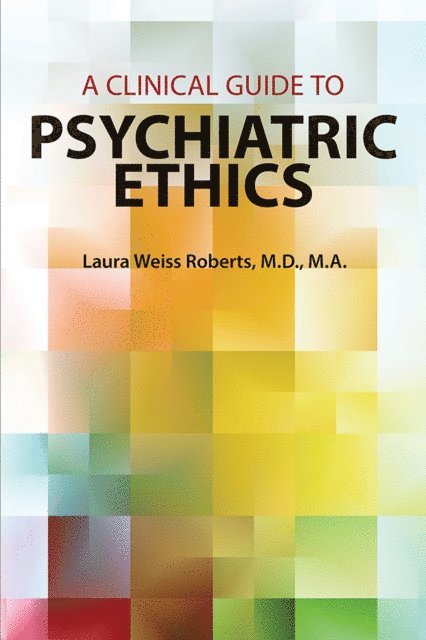
Professional ethics and decision making have become areas of heightened critical inquiry, as well as matters of normal but challenging psychiatric practice. Informed by the extensive clinical experience of the author and guest contributors, A Clinical Guide to Psychiatric Ethics approaches the ethical aspects of mental health care -- both subtle and dramatic -- with clarity, coherence, and optimism. This engaging text functions as both a review and a guide to issues on the horizon, as well as those encountered every day. The Guide achieves these objectives by employing several strategic features: Structured logically into three parts (Fundamentals, Caring for Special Populations, and Evolving Topics), the book takes the reader from the general to the specific and from the traditional to the emergent. Case scenarios at the end of each chapter not only focus the individual reader on the chapter''s concepts and issues, but also may be used in independent study or small-group discussions. The text emphasizes real experience over remote theories, attuning readers to clinical realities with keen sensitivity. It does not offer simple answers, but provides guideposts to impart information, foster skill development, and encourage openness, collaboration, and self-reflection among both veteran clinicians and trainees. Significant focus is given to the care of individuals from distinct populations (e.g., children and veterans) and care occurring in unique contexts (e.g., small communities), underscoring the book''s broad usefulness.
The material is thoroughly current, aided by useful lists, tables, and figures to enhance its accessibility. A Clinical Guide to Psychiatric Ethics provides a trustworthy compass and expert companion for those traveling with their patients along the ethical frontier of mental illness.
797 kr
Skickas inom 5-8 vardagar
953 kr
Läs direkt efter köp
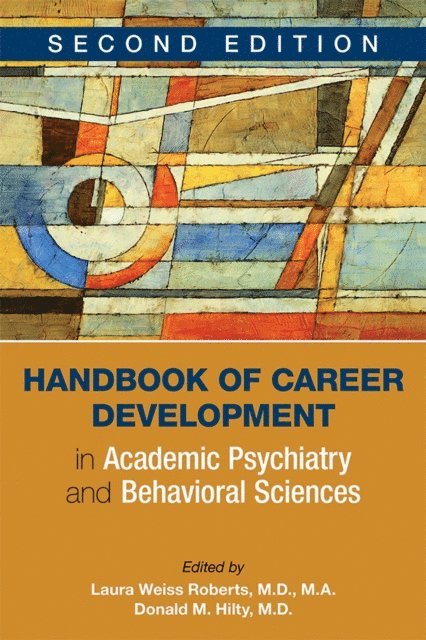
Working in academic psychiatry is fulfilling, replete with extraordinary colleagues and inspiring opportunities for meaningful work and professional growth. Even so, getting started in an academic career can be a bit unsettling. After years of education, a new faculty member may feel unprepared for the everyday duties associated with a different academic role -- negotiating with the chair, writing letters of recommendation for students, participating on committees with colleagues, and balancing personal and professional life.
The Handbook of Career Development in Academic Psychiatry and Behavioral Sciences, Second Edition, provides real-world advice with compassion. Readers will find just what they need when they need it: step-by-step guidance to approaching the tasks and challenges that face them, questions to discuss with mentors and colleagues, and professionally vetted online career development resources. Readers will also hear the voice of sympathetic, experienced academic clinicians who share how best to navigate challenging situations encountered in academic settings. Each chapter features: Smart Strategies: A list of specific actions readers can take to reach their professional goals Questions to Discuss with a Mentor or a Colleague: A list of questions that simplifies and normalizes the process of soliciting career advice and assistance Additional Resources: A collection of the most recent and innovative websites, books, and articles that will assist readers on their career path, even after they''ve finished reading the book
Readers who seek out the advice in this book will find that they are better equipped to forge their academic careers -- and flourish.
2 994 kr
Skickas inom 5-8 vardagar
808 kr
Skickas inom 5-8 vardagar
901 kr
Läs direkt efter köp
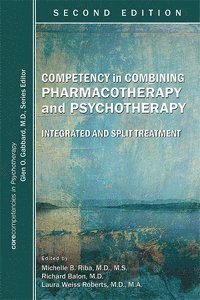
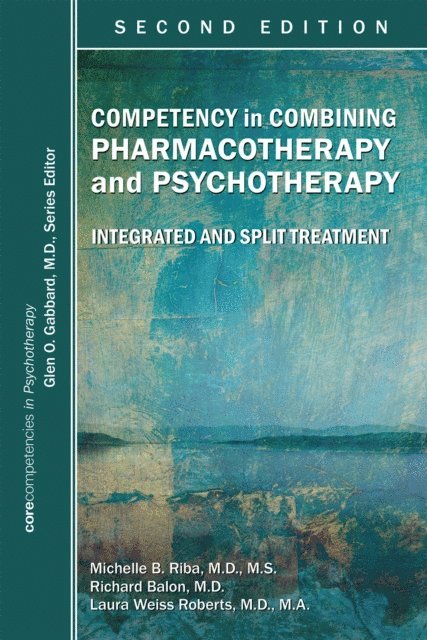
Most clinicians endorse the combination of pharmacotherapy and psychotherapy as more effective and beneficial than each modality alone, but combining these treatments can be a complicated and highly variable process.
Competency in Combining Pharmacotherapy and Psychotherapy: Integrated and Split Treatment is designed to help psychiatrists at any stage of their career achieve competency in combining and coordinating pharmacotherapeutic and psychotherapeutic treatments for the benefit of their patients.
This guide, now in its updated, second edition, addresses both integrated (single clinician) and split/collaborative (multiple clinicians) treatments, discussing for each: The selection of medication and psychotherapy The patient evaluation and opening Sequencing Evaluating, monitoring, and supervising treatment Terminating and transitioning patient care
The book also offers a chapter -- new to this second edition -- that focuses on primary care access for mental health services in the context of integrated and split/collaborative care.
The rapid transformation of clinical care models in new health systems means that competence in integrated and split/collaborative care is absolutely vital for long-established clinicians as well as for psychiatric professionals in the early stages of their careers.
Competency in Combining Pharmacotherapy and Psychotherapy offers an unrivaled introduction to the complex process of combining medication and psychosocial treatments, clearly defining the competencies of combining two modalities. Psychiatric educators should note that this resource relates to all six main competencies of the Accreditation Council for Graduate Medical Education: patient care and procedural skills, medical knowledge, practice-based learning and improvement, interpersonal and communication skills, professionalism, and systems-based practice.
865 kr
Läs direkt efter köp
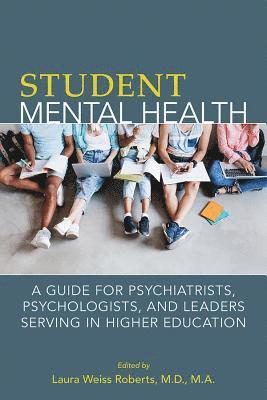
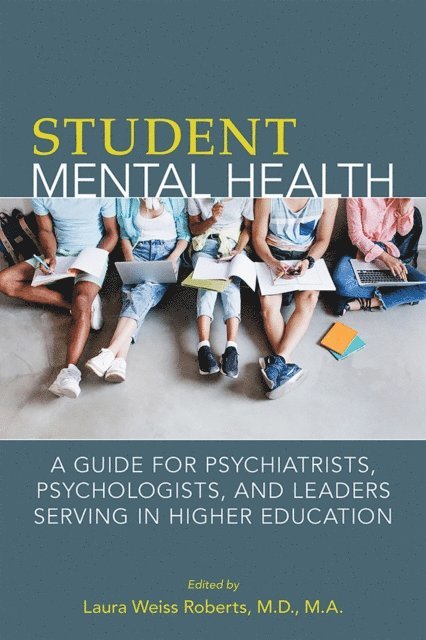
Student Mental Health: A Guide for Psychiatrists, Psychologists, and Leaders Serving in Higher Education is the result of a sustained and multidisciplinary collaboration of scholars, leaders, clinicians, and educators who are deeply committed to student health and well-being. The needs of young people today are quite different from those of even 5 years ago, and this book pays great attention to the specific issues encountered in caring for today''s students who experience distress or develop significant mental health conditions. Such issues, including suicidality, newly emergent psychosis, problems associated with substance misuse, the health risks of eating disorders, and the devastation of sexual assault, can challenge even the most experienced clinician. These topics and others related to safety, respect, conflict, and connection on campus, as well as students'' evolving relationships with family, friends, and romantic partners, are covered with sensitivity and skill.
The book offers many features that deepen awareness and enhance learning:
Chapters offer student case examples that illustrate the concepts and strategies discussed in the text, allowing readers to readily apply their newly acquired knowledge to real-life scenarios. The experiences, mental health, and well-being of distinct, vitally important, and often overlooked student populations, such as student athletes, graduate students, students of color, LGBTQ students, students who are the first in their families to attend college, students who are veterans or active military, and medical students, are addressed. Positive self-care -- for both students and the clinicians who work with them -- is emphasized. For example, activities and habits related to sleep, nutrition, and exercise are outlined in hopes they will become lifelong self-management strategies for students, while effective measures to prevent emotional exhaustion in clinicians are also highlighted in the text. Chapters incorporate features designed to promote learning: Key points offer quick summaries of chapter content; recommendations serve as reminders for best practices; and discussion questions provide thought-provoking approaches to the material for the reader''s further reflection, development, and improvement.
At a time when students -- whether in college, graduate school, or professional training -- are experiencing unprecedented levels of stress and distress, the need for guidance that is comprehensive, compassionate, constructive, and culturally sensitive has never been greater. Student Mental Health brings understanding and clinical acumen to bear on the complex problems of this vulnerable group.
901 kr
Läs direkt efter köp
Since the first edition of Clinical Manual for Assessment and Treatment of Suicidal Patients was published in 2005, advances have been made that increase our understanding of suicidal and self-destructive behavior. Although clinicians cannot unerringly predict which patients will die by suicide, they can focus more successfully on early identification of suicidal behavior and effective intervention, and this new edition of the clinical manual thoroughly explores not only assessment of suicidality but what comes after an at-risk patient has been identified. The authors argue that treating specific psychiatric disorders is not enough to prevent suicide, and they offer clinicians the necessary information and strategies to bridge that gap. The authors'' main premise is that suicide is a dangerous and short-term problem-solving behavior designed to regulate or eliminate intense emotional pain -- a quick fix where a long-term effective solution is needed -- and this understanding is the underpinning of the assessment and treatment strategies the authors recommend.
The content of this new edition has been thoroughly reviewed and revised, and substantive changes have been made to specific chapters to ensure that the book represents the most current thinking and research, while retaining the strengths of the previous edition. The chapter on assessment has been revised to put the fundamental components of effective treatment in a clinical, case-oriented context and includes an easy-to-use assessment protocol that allows clinicians to determine where individual patients stand on seven dimensions (cognitive rigidity, problem-solving deficits, heightened mental pain, emotionally avoidant coping style, interpersonal deficits, self-control deficits, and environmental stress and social support deficits). The many issues involved in the use of psychotropic medications in suicidal patients are addressed in a new chapter, which includes information on the relevant classes of drugs (such as antidepressants and antianxiety agents) and the issues that may arise with their use, including side effects, degree of lethality, and tendency to aggravate suicidality on introduction and withdrawal of the medication. The chapter on special populations has been expanded to include adolescents, elders, and patients with co-occurring substance abuse or psychosis. Because of additional vulnerabilities, treating these groups may call for the use of added or special techniques to ensure the best therapeutic outcomes. Primary care physicians are the first point of contact for many patients, and they may require additional preparation in order to assess and respond to those experiencing suicidal thoughts. The chapter "Suicidal Patients in Primary Care" explores strategies for screening, recognizing, and assessing risk; treating the initial crisis; and developing a crisis management plan. "Tips for Success" appear at intervals, and "The Essentials" are included at the end of each chapter, highlighting the most important concepts. In addition, there are scores of helpful charts and exercises.
Practical, accessible, and reader-friendly, the Clinical Manual for Assessment and Treatment of Suicidal Patients is not an academic book but rather is one designed to become an indispensable part of clinicians'' working libraries.
700 kr
Skickas inom 5-8 vardagar
895 kr
Skickas inom 5-8 vardagar
3 809 kr
Läs direkt efter köp
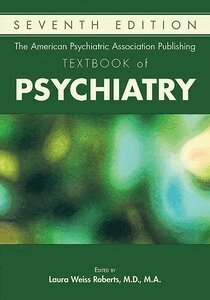
The American Psychiatric Association Publishing Textbook of Psychiatry, first published more than 30 years ago, is a landmark text with a legacy of sound scholarship, expert knowledge, and effective pedagogy. Thoroughly revised and featuring new authors and content, the seventh edition raises the bar, adding age-related, cultural, societal, and population considerations in the practice of psychiatry to the authoritative text that generations of students, residents, and clinicians have heretofore relied upon. The book first focuses on foundational knowledge, with chapters on psychiatric interviewing, diagnostic formulation, developmental assessment, laboratory testing and neuroimaging, and ethical and legal aspects of clinical psychiatry, and then proceeds to a full presentation of psychiatric disorders in alignment with DSM-5. The third section offers an overview of treatment strategies and methods in present-day psychiatry, a combination of evidence-based biological interventions and psychotherapies, and gives a clear sense of exciting new directions in psychiatric therapeutics. The final section of the textbook is focused on the care of special patient populations, including women; children and adolescents; lesbian, gay, bisexual, and transgender individuals; older adults; and culturally diverse individuals.
Many topics are new to this volume, including the following: Suicide risk assessment, a critically important subject, is addressed in a new chapter that provides the reader with up-to-date knowledge needed to conduct a thorough, attuned, and accurate psychiatric interview in line with best practices. A new chapter on the social determinants of mental health has been added, reflecting an increased emphasis on populations whose specific concerns have been historically underappreciated in American psychiatry, and illuminating factors that influence mental health needs and barriers to care in specific patient populations. Precision psychiatry, an integrative approach that pulls together the scientific foundation of the discipline and recent technological advances and directs them toward closing the gap between discovery and clinical translation, is explored in a new chapter. E-health strategies in mental health have become increasingly available to psychiatrists and other health professionals, especially in the mobile and monitoring spheres. A new chapter offers insights into these intriguing new options for delivering treatment. A chapter on complementary and integrative therapies explores the integration of conventional medicine with alternative treatments for which there is an evidence base, providing an overview of nutrients, phytomedicines, hormones, mind--body practices, and electromagnetic treatments.
With features such as key clinical points and recommended readings for further study, The American Psychiatric Association Publishing Textbook of Psychiatry is a comprehensive course book, an indispensable reference, and the ultimate resource for clinical care.
970 kr
Läs direkt efter köp
The domain of supportive psychotherapy has expanded in recent years, reflecting changes in how psychotherapy is conducted and the role psychotherapy plays in caring for individuals facing difficult life experiences or living with diverse mental and physical disorders. This new, thoroughly revised and up-to-date edition of Learning Supportive Psychotherapy: An Illustrated Guide (first published as Introduction to Supportive Psychotherapy) instructs beginning psychotherapists in the fundamentals of this treatment modality, which focuses on patients'' overall health and well-being and their ability to adapt constructively to their life circumstances.
The linchpin of supportive psychotherapy -- and, indeed, all psychotherapy -- is the establishment of a true therapeutic alliance. Accordingly, the authors provide readers with skills aimed at instilling trust and establishing a productive therapeutic relationship, including techniques for alliance building, enhancing ego functioning, and reducing and preventing anxiety. In addition, the authors explore the general framework of supportive psychotherapy, including indications, phases of treatment, initiation and termination of sessions, and professional boundaries; explain how to perform a thorough patient evaluation and case formulation; and describe the process of setting realistic goals with the patient.
The following features and areas of focus enhance the book''s utility: Integral to the text''s practical approach are the video case vignettes that accompany several of the chapters. These videos model effective psychotherapeutic techniques and strategies, which readers can incorporate into their skill sets. The chapter on crisis intervention has been thoroughly revised to integrate recent research findings on posttraumatic stress disorder, suicide, and critical incident stress management, and the illustrative multipart case vignette provides a therapeutic narrative that is compelling, relatable, and instructive. The material on the therapeutic alliance focuses on skill building, including how to anticipate and avoid disruption in treatment, how to discuss the therapeutic relationship with the patient, how to modify distorted perceptions using clarification and confrontation, how to deal with negative transference and therapeutic impasses, and how to reframe statements in a supportive manner. Outcome research receives its own chapter, in which the authors review the robust evidence base for the efficacy of supportive psychotherapy, including a number of outcome trials, bolstering the necessity of learning the techniques outlined in the book. The book concludes with 75 questions and answers to test the reader''s comprehension and identify areas for further study.
This new edition of Learning Supportive Psychotherapy: An Illustrated Guide builds on the well-earned reputation of previous editions. Beginning clinicians first learning the techniques of psychotherapy and veterans who must assess competence in the psychiatry residents they supervise will find the help they need in this down-to-earth, clinically rich guide.
762 kr
Läs direkt efter köp
Although data exist to support the notion that physician self-care is correlated with patient care, the culture of medicine has traditionally valued the ideals of self-sacrifice and perfectionism -- often to the detriment of clinicians themselves.
Professional Well-Being: Enhancing Wellness Among Psychiatrists, Psychologists, and Mental Health Clinicians, the result of a collaboration by several psychologists and psychiatrists in the School of Medicine at Stanford University, posits a new culture, one that is supportive of the health and well-being of health care professionals and the patients and populations they serve.
The book''s first section examines individual and systemic barriers to professional well-being, chronicling the unique challenges faced by health care providers at different stages of professional and personal development. Detailed case studies and vignettes illustrate effective methods for reducing burnout while also enhancing professional fulfillment. Thought-provoking discussion questions encourage readers to focus on implementation tactics applicable to their own health care practices.
Part II discusses personal resilience and realistic strategies -- from the mental and social to the physical -- to improve well-being. Specific exercises encourage mental health professionals to engage in pragmatic action for improved personal and professional well-being.
Throughout the book, a wealth of tables and figures illustrate important points. The inclusion of "positive practices" and recommended readings offers readers the opportunity to integrate what they have learned and to expand their study.
Patients benefit when treated by clinicians who value and model self-care. Professional Well-Being outlines for mental health care providers, including psychiatrists, psychologists, mental health clinicians, and trainees, how to become such a professional.
720 kr
Skickas