Leo M. L. Nollet - Böcker
Visar alla böcker från författaren Leo M. L. Nollet. Handla med fri frakt och snabb leverans.
10 produkter
10 produkter
8 937 kr
Skickas inom 11-20 vardagar
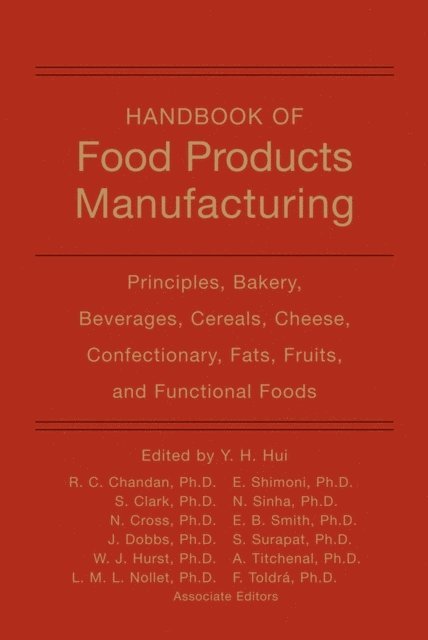
The Handbook of Food Products Manufacturing is a definitive master reference, providing an overview of food manufacturing in general, and then covering the processing and manufacturing of more than 100 of the most common food products. With editors and contributors from 24 countries in North America, Europe, and Asia, this guide provides international expertise and a truly global perspective on food manufacturing.
4 059 kr
Skickas inom 11-20 vardagar
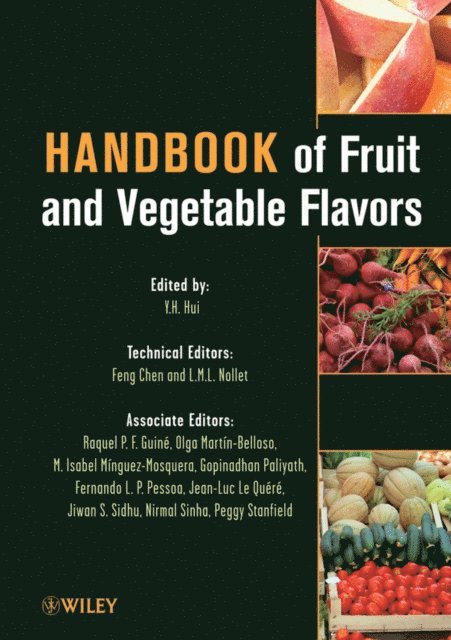
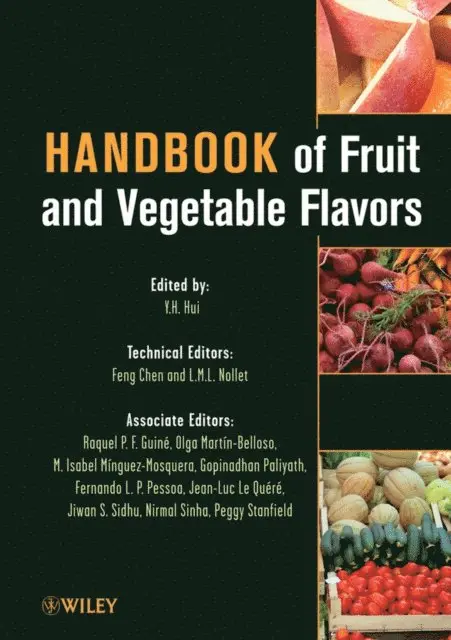
HANDBOOK of Fruit and Vegetable Flavors A global PERSPECTIVE on the latest SCIENCE, TECHNOLOGY, and APPLICATIONS The demand for new flavors continues to rise. Today’s consumers want interesting, healthy, pleasurable, and exciting taste experiences, creating new challenges for today’s food and flavor scientists. Fortunately, they can turn to this comprehensive reference on the flavor science and technology of fruits, vegetables, spices, and oils for guidance on everything from basic science to new technologies to commercialization. Handbook of Fruit and Vegetable Flavors is divided into two sections. The first section, dedicated to fruit flavor, is organized into five parts: Part I: Biology, Chemistry, and PhysiochemistryPart II: BiotechnologyPart III: Analytic Methodology and Chemical CharacterizationsPart IV: Flavors for Fruit CommoditiesPart V: Flavors of Selected Dried Fruits The second section, dedicated to vegetable flavor, is divided into two parts, covering biology, chemistry, physiochemistry, and biotechnology in the first part and flavor for vegetable commodities in the second part. Both the fruit flavor and vegetable flavor sections provide detailed coverage of such important topics as processing, extraction, flavor biosynthesis, and genetic engineering. Moreover, readers will find important details on regulations and requirements governing flavor additives as well as sanitation and safety in flavor manufacturing. Each of the chapters has been written by one or more leading experts in food and flavor science. The authors represent more than ten countries, giving food and flavor scientists a unique global perspective on the latest flavor science, technology, and applications.

2 390 kr
Skickas inom 7-10 vardagar
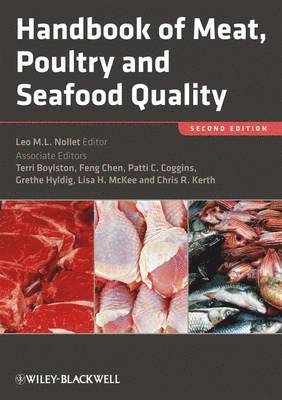
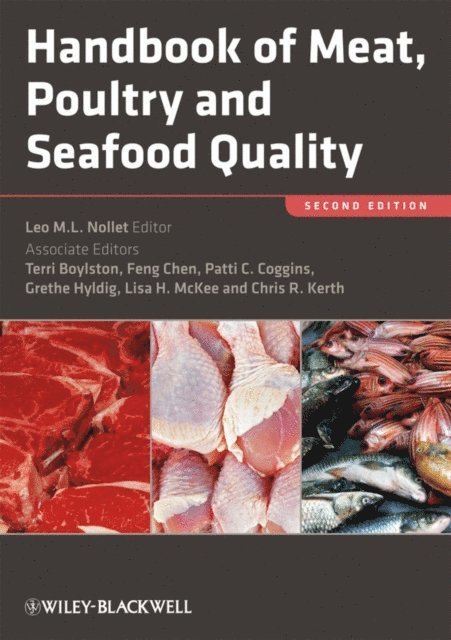
A great need exists for valuable information on factors affecting the quality of animal related products. The second edition of Handbook of Meat, Poultry and Seafood Quality, focuses exclusively on quality aspects of products of animal origin, in depth discussions and recent developments in beef, pork, poultry, and seafood quality, updated sensory evaluation of different meat products, revised microbiological aspects of different meat products. Also, included are new chapters on packaging, new chapters and discussion of fresh and frozen products, new aspects of shelf life and recent developments in research of meat tainting. This second edition is a single source for up-to-date and key information on all aspects of quality parameters of muscle foods is a must have. The reader will have at hand in one focused volume covering key information on muscle foods quality.
2 978 kr
Skickas inom 7-10 vardagar
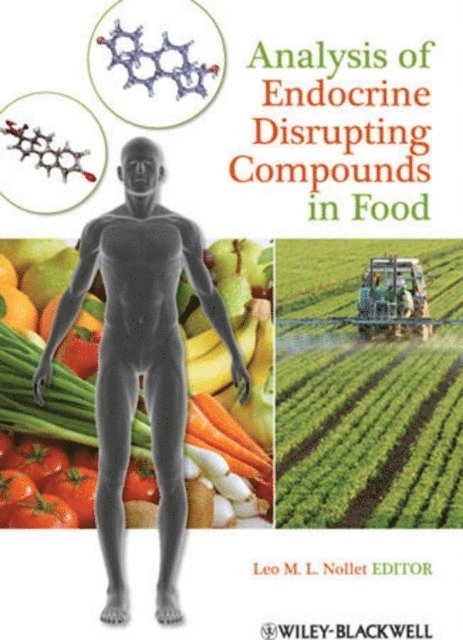
Analysis of Endocrine Disrupting Compounds in Food provides a unique and comprehensive professional reference source covering most of the recent analytical methodology of endocrine disrupting compounds in food. Editor Nollet and his broad team of international contributors address the most recent advances in analysis of endocrine disrupting chemicals in food. While covering conventional (typically lab-based) methods of analysis, the book focuses on leading-edge technologies that recently have been introduced. The book looks at areas such as food quality assurance and safety. Issues such as persistent organic pollutants, monitoring pesticide and herbicide residues in food, determining heavy and other metals in food and discussing the impacts of dioxins, PCBs, PCDFs and many other suspected chemicals are covered. The book discusses the relationship between chemical compounds and hormone activity. What are the health impacts of different chemical compounds for men and animals? How are these compounds entering in foodstuffs? Analysis of Endocrine Disrupting Compounds in Food offers the food professional what its title promises – a compendium of sample preparation and analysis techniques of possible endocrine disrupting compounds in food.Special Features: Uniquely concentrates on analysis and detection methods of EDCs in foodstuffsExtensive coverage of the main types of globally available analytical techniques and methodologiesFully detailed properties, sample procedures, and analysis steps for each EDCRenowned editor Leo Nollet leads a broad team of international experts
Transformation Products of Emerging Contaminants in the Environment
Analysis, Processes, Occurrence, Effects and Risks
Inbunden, Engelska, 2014
3 774 kr
Skickas inom 11-20 vardagar
Over the last 15 years, the focus of chemical pollution has shifted from conventional pollutants to so-called “emerging” or “new” unregulated contaminants. These include pharmaceuticals and personal care products, hormones, UV filters, perfluorinated compounds, poylybrominated flame retardants (BFRs), pesticides, plasticizers, artificial sweeteners, illicit drugs, and endocrine disruptor compounds (EDCs). Despite the increasing number of published studies covering emerging contaminants, we know almost nothing about the effects of their transformation products and/or metabolites.This two-volume set provides a unique collection of research on transformation products, their occurrence, fate and risks in the environment. It contains 32 chapters, organised into 7 parts, each with a distinct focus: • General Considerations • Transformation Processes and Treatment Strategies • Analytical Strategies • Occurrence, Fate and Effects in the Environment • Global Speciality and Environmental Status • Risk Assessment, Management and Regulatory Framework • OutlookTransformation Products of Emerging Contaminants in the Environment is a valuable resource for researchers and industry professionals in environmental chemistry, analytical chemistry, ecotoxicology, environmental sciences, and hydrology, as well as environmental consultants and regulatory bodies.
2 337 kr
Skickas inom 11-20 vardagar
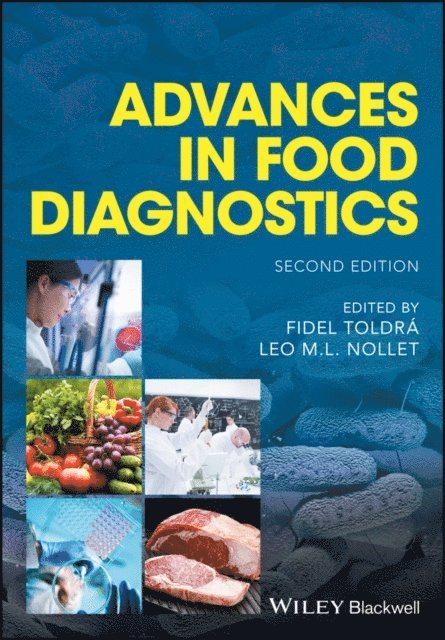
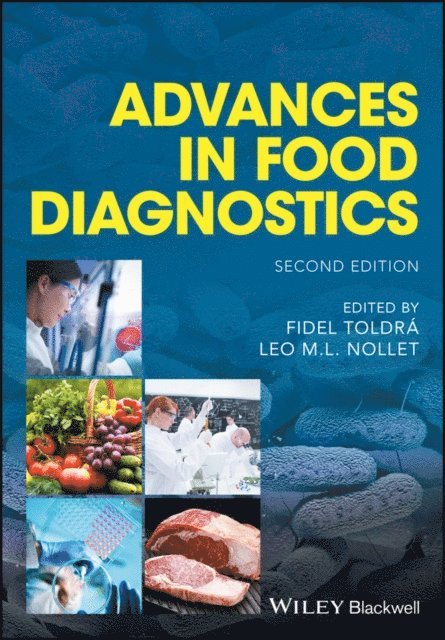
Still the most up-to-date, comprehensive, and authoritative book on food diagnostics availableFeaturing seven entirely new chapters, the second edition of this critically acclaimed guide has been extensively revised and updated. Once again delivering food professionals the latest advances in food diagnostics and analysis, the book approaches the topic in several different ways: reviewing novel technologies to evaluate fresh products; describing and analysing in depth specific modern diagnostics; providing analyses of data processing; and discussing global marketing, with insights into future trends. Written by an international team of experts, this volume not only covers most conventional lab-based analytical methods, but also focuses on leading-edge technologies which are being or are about to be introduced.Advances in Food Diagnostics, Second Edition: Covers ultrasound, RMN, chromatography, electronic noses, immunology, GMO detection and microbiological and molecular methodologies for rapid detection of pathogensExplores the principles and applications of immunodiagnostics in food safety and the use of molecular biology to detect and characterize foodborne pathogensIncludes DNA-based and protein-based technologies to detect and identify genetically-modified food or food componentsFocuses on the translation of diagnostics tests from bench to the market in order to illustrate the benefits to the food industryProvides an overview of the business end of food diagnostics; identifying the markets, delineating the sellers and the buyers, comparing current technology with traditional methods, certifying operations and procedures, and analysing diagnostic devices within the food and related industriesThis is an indispensable resource for food scientists, food quality analysts, food microbiologists and food safety professionals. It also belongs on the reference shelves of labs conducting food diagnostics for the analysis of the sensory, quality and safety aspects of food.
1 578 kr
Skickas inom 10-15 vardagar
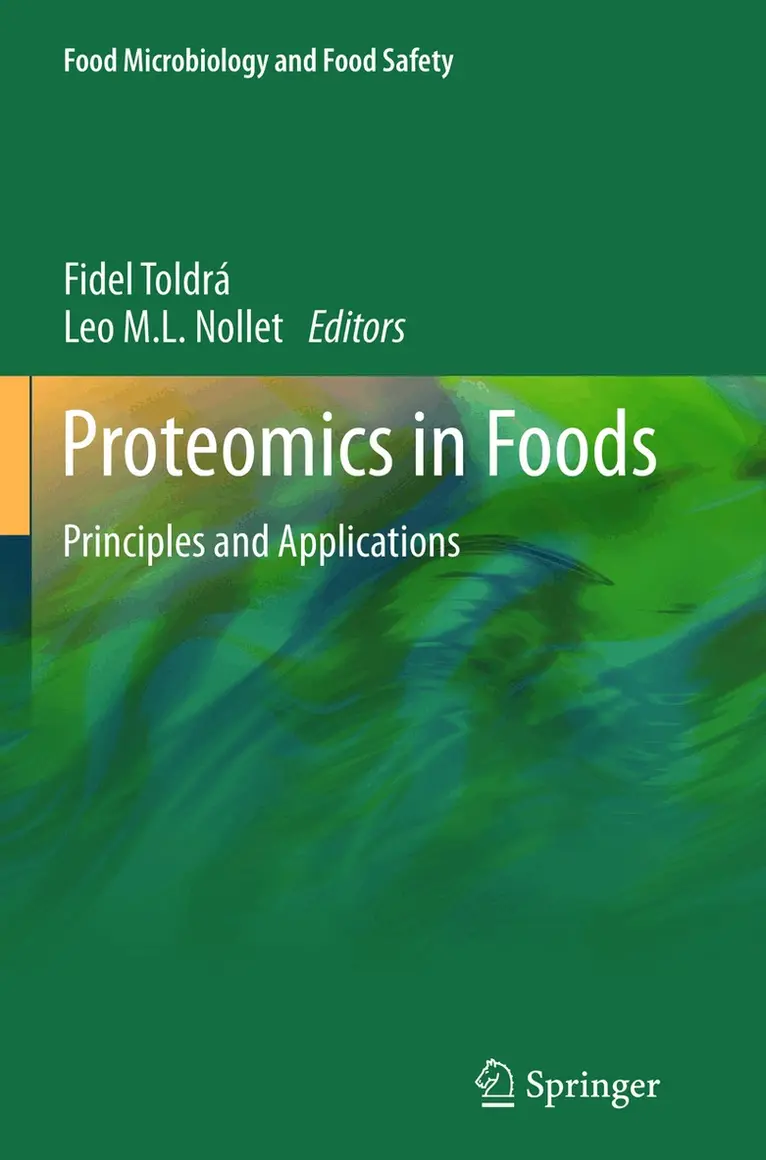
Food proteomics is one of the most dynamic and fast-developing areas in food science. The goal of this book is to be a reference guide on the principles and the current and future potential applications of proteomics in food science and technology. More specifically, the book will discuss recent developments and the expected trends of the near future in food proteomics. The book will be divided into two parts. The first part (7 chapters) will focus on the basic principles for proteomics, e.g., sample preparation, such as extraction and separation techniques, analytical instrumentation currently in use, and available databases for peptide and protein identification. The second part of the book (26 chapters) will focus on applications in foods. It will deal with quality issues related to post-mortem processes in animal foods and quality traits for all foods in general, as well as the identification of bioactive peptides and proteins, which are very important from the nutritional point of view. Furthermore, consumers are now extremely susceptible to food safety issues, and proteomics can provide reassurance with different safety aspects, such as food authenticity, detection of animal species in the food, and identification of food allergens. All of these issues will be covered in this book. It is also worth noting that both editors are internationally recognized experts in the field of food science, and both have edited numerous food science books and handbooks.
1 657 kr
Tillfälligt slut
1 170 kr
Skickas inom 10-15 vardagar
Food proteomics is one of the most dynamic and fast-developing areas in food science. Furthermore, consumers are now extremely susceptible to food safety issues, and proteomics can provide reassurance with different safety aspects, such as food authenticity, detection of animal species in the food, and identification of food allergens.
2 692 kr
Skickas inom 10-15 vardagar
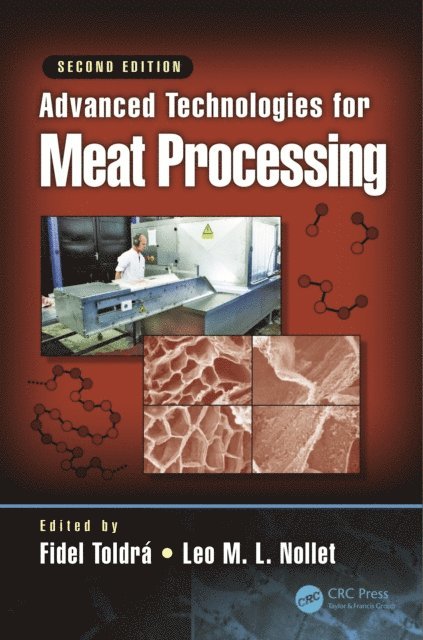
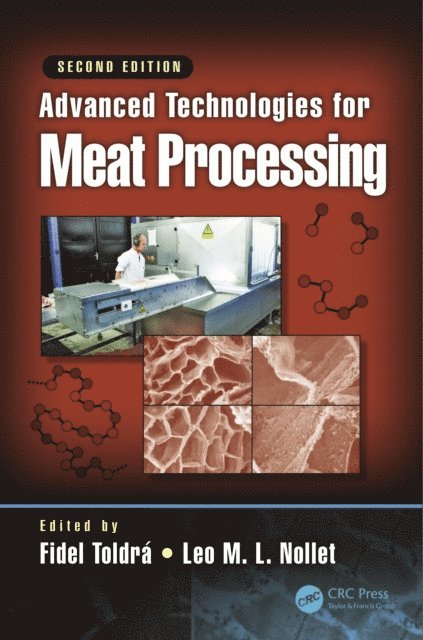
As with the first edition, the main goal of Advanced Technologies for Meat Processing is to provide the reader with recent developments in new advanced technologies for the full meat- processing chain. This book is written by distinguished international contributors with recognized expertise and excellent reputations, and brings together all the advances in a wide and varied number of technologies that are applied in different stages of meat processing. This second edition contains 21 chapters, combining updated and revised versions of several chapters with entirely new chapters that deal with new online monitoring techniques like hyperspectral imaging and Raman spectroscopy, the use of nanotechnology for sensor devices or new packaging materials and the application of omics technologies like nutrigenomics and proteomics for meat quality and nutrition. The book starts with the control and traceability of genetically modified farm animals, followed by four chapters reporting the use of online non-destructive monitoring techniques like hyperspectral imaging and Raman spectroscopy, real-time PCR for pathogens detection, and nanotechnology-based sensors. Then, five chapters describe different advanced technologies for meat decontamination, such as irradiation, hydrostatic and hydrodynamic pressure processing, other non-thermal technologies, and the reduction in contaminants generation. Nutrigenomics in animal nutrition and production is the object of a chapter that is followed by five chapters dealing with nutritional-related issues like bioactive peptides, functional meats, fat and salt reduction, processing of nitrite-free products, and the use of proteomics for the improved processing of dry-cured meats. The last four chapters are reporting the latest developments in bacteriocins against meat-borne pathogens, the functionality of bacterial starters, modified atmosphere packaging and the use of new nanotechnology-based materials for intelligent and edible packaging.