Sekhar Bandyopadhyay – författare
Visar alla böcker från författaren Sekhar Bandyopadhyay. Handla med fri frakt och snabb leverans.
25 produkter
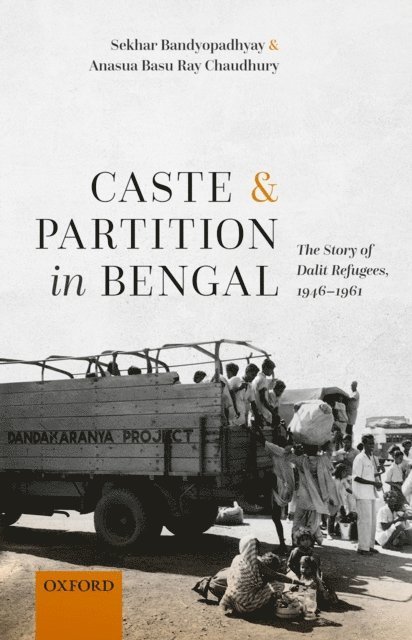
Caste and Partition in Bengal
The Story of Dalit Refugees, 1946-1961
Av Anasua Basu Ray Chaudhury, Sekhar Bandyopadhyay
E-bok, 2022
1416 kr
Lägg i varukorg
The book seeks to situate caste as a discursive category in the discussion of Partition in Bengal. In conventional narratives of Partition, the role of the Dalit or the Scheduled Castes is either completely ignored or mentioned in passing. The authors addresse this discursive absence and argues …
Caste and Partition in Bengal
The Story of Dalit Refugees, 1946-1961
Av Anasua Basu Ray Chaudhury, Sekhar Bandyopadhyay
E-bok, 2022
1416 kr
Lägg i varukorg
The book seeks to situate caste as a discursive category in the discussion of Partition in Bengal. In conventional narratives of Partition, the role of the Dalit or the Scheduled Castes is either completely ignored or mentioned in passing. The authors addresse this discursive absence and argues …
Caste and Partition in Bengal
The Story of Dalit Refugees, 1946-1961
Av Sekhar Bandyopadhyay, Anasua Basu Ray Chaudhury
Inbunden, 2022
2045 kr
Lägg i varukorg
The book seeks to situate caste as a discursive category in the discussion of Partition in Bengal. In conventional narratives of Partition, the role of the Dalit or the Scheduled Castes is either completely ignored or mentioned in passing. The authors addresse this discursive absence and argues …
Religion and Modernity in India
Av Sekhar Bandyopadhyay, Sekhar Bandyopadhyay m. fl.
Inbunden, 2017
520 kr
Lägg i varukorg
Modernity, which emphasizes the relegation of religion firmly to an individual's private life, is a challenging idea for any culture. In India it faces a particularly unusual problem: the persistence of numerous traditional and religious practices means that religion and modernity co-habit here in …
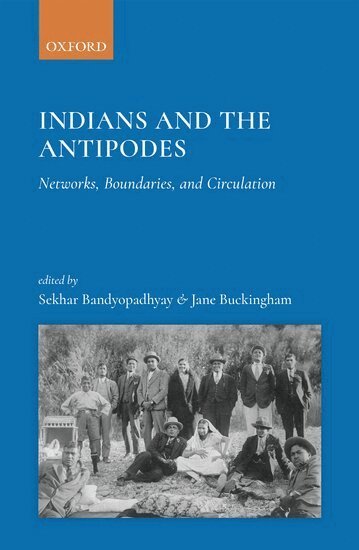
Indians and the Antipodes
Networks, Boundaries, and Circulation
Av Sekhar Bandyopadhyay, Jane Buckingham
Inbunden, 2018
595 kr
Lägg i varukorg
Indians now constitute a significant ethnic minority in Australia and New Zealand. According to the most recent census figures, they number slightly more than half a million, but represent a successful ethnic community making significant contributions to their host societies and economies. The …
China, India and the End of Development Models Indian Edition
Av Xiaoming Huang, Alex C. Tan m. fl.
Inbunden, 2011
568 kr
Lägg i varukorg
Promoting the understanding of the impressive economic growth and social transformation in China and India, the authors demonstrate the diverse economic, political, social, cultural, international and historical conditions in these two developing countries and point out the theoretical problems of …
Decolonization in South Asia
Meanings of Freedom in Post-independence West Bengal, 1947–52
Inbunden, 2009
2585 kr
Lägg i varukorg
This book explores the meanings and complexities of India’s experience of transition from colonial to the post-colonial period. It focuses on the first five years – from independence on 15th August 1947 to the first general election in January 1952 – in the politics of West Bengal, the new Indian …
Decolonization in South Asia
Meanings of Freedom in Post-independence West Bengal, 1947–52
Häftad, 2012
772 kr
Lägg i varukorg
This book explores the meanings and complexities of India’s experience of transition from colonial to the post-colonial period. It focuses on the first five years – from independence on 15th August 1947 to the first general election in January 1952 – in the politics of West Bengal, the new Indian …
Long History of Partition in Bengal
Event, Memory, Representations
Av Sekhar Bandyopadhyay, Jayanta Sengupta m. fl.
E-bok, 2024
831 kr
Lägg i varukorg
This book focuses on the aftermath of the 1947 Partition of India. It considers the long aftermath and afterlives of Partition afresh, from a wide and inclusive range of perspectives and studies the specificities of the history of violence and migration and their memories in the Bengal region. The …
Long History of Partition in Bengal
Event, Memory, Representations
Av Sekhar Bandyopadhyay, Jayanta Sengupta m. fl.
E-bok, 2024
813 kr
Lägg i varukorg
This book focuses on the aftermath of the 1947 Partition of India. It considers the long aftermath and afterlives of Partition afresh, from a wide and inclusive range of perspectives and studies the specificities of the history of violence and migration and their memories in the Bengal region. The …
Long History of Partition in Bengal
Event, Memory, Representations
Av Rituparna Roy, Jayanta Sengupta m. fl.
Inbunden, 2024
2585 kr
Lägg i varukorg
This book focuses on the aftermath of the 1947 Partition of India. It considers the long aftermath and afterlives of Partition afresh, from a wide and inclusive range of perspectives and studies the specificities of the history of violence and migration and their memories in the Bengal region. The …
Long History of Partition in Bengal
Event, Memory, Representations
Av Rituparna Roy, Jayanta Sengupta m. fl.
Häftad, 2025
727 kr
Lägg i varukorg
This book focuses on the aftermath of the 1947 Partition of India. It considers the long aftermath and afterlives of Partition afresh, from a wide and inclusive range of perspectives and studies the specificities of the history of violence and migration and their memories in the Bengal region. The …
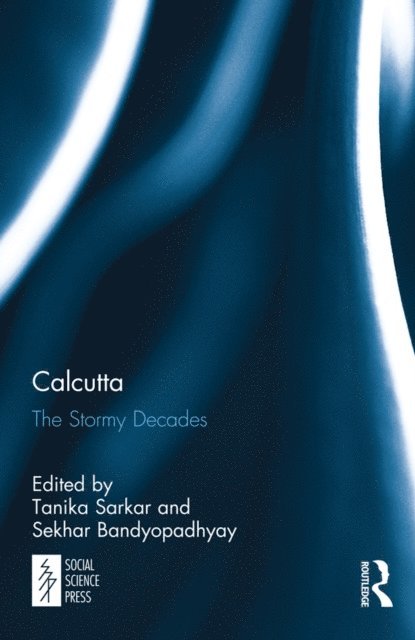
Calcutta
The Stormy Decades
Av Tanika Sarkar, Sekhar Bandyopadhyay
Häftad, 2024
712 kr
Lägg i varukorg
Politics and culture are organically related in the city of Calcutta. The period (1940s to 1950s), was chaotic and turbulent, yet, this was also a time of significant creativity in literature, art, films and music in the city. This is an unusual feature of any city but is interestingly …
Caste, Culture and Hegemony
Social Dominance in Colonial Bengal
E-bok, 2025
813 kr
Lägg i varukorg
This book looks at how the caste system has withstood resistance from below and survived the challenge of colonial modernity. By using empirical data from Bengal, it explores how Hindu caste society has sought to maintain its cultural hegemony and structural cohesion by frustrating reformist …
Caste, Culture and Hegemony
Social Dominance in Colonial Bengal
E-bok, 2025
813 kr
Lägg i varukorg
This book looks at how the caste system has withstood resistance from below and survived the challenge of colonial modernity. By using empirical data from Bengal, it explores how Hindu caste society has sought to maintain its cultural hegemony and structural cohesion by frustrating reformist …
Caste, Culture and Hegemony
Social Dominance in Colonial Bengal
Inbunden, 2025
2588 kr
Lägg i varukorg
This book looks at how the caste system has withstood resistance from below and survived the challenge of colonial modernity. By using empirical data from Bengal, it explores how Hindu caste society has sought to maintain its cultural hegemony and structural cohesion by frustrating reformist …
Decolonization in South Asia
Meanings of Freedom in Post-independence West Bengal, 1947–52
E-bok, 2009
910 kr
Lägg i varukorg
This book explores the meanings and complexities of India’s experience of transition from colonial to the post-colonial period. It focuses on the first five years – from independence on 15th August 1947 to the first general election in January 1952 – in the politics of West Bengal, the new Indian …
Decolonization in South Asia
Meanings of Freedom in Post-independence West Bengal, 1947–52
E-bok, 2009
910 kr
Lägg i varukorg
This book explores the meanings and complexities of India’s experience of transition from colonial to the post-colonial period. It focuses on the first five years – from independence on 15th August 1947 to the first general election in January 1952 – in the politics of West Bengal, the new Indian …
Calcutta
The Stormy Decades
Av Tanika Sarkar, Sekhar Bandyopadhyay
Inbunden, 2017
787 kr
Lägg i varukorg
Politics and culture are organically related in the city of Calcutta. The period (1940s to 1950s), was chaotic and turbulent, yet, this was also a time of significant creativity in literature, art, films and music in the city. This is an unusual feature of any city but is interestingly …
Calcutta
The Stormy Decades
Av Sekhar Bandyopadhyay, Tanika Sarkar
E-bok, 2017
838 kr
Lägg i varukorg
Politics and culture are organically related in the city of Calcutta. The period (1940s to 1950s), was chaotic and turbulent, yet, this was also a time of significant creativity in literature, art, films and music in the city. This is an unusual feature of any city but is interestingly …
Calcutta
The Stormy Decades
Av Sekhar Bandyopadhyay, Tanika Sarkar
E-bok, 2017
838 kr
Lägg i varukorg
Politics and culture are organically related in the city of Calcutta. The period (1940s to 1950s), was chaotic and turbulent, yet, this was also a time of significant creativity in literature, art, films and music in the city. This is an unusual feature of any city but is interestingly …
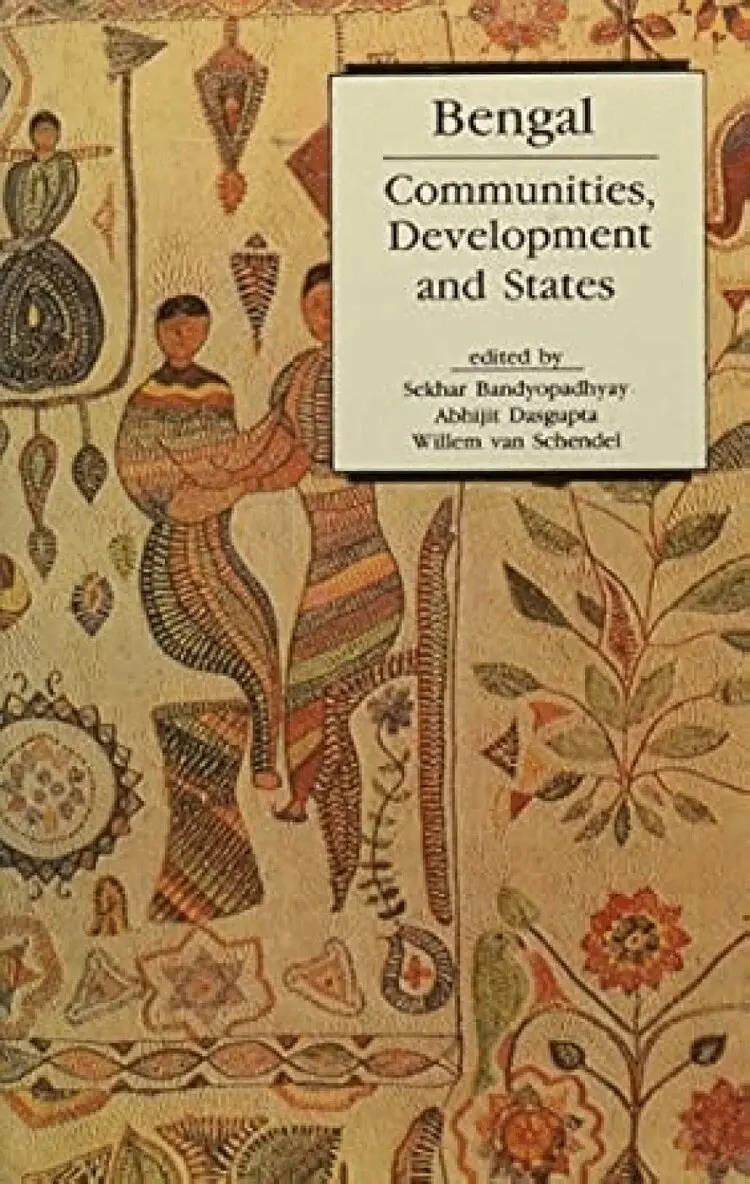
Bengal
Communities, Development and States
Av Sekhar Bandyopadhyay, Abhijit Dasgupta m. fl.
Inbunden, 2024
1044 kr
Lägg i varukorg
The papers in this book show that the state intervenes in the development process according to its own predilections, depending on the interests and views of those who dominate the state. Ruling elites may have different priorities, as is revealed very clearly in the different policies adopted in …
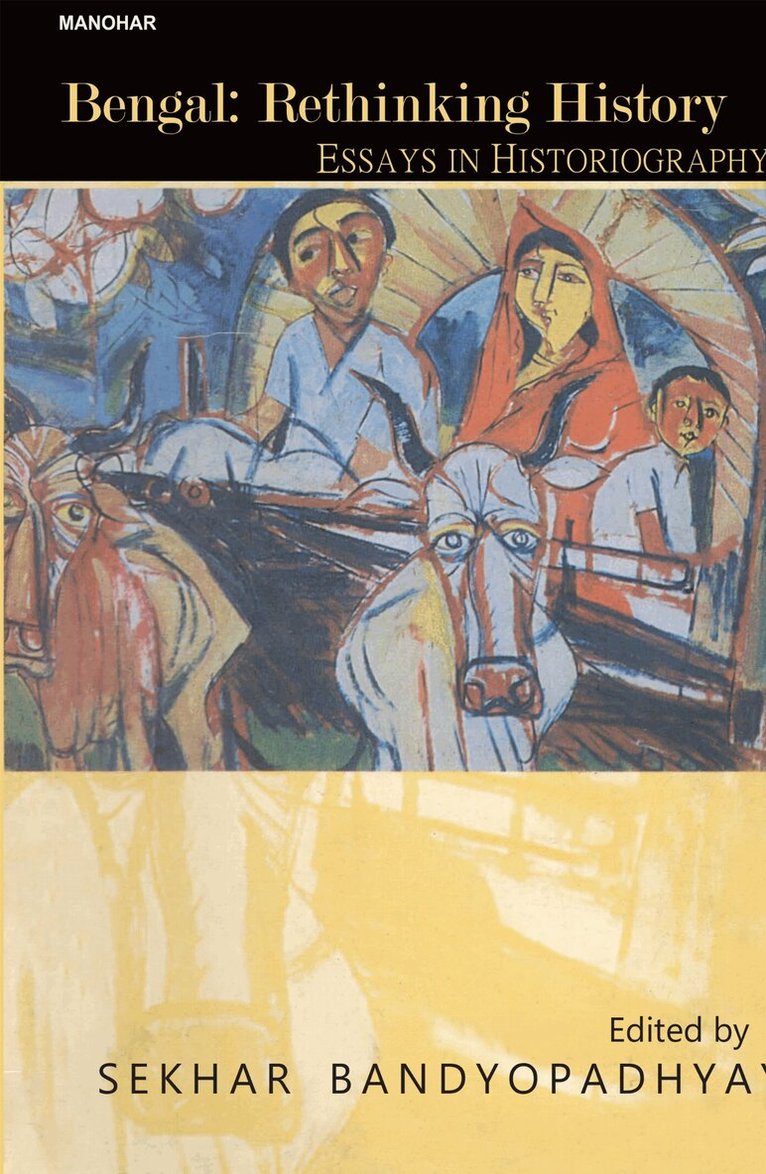
Bengal
Rthinking History Essays in Historiography
Av Sekhar Bandyopadhyay, Sekhar Bandyopadhyay
Inbunden, 2024
987 kr
Lägg i varukorg
Over the last twenty-five years significant epistemological shifts and methodological innovations have enriched the historiography of colonial Bengal. The essays in Bengal: Rethinking History critically examine some of?those?trends?and?indicate?possibilities?of?future?research.In the first section …
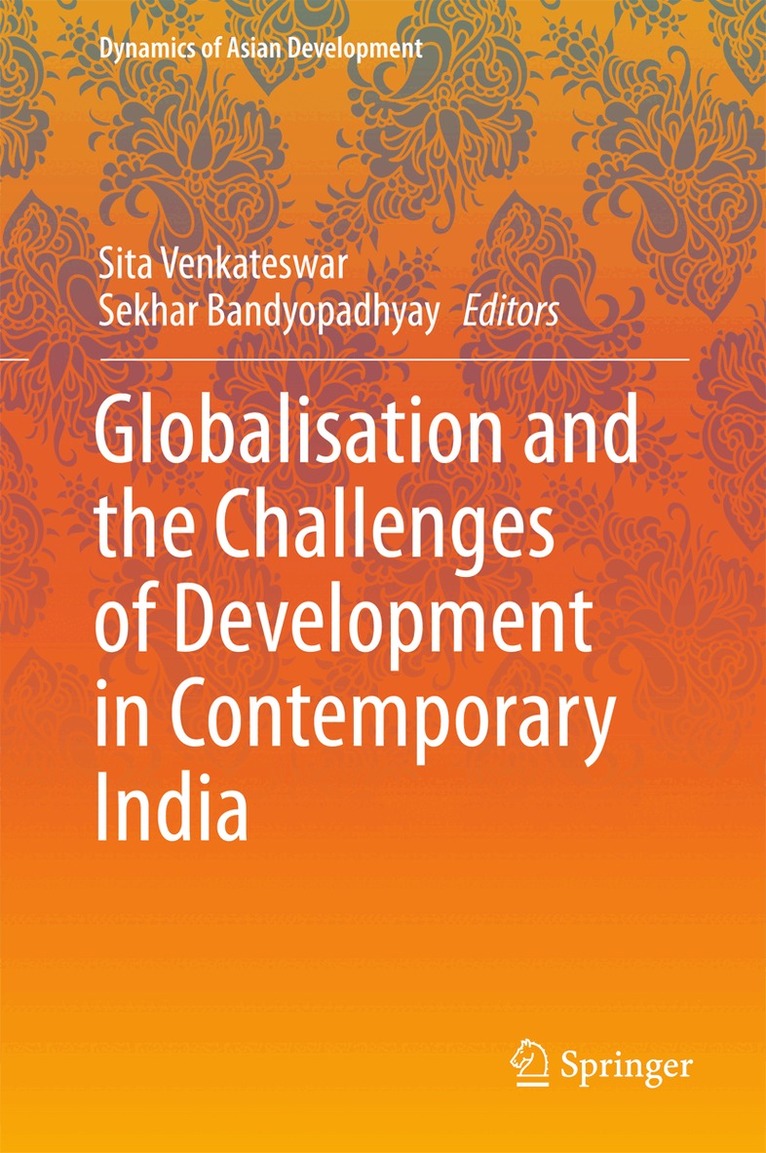
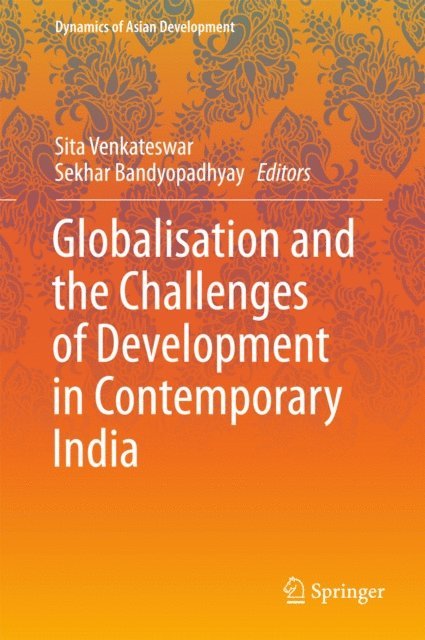
Globalisation and the Challenges of Development in Contemporary India
Av Sita Venkateswar, Sekhar Bandyopadhyay
Inbunden, 2016
1527 kr
Lägg i varukorg
This volume brings together multidisciplinary, situated and nuanced analyses of contingent issues framing a rapidly changing India in the 21st century. It moves beyond the ready dichotomies that are often extended to understand India as a series of contrasts and offers new insights into the complex …
Globalisation and the Challenges of Development in Contemporary India
Av Sekhar Bandyopadhyay, Sita Venkateswar
E-bok, 2016
1948 kr
Lägg i varukorg
This volume brings together multidisciplinary, situated and nuanced analyses of contingent issues framing a rapidly changing India in the 21st century. It moves beyond the ready dichotomies that are often extended to understand India as a series of contrasts and offers new insights into the complex …