Caribbean Archaeology and Ethnohistory Series – serie
Visar alla böcker i serien Caribbean Archaeology and Ethnohistory Series. Handla med fri frakt och snabb leverans.
20 produkter
20 produkter
Inbunden, Engelska, 2015
665 kr
Skickas inom 5-8 vardagar
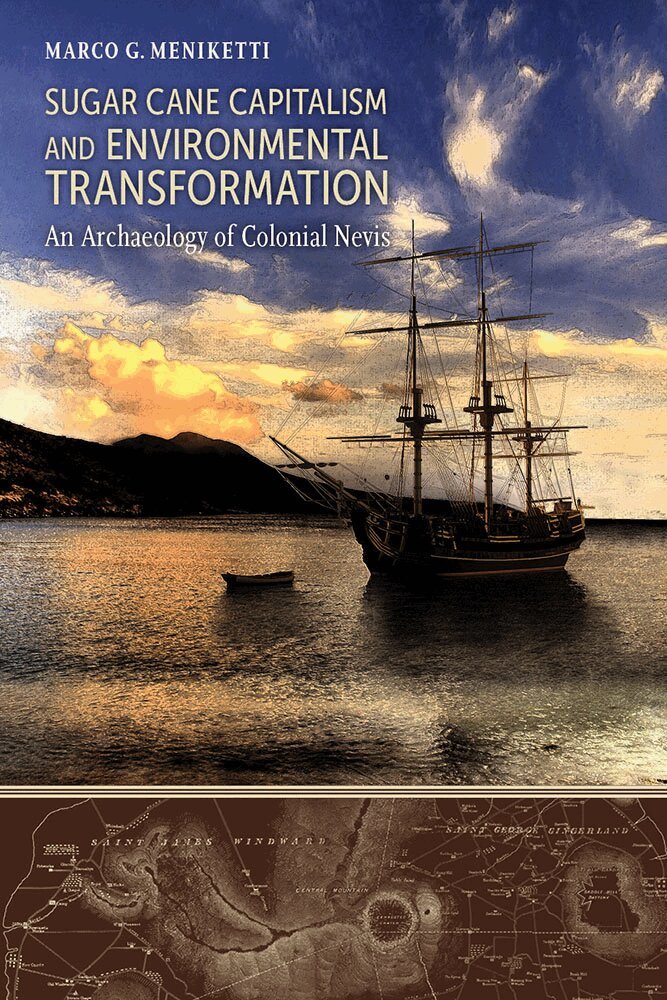
In this deeply researched and multifaceted study, Marco G. Meniketti demonstrates how the landscape of the small Caribbean island of Nevis preserves and reveals artifacts and evidence of the highly complex and interrelated seventeenth- to nineteenth-century “Atlantic Economy,” comprising early capitalist sugar production, the African slave trade, and European settlement.Sugar Cane Capitalism and Environmental Transformation is based on twelve seasons of meticulous archaeological field work and documentary research. Although Nevis was once a bustling hub of the British colonial project, the emigration of emancipated slaves and abandonment by European planters left large swathes of Nevis vacant. Reclaimed by forests and undisturbed by later waves of economic development, the island—dotted with fascinating ruins, debris from the sugar industry, windmills, chimneys, and multistoried great house—provided Meniketti with an ideal subject for archaeological inquiry.Through intensive archaeological and landscape surveys of multiple key plantation sites, Meniketti traces the development of Nevis from its initial European settlement in 1627 to its central role as a British mercantile hub and a laboratory and prototype of capitalist sugar cultivation. His nuanced analysis explains the backdrop of European political and economic rivalries, of which the colonial agro-industrial enterprises were the physical manifestations, and makes telling comparisons with Dutch and French archaeological sites. The work also compares and contrasts the adoption of capitalist modes of sugar production and socialization at wealthy and middling plantation sites.Supported with a wealth of photos, tables, and maps, Sugar Cane Capitalism and Environmental Transformation offers a vital case study of one island whose environment and archaeological record illuminates the complex webs of Atlantic history.
Inbunden, Engelska, 2019
665 kr
Skickas inom 5-8 vardagar
First book-length archaeological study of a nonelite white population on a Caribbean plantation. Archaeology below the Cliff: Race, Class, and Redlegs in Barbadian Sugar Society is the first archaeological study of the poor whites of Barbados, the descendants of seventeenth-century European indentured servants and small farmers. ""Redlegs"" is a pejorative to describe the marginalized group who remained after the island transitioned to a sugar monoculture economy dependent on the labor of enslaved Africans. A sizable portion of the ""white"" minority, the Redlegs largely existed on the peripheries of the plantation landscape in an area called ""Below Cliff,"" which was deemed unsuitable for profitable agricultural production. Just as the land on which they resided was cast as marginal, so too have the poor whites historically and contemporarily been derided as peripheral and isolated as well as idle, alcoholic, degenerate, inbred, and irrelevant to a functional island society and economy. Using archaeological, historical, and oral sources, Matthew C. Reilly shows how the precarious existence of the Barbadian Redlegs challenged elite hypercapitalistic notions of economics, race, and class as they were developing in colonial society. Experiencing pronounced economic hardship, similar to that of the enslaved, albeit under very different circumstances, Barbadian Redlegs developed strategies to live in a harsh environment. Reilly's investigations reveal that what developed in Below Cliff was a moral economy, based on community needs rather than free-market prices. Reilly extensively excavated households from the tenantry area on the boundaries of the Clifton Hall Plantation, which was abandoned in the 1960s, to explore the daily lives of poor white tenants and investigate their relationships with island economic processes and networks. Despite misconceptions of strict racial isolation, evidence also highlights the importance of poor white encounters and relationships with Afro-Barbadians. Historical data are also incorporated to address how an underrepresented demographic experienced the plantation landscape. Ultimately, Reilly's narrative situates the Redlegs within island history, privileging inclusion and embeddedness over exclusion and isolation.
Inbunden, Engelska, 2019
722 kr
Skickas inom 5-8 vardagar
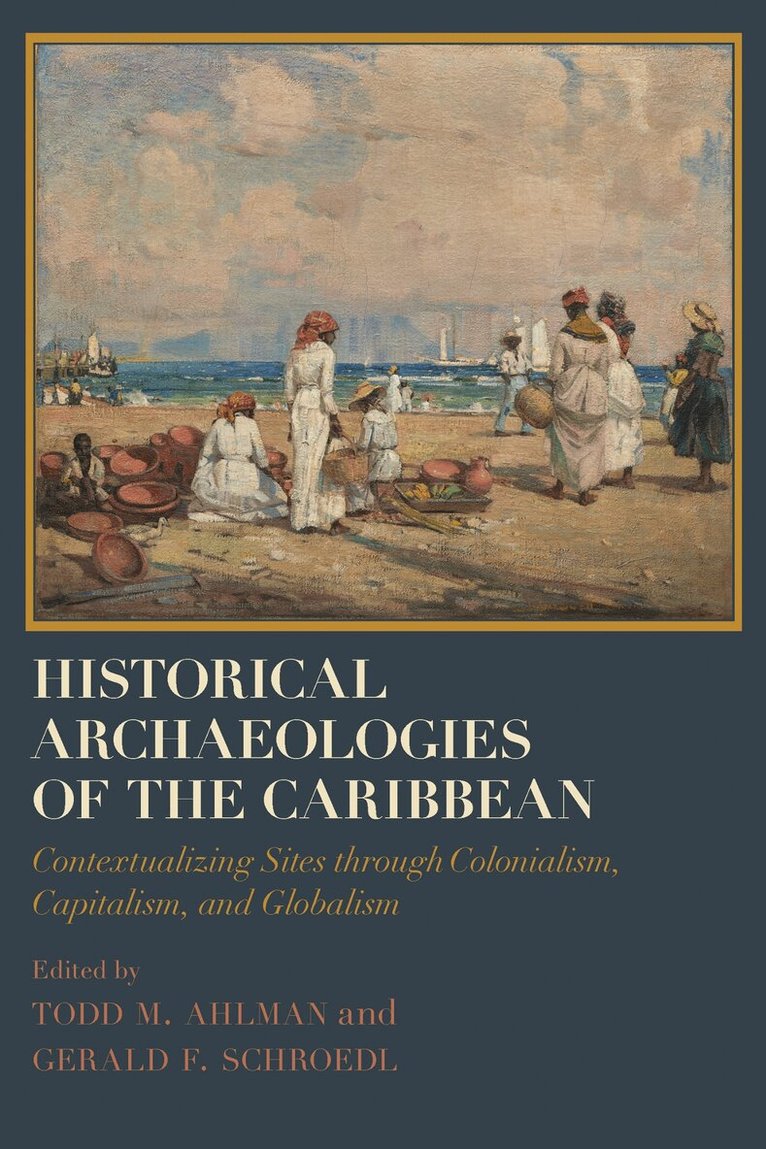
A new perspective on Caribbean historical archaeology that goes beyond the colonial plantation.Historical Archaeologies of the Caribbean: Contextualizing Sites through Colonialism, Capitalism, and Globalism addresses issues in Caribbean history and historical archaeology such as freedom, frontiers, urbanism, postemancipation life, trade, plantation life, and new heritage. This collection moves beyond plantation archaeology by expanding the knowledge of the diverse Caribbean experiences from the late seventeenth through the mid-nineteenth centuries. The essays in this volume are grounded in strong research programs and data analysis that incorporate humanistic narratives in their discussions of Amerindian, freedmen, plantation, institutional, military, and urban sites. Sites include a sample of the many different types found across the Caribbean from a variety of colonial contexts that are seldom reported in archaeological research, yet constitute components essential to understanding the full range and depth of Caribbean history. Contributors examine urban contexts in Nevis and St. John and explore the economic connections between Europeans and enslaved Africans in urban and plantation settings in St. Eustatius. The volume contains a pioneering study of frontier exchange with Amerindians in Dominica and a synthesis of ceramic exchange networks among enslaved Africans in the Leeward Islands. Chapters on military forts in Nevis and St. Kitts call attention to this often-neglected aspect of the Caribbean colonial landscape. Contributors also directly address culture heritage issues relating to community participation and interpretation. On St. Kitts, the legacy of forced confinement of lepers ties into debates of current public health policy. Plantation site studies from Antigua and Martinique are especially relevant because they detail comparisons of French and British patterns of African enslavement and provide insights into how each addressed the social and economic changes that occurred with emancipation.
Inbunden, Engelska, 2021
777 kr
Skickas inom 5-8 vardagar
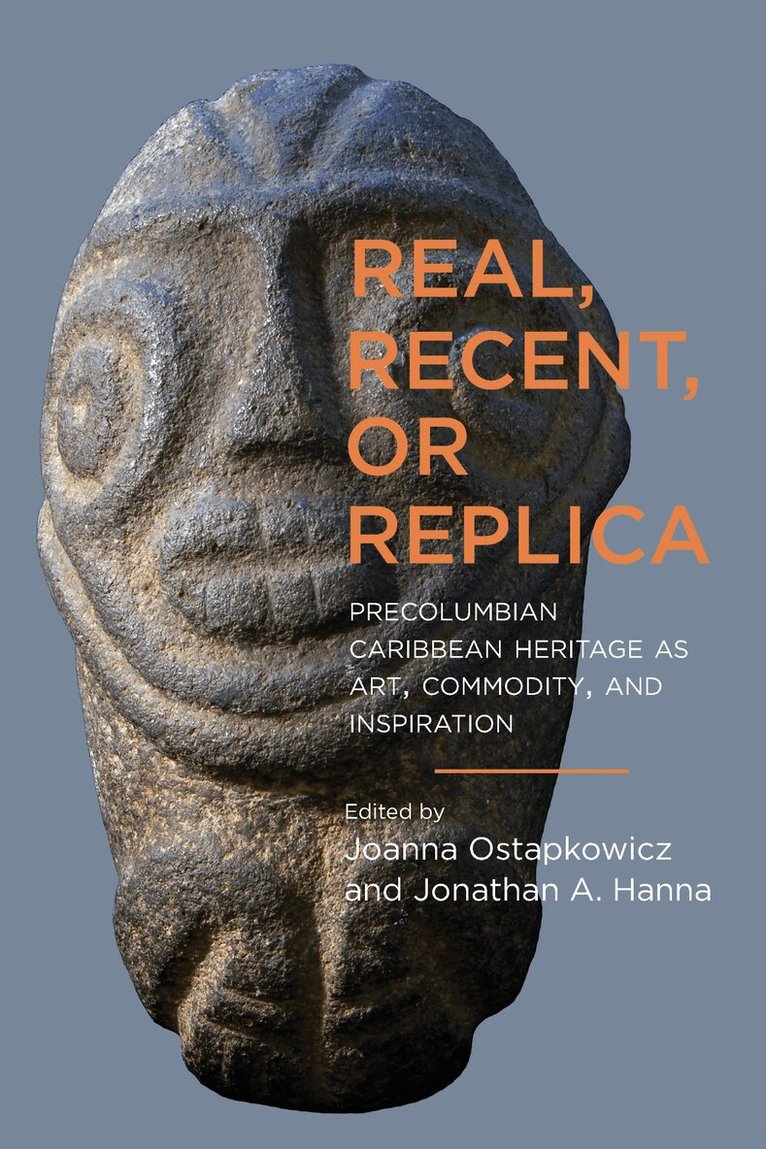
Examines the largely unexplored topics in Caribbean archaeology of looting of heritage sites, fraudulent artifacts, and illicit trade of archaeological materials Real, Recent, or Replica: PrecolumbianCaribbean Heritage as Art, Commodity, and Inspiration is the first book-length study of its kind to highlight the increasing commodification of Caribbean Precolumbian heritage. Amerindian art, including 'TaÍno' art, has become highly coveted by collectors, spurring a prolific and increasingly sophisticated black market of forgeries, but also contemporary artistic engagement, openly appreciated as modern artworks taking inspiration from the past. The contributors to this volume contend with difficult subject matter including the continued looting of archaeological sites in the region, the seismic increase of forgeries, and the imbalance of power and economic relations between the producers and consumers of neo-Amerindian art. The case studies document the considerable time depth of forgeries in the region (since the late nineteenth century), address the policies put in place by Caribbean governments and institutions to safeguard national patrimony, and explore the impact looted and forged artefacts have on how museums and institutions collect and ultimately represent the Caribbean past to their audiences. Overall, the volume emphasizes the continued desire for the 'authentic' Precolumbian artifact, no matter the cost. It provides insights for archaeologists, museum professionals, art historians, and collectors to combat illegal trade and support communities in creating sustainable heritage industries.
Inbunden, Engelska, 2024
1 213 kr
Skickas inom 5-8 vardagar
Brings Caribbean archaeology in line with current thinking about social stratification and repositions the role of archaeology to uncover smaller-scale daily lives of ancient peoples rather than focusing on the large-scale chiefdoms.
Häftad, Engelska, 2007
322 kr
Skickas inom 5-8 vardagar
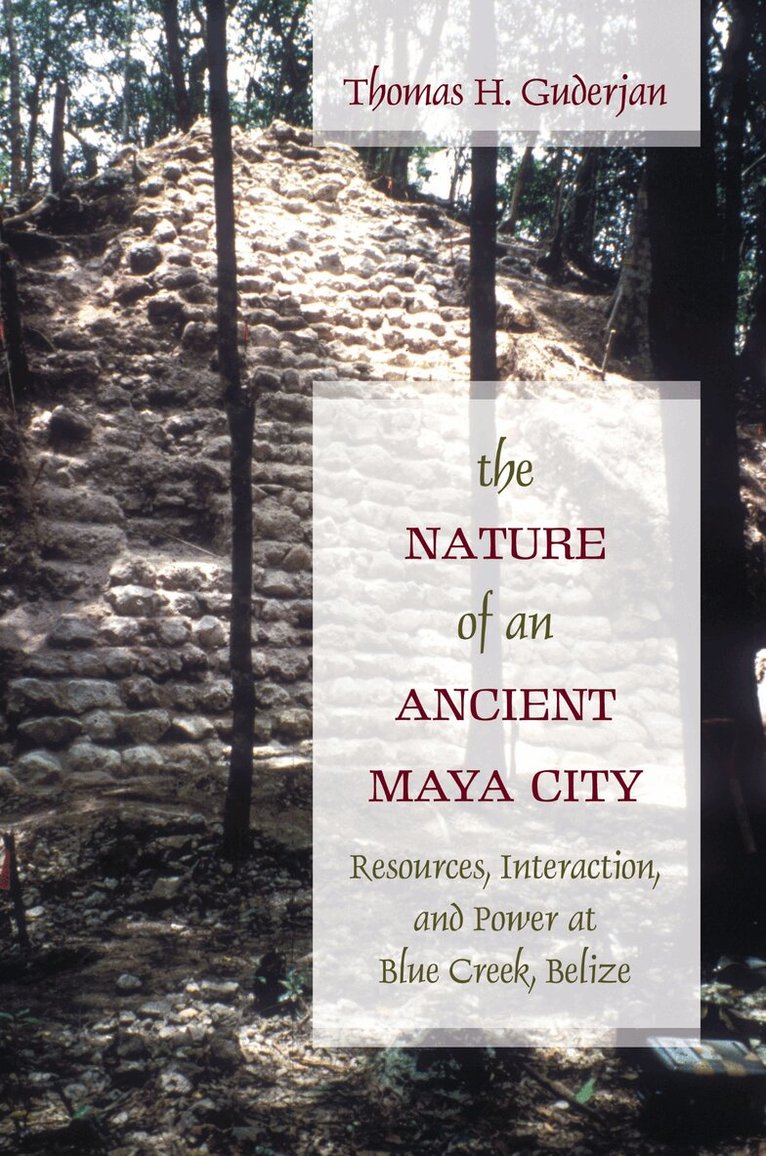
This work is a comprehensive study of a unique Maya site offering the full range of undisturbed architectural features. For two millennia, the site now known as Blue Creek in northwestern Belize was a Maya community that became an economic and political center that included some 15,000-20,000 people at its height. Fairly well protected from human destruction, the site offers the full range of city components including monumental ceremonial structures, elite and non-elite residences, ditched agricultural fields, and residential clusters just outside the core. Since 1992, a multi-disciplinary, multi-national research team has intensively investigated Blue Creek in an integrated study of the dynamic structure and functional inter-relationships among the parts of a single Maya city. Documented in coverage by National Geographic, ""Archaeology"" magazine, and a documentary film aired on the Discovery Channel, Blue Creek is recognized as a unique site offering the full range of undisturbed architectural construction to reveal the mosaic that was the ancient city. Moving beyond the debate of what constitutes a city, Guderjan's long-term research reveals what daily Maya life was like.
527 kr
Skickas inom 5-8 vardagar
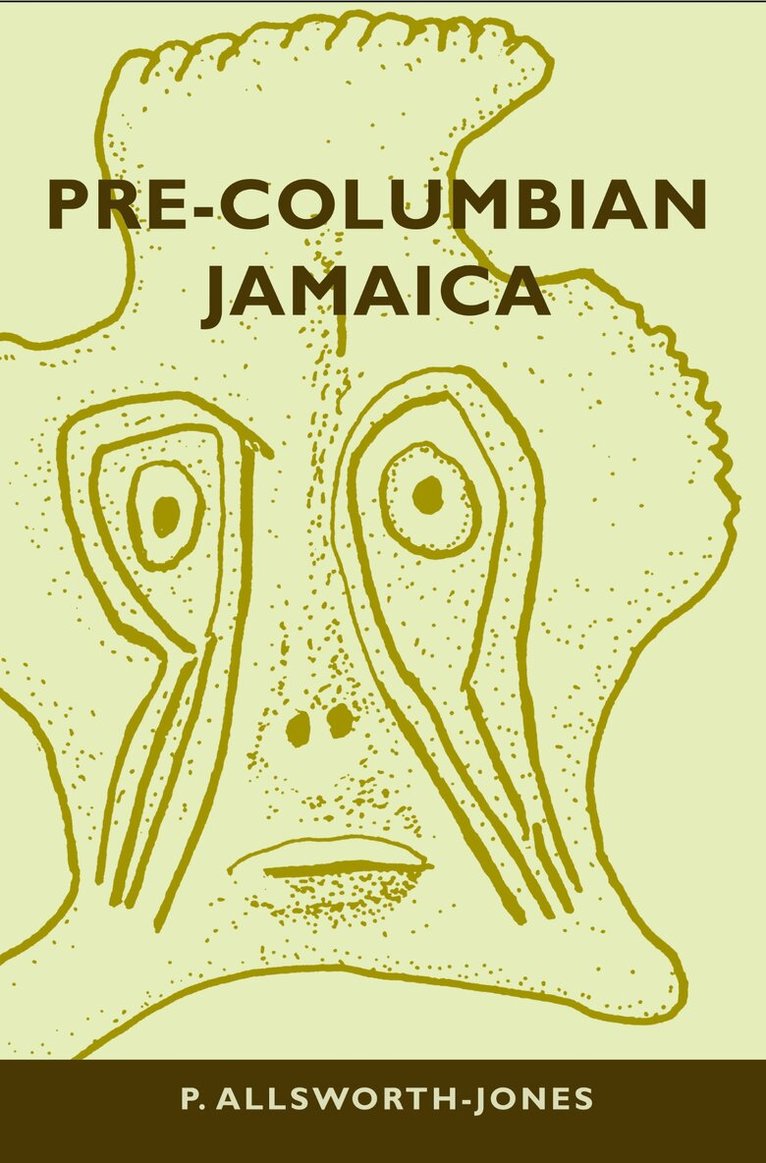
This title presents a comprehensive document on the prehistory of Jamaica, and a resource base for future research.Much of Jamaican prehistoric research - like that in the rest of the Caribbean basin - has been guided by at least a subconscious attempt to allow prehistoric native peoples to find their places within the charts established by Irving Rouse, who guided Caribbean research for much of the last half-century. The pre-Columbian peoples of Jamaica, and not merely their material culture, are beginning to take form, revealing their lifestyles and rituals and taking their rightful place among the cultures of the New World.Pre-Columbian Jamaica represents the first substantial attempt to summarize the prehistoric evidence from the island in a single published account since J. E. Duerden's invaluable 1897 article on the subject, which is also reprinted within this volume. The book is designed to provide general commentary that can stand alone and be read as a continuous narrative; and an additional and valuable resource is the accompanying CD-ROM that furnishes a great range of further illustrations, data, calculations, measurements, and comparisons. This data is curated at the Archaeology Laboratory at the University of the West Indies, Mona Campus, in Kingston, and was presented to the university by Dr. James Lee in 2000. His gift, and the comprehensive study that followed, provide the impetus for both the book and the CD-ROM.
Häftad, Engelska, 2008
378 kr
Skickas inom 5-8 vardagar
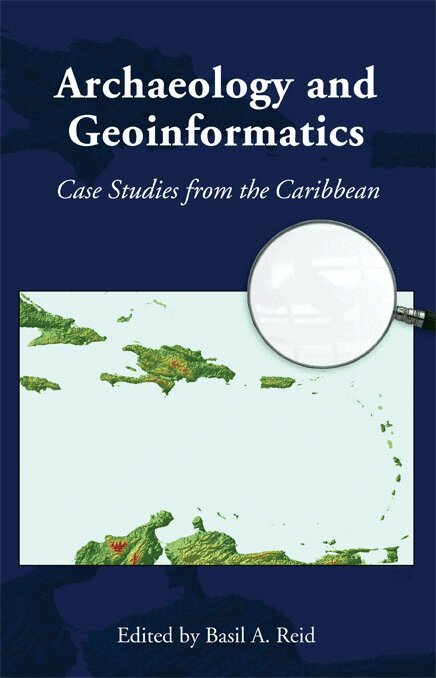
This book contains tremendous insight and an excellent grasp of the special geoinformatics needs of Caribbean researchers. Addressing the use of geoinformatics in Caribbean archaeology, this volume is based on case studies drawn from specific island territories, namely, Barbados, St. John, Puerto Rico, Jamaica, Nevis, St. Eustatius, and Trinidad and Tobago, as well as inter-island interaction and landscape conceptualization in the Caribbean region. Geoinformatics is especially critical within the Caribbean where site destruction is intense due to storm surges, hurricanes, ocean and riverine erosion, urbanization, industrialization, and agriculture, as well as commercial development along the very waterfronts that were home to many prehistoric peoples. By demonstrating that the region is fertile ground for the application of geoinformatics in archaeology, this volume places a well-needed scholarly spotlight on the Caribbean.
Häftad, Engelska, 2008
322 kr
Skickas inom 5-8 vardagar
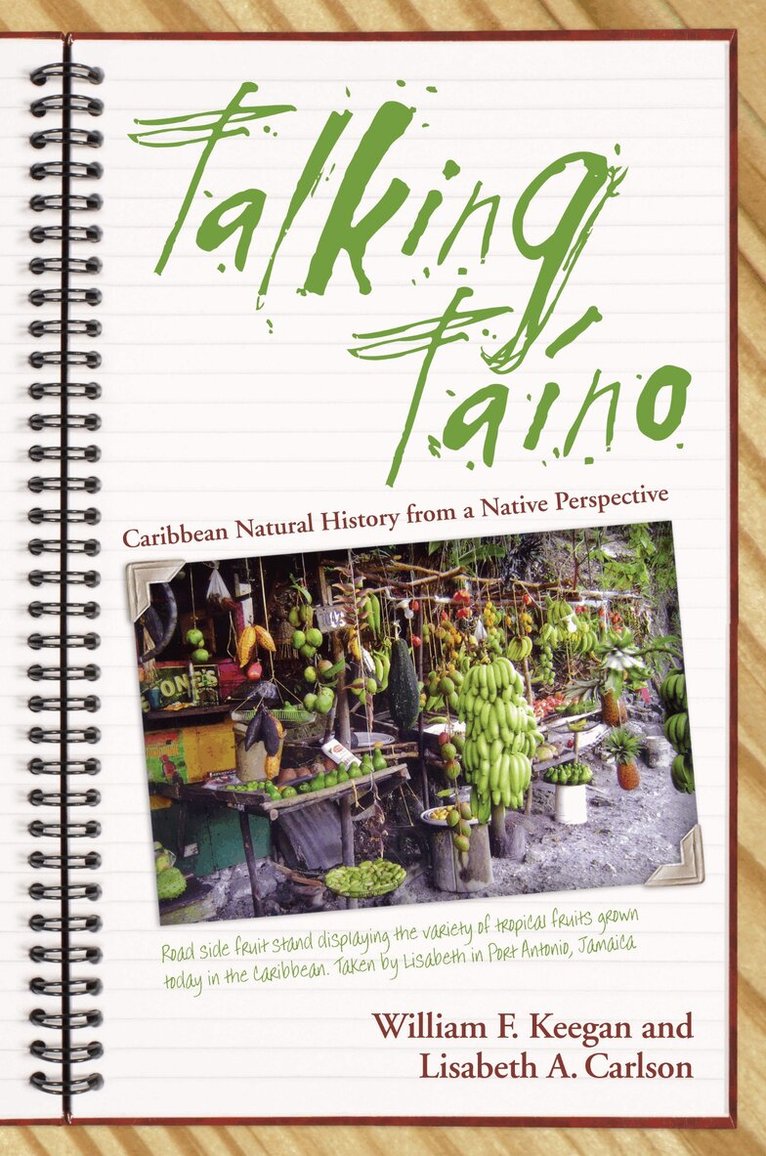
Talking Taino combines more than 45 years that the authors spent conducting archaeological research in the Caribbean, directing projects in Trinidad, Grenada, St. Lucia, Puerto Rico, the Dominican Republic, Haiti, Cuba, Jamaica, Grand Cayman, the Turks & Caicos Islands, and throughout the Bahamas. Walking hundreds of miles of beaches, working without shade in the Caribbean sun, diving in refreshing and pristine waters, and studying the people and natural environment around them has given them insights into the lifeways of the people who lived in the Caribbean before the arrival of Christopher Columbus. Sadly, harsh treatment extinguished the culture that we today call Taino or Arawak.In an effort to repay their debt to the past and the present, the authors have focused on the relationship between the Tainos of the past (revealed through archaeological investigations) and the present natural history of the islands. Bringing the past to life and highlighting commonalities between past and present, they emphasize Taino words and beliefs about their worldview and culture.
Häftad, Engelska, 2009
268 kr
Skickas inom 5-8 vardagar
How can we effectively interpret and present one culture to another without stereotypes or over-simplifications? What is the best way to present an authoritative version of a national heritage without also endangering ancient sites or being insensitive to the local customs, beliefs, and religious practices of the indigenous peoples?This volume addresses the ongoing thrust in archaeology to take the next step after preserving the past: Interpreting that past for the future. That future audience includes both local citizens and tourists who may have little background in archaeology, anthropology, or the history of the culture featured. Walker presents the key components of the anthropological study of tourism as a global phenomenon, with particular emphasis on the more prominent arguments for how and why tourism is a universal and meaningful human activity. The highly controversial topic of authenticity is examined, with special attention given to how 'authentic' has been defined and how it relates to the ways in which archaeological sites, artifacts, and cultural traditions are presented - or not presented - to the visiting public.The ephemeral promise of 'authenticity' drives the heritage tourism industry, which is a key consideration for the long-term economy of the Maya Riviera and elsewhere. Through analysis of seven archaeological sites on the Yucatan peninsula that are open to heritage touring, Walker reveals the planned growth of the Maya Riviera since the early 1970s and examines the impact of international tourism on both ancient structures and the contemporary Maya people and culture.
Häftad, Engelska, 2009
433 kr
Skickas inom 5-8 vardagar
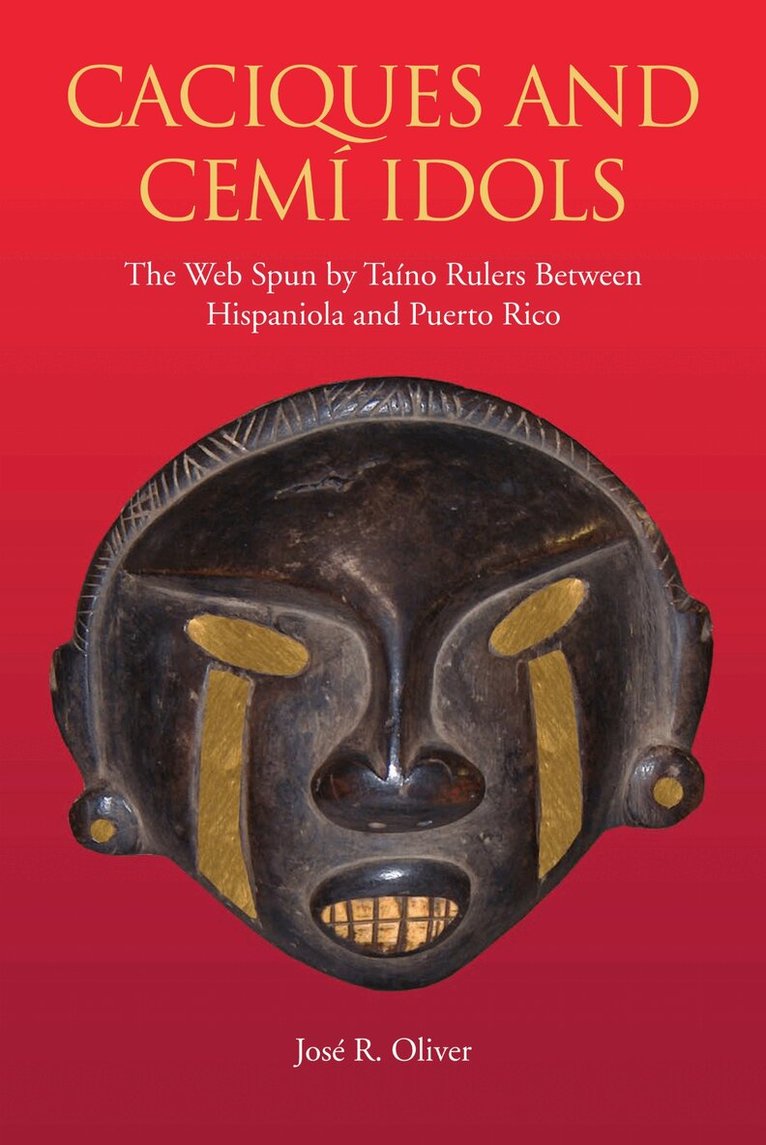
Cemis are both portable artifacts and embodiments of persons or spirits, which the Tainos and other natives of the Greater Antilles (ca. AD 1000-1550) regarded as numinous beings with super-natural or magic powers. This volume takes a close look at the relationship between humans and other (non-human) beings that are imbued with cemi power, specifically within the Taino inter-island cultural sphere encompassing Puerto Rico and Hispaniola. The relationships address the important questions of identity and personhood of the cemi icons and their human 'owners' and on the implications of cemi gift-giving and gift-taking that sustains a complex web of relationships between caciques (chiefs) of Puerto Rico and Hispaniola.Oliver provides a careful analysis of the four major forms of cemis - three-pointed stones, large stone heads, stone collars, and elbow stones - as well as face masks, which provide an interesting contrast to the stone heads. He finds evidence for his interpretation of human and cemi interactions from a critical review of sixteenth century Spanish ethnohistoric documents, especially the Relacion Acerca de las Antiguedades de los Indios written by Friar Ramon Pane in 1497-1498 under orders from Christopher Columbus.Buttressed by examples of native resistance and syncretism, the volume discusses the iconoclastic conflicts and the relationship between the icons and the human beings. Focusing on this and on the various contexts in which the relationships were enacted, Oliver reveals how the cemis were central to the exercise of native political power. Such cemis were considered a direct threat to the hegemony of the Spanish conquerors, as these potent objects were seen as allies in the native resistance to the onslaught of Christendom with its icons of saints and virgins.
Häftad, Engelska, 2009
378 kr
Skickas inom 5-8 vardagar
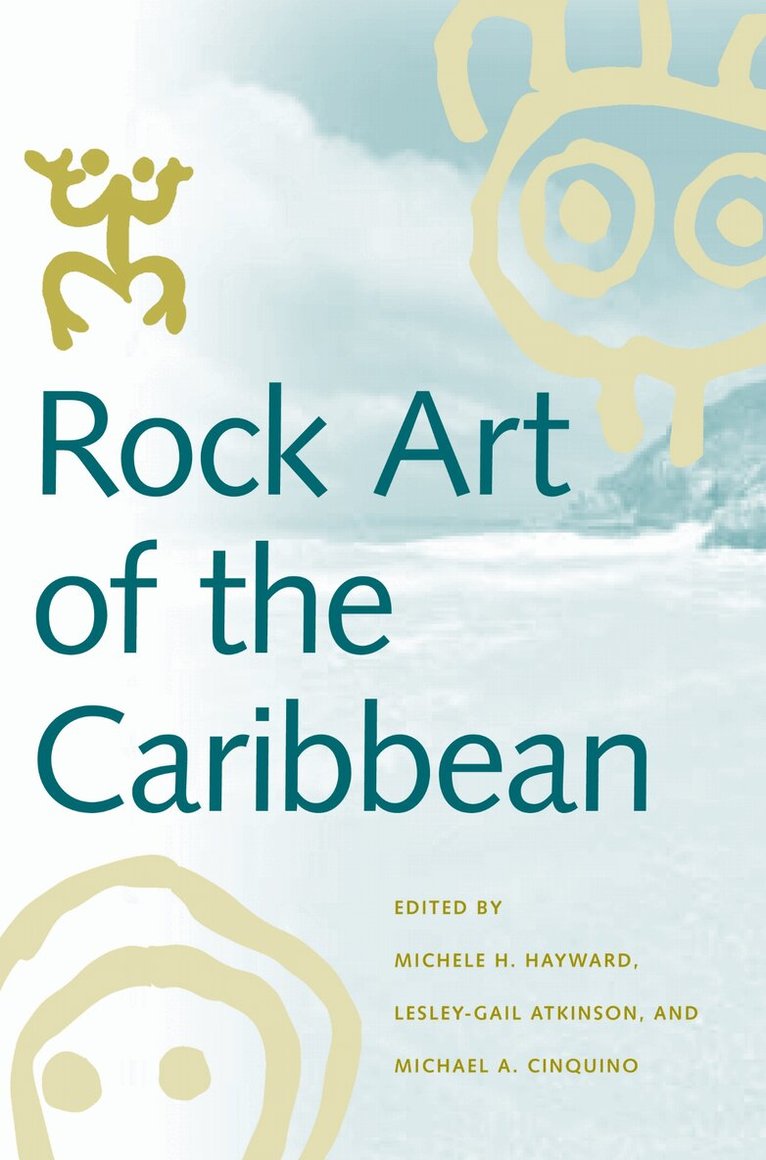
This compilation, by an international grouping of scholars, focuses on the nature of Caribbean rock art or rock graphics and makes clear the region's substantial and distinctive rock art tradition. Thorough and comparative, it includes data on the history of rock graphic research, the nature of the assemblages (image numbers, types, locations), and the legal, conservation, and research status of the image sites. Chapters on these topics cover research on the islands of Cuba, Haiti, Dominican Republic, the Bahamas, Jamaica, Puerto Rico, U.S. Virgin Islands, Guadeloupe, Aruba, and Bonaire.The prehispanic rock art and other ceremonial structures and artifacts, along with enthnohistorical accounts of the region at Contact, projected backward in time, all point to an active ritual and ceremonial life involving commoners, religious specialists, and elites in differing and interconnected roles and for diverse purposes. The selective use of common rock graphic design and physical elements can be seen in the distribution and execution of the carved and painted images. Pecked, ground, abraded, and scratched petroglyphs, along with pictographs done frequently in red, black, white, and orange hues are found on a range of rock surfaces including limestones, granites, diorites, and andesites.Caves/rock shelters and rock formations associated with water sources (water ways, pools, ocean) account for the two most common locations, followed by ball court sites, inland rock outcroppings and beach rock. In addition to specific area presentations, the work includes a review of recent advances in Caribbean rock graphic studies including dating and interpretative models; the application of a new documentation method and resulting computer manipulation advantages; a conservation project in Jamaica that has implications for the preservation and interpretation of the site; and, a proposed dating sequence for the Lesser Antillean Windward Islands.
Häftad, Engelska, 2009
213 kr
Skickas inom 5-8 vardagar
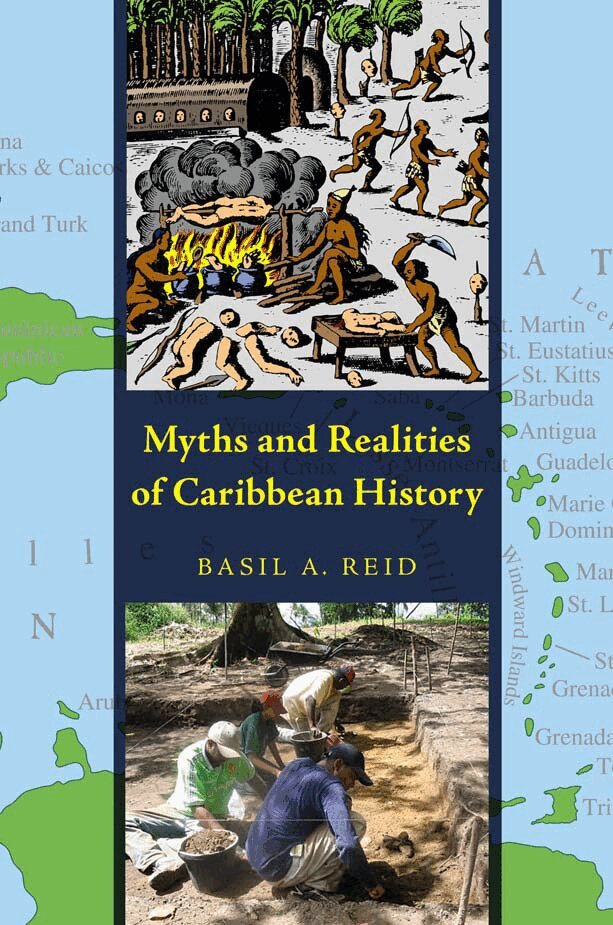
This book seeks to debunk eleven popular and prevalent myths about Caribbean history. Using archaeological evidence, it corrects many previous misconceptions promulgated by history books and oral tradition as they specifically relate to the pre-Colonial and European-contact periods. It informs popular audiences, as well as scholars, about the current state of archaeological/historical research in the Caribbean Basin and asserts the value of that research in fostering a better understanding of the region's past.Contrary to popular belief, the history of the Caribbean did not begin with the arrival of Europeans in 1492. It actually started 7,000 years ago with the infusion of Archaic groups from South America and the successive migrations of other peoples from Central America for about 2,000 years thereafter. In addition to discussing this rich cultural diversity of the Antillean past, ""Myths and Realities of Caribbean History"" debates the misuse of terms such as 'Arawak' and 'Ciboneys', and the validity of Carib cannibalism allegations.
Häftad, Engelska, 2009
394 kr
Skickas inom 5-8 vardagar
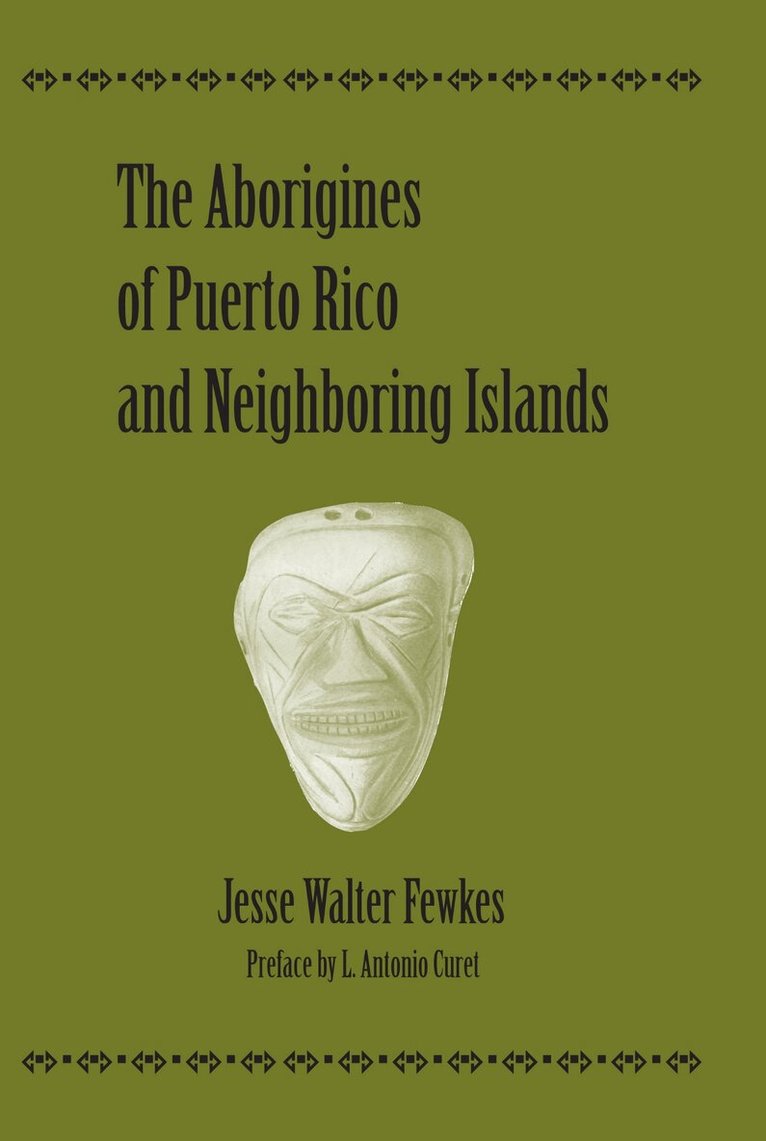
Originally published as the ""Twenty-Fifth Annual Report of the Bureau of American Ethnology to the Secretary of the Smithsonian Institution in 1907"", this book was praised in an article in American Anthropologist as doing 'more than any other to give a comprehensive idea of the archaeology of the West Indies'. Until that time, for mainly political reasons, little scientific research had been conducted by Americans on any of the Caribbean islands. Dr. Fewkes' unique skills of observation and experience served him well in the quest to understand Caribbean prehistory and culture. This volume, the result of his careful fieldwork in Puerto Rico in 1902-04, is magnificently illustrated by 93 plates and 43 line drawings of specimens from both public and private collections of the islands. A 1907 article in the ""Journal of the Royal Anthropological Institute of Great Britain and Ireland"" described the volume as 'a most valuable contribution to ethnographical science'.
Häftad, Engelska, 2009
433 kr
Skickas inom 5-8 vardagar
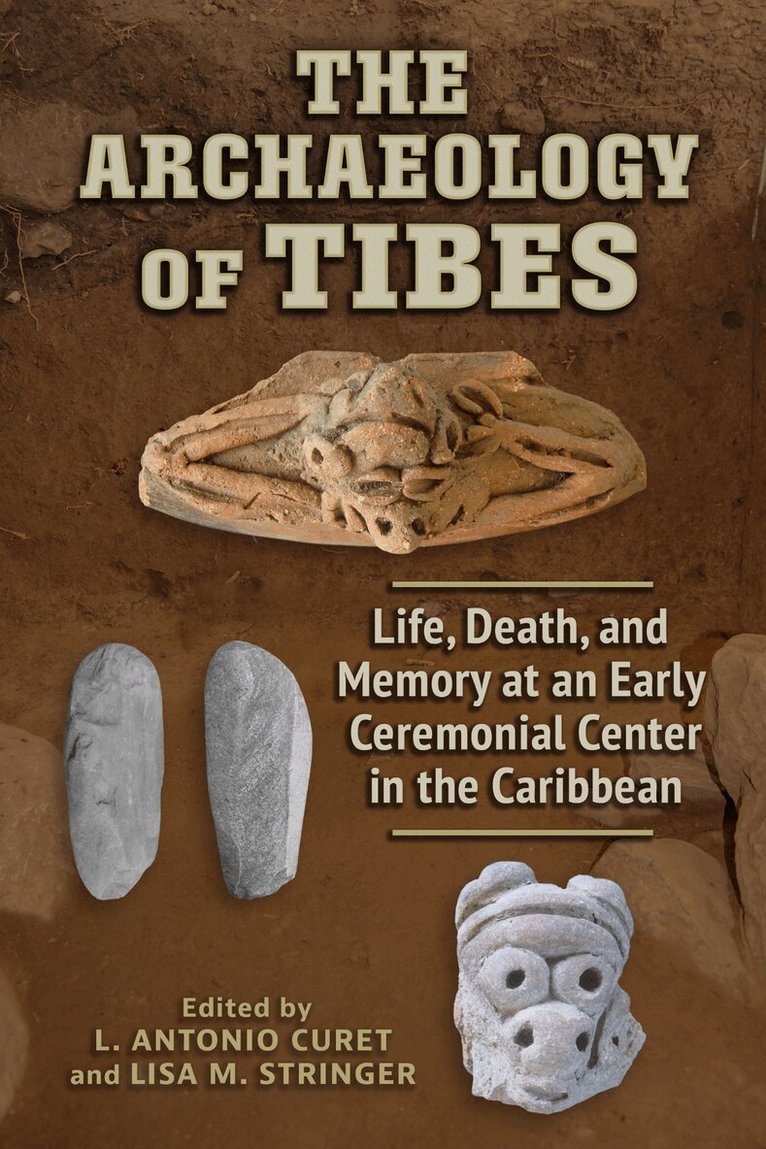
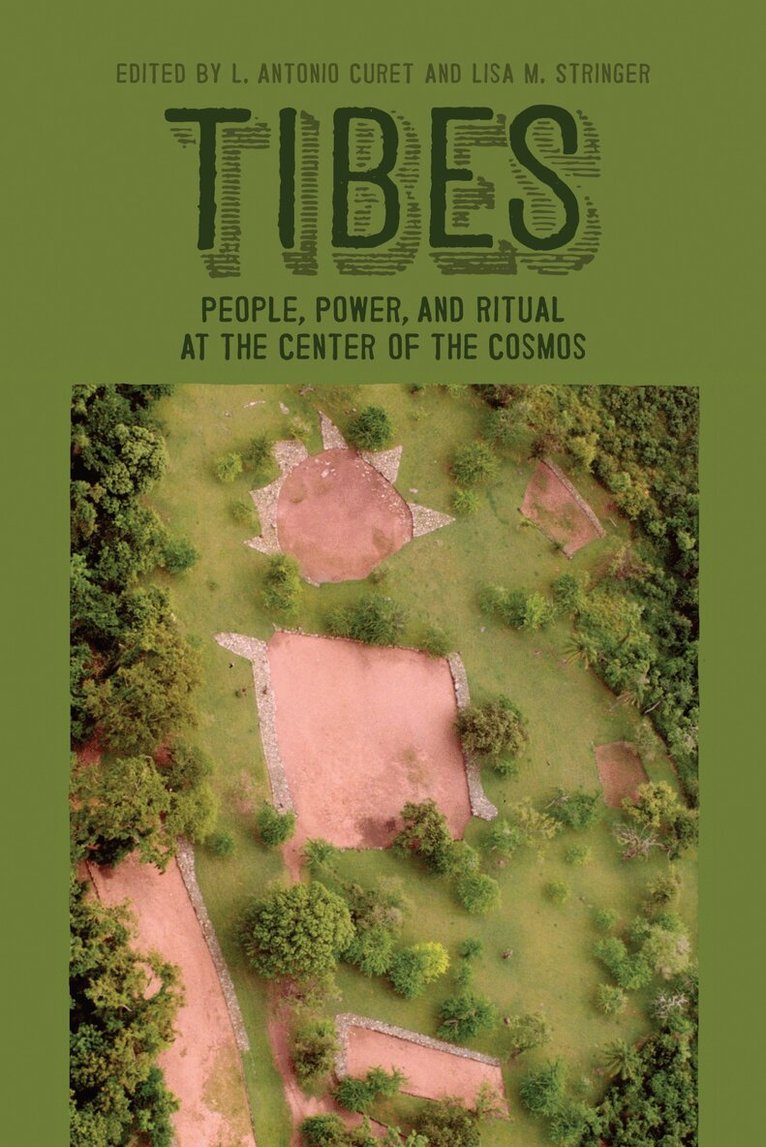
The prehistoric civic-ceremonial center of Tibes is located on the southern coast of Puerto Rico, just north of the modern coastal city of Ponce. Protected on two sides by a river, and on the other two sides by hills, this approximately 10.5 acre site remains as fertile and productive today as when first occupied over 2,000 years ago. Such a rich region would have been a choice location for native people because of the diversity in all resources, from land, air, and sea - and also symbolically crucial as a liminal space within the landscape. It may have been regarded as a space charged with numen or cosmic energy where different parts of the cosmos (natural vs. supernatural, or world of the living vs. world of the dead) overlap. Archaeological evidence reveals a long occupation, about 1,000 years, possibly followed by an extensive period of sporadic ceremonial use after the site itself was practically abandoned. In this volume, nineteen Caribbeanists, across a wide academic spectrum, examine the geophysical, paleoethnobotanical, faunal, lithics, base rock, osteology, bone chemistry and nutrition, social landscape, and ceremonial constructs employed at Tibes. These scholars provide a concise, well-presented, comprehensive analysis of the evidence for local level changes in household economy, internal organization, accessibility to economic, religious, and symbolic resources related to the development and internal operation of socially stratified societies in the Caribbean.
Häftad, Engelska, 2010
477 kr
Skickas inom 3-6 vardagar
The history of Puerto Rico has usually been envisioned as a sequence of colonizations-various indigenous peoples from Archaic through Taino were successively invaded, assimilated, or eliminated, followed by the Spanish entrada, which was then modified by African traditions and, since 1898, by the United States. The truth is more complex, but in many ways Puerto Rico remains one of the last colonies in the world. This volume focuses on the successive indigenous cultures of Puerto Rico prior to 1493.Traditional studies of the cultures of indigenous peoples of the Caribbean have centered on ceramic studies, based on the archaeological model developed by Irving Rouse which has guided Caribbean archaeology for decades. Rodriguez Ramos departs from this methodology by implementing lithics as the primary unit for tracing the origins and developments of the indigenous peoples of Puerto Rico. Analyzing the technological styles involved in the production of stone artifacts in the island through time, as well as the evaluation of an inventory of more than 500 radiocarbon dates recovered since Rouse's model emerged, the author presents a truly innovative study revealing alternative perspectives on Puerto Rico's pre-Columbian culture-historical sequence. By applying a multiscalar design, he not only not only provides an analysis of the plural ways in which the precolonial peoples of the island interacted and negotiated their identities but also shows how the cultural landscapes of Puerto Rico, the Antilles, and the Greater Caribbean shaped and were shaped by mutually constituting processes through time.
Häftad, Engelska, 2010
529 kr
Skickas inom 5-8 vardagar
Häftad, Engelska, 2011
378 kr
Skickas inom 5-8 vardagar
As a source of colonial wealth and a crucible for global culture, Jamaica has had a profound impact on the formation of the modern world system. From the island's economic and military importance to the colonial empires it has hosted and the multitude of ways in which diverse people from varied parts of the world have coexisted in and reacted against systems of inequality, Jamaica has long been a major focus of archaeological studies of the colonial period. This volume assembles for the first time the results of nearly three decades of historical archaeology in Jamaica. Scholars present research on maritime and terrestrial archaeological sites, addressing issues such as: the early Spanish period at Seville la Nueva; the development of the first major British settlement at Port Royal; the complexities of the sugar and coffee plantation system, and the conditions prior to, and following, the abolition of slavery in Jamaica. The everyday life of African Jamaican people is examined by focusing on the development of Jamaica's internal marketing system, consumer behaviour among enslaved people, iron-working and ceramic-making traditions, and the development of a sovereign Maroon society at Nanny Town. Out of Many, One People paints a complex and fascinating picture of life in colonial Jamaica, and demonstrates how archaeology has contributed to heritage preservation on the island.
Häftad, Engelska, 2011
367 kr
Skickas inom 5-8 vardagar
The contributors to Islands at the Crossroads include scholars from the Caribbean, the United States, and Europe who look beyond cultural boundaries and colonial frontiers to explore the complex and layered ways in which both distant and more intimate sociocultural, political, and economic interactions have shaped Caribbean societies from seven thousand years ago to recent times.
Häftad, Engelska, 2022
322 kr
Skickas inom 5-8 vardagar
Reveals the transformation that occurred in Indian communities during the Spanish conquest of Hispaniola and Puerto Rico from 1492 to 1550In Surviving Spanish Conquest: Indian Fight, Flight, and Cultural Transformation in Hispaniola and Puerto Rico, Karen F. Anderson-CÓrdova draws on archaeological, historical, and ethnohistorical sources to elucidate the impacts of sixteenth-century Spanish conquest and colonization on indigenous peoples in the Greater Antilles. Moving beyond the conventional narratives of the quick demise of the native populations because of forced labor and the spread of Old World diseases, this book shows the complexity of the initial exchange between the Old and New Worlds and examines the myriad ways the indigenous peoples responded to Spanish colonization. Focusing on Hispaniola and Puerto Rico, the first Caribbean islands to be conquered and colonized by the Spanish, Anderson-CÓrdova explains Indian sociocultural transformation within the context of two specific processes, out-migration and in-migration, highlighting how population shifts contributed to the diversification of peoples. For example, as the growing presence of “foreign” Indians from other areas of the Caribbean complicated the variety of responses by Indian groups, her investigation reveals that Indians who were subjected to slavery, or the “encomienda system,” accommodated and absorbed many Spanish customs, yet resumed their own rituals when allowed to return to their villages. Other Indians fled in response to the arrival of the Spanish. The culmination of years of research, Surviving Spanish Conquest deftly incorporates archaeological investigations at contact sites copious use of archival materials, and anthropological assessments of the contact period in the Caribbean. Ultimately, understanding the processes of Indian-Spanish interaction in the Caribbean enhances comprehension of colonization in many other parts of the world. Anderson-CÓrdova concludes with a discussion regarding the resurgence of interest in the TaÍno people and their culture, especially of individuals who self-identify as TaÍno. This volume provides a wealth of insight to historians, anthropologists, archaeologists, and those interested in early cultures in contact.