Engendering Latin America – serie
Visar alla böcker i serien Engendering Latin America. Handla med fri frakt och snabb leverans.
20 produkter
20 produkter
Häftad, Engelska, 2010
331 kr
Skickas inom 10-15 vardagar
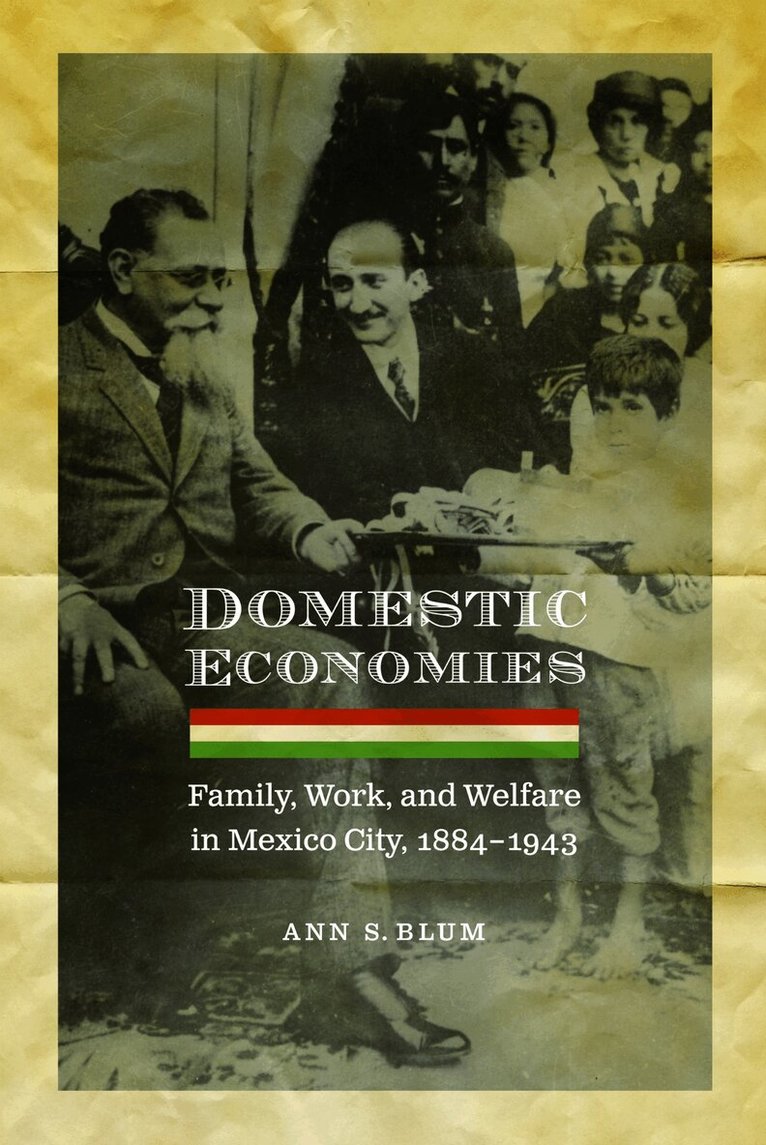
When Porfirio Díaz extended his modernization initiative in Mexico to the administration of public welfare, the families and especially the children of the urban poor became a government concern. Reforming the poor through work and by bolstering Mexico's emerging middle class were central to the government's goals of order and progress. But Porfirian policies linking families and work often endangered the children they were supposed to protect, especially when state welfare institutions became involved in the shadowy traffic of child labor. The Mexican Revolution, which followed, generated an unprecedented surge of social reform that was focused on families and accelerated the integration of child protection into public policy, political discourse, and private life. In ways that transcended the abrupt discontinuities and conflicts of the era, Porfirian officials, revolutionary leaders, and social reformers alike invoked idealized models of the Mexican family as the primary building block of society, making families, especially those of Mexico's working classes, the object of moralizing reform in the name of state construction and national progress. Domestic Economies: Family, Work, and Welfare in Mexico City, 1884–1943 analyzes family practices and class formation in modern Mexico by examining the ways in which family-oriented public policies and institutions affected cross-class interactions as well as relations between parents and children.
Häftad, Engelska, 2008
267 kr
Skickas inom 10-15 vardagar
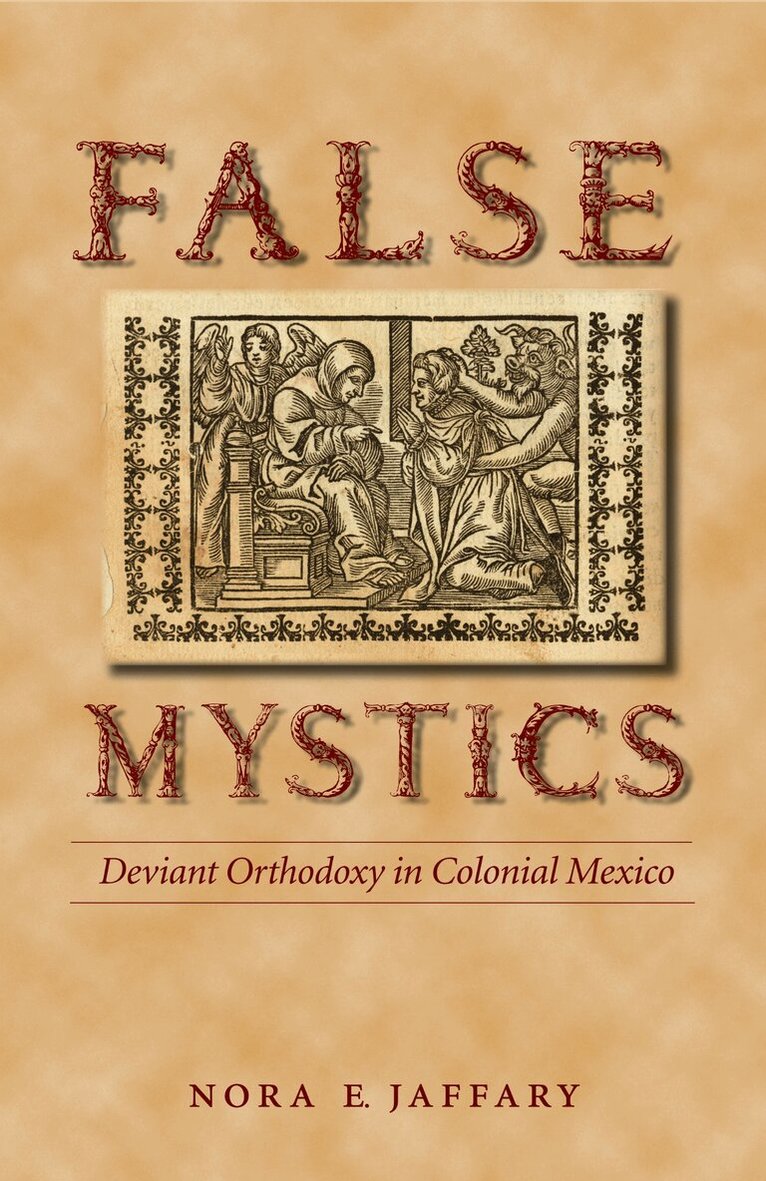
False Mystics provides a history of popular religion, race, and gender in colonial Mexico focusing on questions of spiritual and social rebellion and conformity. Nora E. Jaffary examines more than one hundred trials of "false mystics" whom the Mexican Inquisition prosecuted in the seventeenth and eighteenth centuries. While the accused experienced many of the same phenomena as bona fide mystics—visions, sacred illness, and bouts of demonic possession—the Mexican tribunal condemned them nevertheless. False Mystics examines why the Catholic church viewed the accused as deviants and argues that this categorization was due in part to unconventional aspects of their spirituality and in part to contemporary social anxieties over class and race mixing, transgressions of appropriate gendered behavior, and fears of Indian and African influences on orthodox Catholicism. Jaffary examines the transformations this category of heresy underwent between Spain and the New World and explores the relationship between accusations of "false" mysticism and contemporary notions of demonic possession, sickness, and mental illness. Jaffary adopts the perspectives of visionaries to examine the influence of colonial artwork on their spiritual imaginations and to trace the reasons that their spirituality diverged from conventional expressions of piety. False Mystics illuminates the challenges that popular religion and individual spirituality posed to both the institutional church and the colonial social order.
Häftad, Engelska, 2009
275 kr
Skickas inom 10-15 vardagar
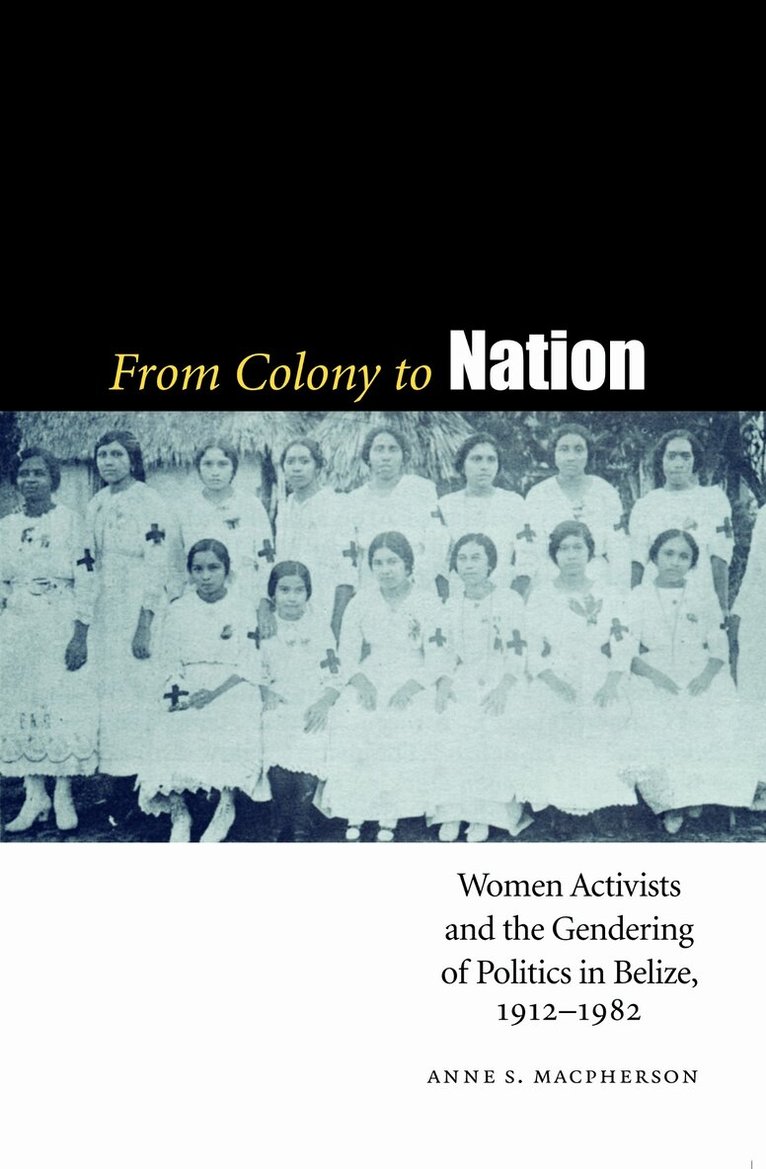
The first book on women's political history in Belize, From Colony to Nation demonstrates that women were creators of and activists within the two principal political currents of twentieth-century Belize: colonial-middle class reform and popular labor-nationalism. As such, their alliances and struggles with colonial administrators, male reformers, and nationalists and with one another were central to the emergence of this improbable nation-state. From Colony to Nation draws on extensive research and previously unmined sources such as almost one hundred interviews, colonial government records, the files of Belize's first feminist organization, and court records. Anne S. Macpherson examines the tensions of the 1910s that led to the 1919 anticolonial riot; the reform project of the 1920s, in which Garveyite women were key state allies; the militant anticolonial labor movement of the 1930s; the more ambitious reform project of the 1940s; the successful but nonrevolutionary nationalist movement of the 1950s; and the gender dynamics of party politics and both Black Power and feminist challenges to the party system in the 1960s and 1970s. From Colony to Nation connects to historiographies of racialized and gendered reform in colonial and other multiracial societies and of tensions between female activism and masculine authority within nationalist movements and postcolonial societies.
Häftad, Engelska, 2004
396 kr
Skickas inom 10-15 vardagar
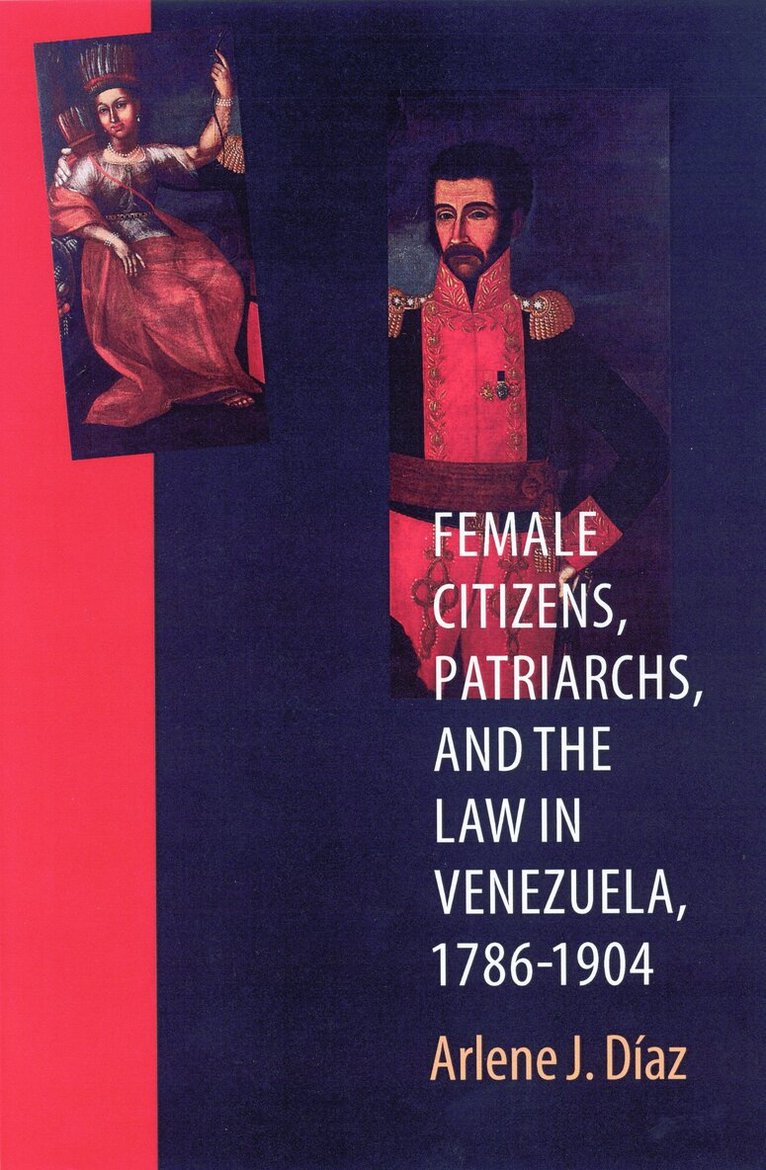
Female Citizens, Patriarchs, and the Law in Venezuela examines the effects that liberalism had on gender relations in the process of state formation in Caracas from the late eighteenth to the nineteenth century. The 1811 Venezuelan constitution granted everyone in the abstract, including women, the right to be citizens and equals, but at the same time permitted the continued use of older Spanish civil laws that accorded women inferior status and granted greater authority to male heads of households. Invoking citizenship for their own protection and that of their loved ones, some women went to court to claim the same civil liberties and protections granted to male citizens. In the late eighteenth century, colonial courts dispensed some protection to women in their conflicts with men; a century later, however, patriarchal prerogatives were reaffirmed in court sentences. Discouraging as this setback was, the actions of the women who had fought these legal battles raised an awareness of the discrepancies between the law and women's daily lives, laying the groundwork for Venezuelan women's organizations in the twentieth century.Drawing on a wealth of primary sources, historian Arlene Díaz shows how the struggle for political power in the modern state reinforced and reproduced patriarchal authority. She also reveals how Venezuelan women from different classes, in public and private, coped strategically with their paradoxical status as equal citizens who nonetheless lacked power because of their gender. Shedding light on a fundamental but little examined dimension of modern nation building, Female Citizens, Patriarchs, and the Law in Venezuela gives voice to historic Venezuelan women while offering a detailed look at a society making the awkward transition from the colonial world to a modern one.
Häftad, Engelska, 2006
331 kr
Skickas inom 10-15 vardagar
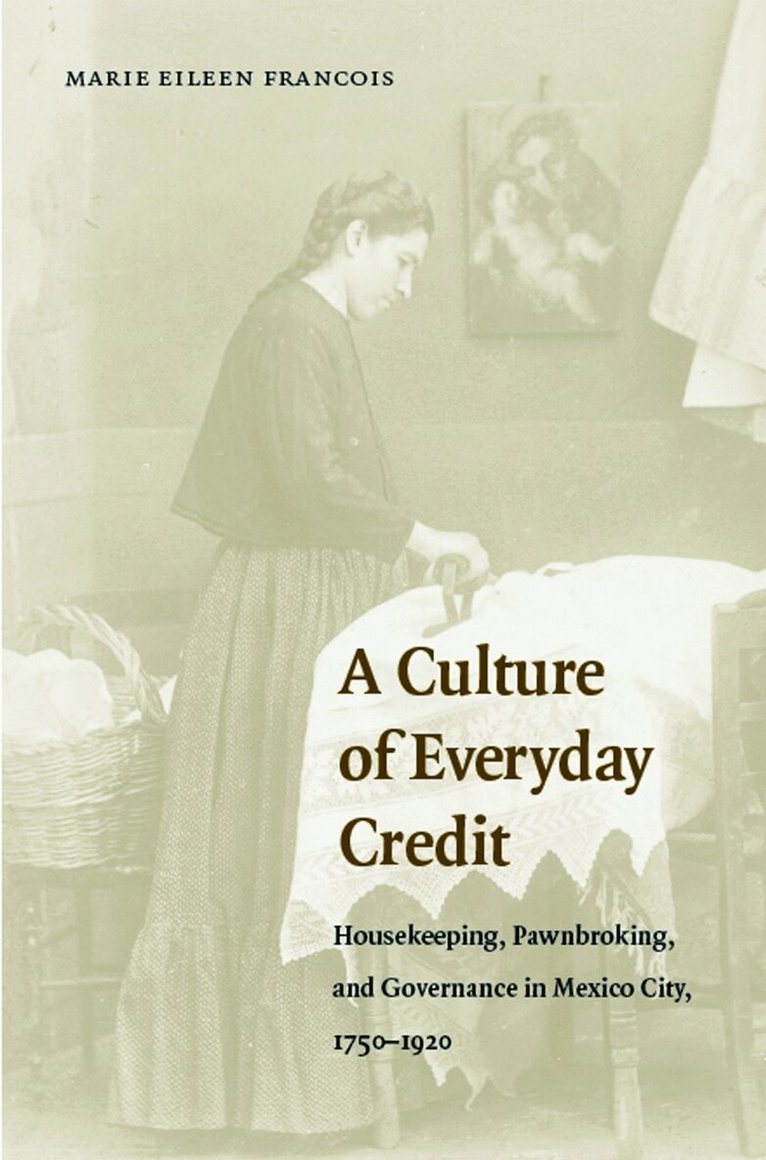
Pawning was the most common credit mechanism in Mexico City in the nineteenth century. A diverse, largely female pawning clientele from lower- and middle-class households regularly secured small consumption loans by hocking household goods. A two-tiered sector of public and private pawnbrokers provided collateral credit. Rather than just providing emergency subsistence for the poor, pawnbroking facilitated consumption by Creole and mestizo middle sectors of Mexican society and enhanced identity formation for those in middling households by allowing them to cash in on material investments to maintain status during lean times. A Culture of Everyday Credit shows how Mexican women have depended on credit to run their households since the Bourbon era and how the collateral credit business of pawnbroking developed into a profitable enterprise built on the demand for housekeeping loans as restrictions on usury waned during the nineteenth century. Pairing the study of household consumption with a detailed analysis of the rise of private and public pawnbroking provides an original context for understanding the role of small business in everyday life. Marie Eileen Francois weighs colonial reforms, liberal legislation, and social revolution in terms of their impact on households and pawning businesses.Based on evidence from pawnshop inventories, censuses, legislation, petitions, literature, and newspapers, A Culture of Everyday Credit portrays households, small businesses, and government entities as intersecting arenas in one material world, a world strapped for cash throughout most of the century and turned upside down during the Mexican Revolution.
Häftad, Engelska, 1995
275 kr
Skickas inom 10-15 vardagar
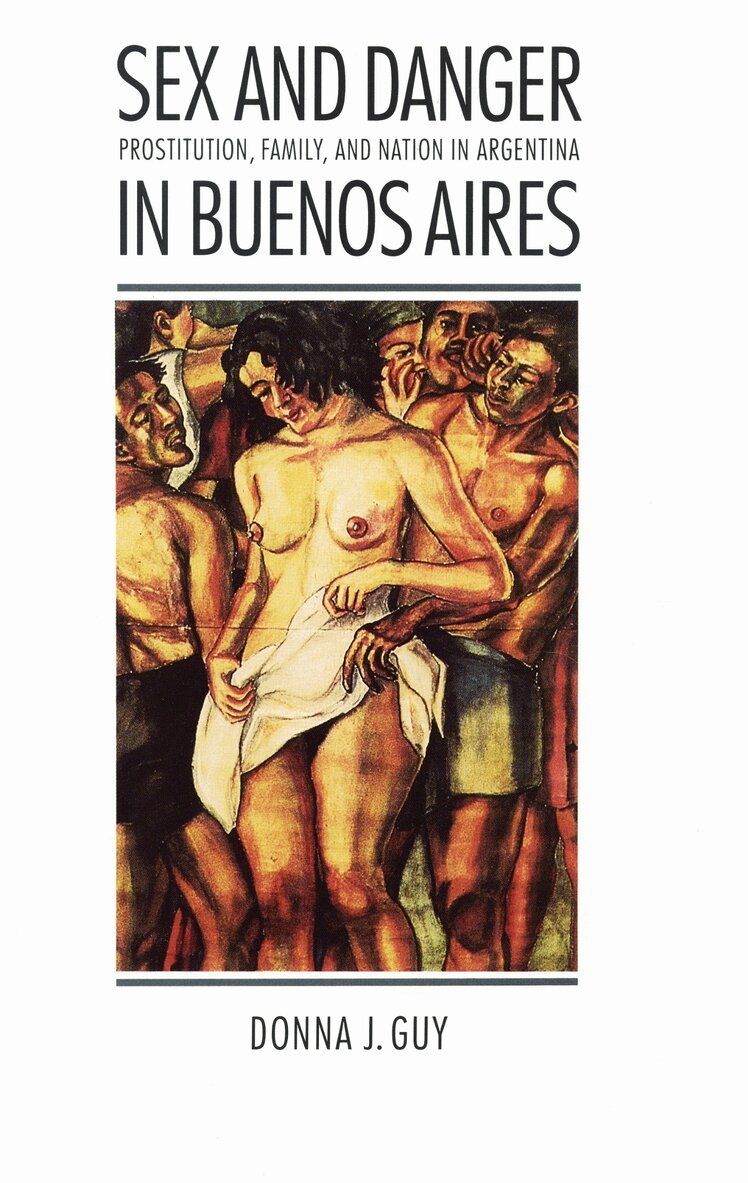
A study of prostitution necessarily examines questions of power, class, gender, and public health. In Sex and Danger in Buenos Aires these questions combine with particular force. During most of the time covered in this provocative book, from the late nineteenth century well into the twentieth, prostitution was legal in Argentina. Fears and anxieties concerning the effect of female sexual commerce on family and nation were rampant. Donna J. Guy looks at many aspects of the debate that followed an escalating demand for prostitutes by Argentines and European immigrants. She discusses the widespread fear of white slavery, the merits of medically supervised municipal houses of prostitution, the rights of local governments to restrict the civil liberties of citizens and foreigners, the censorship of literature and music dealing with the plight of prostitutes, and the potential criminality of unsupervised working women who might abandon their families. Guy also describes attempts to deal with female prostitution: rehabilitation, modifications of municipal bordello laws, and medical programs to prevent the spread of venereal disease. She makes clear that the treatment of "marginal" women by liberal politicians and doctors helped promoted policies of repression and censorship that would later be extended to other unacceptable social groups. Her study of how both local and national government in Argentina dealt with these women reveals important links between gender, politics, and economics.
Häftad, Engelska, 2000
349 kr
Skickas inom 10-15 vardagar
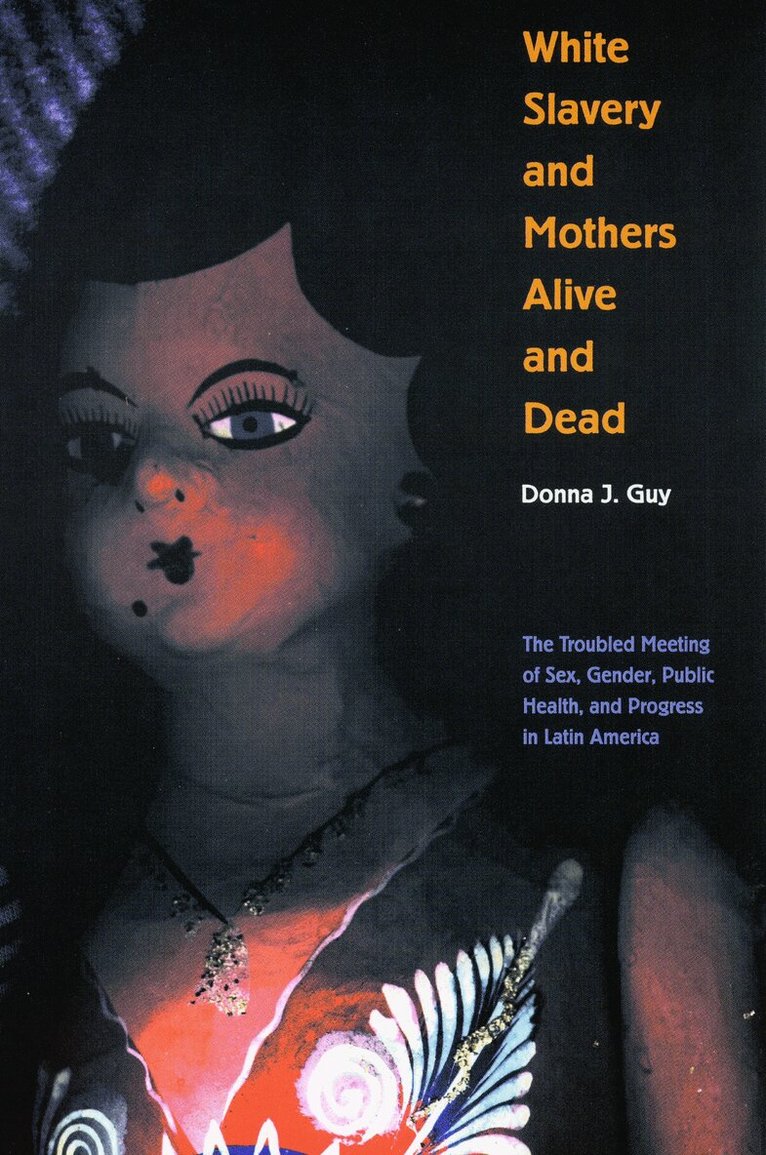
White Slavery and Mothers Alive and Dead brings together a diverse set of essays exploring topics ranging from public health and child welfare to criminality and industrialization. What the essays have in common is their gendered connection to work, family, and the rise of increasingly interventionist nation-states in Latin America, and particularly in Argentina. Donna J. Guy first looks at Latin American women from a general and international perspective. She explores which paradigms are most useful in studying gender history in Latin America. She also addresses the evolution of the Pan-American Child Congresses as well as the politics of Pan-American cooperation in relation to child welfare issues. Later essays focus on Argentina in the nineteenth and twentieth centuries. Guy looks at how women were affected by systems of forced labor, and she illuminates changes in the concept of patria potestad, or the right of male heads of households to control family members' labor. Other essays address such issues as public health, white slavery, and public notions of motherhood in Argentina.
Häftad, Engelska, 2004
321 kr
Skickas inom 10-15 vardagar
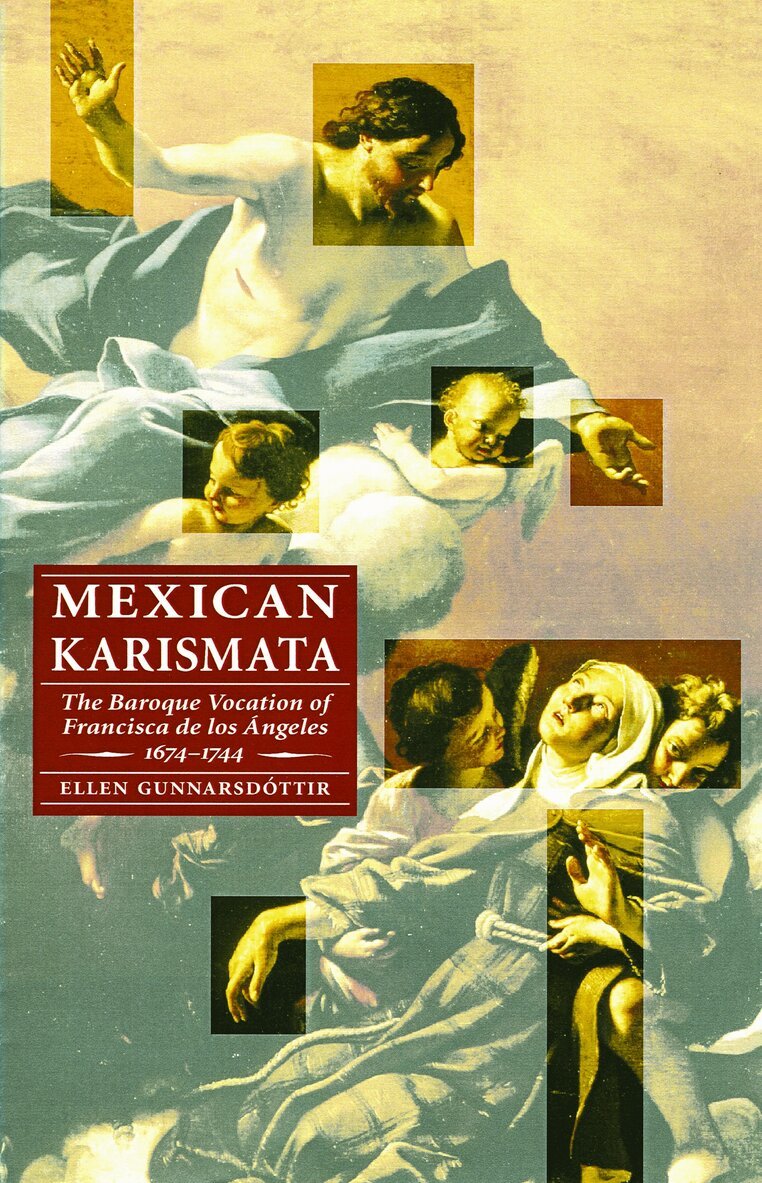
Mexican Karismata chronicles the life of Francisca de los Ángeles (1674–1744), the daughter of a poor Creole mother and mestizo father who became a renowned holy woman in her native city of Querétaro, Mexico, during the high Baroque period. As a precocious young visionary and later as the headmistress of an important religious institution for women, Francisca actively partook in the project to revitalize the Catholic cult in New Spain's northern regions led by her mentors, the Spanish missionaries of the Congregation for the Propagation of Faith. Her copious correspondence, containing hundreds of unedited letters, documents the personal experience of popular Catholicism during the high Baroque period in New Spain. Francisca's journey to God did not follow prescribed hagiographical guidelines, drawing its inspiration instead from an eclectic mix of the doctrines of the Counter-Reformation, medieval spirituality, and local traditions. Her ecstatic apostolate to the dead and living often bordered on heresy but found acceptance and came to fruition under the protection of Querétaro's ecclesiastical and secular elite. Her life shows how mystic rapture and sociability joined in this colonial variation of Early Modern Catholicism and demonstrates the remarkable vitality and openness of urban spirituality in the New World.
Häftad, Engelska, 1997
225 kr
Skickas inom 10-15 vardagar
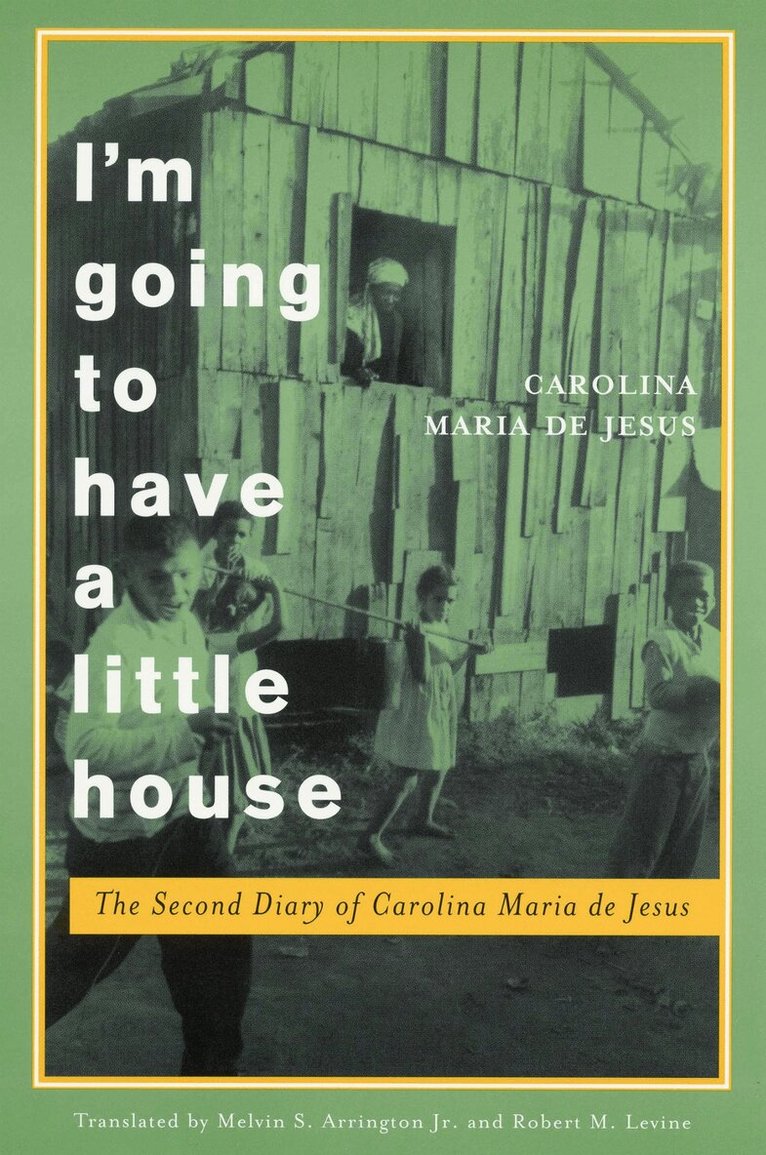
In August 1960 the publication of Quarto de Despejo (Child of the Dark) created a sensation in Brazil—and in the rest of the world—as it appeared in translations in fourteen languages. That diary of a poor black woman from a favela on the outskirts of São Paulo became the best-selling book in Brazilian history. In it, Carolina Maria de Jesus chronicled her life as an unemployed, single parent of three children, eking out a precarious existence selling scrap paper and other detritus found in the city streets. She described how she wrote at night on the scavenged scraps. Her remarkable diary—angry, proud, wretched, and hopeful—was found and published by an enterprising journalist. The book's success permitted Carolina to leave her flimsy shack in triumph and move into the cinder-block house of her fantasy. I'm Going to Have a Little House is de Jesus's second diary. It covers the first year following her rise to fame. In it she recounts her struggles with celebrity, middle-class expectations, and the racial and social tensions her success had exacerbated. This work, never previously translated into English, tells the rest of the story—the grim truth that favela life doesn't prepare one for middle-class "respectability" and that the fall back into poverty is as easy as the struggle to escape it is difficult. Carolina Maria de Jesus died in 1977, forgotten and in poverty.
Häftad, Engelska, 2002
387 kr
Skickas inom 10-15 vardagar
This innovative study considers how approximately seven thousand male graduates of law came to understand themselves as having a legitimate claim to authority over nineteenth-century Brazilian society during their transition from boyhood to manhood. While pursuing their traditional studies at Brazil's two law schools, the students devoted much of their energies to theater and literature in an effort to improve their powers of public speaking and written persuasion. These newly minted lawyers quickly became the magistrates, bureaucrats, local and national politicians, diplomats, and cabinet members who would rule Brazil until the fall of the monarchy in 1889.Andrew J. Kirkendall examines the meaning of liberalism for a slave society, the tension between systems of patriarchy and patronage, and the link between language and power in a largely illiterate society. In the interplay between identity and state formation, he explores the processes of socialization that helped Brazil achieve a greater measure of political stability than any other Latin American country.
Häftad, Engelska, 1998
331 kr
Skickas inom 10-15 vardagar
Feminists in the Southern Cone countries—Argentina, Chile, and Uruguay—between 1910 and 1930 obliged political leaders to consider gender in labor regulation, civil codes, public health programs, and politics. Feminism thus became a factor in the modernization of these geographically linked but diverse societies in Latin America. Although feminists did not present a unified front in the discussion of divorce, reproductive rights, and public-health schemes to regulate sex and marriage, this work identifies feminism as a trigger for such discussion, which generated public and political debate on gender roles and social change. Asunción Lavrin recounts changes in gender relations and the role of women in each of the three countries, thereby contributing an enormous amount of new information and incisive analysis to the histories of Argentina, Chile, and Uruguay.
Häftad, Engelska, 2005
321 kr
Skickas inom 10-15 vardagar
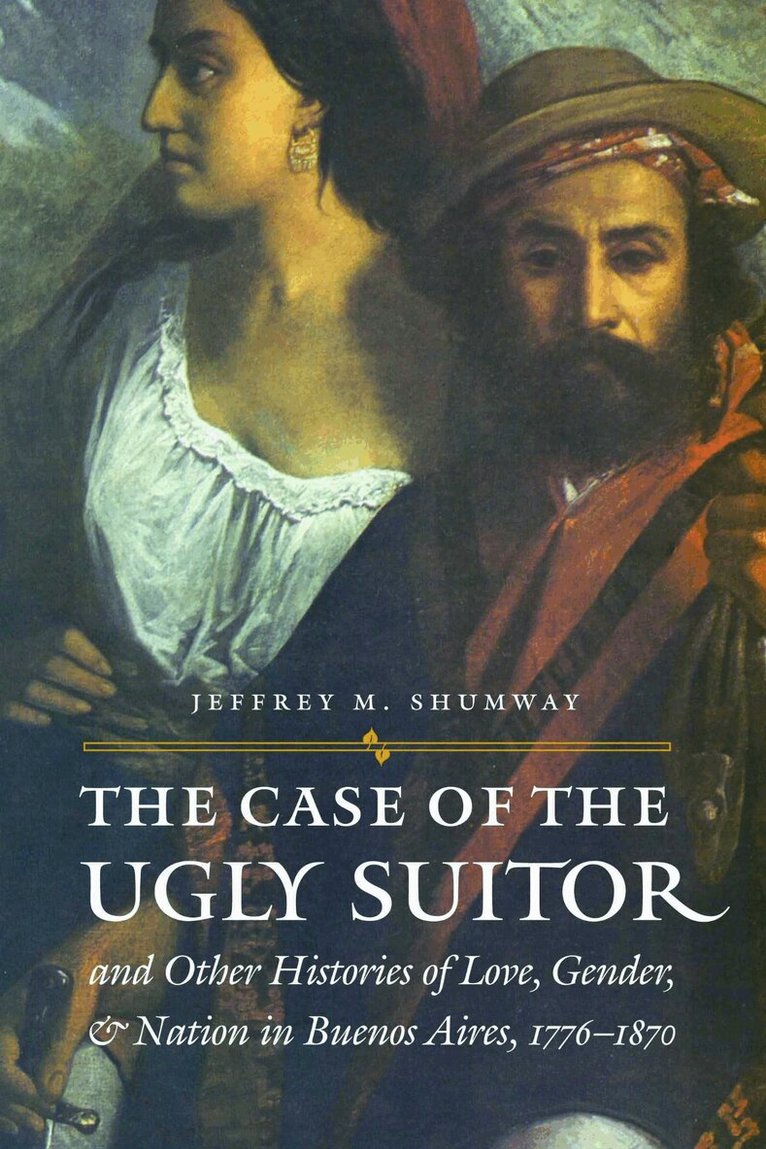
In 1840 Gumerscindo Arroyo hoped to marry Francisca Canicoba, but her father forbade it. Consequently, Francisca took her father to court for permission to marry, where he objected on the grounds that Arroyo was simply too ugly. In the courtrooms of nineteenth-century Buenos Aires, children battled parents in order to fulfill their romantic desires and marry the mate of their choice. Parents and guardians also struggled for custody of young children, which some did out of love while others were greedy for child labor. In courtrooms and elsewhere, women challenged their traditional status as social and intellectual inferiors. Though all these struggles existed in earlier times, the nineteenth century injected a new dynamic into such conflicts: Argentina's revolution against Spain and the subsequent attempts by political and intellectual leaders to craft a new nation out of the vestiges of Spanish colonialism. The family, many leaders recognized, was the vital building block of the nation. Hence, matters of the heart and hearth intertwined with matters of the state. Examining family conflicts and the political and legal backdrop of those cases reveals strong continuities in attitudes about gender and family. At the same time, ideological influences of the revolutionary movement combined with the practical needs of nation building to create new freedoms and new identities for women and children over the course of the nineteenth century. The Case of the Ugly Suitor brings these family and national struggles to life, many times in the words of the participants themselves.
Inbunden, Engelska, 2024
1 119 kr
Skickas inom 10-15 vardagar
In Maricas Javier FernÁndez-Galeano traces the erotic lives and legal battles of Argentine and Spanish gender- and sexually nonconforming people who carved out their own spaces in metropolitan and rural cultures between the 1940s and the 1980s. In both countries, agents of the state, judiciary, and medical communities employed “social danger” theory to measure individuals’ latent criminality, conflating sexual and gender nonconformity with legal transgression.Argentine and Spanish queer and trans communities rejected this mode of external categorization. Drawing on Catholicism and camp cultures that stretched across the Atlantic, these communities constructed alternative models of identification that remediated state repression and sexual violence through the pursuit of the sublime, be it erotic, religious, or cultural. In this pursuit they drew ideological and iconographic material from the very institutions that were most antagonistic to their existence, including the Catholic Church, the military, and reactionary mass media. Maricas incorporates non-elite actors, including working-class and rural populations, recruits, prisoners, folk music fans, and defendants’ mothers, among others. The first English-language monograph on the history of twentieth-century state policies and queer cultures in Argentina and Spain, Maricas demonstrates the many ways queer communities and individuals in Argentina and Spain fought against violence, rejected pathologization, and contested imposed, denigrating categorization.
Häftad, Engelska, 2024
331 kr
Skickas inom 10-15 vardagar
In Maricas Javier FernÁndez-Galeano traces the erotic lives and legal battles of Argentine and Spanish gender- and sexually nonconforming people who carved out their own spaces in metropolitan and rural cultures between the 1940s and the 1980s. In both countries, agents of the state, judiciary, and medical communities employed “social danger” theory to measure individuals’ latent criminality, conflating sexual and gender nonconformity with legal transgression.Argentine and Spanish queer and trans communities rejected this mode of external categorization. Drawing on Catholicism and camp cultures that stretched across the Atlantic, these communities constructed alternative models of identification that remediated state repression and sexual violence through the pursuit of the sublime, be it erotic, religious, or cultural. In this pursuit they drew ideological and iconographic material from the very institutions that were most antagonistic to their existence, including the Catholic Church, the military, and reactionary mass media. Maricas incorporates non-elite actors, including working-class and rural populations, recruits, prisoners, folk music fans, and defendants’ mothers, among others. The first English-language monograph on the history of twentieth-century state policies and queer cultures in Argentina and Spain, Maricas demonstrates the many ways queer communities and individuals in Argentina and Spain fought against violence, rejected pathologization, and contested imposed, denigrating categorization.
Inbunden, Engelska, 2024
1 119 kr
Skickas inom 10-15 vardagar
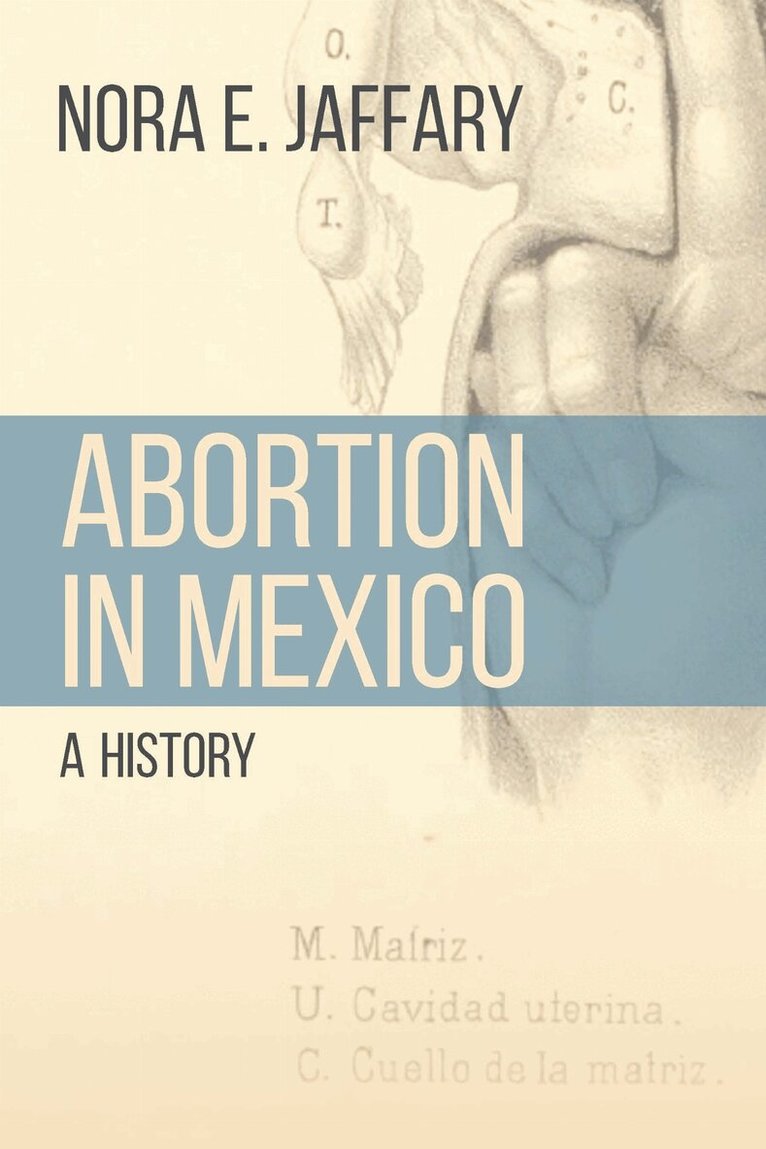
Abortion in Mexico: A History concisely examines the long history of abortion from the early postcontact period through the present day in Mexico by studying the law, criminal and ecclesiastical trials, medical texts, newspapers, and other popular publications.Nora E. Jaffary draws on courts’ and medical practitioners’ handling of birth termination to advance two central arguments. First, Jaffary contends, the social, legal, and judicial condemnation of abortion should be understood more as an aberration than the norm in Mexico, as legal conditions and long periods of Mexican history indicate that the law, courts, the medical profession, and everyday Mexicans tolerated the practice. Second, the historical framework of abortion differed greatly from its present representation. The language of fetal personhood and the notion of the inherent value of human life were not central elements of the conceptualization of abortion until the late twentieth century. Until then, the regulation of abortion derived exclusively out of concerns for pregnant people themselves, specifically about their embodiment of sexual honor.In Abortion in Mexico Jaffary presents the first longue durÉe examination of this history from a variety of locations in Mexico, providing a concise yet comprehensive overview of the practice of abortion and informing readers of just how much the debate has evolved.
Inbunden, Engelska, 2026
1 094 kr
Kommande
Häftad, Engelska, 2024
275 kr
Skickas inom 10-15 vardagar
Abortion in Mexico: A History concisely examines the long history of abortion from the early postcontact period through the present day in Mexico by studying the law, criminal and ecclesiastical trials, medical texts, newspapers, and other popular publications.Nora E. Jaffary draws on courts’ and medical practitioners’ handling of birth termination to advance two central arguments. First, Jaffary contends, the social, legal, and judicial condemnation of abortion should be understood more as an aberration than the norm in Mexico, as legal conditions and long periods of Mexican history indicate that the law, courts, the medical profession, and everyday Mexicans tolerated the practice. Second, the historical framework of abortion differed greatly from its present representation. The language of fetal personhood and the notion of the inherent value of human life were not central elements of the conceptualization of abortion until the late twentieth century. Until then, the regulation of abortion derived exclusively out of concerns for pregnant people themselves, specifically about their embodiment of sexual honor.In Abortion in Mexico Jaffary presents the first longue durÉe examination of this history from a variety of locations in Mexico, providing a concise yet comprehensive overview of the practice of abortion and informing readers of just how much the debate has evolved.
Inbunden, Engelska, 2026
1 119 kr
Skickas inom 10-15 vardagar
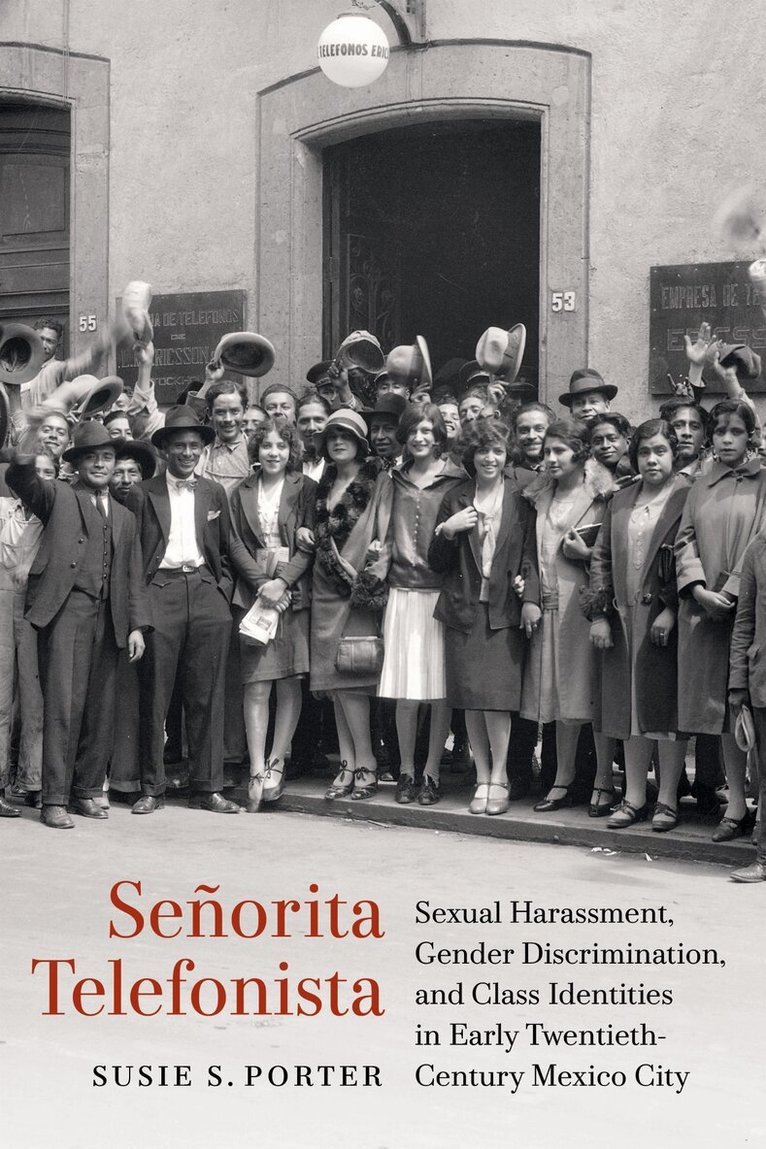
In Señorita Telefonista Susie S. Porter recounts the dynamic role of telephone operators in labor organizing in early twentieth-century Mexico City, taking us from switchboards to union halls and into the streets as working women fought for better wages and against sexual discrimination and harassment. The telephone operators' struggles reveal how bodily autonomy is historically contingent and constructed through the lived experiences of class. When and where were working-class identities available to women who wanted to make demands as workers? How did middle-class conceptions of respectability, sexual and otherwise, limit the space for working women to speak against male authority and to denounce assaults on their bodily autonomy? Porter charts the shifts in the ways women could (or could not) speak out against discrimination related to gender, marital status, and pregnancy.Señorita Telefonista examines the emergence of the idea that women were maladapted to the workplace and charts Mexican women's fight to claim their rights as workers. As languages of class circulated and identities were made and unmade––by management, organized labor, working men, and working women themselves––women's support for organized labor hung in the balance.
Häftad, Engelska, 2026
387 kr
Skickas inom 10-15 vardagar
In Señorita Telefonista Susie S. Porter recounts the dynamic role of telephone operators in labor organizing in early twentieth-century Mexico City, taking us from switchboards to union halls and into the streets as working women fought for better wages and against sexual discrimination and harassment. The telephone operators' struggles reveal how bodily autonomy is historically contingent and constructed through the lived experiences of class. When and where were working-class identities available to women who wanted to make demands as workers? How did middle-class conceptions of respectability, sexual and otherwise, limit the space for working women to speak against male authority and to denounce assaults on their bodily autonomy? Porter charts the shifts in the ways women could (or could not) speak out against discrimination related to gender, marital status, and pregnancy.Señorita Telefonista examines the emergence of the idea that women were maladapted to the workplace and charts Mexican women's fight to claim their rights as workers. As languages of class circulated and identities were made and unmade––by management, organized labor, working men, and working women themselves––women's support for organized labor hung in the balance.
Häftad, Engelska, 2026
352 kr
Kommande