Food Microbiology - Böcker
Visar alla böcker i serien Food Microbiology. Handla med fri frakt och snabb leverans.
8 produkter
8 produkter
995 kr
Skickas inom 10-15 vardagar
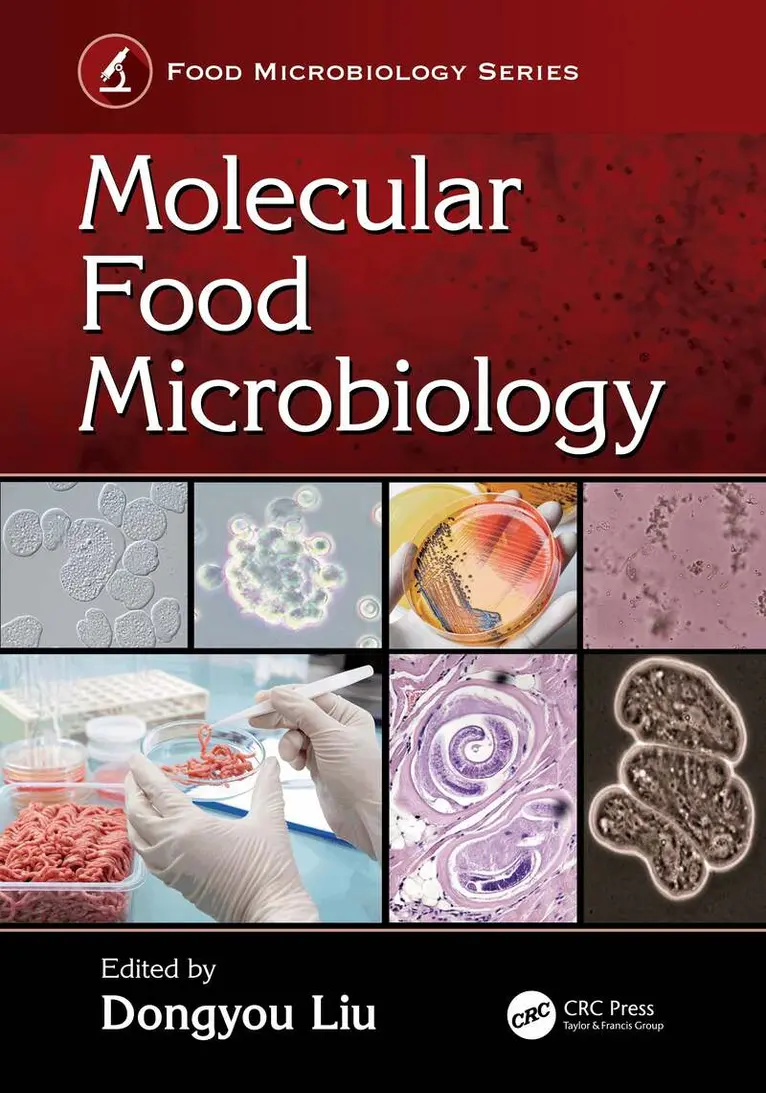
The elucidation of DNA double helix in 1953 and the publication of DNA cloning protocol in 1973 have put wings under the sail of molecular biology, which has since quietly revolutionized many fields of biological science, including food microbiology. Exploiting the power and versatility of molecular technologies, molecular food microbiology extends and greatly improves on phenotypically based food microbiology, leading to the development of better diagnostics for foodborne infections and intoxications, and contributing to the design of more effective therapeutics and prophylaxes against foodborne diseases.Forming part of the Food Microbiology series, Molecular Food Microbiology provides a state of art coverage on molecular techniques applicable to food microbiology. While the introductory chapter contains an overview on the principles of current DNA, RNA and protein techniques and discusses their utility in helping solve practical problems that food microbiology is facing now and in the future, the remaining chapters present detailed moleuclar analyses of selective foodborne viruses, bacteria, fungi and parasites.Key Features: Contains a state of art overview on moleuclar techniques applicable to food microbiology research and development Presents in-depth molecular analysis of selective foodborne viruses, bacteria, fungi and parasites Highlights the utility of molecular tecniques for accurate diagnosis and effective control of foodborne diseases Includes expert contributions from international scientists involved in molecular food microbiology research Represents a highly informative textbook for students majoring in food, medical, and veterinary microbiology Offers a contemporary reference for scholars and educators wishing to keep abreast with the latest developments in molecular food microbiology With contributions from international scientists involved in molecular food microbiology research, this book constitutes an informative textbook for undergraduates and postgraduates majoring in food, medical, and veterinary microbiology; represents an indispensable guide for food, medical, and veterinary scientists engaged in molecular food microbiology research and development; and offers a contemporary update for scholars and educators trying to keep in touch with the latest developments in molecular food microbiology.
2 578 kr
Skickas inom 10-15 vardagar
The elucidation of DNA double helix in 1953 and the publication of DNA cloning protocol in 1973 have put wings under the sail of molecular biology, which has since quietly revolutionized many fields of biological science, including food microbiology. Exploiting the power and versatility of molecular technologies, molecular food microbiology extends and greatly improves on phenotypically based food microbiology, leading to the development of better diagnostics for foodborne infections and intoxications, and contributing to the design of more effective therapeutics and prophylaxes against foodborne diseases.Forming part of the Food Microbiology series, Molecular Food Microbiology provides a state of art coverage on molecular techniques applicable to food microbiology. While the introductory chapter contains an overview on the principles of current DNA, RNA and protein techniques and discusses their utility in helping solve practical problems that food microbiology is facing now and in the future, the remaining chapters present detailed moleuclar analyses of selective foodborne viruses, bacteria, fungi and parasites.Key Features: Contains a state of art overview on moleuclar techniques applicable to food microbiology research and development Presents in-depth molecular analysis of selective foodborne viruses, bacteria, fungi and parasites Highlights the utility of molecular tecniques for accurate diagnosis and effective control of foodborne diseases Includes expert contributions from international scientists involved in molecular food microbiology research Represents a highly informative textbook for students majoring in food, medical, and veterinary microbiology Offers a contemporary reference for scholars and educators wishing to keep abreast with the latest developments in molecular food microbiology With contributions from international scientists involved in molecular food microbiology research, this book constitutes an informative textbook for undergraduates and postgraduates majoring in food, medical, and veterinary microbiology; represents an indispensable guide for food, medical, and veterinary scientists engaged in molecular food microbiology research and development; and offers a contemporary update for scholars and educators trying to keep in touch with the latest developments in molecular food microbiology.
3 979 kr
Skickas inom 10-15 vardagar
Clearly linked to consumption of foods, beverages, and drinking water that contain pathogenic microbes, toxins, or other toxic agents, foodborne diseases have undergone a remarkable change of fortune in recent decades, from once rare and insignificant malaises to headline-grabbing and deadly outbreaks. Unquestionably, several factors have combined to make this happen. These include a prevailing demand for the convenience of ready-to-eat or heat-and-eat manufactured food products that allow ready entry and survival of some robust, temperature-insensitive microorganisms; a drastic reduction in the costs of air, sea, and road transportation that has taken some pathogenic microorganisms to where they were absent previously; an expanding world population that has stretched the boundary of human activity; and an ageing population whose weakened immune functions provide a fertile ground for opportunistic pathogens to invade and thrive.Given the diversity of causative agents (ranging from viruses, bacteria, yeasts, filamentous fungi, protozoa, helminthes, toxins, to toxic agents), and the ingenuity of pathogenic microbes to evolve through genetic reassortment, horizontal gene transfer, and/or random genetic mutation, it has become an enormous challenge to understand how foodborne agents are able to evade host immune defenses and induce diseases, and also to develop and apply innovative approaches for improved diagnosis, treatment, and prevention of foodborne diseases. Handbook of Foodborne Diseases summarizes the latest findings on more than 100 foodborne diseases and their causative agents. With contributions from international experts on foodborne pathogens, toxins, and toxic agents research, this volume provides state-of-the-art overviews on foodborne diseases in relation to their etiology, biology, epidemiology, clinical presentation, pathogenesis, diagnosis, treatment, and prevention. Apart from offering a comprehensive textbook for undergraduate and postgraduate students in food, medical, and veterinary microbiology, this volume constitutes a valuable reference on foodborne diseases for medical professionals and health authorities, and forms an informative educational resource for the general public.
2 970 kr
Skickas inom 7-10 vardagar
A part of the Food Microbiology Series, Molecular Biology of Food and Water Borne Mycotoxigenic and Mycotic Fungi reveals similarities between fungi present in/on food and water and those that cause human fungal diseases. The book covers food borne mycotoxigenic fungi in depth and examines food borne fungi from the standpoint of mycoses (i.e. fungal growth on humans) as well as mycotoxin diseases and includes contributions from a wide range of international experts in food borne fungal pathogens research.Designed to be a single source on food borne human fungal pathogens including mycotoxigenic fungi, the book presents: Basic concepts of developments in nomenclature and bar coding Authoritative description of key molecular techniques applicable to food borne fungal pathogens research State-of-art review of molecular biology, genome structure, epidemiology, pathogenesis, diagnosis, control, and prevention of major food borne fungal pathogens Thorough discussion of alternative methods to those involving nucleic acids The book provides higher-level knowledge of which foods and water can contain potentially dangerous fungi. It includes background information on basic mycology, covers identification methods, and discusses molecular biological and other biochemical methods, and supplies information on vaccines against fungi. It is a reliable roadmap to future developments in improved, innovative molecular methods.
2 713 kr
Skickas inom 10-15 vardagar
While a number of introductory books on basic and molecular biology are available, none highlight the foodborne parasitic pathogens. Until now. A state-of-the-art review, Biology of Foodborne Parasites charts significant progress and outlines key biological techniques applied to foodborne parasitic pathogens research. The book covers basic biology, genetics and genomics, epidemiology, pathogenesis, diagnosis, control, and prevention. It showcases recent research that can then be used to spark further breakthroughs.The book addresses challenging issues in food pathogen detection. It details individual foodborne protists and helminthes, with each chapter following a similar format for a consistent presentation of information. It discusses topics ranging from basic biology, genetics and genomics, molecular detection and typing, and pathogenesis to epidemiology, molecular epidemiology, treatment and prevention, among other current concerns. It also details the methods used to diagnose the infection, characterize the pathogen, and detect parasites in three food commodities: meats, water, and fresh produce.With chapters written by experts in their respective fields, the book presents a reliable roadmap for future development of improved, innovative biological and molecular methods for analysis of foodborne parasitic pathogens. A handy, comprehensive reference on all aspects of biology of foodborne parasites, it highlights research needs and directions, helping you develop advanced diagnostic tools and new intervention measures.
2 781 kr
Skickas inom 7-10 vardagar
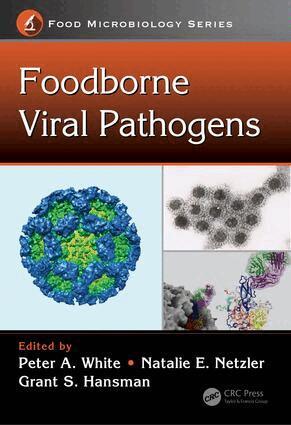
Viral transmission through contaminated food and water claims hundreds of thousands of lives every year, particularly affecting children in developing nations. Foodborne viral pathogens are associated with gastroenteritis and hepatitis, causing widespread epidemics that affect all populations and demographics worldwide. Foodborne Viral Pathogens comprehensively covers the predominant etiological viral agents of foodborne disease, including norovirus, hepatitis A virus, hepatitis E virus, astrovirus, sapovirus and rotavirus, and several emerging viruses and prions. By improving food safety awareness and viral detection, and through promotion of global food safety standards, our ability to cope with and control foodborne disease will be enhanced. Foodborne Viral Pathogens includes a detailed review of the molecular biology, potential vaccines, and available antiviral treatments of all major foodborne viral pathogens and prions. Written by specialists and leading virologists, this book features techniques used for typing, viral detection, strategies for control, and viral risk assessments. This book is intended as a detailed handbook for food microbiology and medical applications and will be a useful guide for anyone with an interest in foodborne disease.
3 839 kr
Skickas inom 10-15 vardagar
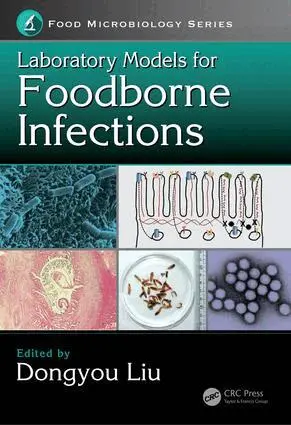
Resulting from ingestion of inappropriately prepared or stored foods containing pathogenic viruses, bacteria, fungi and parasites, foodborne infections have become a significant source of human morbidity and mortality worldwide in recent decades. This may be largely attributable to the remarkable popularity of convenient, ready-to-eat food products, the dramatic expansion of international food trades, and the continuing growth of immuno-suppressed population groups. Although anti-microbial treatments have played a crucial part in the control of foodborne infections in the past, the emergence and spread of anti-microbial resistance render the existing treatments ineffective. Additionally, our limited understanding of the molecular mechanisms of foodborne infections has thwarted our efforts in the development of efficacious vaccines for foodborne pathogens. Given the obvious benefits of laboratory models in foodborne disease research, a great number of experiments have been conducted toward the elucidation of host-pathogen interactions in and pathogenic mechanisms of foodborne infections. Forming part of the Food Microbiology series, Laboratory Models for Foodborne Infections presents a state-of-the-art review of laboratory models that have proven valuable in deciphering the life cycle, epidemiology, immunobiology, and other key aspects of foodborne pathogens. Written by scientists with respective expertise in foodborne pathogen research, each chapter includes a contemporary summary of a particular foodborne viral, bacterial, fungal, or parasitic infection in relation to its life cycle, epidemiology, clinical features, pathogenesis, host-pathogen interactions, and other related aspects. Besides providing a trustworthy source of information for undergraduates and postgraduates in food microbiology, Laboratory Models for Foodborne Infections offers an invaluable guide for scientists and food microbiologists with interest in exploiting laboratory models for detailed study of foodborne infections.
2 766 kr
Skickas
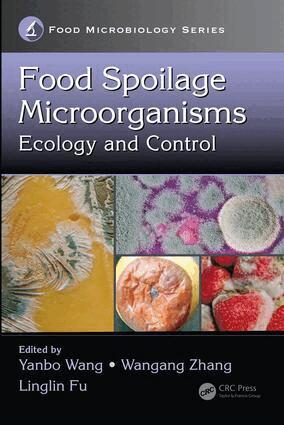
Food Spoilage Microorganisms: Ecology and Control focuses on the occurrence, outbreak, consequences, control, and evaluation of spoilage microorganisms in food, providing the necessary basic knowledge of food spoilage ecology and control so as to ensure food safety, especially in developing countries where food hygiene in storage requires special care. The first part of the book looks at spoilage microorganisms in plant origin foods, such as cereals, beans, fruits, and vegetables, and the second part tackles the spoilage microorganisms in animal origin foods like meat, poultry, seafood, powdered milk, and egg products. In each chapter, the taxonomy of spoilage microorganisms, spoilage characteristics, consequences and possible mechanisms, and specific methods for detection and evaluation are discussed based on the basis surface introduction. The control, prevention, and management options for spoilage microorganisms are also presented. In addition, opportunities and challenges are summarized and predicted in the last part of each chapter.