Images of War – serie
Visar alla böcker i serien Images of War. Handla med fri frakt och snabb leverans.
82 produkter
82 produkter
Häftad, Engelska, 2021
160 kr
Skickas
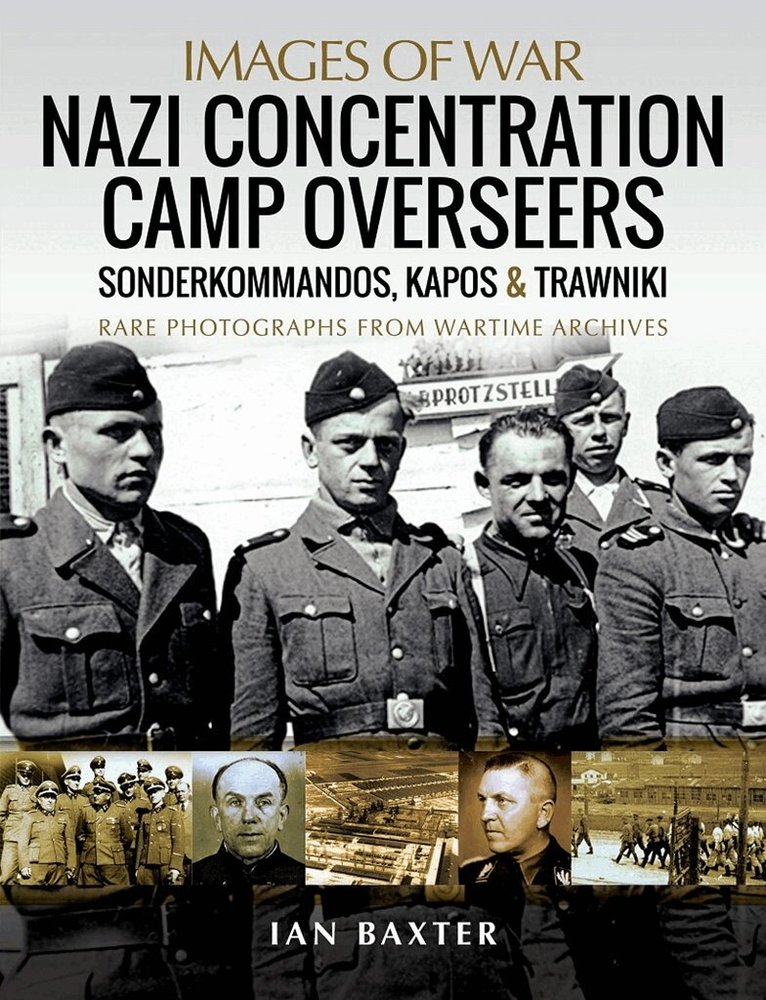
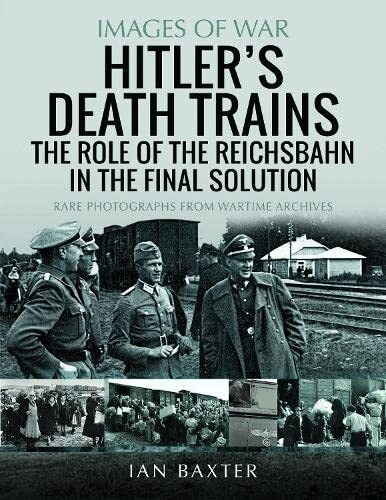
The Nazis' vast concentration camp network and, later, the 'Final Solution' programme made heavy demands on the SS whose responsibility it was. The use of 'overseers' minimised costs and enabled the camps to run with fewer SS personnel. As this well researched book describes, there were three principal groups of 'helpers': Sonderkommandos, Kapos and Trawniki.The Sonderkommandos' duties included unloading Jews from trains, collecting their possessions and allocating work details. Under SS supervision, they also ran the gas chambers and crematoria.The Kapos oversaw the Sonderkommandos. Many were originally prisoner functionaries recruited from violent criminal gangs and had a well-deserved reputation for brutality.The third group, known as Trawniki or Trawnikimanner, were Central and Eastern European collaborators recruited from Russian POW camps. While some served in a military capacity, others played an instrumental role in the Holocaust programme, rounding up and transporting Jews from the ghettos to the concentration camps.The graphic images and text of this Images of War series work demonstrate that the 'overseer' system was extensive and effective as its members competed without scruple to maintain the favour of their SS masters while pitting victim against victim.
Häftad, Engelska, 2023
181 kr
Skickas
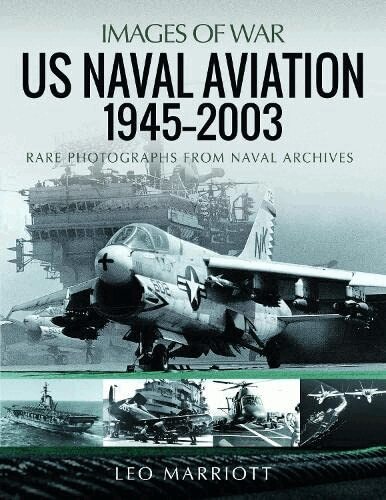
In this the highly illustrated second volume of his history of US naval aviation, Leo Marriott takes the reader through the extraordinary developments in design and capability that transformed American aircraft and aircraft carriers after the Second World War, and he describes the succession of conflicts in which they were deployed. Increasingly, advanced jets replaced propeller-driven aircraft and nuclearpowered carriers allowed the US Navy to project American military power across the world. As the many remarkable photographs in this book show, wherever naval aviation was involved, it played a crucial role, especially in the wars in Korea and Vietnam.The vessels built in the 1940s to fight in the war against Japan gave way to a new generation of super carriers. Supersonic fighters and strike aircraft entered service - the F-8 Crusaders and F-4 Phantoms of the Vietnam era, then the F-14 Tomcat, F/A-18 Hornet and S-3 Viking of more recent times. Carrier-based helicopters became more important, first for search-and-rescue missions, then for anti-submarine warfare and for landing assault forces. Throughout this period of the Cold War the US Navy's carriers and aviation served to demonstrate American power worldwide and to counter the threat represented by the Soviet Union's challenge to US mastery of the seas.
Häftad, Engelska, 2020
182 kr
Skickas
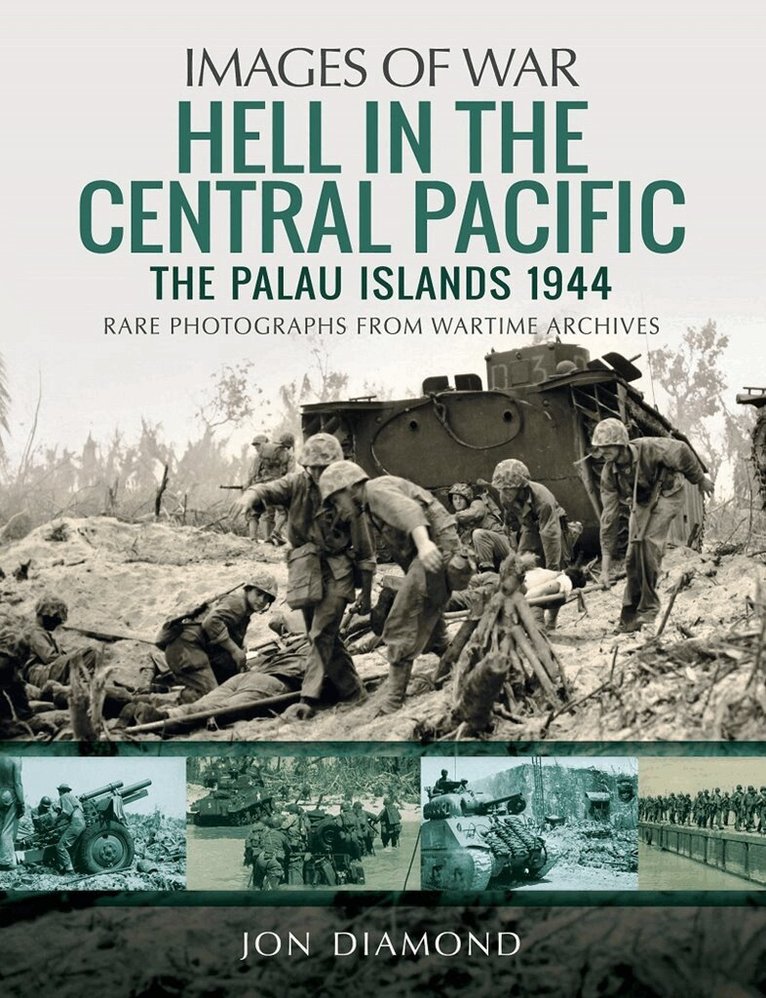
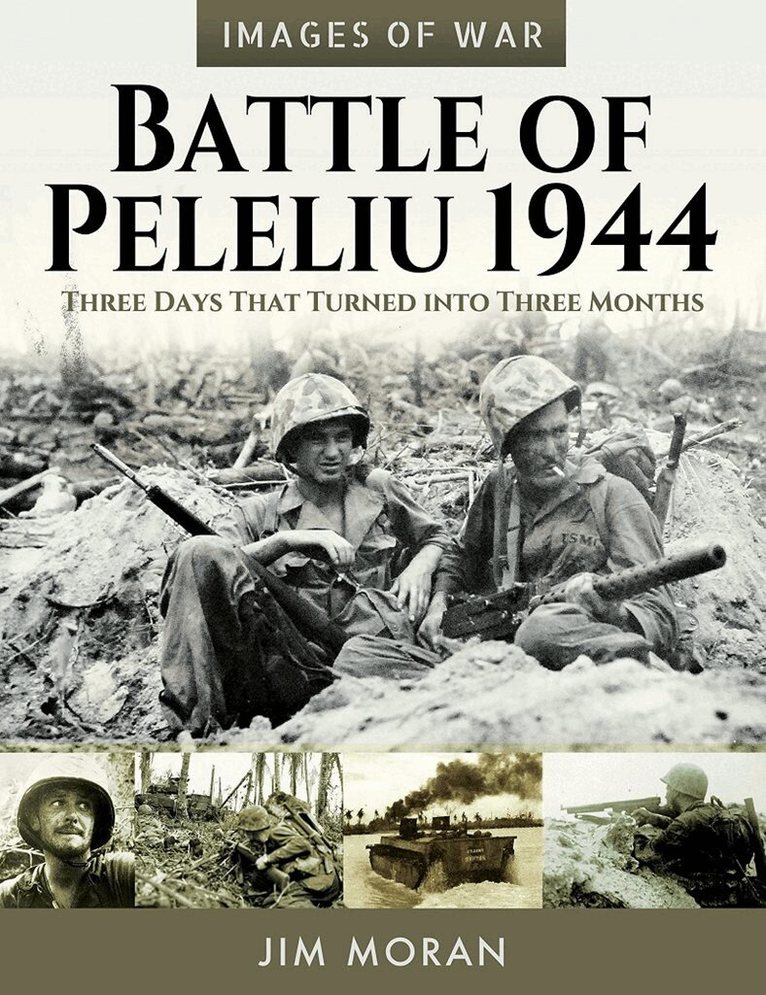
In September 1944, to prevent Japanese air interdiction against General MacArthur's planned invasion of the Southern Philippines, the Americans attacked Peleliu and Angaur in the Palau group of the Western Caroline Islands. Admiral Halsey, commanding the US Third Fleet, feared the heavily defended Palaus would be costly for his III Amphibious Corps comprising the 1st Marine Division and the 81st Infantry Division.While Angaur fell in four days, on Peleliu the Japanese resisted tenaciously using their underground fortifications on the Umurbrogel Ridge overlooking the airfield. It was only after over two months' bitter fighting that the Americans finally controlled the Island. Despite the heavy cost, the benefits of this hard fought and costly victory were doubtful. In the event, Mindanao and other Southern Philippine Islands were bypassed by MacArthur in favour of a direct assault on Leyte on 20 October. But, as the graphic images and well researched text bear witness, there is no denying the courage and determination shown by the attacking US forces.
Häftad, Engelska, 2020
186 kr
Skickas
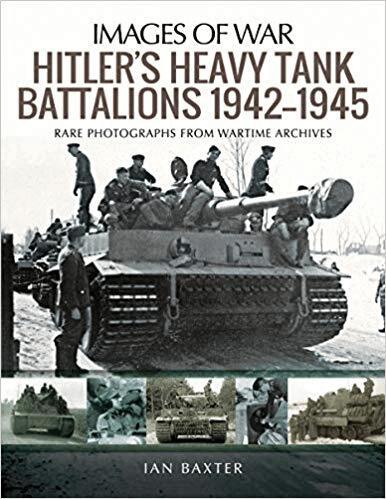
With rare, often unpublished photographs and full captions Hitler's Heavy Tank Battalions provides a superb record of the Wehrmacht's Schwere Panzerableilung on operations between 1942 and 1945.In addition to the Tiger I and successor Tiger II heavy tanks, these battalions were equipped with Pz.Kpfw III's, Flakpanzer IV, Sd. Kfz 7/1 self-propelled anti-aircraft guns, Sd.Kfz 9 and 10 halftracks, Sd.Kfz 2 and Kettenkrad gun tractors. The Tigers required substantial maintenance and the Berge Panther armoured recovery vehicle played a key role.Heavy tank battalions saw action on the Eastern Front, in Italy and North West Europe before being pushed back to Berlin for the final defensive battles and there are graphic photographs and descriptions of vehicles on operations in all these theatres.While feared by the Allies in the early years, these units suffered increasing attrition from anti-tank artillery, ground attack aircraft and mechanical issues.Modellers and equipment buffs in particular will find this latest Images of War book extremely useful and fascinating.
Häftad, Engelska, 2020
160 kr
Skickas
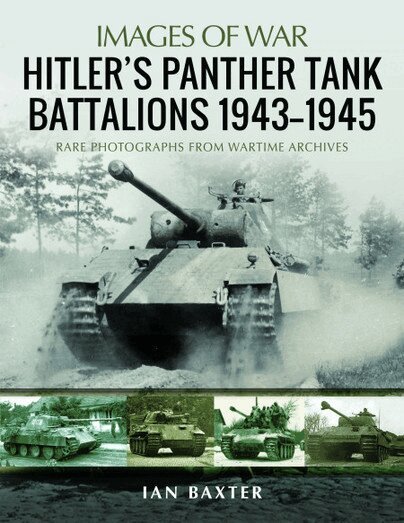
From July 1943 to the Nazis' final defeat in May 1945 the Panther main battle tank and its variants were the mainstay of Germany's armoured forces. This superbly engineered fighting vehicle offered a lethal combination of firepower, mobility and protection.As this classic Images of War series title reveals, the Panther saw non-stop fighting on the Eastern, Western and Italian fronts. Using rare and often unpublished contemporary photographs with full captions and authoritative text, it provides a comprehensive coverage of elite Panther battalions in action.The book traces the development of the Panther, for example into tank hunter (Panzerjager), and also covers the other supporting vehicles that formed part of the Panther battalions' establishment. These included armoured recovery, Bergepanther, halftracks, Sd.kfz.2 Kettenrad, gun tractors and communications vehicles.
Häftad, Engelska, 2021
160 kr
Skickas
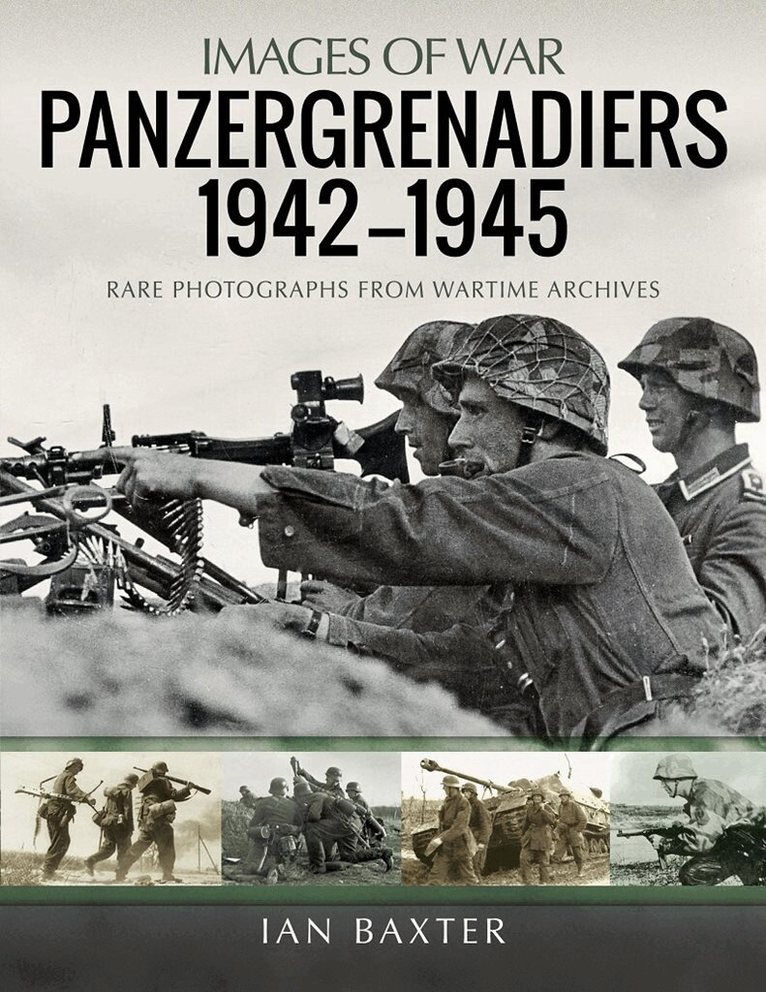
The term Panzergrenadier was introduced in 1942 and applied equally to the infantry component of Wehrmacht, Luftwaffe and later Waffen-SS Panzergrenadiere divisions.As this classic new Images of War book describes, these elite divisions fought as mechanized infantry and escort for and in close cooperation with panzers and other armoured fighting vehicles. Trained to fight both mounted and on foot, their priority was to maintain the fast momentum of armoured troops on the battlefield.Using a wealth of rare, often unpublished, photographs with detailed captions and text, the author charts the fighting record of the Wehrmacht and Luftwaffe Panzergrenadiertruppe units.This includes their initial successes on the Eastern Front. But as defeat approached, they were forced on the defensive on all fronts including the bitter fighting in Italy and the Western Front. As well as describing their many actions, the book details the vehicles and weapons used and main personalities.
Häftad, Engelska, 2019
160 kr
Skickas
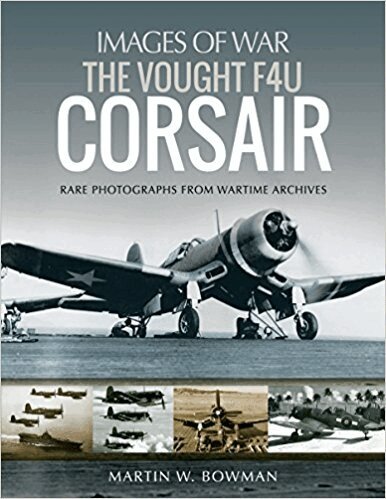
First flown in 1940, the prototype Vought F4U Corsair instantly became the fastest fighter in the world and the fastest US aircraft of any description. Powered by a huge 18-cylinder Pratt and Whitney Double Wasp engine driving an enormous 13 feet 4 inch propeller, the first Corsairs were capable of 417mph. This figure would rise to nearly 450mph in later versions.Production began in 1941, not only by Vought but also by Goodyear and Brewster, and the F4U entered service with the US Navy in September 1942. The aircraft subsequently came to be extensively used from land and sea by the US Marines, Royal Navy and Royal New Zealand Air Force. Famous squadrons like VMF-214 'The Black Sheep' and VF-17 'Jolly Rogers', along with many others, maintained total ascendancy over the Japanese for the rest of the war - a remarkable achievement for a single type.After the Second World War the Corsair remained in production and was used with distinction by the French in Indo-China and again by the US Navy in Korea. Since then Corsairs have achieved significant success in air races and more and more are being restored to fly for museums and warbird enthusiasts the world over.This comprehensive new book combines technical information and detailed development history with a fascinating combat history told, in many cases, by the Second World War and Korean War pilots themselves. Well researched, readable and illustrated with scores of rare and previously unpublished photographs, Vought F4U Corsair is the perfect book for any fan of the 'bent wing bird'.
Häftad, Engelska, 2022
160 kr
Skickas
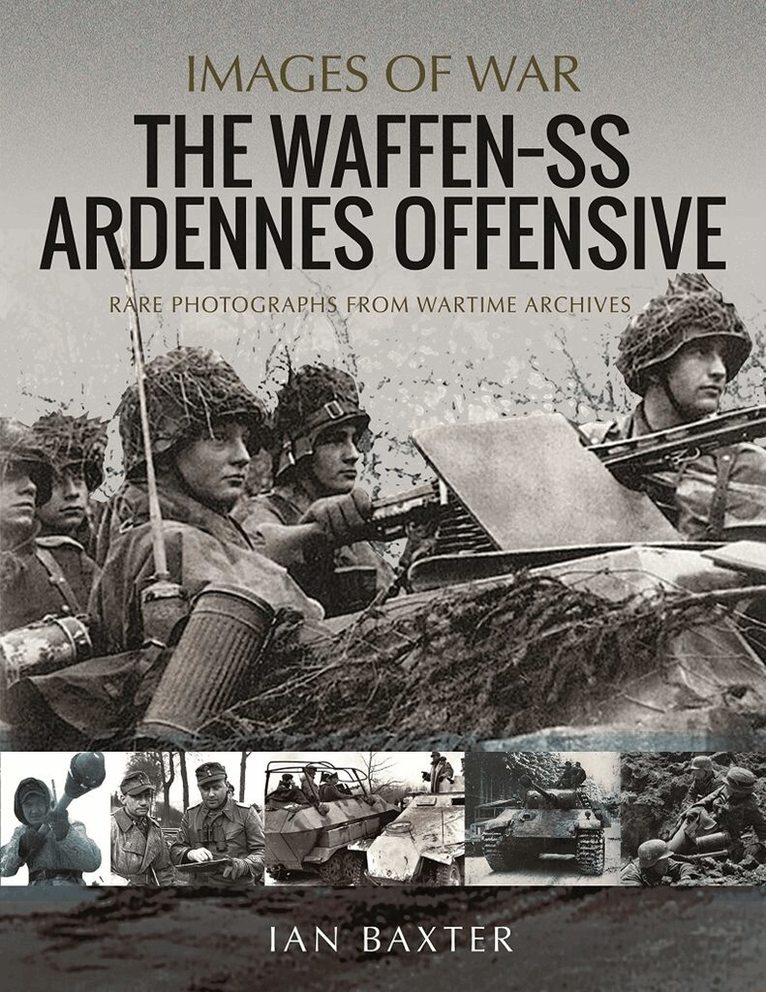
In late 1944 under extreme pressure on both the Eastern and Western fronts, Hitler realized he needed to force the Allies into negotiating a truce thereby saving Germany from total defeat. Using the Christmas period to enhance the vital element of surprise, he ordered a devastating attack through the rugged and mountainous Ardenne region with the key Allied port of Antwerp as the objective.This book, with its extensive text and rare and unpublished photographs with detailed captions, tells the story of the Waffen-SS offensive, known as `Wacht am Rhein` (Watch on the Rhine). These formidable SS armoured units with supporting Wehrmacht divisions initially achieved dramatic success making full use of the harsh winter conditions and terrain. Gradually the Allies regained the upper hand on the attackers who were increasingly suffering from lack of reinforcements and resupplies. After defeat at the pivotal battle of Bastonge, remaining Waffen-SS units withdrew and were transferred back to the Eastern Front. As described in this classic Images of War book, the Fuhrer's gamble so nearly paid off and the ruthless fighting spirit of the elite Waffen-SS divisions caused the Allied command serious concern.
Häftad, Engelska, 2022
160 kr
Skickas
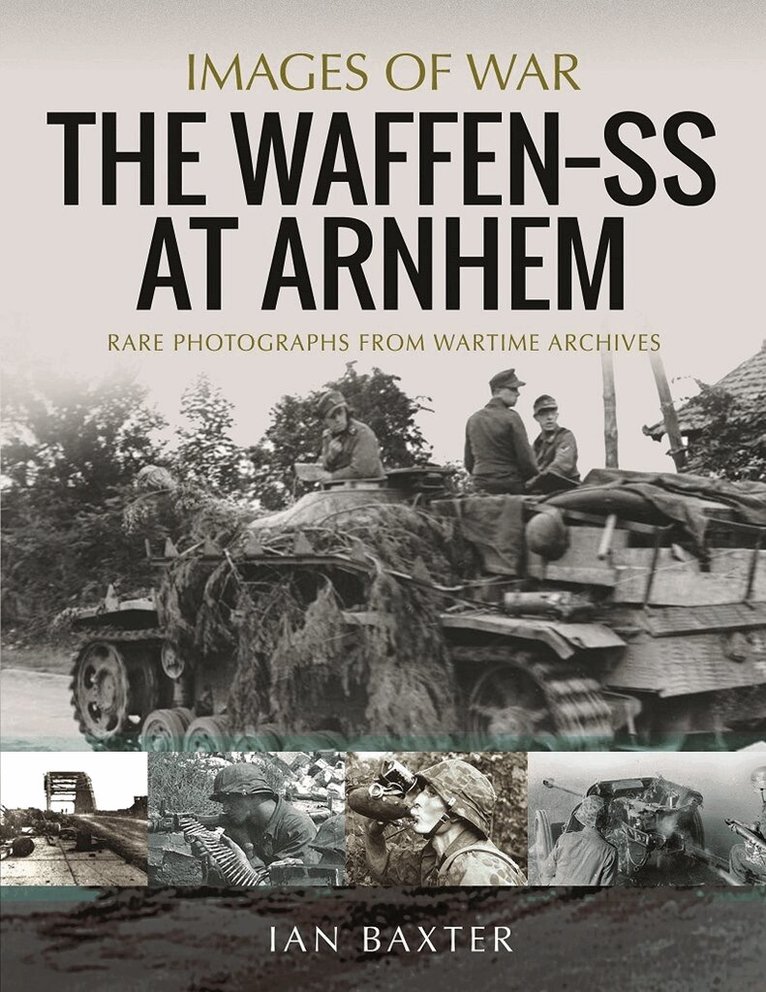
The 1944 Arnhem airborne operation, immortalized by the film A Bridge Too Far, will forever be remembered as a great British feat of arms. British and Polish paratroopers displayed outstanding courage and tenacity in a desperate last stand situation. And yet, as this book describes, the plan was fatally flawed as the 9th and 10th SS Panzer Divisions were recuperating and concealed nearby. What followed was a bloody battle of attrition the result of which was arguably inevitable.Drawing on rare and unpublished photographs, this Images of War series work reveals the historical combat record of the `Hohenstaufen` and `Frundsberg` divisions. It describes the intensity of the fighting in and around Arnhem between these elite SS and supporting units against a lightly armed yet equally determined enemy. In spite of the war being only months away from its end and the defeat increasingly certain, the SS soldier remained fanatically motivated.This superbly illustrated book with its well-researched text and full captions captures the drama of that historic battle for a bridge over the Rhine.
Häftad, Engelska, 2023
160 kr
Skickas
Literature highlighting the horrors of the Holocaust has concentrated on the incarceration of Jews and others deemed hostile to Hitler's Reich in ghettoes and their fate in the death camps.Little coverage has been given to the role played by the Deutche Reichsbahn (German National Railway). In fact, the success of the Final Solution' was dependent on the efficient utilization of the vast train network of Germany and the Nazi occupied territories. Without this it would have been impossible for Hitler's henchmen to transport their victims in sufficient number to the extermination camps such as Auschwitz.While conditions on the trains were invariably inhuman, many Jews were forced to fund their own deportations through deposits paid to the SS towards The resettlement to work in the East' programme.Although these death trains' competed for valuable track space with Nazi war effort requirement, the importance of the extermination programme perversely prevailed.The conclusion of this well researched and highly illustrated book is that without the Reichsbahn, the industrial murder of millions of Jews, Roma and other undesirables' would not have been possible on the scale that was so tragically achieved
Häftad, Engelska, 2023
201 kr
Skickas
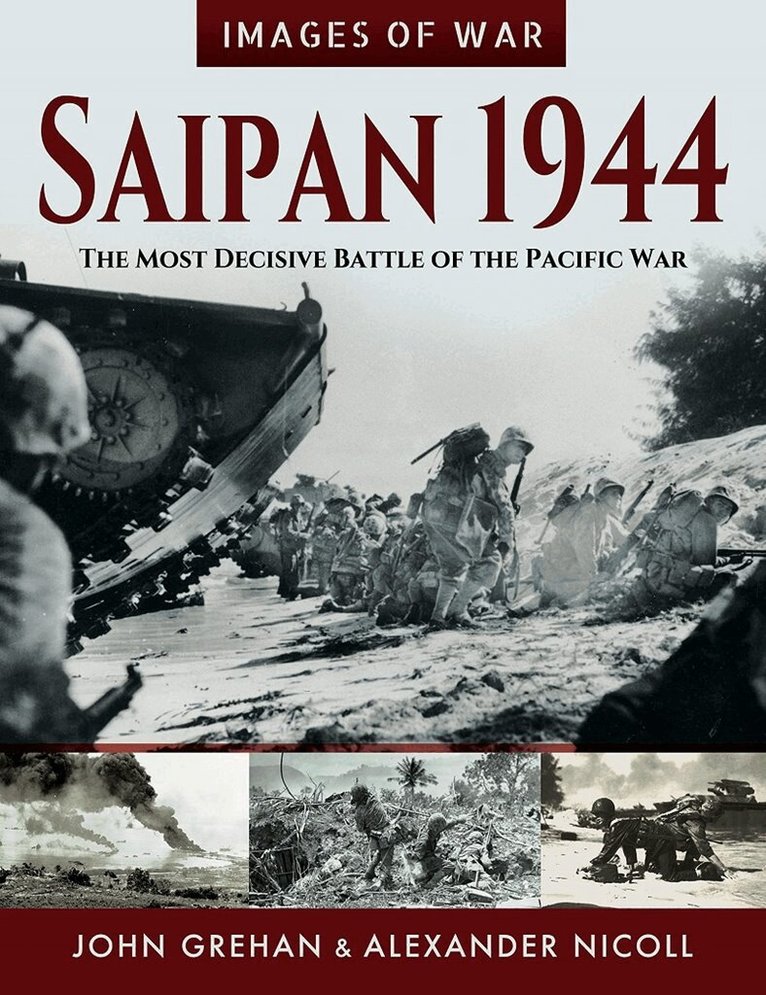
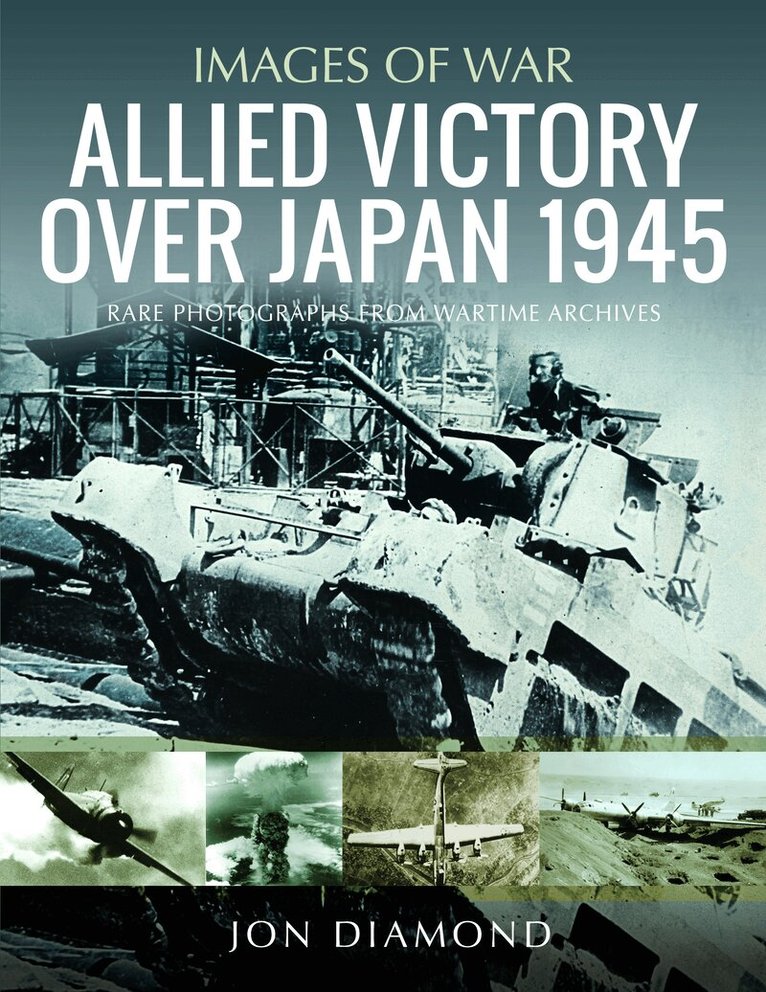
In 1944 with the war in Europe turning in the Allies’ favour, Japan still occupied vast swathes of South East Asia and the Pacific.In Burma, the seemly unstoppable Japanese advance was halted at Kohima and Imphal in June and July 1944. Six months later the advances made by British-led forces enabled the re-opening of the supply routes from India to US forces in China. It was not until Spring 1945 that British-led forces seized first Mandalay and then the port city of Rangoon after a year of gruelling fighting.Admiral Nimitz’s and General MacArthur’s forces meanwhile were overcoming fanatical Japanese resistance as they invaded Saipan, Guam, Tinian, Leyte and Luzon in late 1944. Iwo Jima and Okinawa fell to the Allies in early 1945. These successes enabled USAAF Superfortresses to bomb mainland Japan. Late Spring/early Summer 1945 saw the steady recapture of the Northern Solomons and Brunei, Borneo and former Dutch colonies. The Soviets were advancing into Manchuria and Korea.The atomic bomb attacks on Hiroshima and Nagasaki in August 1945 finally forced the Japanese to surrender without the inevitable carnage of an invasion of their mainland.The tumultuous events of the final year of the Second World War in the Far East are brilliantly described here in contemporary well captioned images and succinct text.
Häftad, Engelska, 2023
160 kr
Skickas
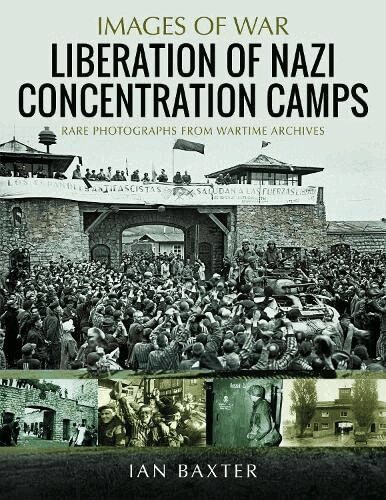
As the Allies closed in on Hitler's Germany the horror and scale of the Final Solution and concentration camps became all too apparent. This latest Images of War book provides the reader a truly disturbing insight into the Nazi's brutal regime of wholesale murder, torture and starvation.While the Germans attempted to hide the evidence by demolishing much of the camps' infrastructure, the pace of the Soviets' advance through Poland meant that the gas chambers at Majdenak near Lublin were captured intact.Auschwitz had received over a million deportees yet when liberated in January 1945 only a few thousand prisoners were there as the vast majority of surviving prisoners had been sent on forced death marches to more westerly camps such as Ravensbruch and Buchenwald. Condition in these camps deteriorated further due to overcrowding and the spread of deadly diseases.In every camp shocking scenes of death and starvation were encountered. When British troops reached Bergen-Belsen in April 1945, there were some 10,000 unburied dead in addition to the mass graves, in addition to 60,000 starving and sick inmates in utterly appalling conditions.The words and images in this disturbing book are a timely reminder of man's inhumanity to his fellows and that such behaviour should never be repeated.
Häftad, Engelska, 2024
160 kr
Skickas
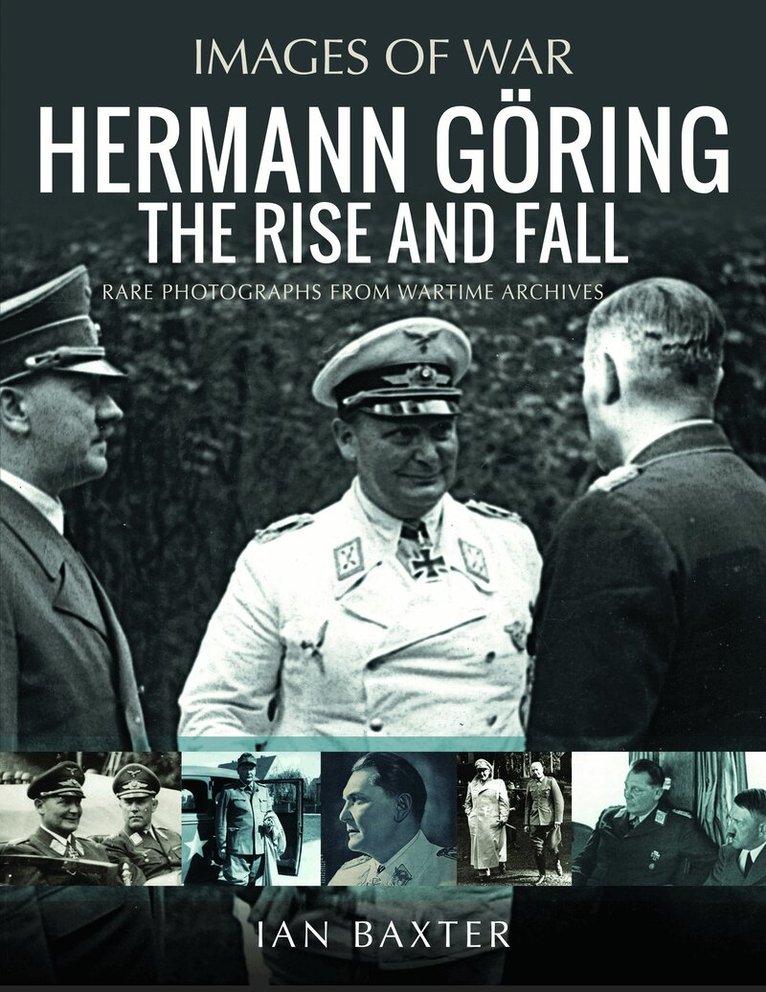
A former Great War fighter pilot, Hermann Göring became, at his height, the second most powerful Nazi. Ambitious and ruthless, in addition to being a primary architect of the Third Reich state police and Gestapo, his numerous appointments included Commander-in-Chief of the Luftwaffe, Director of the Four Year Plan and playing a leading role in the Final Solution to the ‘Jewish Question’. By the outbreak of the war in 1939, he was acknowledged as Hitler’s successor and in 1940 was given the special rank of Marshal of the Empire and senior to all field marshals through the German armed services. Due to being held responsible for a number of military disasters, Göring’s pre-eminent position declined as the war dragged on to the point where he was expelled from the Party for ‘illegally attempting to seize control of the State’. Captured by the Allies, he was found guilty at Nuremberg of being a leading war aggressor and advocate of the persecution of Jews and other races. He cheated the hangman by committing suicide.The career of this leading Nazi is admirably described here in words and copious images.
Häftad, Engelska, 2023
186 kr
Skickas
Formed in 1942 8th SS Cavalry Division Florian Geyer was soon deployed to the Eastern Front where Hitler's ambition to conquer Russia was stalling badly. In common with other SS units the Division was responsible for razing towns and villages, poisoning wells and genocide often against unarmed civilians. This scorched earth policy was aimed at hindering the Red Army's advance.After moving South, the Division took part in the retreat from the Dnieper River before operating in Hungary and Croatia.The end came when trapped in Budapest by Soviet and Romanian forces, the Division was destroyed in December 1944\. By the end of the siege only 800 of the 30,000 men in the SS Corps reached German lines.Using many startling contemporary images, this latest book in the Author's SS Division series vividly illustrates the horror of warfare on the Eastern Front.
Häftad, Engelska, 2022
160 kr
Skickas
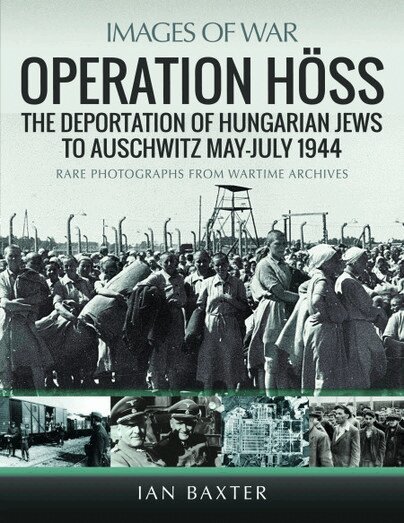
Operation Hoss or Aktion Hoss was the codename for the mass deportation of Hungarian Jews and their murder in the gas chambers of Birkenau extermination camp. Between 14 May and 9 July 1944, 420,000 Jews were sent to Auschwitz from Hungary, or about 12,000 per day. On arrival some twenty-five percent were selected for forced labour while the remainder were immediately gassed. The name of this atrocity came from Rudolf Hoss, who returned as the commandant of Auschwitz to increase the killing capacity and ensure the smooth running of the operation. The specially built railway line into Birkenau from Auschwitz made transports to the camp more efficient enabling the SS to increase the daily killing capacity. After the war, SS Adolf Eichmann, who had organized the deportations from Hungary, boasted that Operation Hoss was `an achievement never matched before or since`.This shocking book tells the story of this inhuman venture from its conception and planning, and though to the bitter, tragic end.
Häftad, Engelska, 2023
160 kr
Skickas
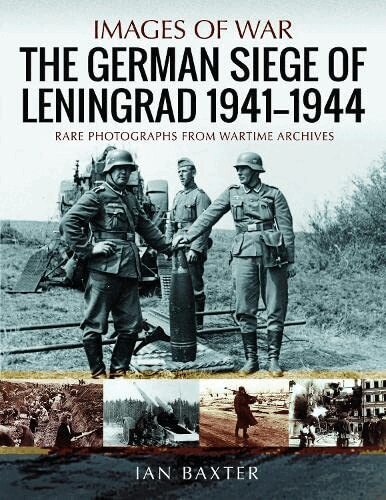
The historic 872 day siege of Leningrad by German Army Group North began in earnest on 8 September 1941 and was not lifted until 27 January 1944\. During this period the Red Army made numerous desperate attempts to break the blockade, which the Nazis and their Spanish and Finnish allies doggedly resisted. Eventually, due to overwhelming enemy pressure, Hitler's forces were compelled to retreat, but not before looting and destroying numerous historic palaces and landmarks and looting their priceless art collections.The bitter and prolonged fighting often under appalling climatic conditions resulted in many thousands of casualties for both sides from direct action and constant indirect artillery and air attack. Arguably most shocking was the loss of life due to the systematic starvation of the civilian population trapped inside and the intentional destruction of its buildings.Drawing on a superb collection of rare and unpublished photographs with detailed captions and explanatory text, this dramatic book vividly portrays every aspect of the siege which has the dubious claim of being arguably the most costly in human and material terms of any in recent military history.
Häftad, Engelska, 2023
248 kr
Skickas
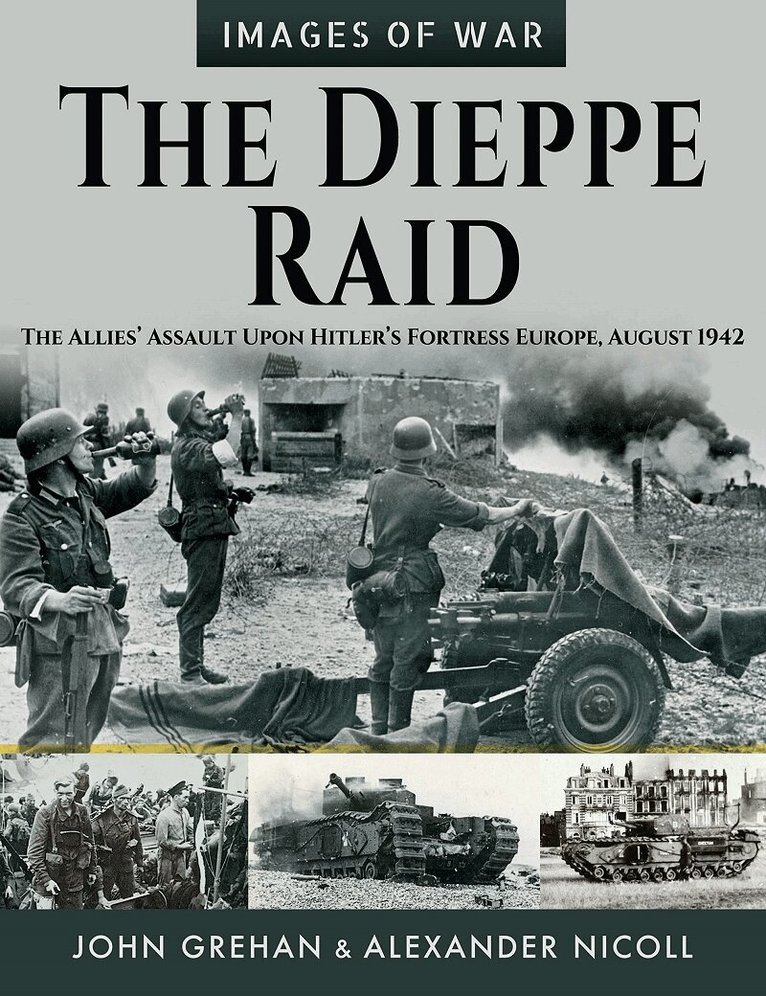
As dawn was breaking on the morning of 19 August 1942, Allied troops leapt ashore to the east and west of the French port of Dieppe. These were British commandoes accompanied by U.S. Rangers, tasked to silence the German gun batteries that flanked Dieppe. Other troops - the men of the 2nd Canadian Division - landed closer to Dieppe to capture the German positions that overlooked the port while, minutes later, the main body of the predominantly Canadian assaulting force began clambering from landing craft that had run onto the beach along Dieppe's seafront. This was the start of Operation Jubilee, the Allies' most ambitious assault upon Hitler's so-called Fortress Europe - it quickly became a bloodbath.The early months of 1942 had been difficult ones for Prime Minister Churchill. Stalin was demanding action in Western Europe to lessen the pressure of the 280 German divisions that were bearing down upon Stalingrad. Roosevelt was insisting that U.S. soldiers must start fighting the Germans in Europe, and Mackenzie King, the Canadian Prime Minister, desperately needed Canadian troops to become involved in the war to keep his politically divided nation together. Churchill's response to these measures was to authorise a super-raid' upon German-held territory, and the target selected by the planners was Dieppe.Apart from the notable success of No.4 Commando, the raid was a disaster with more than 50 per cent of the 6,086 men who landed being killed, wounded, or taken prisoner, plus all the Churchill tanks landed in support of the infantry suffered mechanical failure or were shelled into smoking wrecks. Yet amid the scenes slaughter, of confusion, and communication breakdown, were acts of almost unimaginable heroism, ingenuity, determination, and self-sacrifice to which the awarding of two Victoria Crosses paid a worthy tribute. There were also special missions associated with the raid, the details of which remained a closely guarded secret until long after the war.This book opens a window on Operation Jubilee, allowing the reader a rare insight into the death and destruction inflicted upon the Allied force during just a few hours, and of the damage done to Dieppe itself, with many of the photographs being taken by the victorious German defenders. The raid saw the heaviest casualty figures experienced by Canadians in the Second World War, and the photographs in this book are a stark reminder of that fateful day in late summer of 1942.
Häftad, Engelska, 2023
162 kr
Skickas
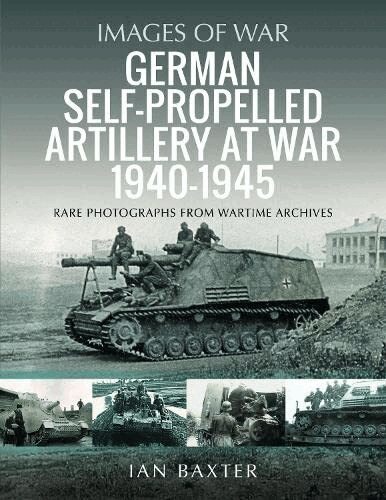
Despite the German Panzerwaffe's ability to engage its foes rapidly with concentrated force, additional fire power was often required to break through enemy lines. Initially this was with towed artillery but, as the war developed, converting tanks into fast-moving self-propelled artillery carrying vehicles proved far more effective. As a result a number of weapon systems came into service including the Pz.Kpfw.I and II. Other conversions followed including the Pz.Kpfw.II Wespe with its 10.5cm gun, the Pz.Kpfw.III/IV Hummel armed with a 15cm howitzer, the Sturmpanzer Brummbar with its powerful 15cm gun and the Grille series based on the Czech Pz.Kpfw 38(t) tank chassis. These and other armoured vehicles were capable of providing both close firesupport for infantry and acting as anti-tank weapons.This highly illustrated book describes the key role played by German self-propelled artillery from its introduction in 1940 in France, to North Africa, Italy, Russia and North-West Europe. It analyses the development of the numerous variants that came into service as these formidable weapon systems were adapted and up-gunned to face the ever-increasing enemy threat. With rare and often published photographs this book provides a unique insight into German self-propelled artillery from its early triumphant war years to final defeat in 1945.
Häftad, Engelska, 2023
203 kr
Skickas
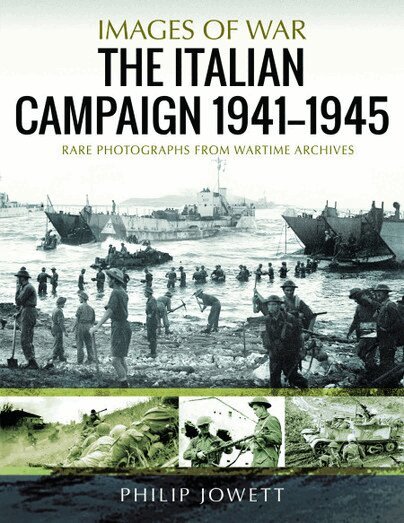
The Second World War Italian campaign is often less well remembered than the struggle of the Germans against the western Allies in north-west Europe and against the Soviet Union in the east. But, as this book demonstrates in over 300 photographs, the Italian peninsula was a major theatre of the war in itself.More than a million Allied troops fought there, more than half a million Germans and Italians; there were over 600,00 casualties and well over 100,000 dead. The soldiers of many nations took part - Americans, Australians, Brazilians, British, Canadians, French, Germans, Greeks, Indians, Italians, Poles, South Africans - in a gruelling and protracted sequence of battles across rocky, mountainous terrain that made a mockery of Churchill's description of it as the soft underbelly' of occupied Europe.Every stage of the campaign is represented in the photographs - from the Allied landings in Sicily in 1943, through the tenacious defence by the Germans of a series of fortified lines as the Allies struggled north, to the final Allied advance across the Po in April 1945 and the German surrender. As well as showing the soldiers on all sides and the towns and Italian landscapes in which the fighting took place, the photographs record the appalling devastation the warfare left in its wake.
Häftad, Engelska, 2024
181 kr
Skickas
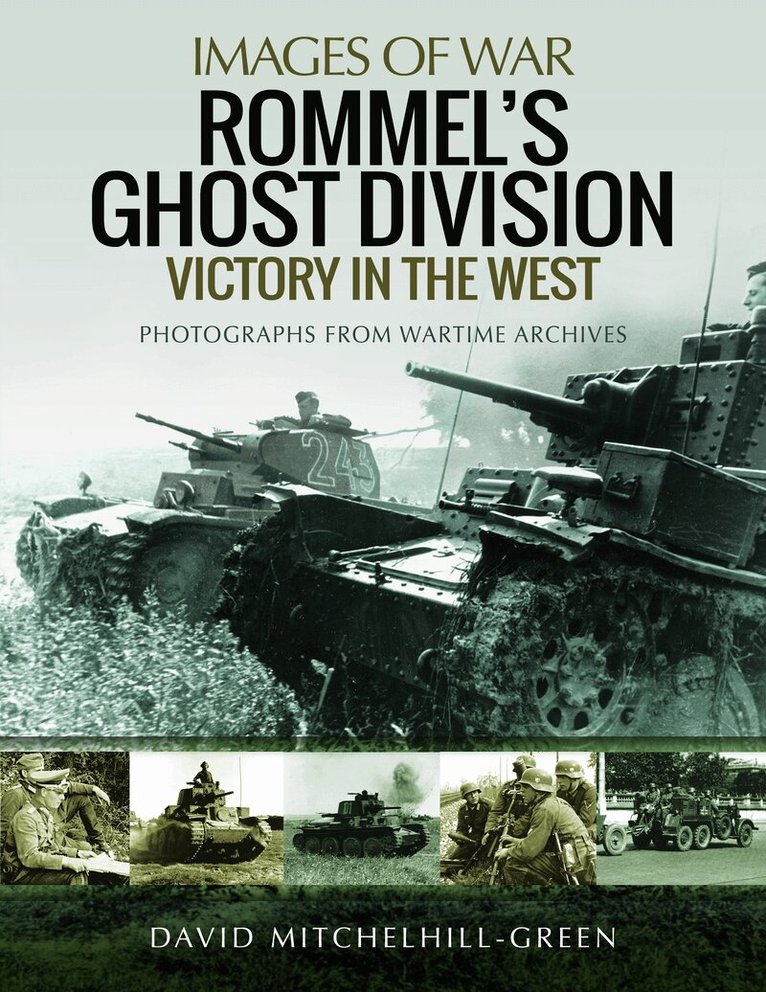
June 1940. In just weeks, General Erwin Rommel’s 7th Panzer Division – dubbed the ‘Ghost Division’ — had driven headlong through Allied forces in Belgium and France to reach the English Channel. Pushing south along the Channel coast past Le Harve, Rommel’s spectacular victory at Saint-Valéry-en-Caux was crowned by the capture of Cherbourg. Following the Franco-German Armistice and a victory parade in Bordeaux, cameras rolled as Rommel re-enacted crossing the Somme for the Nazi propaganda documentary Sieg im Westen (Victory in the West).
Häftad, Engelska, 2022
201 kr
Skickas
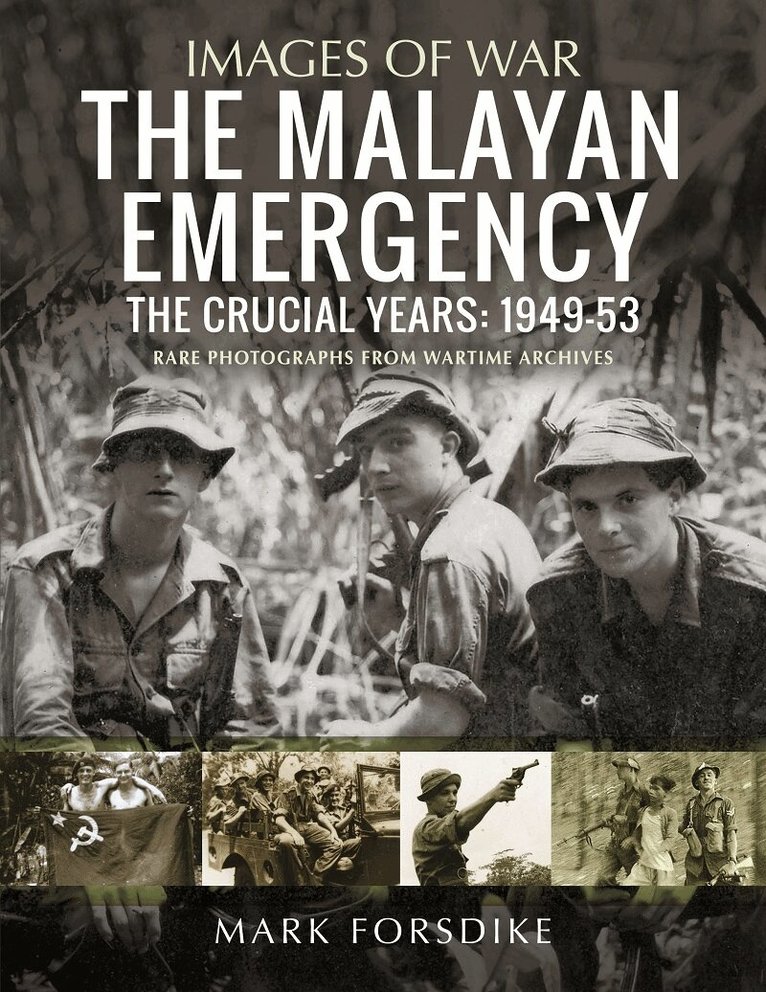
From 1948 through the 1950s British and Commonwealth forces fought a ruthless communist insurgency on the Malay peninsula. Thanks to sound generalship and the dedication and resilience of the officers and men, the security forces eventually broke the terrorists' resolve.1st Battalion The Suffolk Regiment was just one of many British units involved in this successful campaign, known as the Malayan Emergency. Their tour between 1949 and 1953 coincided with the most crucial years when the future of the country and, arguably, the South East Asia region lay in the balance.As this book describes in words and superb contemporary images how the Battalion, the majority of whom were National Servicemen, operated under the most demanding jungle and climatic conditions, earning itself an enviable reputation. The Battalion's experiences are well recorded here and typify those of tens of thousand servicemen whose efforts secured a unique victory.
Häftad, Engelska, 2023
201 kr
Skickas
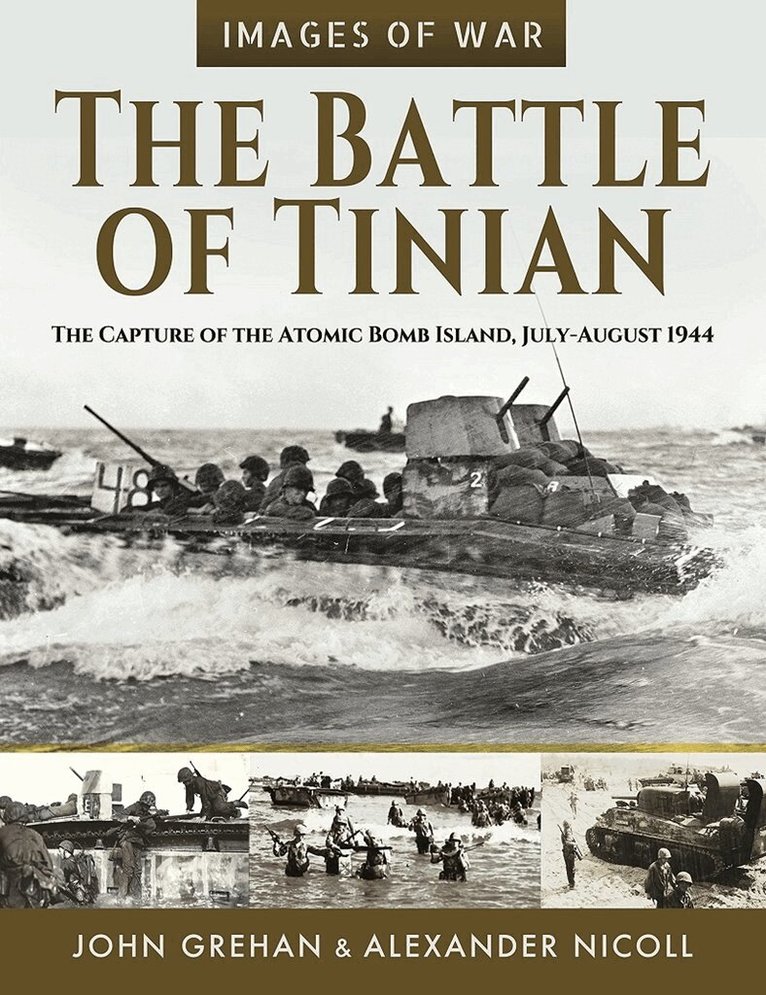
At 02.45 hours on the morning of 6 August 1945, a Boeing B-29 Superfortress, named after the pilot's mother, Enola Gay, lifted off from a tiny island deep in the Pacific Ocean on one of the most important missions in human history. The B-29 carried just one bomb; the target was Hiroshima.The dropping of the first atomic bomb on Hiroshima, and of a second nuclear device on Nagasaki three days later, is known throughout the world. But what is often forgotten is that these missions were only possible following the savage battles to seize the Northern Mariana Islands -which, crucially, were within the B-29's operational range of Japan. With the capture of these islands, the defeat of Hirohito's Imperial Japan became a certainty as for the first time in the war land-based heavy bombers could fly all the way to Tokyo and back.The sparsely-populated island of Tinian was turned into the biggest air base in the world. With six runways, four of which were built for the huge Superfortresses, it was from there that atomic destruction of Japan began.But, before all this, had been the battle for the island -the preliminary naval bombardment, the aerial strikes and the amphibious assault. The story of that battle is told here, in the words and images of the men who took part in that memorable, and ultimately epoch-changing, campaign.Part of this is another story, that of the warship USS Indianapolis. This Portland-class heavy cruiser was handed a secret mission of the utmost significance to national security', that of taking the enriched uranium and other vital parts of the atomic weapons to Tinian. Indianapolis succeeded in its mission, but was left to return to Pearl Harbor unescorted, resulting in one of the most unfortunate and gristly episodes in US maritime history.Few stories encapsulate human endeavour, achievement, sacrifice, and failure in quite such stark contrasts as the taking of the island of Tinian, once the centre of USAAF operations in the Pacific and now just a little-visited speck in the largest ocean in the world.
Häftad, Engelska, 2021
156 kr
Skickas
The Schnellbootwaffe was created in the early 1930s, before the Second World War, in concurrence with the regenerated Kriegsmarine, and young officers, most of whom learned their craft in the old Imperial Navy, would take responsibility for the operational use of these revolutionary vessels.Working with the naval engineers of Lurssen Shipyard, the Germans designed combat weapons that were never surpassed by their opponents. After the first series of Schnellboote were launched, constantly improved versions of these vessels would follow. The Schnellbootwaffe would achieve significant victories for the Kriegsmarine at the beginning of the war by using these vessels in high-level strategies, including a style of guerrilla warfare.The British often call German torpedo boats E-boats, and these fast vessels were a genuine threat not only to coastal trade, but also to the movement of Allied ships after D-Day. Indeed, Admiral Rudolf Petersen's flotillas remained combat-ready until the very end, even after the balance of power was in favour of the Allies.Allied air bombardment of German torpedo boat bases from 1944 onwards failed to destroy the offensive potential of the Schnellboote and their crews. The Allied disaster at Lyme Bay at the end of April 1944 shows how this guerrilla war at sea was still dangerous, even at this stage of the war. The Allied invasions plans were not yet known to the Germans, but Eisenhower learned a great deal from Lyme Bay and the Schnellbootwaffe was still potentially dangerous right until the end of the war.This book tells the fascinating story about these special people, whose pirate spirit and guerrilla style of naval combat is reminiscent of the ancient pirates and their own way of warfare.
Häftad, Engelska, 2022
160 kr
Skickas
Heinrich Himmler has a strong claim to be Adolf Hitler's most powerful subordinate. He was certainly the main architect of the Holocaust. Appointed Reichsfuhrer-SS in 1929 he built the SS into a million strong paramilitary force and took control of the Nazi concentration camps system. From 1943 he became Chief of German Police and Minister of the Interior with command of the Gestapo as well as the Einsatzgruppen, who committed appalling atrocities and murder in occupied Eastern Europe and Russia.Despite his lack of military experience in the closing stages of the War he was appointed by Hitler as Commander of Army Group Vistula. Realising the war was lost, Himmler attempted to open peace talks with the Allies. Learning of this, Hitler dismissed him of all his posts in April 1945. Detained and arrested by British forces, he committed suicide on 22 May 1945.The wartime career of this cruel and capable man is captured brilliantly with contemporary fully captioned images in this Images of War series work.
Häftad, Engelska, 2022
165 kr
Skickas
Reinhard Heydrich along with Heinrich Himmler, whose deputy he was, will always be regarded as one of the most ruthless of the Nazi elite. Even Hitler described him as a man with an iron heart'.He established his fearsome reputation in the 1930s, as head of the Sicherheitsdienst (SD), the intelligence organisation which neutralised opposition to the Nazi Party by murder and deportation. He organised Kristalnacht and played a leading role in the Holocaust, chairing the 1942 Wannsee Conference which formalised plans for the Final Solution'. In addition, as head of the Einsatzgruppen murder squads in Eastern Europe he was responsible for countless murders.Appointed Deputy Reich-Protector of Bohemia and Moravia, he died of wounds inflicted by British trained SOE operatives in Prague in May 1942. The reprisals that followed his assassination were extreme by even the terrible standards of Nazi ruthlessness.Heydrich's shocking and leading role in the Nazi regime is graphically portrayed in this Images of War book.
Häftad, Engelska, 2018
160 kr
Skickas
While the Panzer I and II are not as famous as the German tanks produced later in the Second World War, they played a vital role in Hitler's early blitzkrieg campaigns and in the Nazi rearmament programme pursued, at first in secret, by the Nazi regime during the 1930s. Anthony Tucker-Jones's photographic history of their design, development and wartime service is an ideal introduction to them. Both panzers saw combat during the invasions of Poland and France, the Low Countries and Scandinavia during 1939-40. Although by the time the Wehrmacht invaded the Soviet Union in 1941, the Panzer I had been virtually phased out of service, in the form of self-propelled guns they continued to see combat well into 1943. The Panzer II was also phased out with the panzer regiments in late 1943, yet it remained in action on secondary fronts and, as the self-propelled Marder II anti-tank gun and Wespe artillery variant, it saw active service with the panzer and panzer grenadier divisions until the end of the war. The Panzer I and II were the precursors of the formidable range of medium and heavy tanks that followed-the Panzer III and IV and the Panther and Tiger-and this book is a fascinating record of them.
Häftad, Engelska, 2018
201 kr
Skickas
The AMX 13 was originally designed in the immediate aftermath of the Second World War. It represents French ambitions for national resurgence and withdrawal from wartime dependence on American military technology. Being a light tank it was an ambitious and far sighted departure from conventional tank design and it found a ready export market as well as being a critical part in the French Army arsenal. Its basic hull design lent itself to the development of a vast list of variants. French designers progressively modernised, and indeed reinvented, the AMX13 and enabled it to claim to be one of the most successful armoured vehicle programmes of the post-war period. It proved its worth in numerous small wars worldwide in the service of many countries. This, the first commercially published work on the AMX13 in English, examines in detail the technical industrial and tactical story of this remarkably successful armoured fighting vehicle. The authoritative text is backed by an impressive selection of images
Häftad, Engelska, 2018
181 kr
Skickas
The Battle of the Bulge took the Allied armies by surprise in 1944\. It was a result of the extraordinary recovery of Hitler's panzer divisions following crushing defeats on the Eastern and Western fronts. In a daring offensive he hoped his panzers would unhinge the American and British push on the Rhine by charging through the Schnee Eifel, thereby prolonging the war. The consequence was one of the best-known battles of the entire conflict, and Anthony Tucker-Jones's photographic history is the ideal introduction to it. The story is told through a sequence of revealing contemporary photographs and a concise text. They give a sharp insight into the planning and decision-making, the armoured forces involved, the terrain and the appalling mid-winter conditions, the front-line fighting and the experience of the troops involved. The armoured battle, which was critical to the outcome, is the main focus. Through a massive tank offensive the Germans aimed to cut through the US 1st Army to Antwerp and Brussels, in the process trapping three Allied armies. The confusion and near collapse of the Americans as their defences were overrun is vividly recorded in the photographs, as is their resistance and recovery as the German spearheads were slowed, then stopped.
Häftad, Engelska, 2018
172 kr
Skickas
United States Marine Corps played a leading role in the war against Japan from Pearl Harbour in December 1941 until VJ Day on 2 September 1945. Living up to its motto the First to Fight , the 1st Marine Division landed on the Japanese-occupied island of Guadalcanal in the South Pacific on August 7, 1942 and fought its way up the central Solomon islands to Cape Gloucester in the territory of New Guinea.In November 1943, the Marine Corps captured Tarawa Atoll and so began their advance across the Central Pacific, fighting many famous and bloody battles such as Saipan, Tinian, Guam, Peleliu, Iwo Jima and finally the 82-day epic struggle for Okinawa. These victories came at high cost, with 19,737 Marines killed, and 67,207 wounded.This classic Images of War title presents a graphic overview of the Corps' legendary campaign in text and contemporary images. The Author expertly describes the full range of Marine Corps weaponry and explains their organization, tactics and fighting doctrine.
Häftad, Engelska, 2019
160 kr
Skickas
The early 1950s were a boom time for British aviation. The lessons of six years of war had been learned and much of the research into jet engines, radar and aerodynamics had begun to reach fruition. In Britain, jet engine technology led the world, while wartime developments into swept wing design in Germany and their transonic research programme were used to give western design teams a quantum leap in aircraft technology. The English Electric Lightning emerged at this time. This supersonic fighter aircraft of the Cold War era is perhaps best remembered for its amazing take-off performance, its exceptional rate of climb and its immense speed. Here, Martin Bowman takes us on a photographic journey of the famed Lightning, illustrating the various landmarks of its impressive operational history.