The World Since 1980 - Böcker
Visar alla böcker i serien The World Since 1980. Handla med fri frakt och snabb leverans.
18 produkter
18 produkter
1 024 kr
Skickas inom 7-10 vardagar
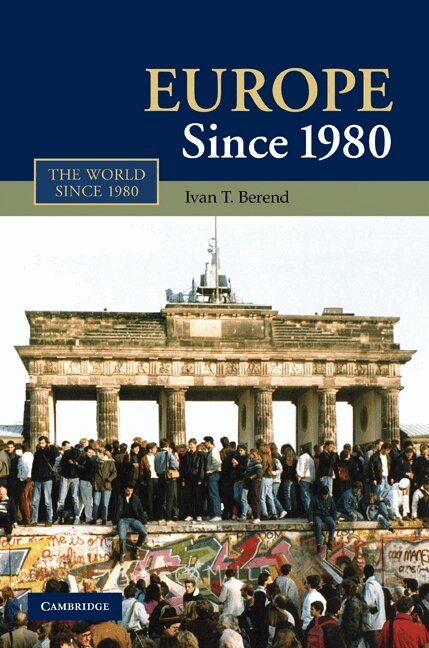
This book tells the dramatic story of the economic, social, political, and cultural transformation of Europe during the transition from the Cold War to the European Union. Ivan Berend charts, in particular, the overwhelming impact of the collapse of communism on every aspect of European life. Europe became safer and more united, and Central and Eastern Europe started on the difficult road to economic modernization. However, the western half of Europe also changed. European integration gained momentum. The single market and the common currency were introduced, and the Union enlarged from nine to twenty-seven countries. This period also saw a revolution in information and communication technology, the increasing impact of globalization and the radical restructuring of the political system. The book explores the impact of all of these changes as well as the new challenges posed by the economic crisis of 2008-9 and asks which way now for Europe?
357 kr
Skickas inom 7-10 vardagar
This book tells the dramatic story of the economic, social, political, and cultural transformation of Europe during the transition from the Cold War to the European Union. Ivan Berend charts, in particular, the overwhelming impact of the collapse of communism on every aspect of European life. Europe became safer and more united, and Central and Eastern Europe started on the difficult road to economic modernization. However, the western half of Europe also changed. European integration gained momentum. The single market and the common currency were introduced, and the Union enlarged from nine to twenty-seven countries. This period also saw a revolution in information and communication technology, the increasing impact of globalization and the radical restructuring of the political system. The book explores the impact of all of these changes as well as the new challenges posed by the economic crisis of 2008-9 and asks which way now for Europe?
344 kr
Skickas inom 7-10 vardagar
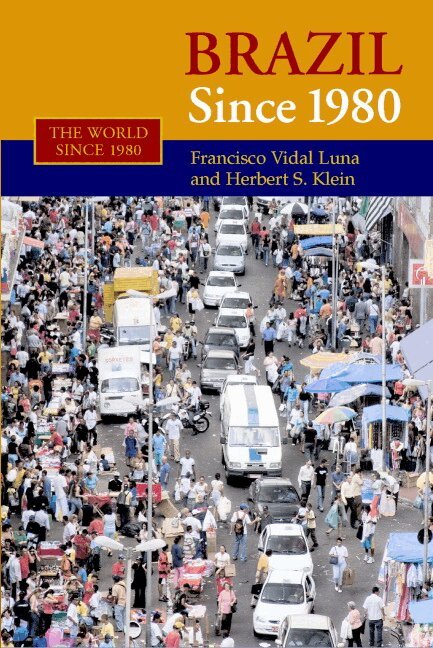
This is a general survey of Brazilian society, economy, and political system since 1980. It describes the basic changes occurring as Brazil was transformed from a predominantly rural and closed economy under military rule into a modern democratic, industrial and urbanized society, with an extraordinary world class commercial agriculture in the past 60 years. In this period, Brazil passed from a pre-modern high fertility and mortality society to a modern low fertility and mortality one, the economy approached hyper inflation many times, and it abandoned a policy of protected industrialization to an economy opened to world trade. The advances and the failures of these changes are examined for the impact on questions of growth and equality. The book is designed as a basic introduction to contemporary Brazil from a recent historical perspective and is one of the first such comprehensive surveys of recent Brazilian history and development in any language.
334 kr
Skickas inom 7-10 vardagar
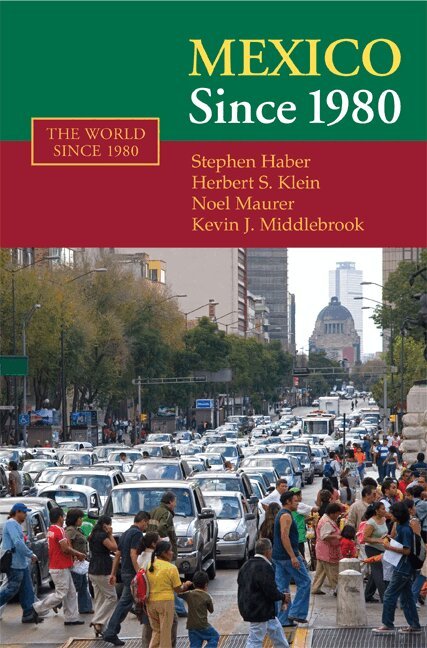
This book addresses two questions that are crucial to understanding Mexico's current economic and political challenges. Why did the opening up of the economy to foreign trade and investment not result in sustained economic growth? Why has electoral democracy not produced rule of law? The answer to those questions lies in the ways in which Mexico's long history with authoritarian government shaped its judicial, taxation, and property rights institutions. These institutions, the authors argue, cannot be reformed with the stroke of a pen. Moreover, they represent powerful constraints on the ability of the Mexican government to fund welfare-enhancing reforms, on the ability of firms and households to write contracts, and on the ability of citizens to enforce their basic rights.
422 kr
Skickas inom 7-10 vardagar
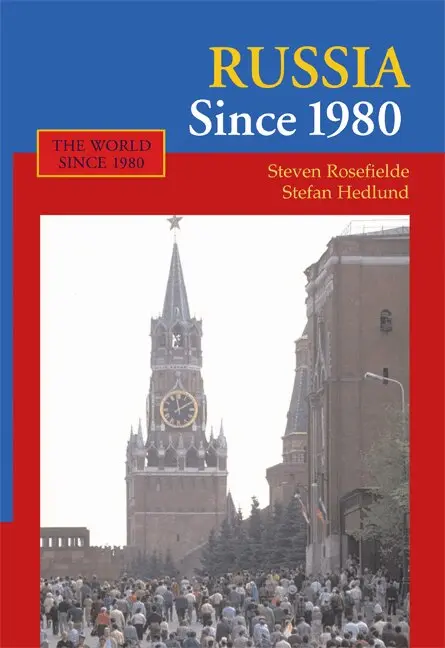
Russia Since 1980 recounts the epochal political, economic, and social changes that destroyed the Soviet Union, ushering in a perplexing new order. Two decades after Mikhail Gorbachev initiated regime-wrecking radical reforms, Russia has reemerged as a superpower. It has survived a hyperdepression, modernized, restored private property and business, adopted a liberal democratic persona, and asserted claims to global leadership. Many in the West perceive these developments as proof of a better globalized tomorrow, while others foresee a new cold war. Globalizers contend that Russia is speedily democratizing, marketizing, and humanizing, creating a regime based on the rule of law and respect for civil rights. Opponents counterclaim that Russia before and during the Soviet period was similarly misportrayed and insist that Medvedev's Russia is just another variation of an authoritarian 'Muscovite' model that has prevailed for over five centuries. The cases for both positions are explored while chronicling events since 1980.
318 kr
Skickas inom 7-10 vardagar
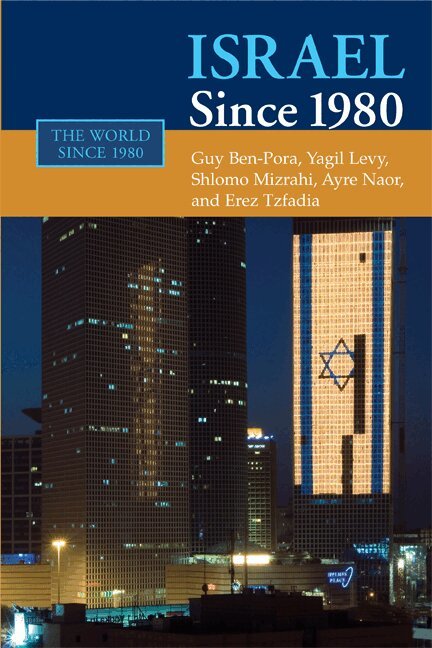
Over the last quarter century, a radical demographic, economic and political transformation has been taking place from within Israel. Israelis are beginning to ask some fundamental questions about the country they live in and what it means to be an Israeli. This book, written by five Israeli academics, probes the changing nature of Israeli society over the last twenty-five years. It considers the deep rifts in that society caused by ethnic, cultural, class and religious divide. It looks at political and economic changes and how privatization has undermined the welfare state. It questions the role of the military in the light of the wider social and economic changes. Finally, and crucially, it asks whether new political initiatives can offer a realistic alternative to the inadequacies of recent governments. This is an informative account of Israel's recent past and the challenges it faces in the twenty-first century.
360 kr
Skickas inom 7-10 vardagar
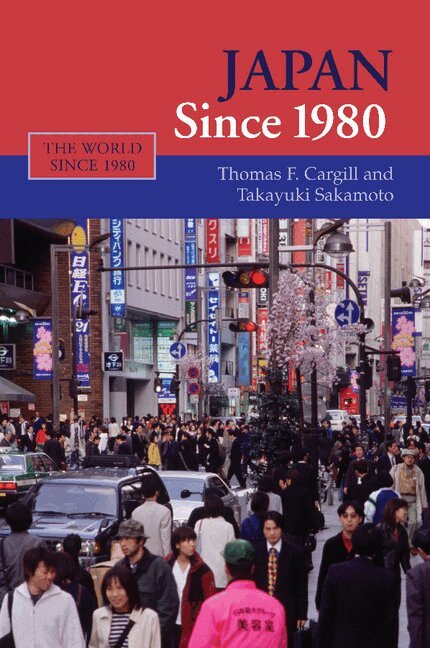
An analysis of the performance of Japan's economic and political institutions from late 1970s to 2007. The authors explain how Japan's flawed response to new economic, political, and technological forces ushered in a lost decade and a half of economic development from 1990. Impressive economic performance in the 1980s masked an 'accident waiting to happen' - the collapse in equity and real estate prices in 1990-1. Japan's iron triangle of politicians, bureaucrats, and client industries, combined with a flawed financial liberalization process and policy errors by the Bank of Japan and the Ministry of Finance, brought Japan to an abyss of deflation, recession, and insolvency by the late 1990s. The turning point was the election of Koizumi as prime minister in 2001. The book explores Koizumi's economic reform, new developments in socioeconomic conditions, the politics and economy after Koizumi, and the economic and political challenges facing Japan in the new century.
370 kr
Skickas inom 7-10 vardagar
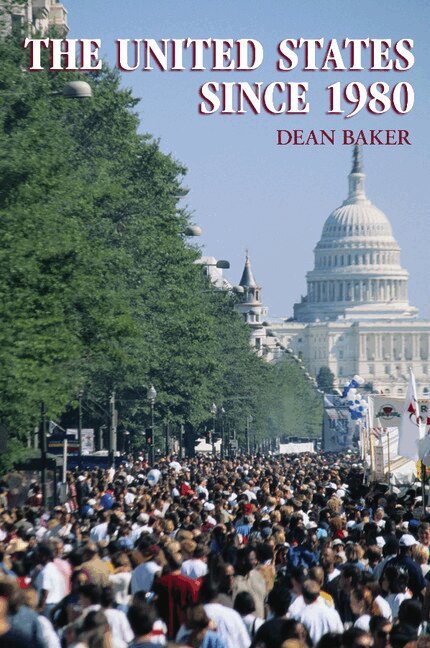
This book, first published in 2007, describes the sharp right turn the United States has taken following the election of Ronald Reagan as president in 1980. The treatment details how the policies pursued by the Reagan administration were a break from both the policies pursued by prior administrations and those pursued in other wealthy countries. The Reagan administration policies had the effect of redistributing both before- and after-tax income upward, creating a situation in which the bulk of the economic gains over the last quarter century were directed to a small segment of the population. The analysis explains how both political parties have come largely to accept the main tenets of Reaganism, putting the United States on a path that is at odds with most of the rest of the world and is not sustainable.
331 kr
Skickas inom 7-10 vardagar
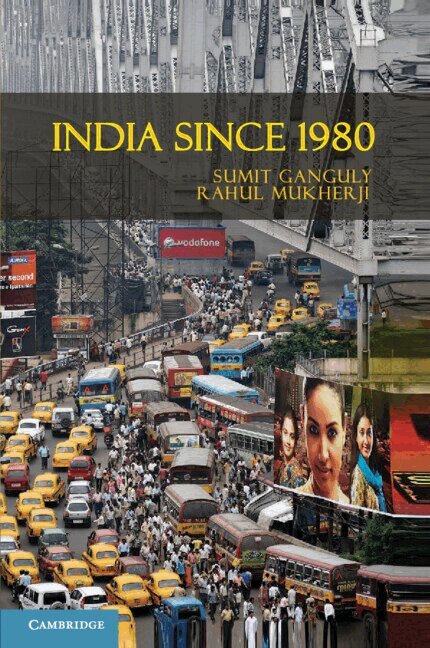
This book considers the remarkable transformations that have taken place in India since 1980, a period that began with the assassination of the formidable Prime Minister Indira Gandhi. Her death, and that of her son Rajiv seven years later, marked the end of the Nehru-Gandhi era. Although the country remains one of the few democracies in the developing world, many of the policies instigated by these earlier regimes have been swept away to make room for dramatic alterations in the political, economic and social landscape. Sumit Ganguly and Rahul Mukherji, two leading political scientists of South Asia, chart these developments with particular reference to social and political mobilization, the rise of the BJP and its challenge to Nehruvian secularism and the changes to foreign policy that, in combination with its meteoric economic development, have ensured India a significant place on the world stage.
318 kr
Skickas inom 7-10 vardagar
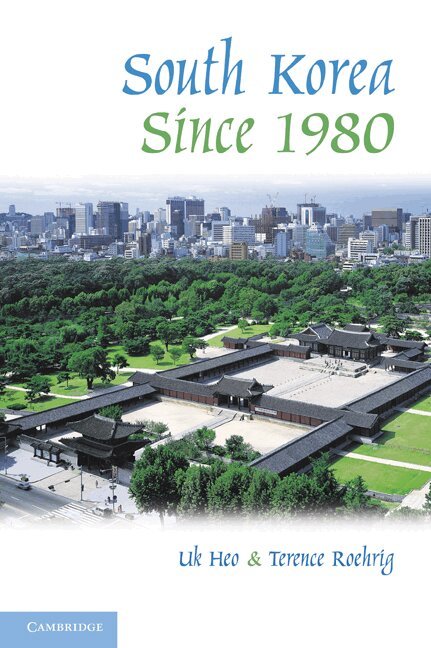
This book examines the changes in politics, economics, society, and foreign policy in South Korea since 1980. Starting with a brief description of its history leading up to 1980, this book deals with South Korea's transition to democracy, the stunning economic development achieved since the 1960s, the 1997 financial crisis, and the economic reforms that followed and concludes with the North Korean nuclear crisis and foreign relations with regional powers. The theoretical framework of this book addresses how democratization affected all of these dimensions of South Korea. For instance, democratization allowed for the more frequent alternation of political elites from conservative to liberal and back to conservative. These elites initiated different policies for dealing with North Korea and held different views on South Korea's role in its alliance with the United States. Consequently, ideological divides in South Korean politics became more stark and the political process more combative.
1 065 kr
Skickas inom 7-10 vardagar
This book examines the changes in politics, economics, society, and foreign policy in South Korea since 1980. Starting with a brief description of its history leading up to 1980, this book deals with South Korea's transition to democracy, the stunning economic development achieved since the 1960s, the 1997 financial crisis, and the economic reforms that followed and concludes with the North Korean nuclear crisis and foreign relations with regional powers. The theoretical framework of this book addresses how democratization affected all of these dimensions of South Korea. For instance, democratization allowed for the more frequent alternation of political elites from conservative to liberal and back to conservative. These elites initiated different policies for dealing with North Korea and held different views on South Korea's role in its alliance with the United States. Consequently, ideological divides in South Korean politics became more stark and the political process more combative.
1 024 kr
Skickas inom 7-10 vardagar
This is a general survey of Brazilian society, economy, and political system since 1980. It describes the basic changes occurring as Brazil was transformed from a predominantly rural and closed economy under military rule into a modern democratic, industrial and urbanized society, with an extraordinary world class commercial agriculture in the past 60 years. In this period, Brazil passed from a pre-modern high fertility and mortality society to a modern low fertility and mortality one, the economy approached hyper inflation many times, and it abandoned a policy of protected industrialization to an economy opened to world trade. The advances and the failures of these changes are examined for the impact on questions of growth and equality. The book is designed as a basic introduction to contemporary Brazil from a recent historical perspective and is one of the first such comprehensive surveys of recent Brazilian history and development in any language.
481 kr
Skickas inom 7-10 vardagar
This book addresses two questions that are crucial to understanding Mexico's current economic and political challenges. Why did the opening up of the economy to foreign trade and investment not result in sustained economic growth? Why has electoral democracy not produced rule of law? The answer to those questions lies in the ways in which Mexico's long history with authoritarian government shaped its judicial, taxation, and property rights institutions. These institutions, the authors argue, cannot be reformed with the stroke of a pen. Moreover, they represent powerful constraints on the ability of the Mexican government to fund welfare-enhancing reforms, on the ability of firms and households to write contracts, and on the ability of citizens to enforce their basic rights.
672 kr
Skickas inom 7-10 vardagar
Russia Since 1980 recounts the epochal political, economic, and social changes that destroyed the Soviet Union, ushering in a perplexing new order. Two decades after Mikhail Gorbachev initiated regime-wrecking radical reforms, Russia has reemerged as a superpower. It has survived a hyperdepression, modernized, restored private property and business, adopted a liberal democratic persona, and asserted claims to global leadership. Many in the West perceive these developments as proof of a better globalized tomorrow, while others foresee a new cold war. Globalizers contend that Russia is speedily democratizing, marketizing, and humanizing, creating a regime based on the rule of law and respect for civil rights. Opponents counterclaim that Russia before and during the Soviet period was similarly misportrayed and insist that Medvedev's Russia is just another variation of an authoritarian 'Muscovite' model that has prevailed for over five centuries. The cases for both positions are explored while chronicling events since 1980.
645 kr
Skickas inom 7-10 vardagar
Over the last quarter century, a radical demographic, economic and political transformation has been taking place from within Israel. Israelis are beginning to ask some fundamental questions about the country they live in and what it means to be an Israeli. This book, written by five Israeli academics, probes the changing nature of Israeli society over the last twenty-five years. It considers the deep rifts in that society caused by ethnic, cultural, class and religious divide. It looks at political and economic changes and how privatization has undermined the welfare state. It questions the role of the military in the light of the wider social and economic changes. Finally, and crucially, it asks whether new political initiatives can offer a realistic alternative to the inadequacies of recent governments. This is an informative account of Israel's recent past and the challenges it faces in the twenty-first century.
718 kr
Skickas inom 7-10 vardagar
An analysis of the performance of Japan's economic and political institutions from late 1970s to 2007. The authors explain how Japan's flawed response to new economic, political, and technological forces ushered in a lost decade and a half of economic development from 1990. Impressive economic performance in the 1980s masked an 'accident waiting to happen' - the collapse in equity and real estate prices in 1990-1. Japan's iron triangle of politicians, bureaucrats, and client industries, combined with a flawed financial liberalization process and policy errors by the Bank of Japan and the Ministry of Finance, brought Japan to an abyss of deflation, recession, and insolvency by the late 1990s. The turning point was the election of Koizumi as prime minister in 2001. The book explores Koizumi's economic reform, new developments in socioeconomic conditions, the politics and economy after Koizumi, and the economic and political challenges facing Japan in the new century.
1 044 kr
Skickas inom 7-10 vardagar
This book, first published in 2007, describes the sharp right turn the United States has taken following the election of Ronald Reagan as president in 1980. The treatment details how the policies pursued by the Reagan administration were a break from both the policies pursued by prior administrations and those pursued in other wealthy countries. The Reagan administration policies had the effect of redistributing both before- and after-tax income upward, creating a situation in which the bulk of the economic gains over the last quarter century were directed to a small segment of the population. The analysis explains how both political parties have come largely to accept the main tenets of Reaganism, putting the United States on a path that is at odds with most of the rest of the world and is not sustainable.
645 kr
Skickas inom 7-10 vardagar
This book considers the remarkable transformations that have taken place in India since 1980, a period that began with the assassination of the formidable Prime Minister Indira Gandhi. Her death, and that of her son Rajiv seven years later, marked the end of the Nehru-Gandhi era. Although the country remains one of the few democracies in the developing world, many of the policies instigated by these earlier regimes have been swept away to make room for dramatic alterations in the political, economic and social landscape. Sumit Ganguly and Rahul Mukherji, two leading political scientists of South Asia, chart these developments with particular reference to social and political mobilization, the rise of the BJP and its challenge to Nehruvian secularism and the changes to foreign policy that, in combination with its meteoric economic development, have ensured India a significant place on the world stage.