Anne S. Mavor – författare
738 kr
Läs direkt efter köp
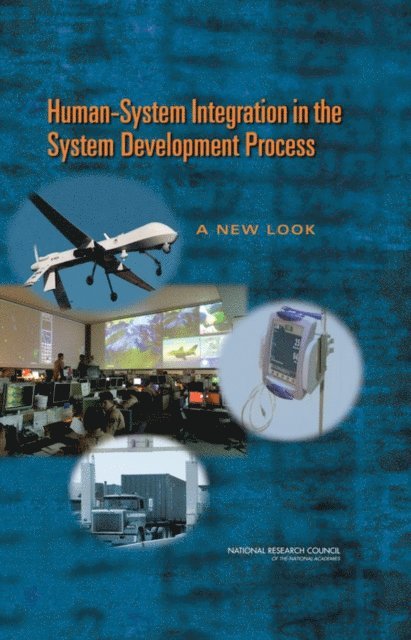
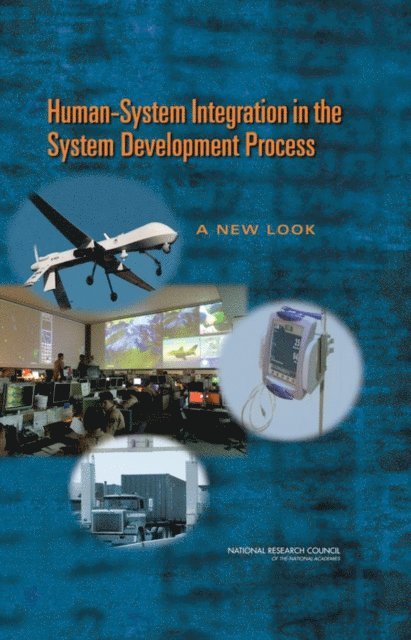
To prevent both the individually annoying and nationally significant consequences, human capabilities and needs must be considered early and throughout system design and development. One challenge for such consideration has been providing the background and data needed for the seamless integration of humans into the design process from various perspectives: human factors engineering, manpower, personnel, training, safety and health, and, in the military, habitability and survivability. This collection of development activities has come to be called human-system integration (HSI). Human-System Integration in the System Development Process reviews in detail more than 20 categories of HSI methods to provide invaluable guidance and information for system designers and developers.
1 104 kr
Skickas inom 3-6 vardagar
1 055 kr
Läs direkt efter köp
To prevent both the individually annoying and nationally significant consequences, human capabilities and needs must be considered early and throughout system design and development. One challenge for such consideration has been providing the background and data needed for the seamless integration of humans into the design process from various perspectives: human factors engineering, manpower, personnel, training, safety and health, and, in the military, habitability and survivability. This collection of development activities has come to be called human-system integration (HSI). Human-System Integration in the System Development Process reviews in detail more than 20 categories of HSI methods to provide invaluable guidance and information for system designers and developers.
892 kr
Läs direkt efter köp
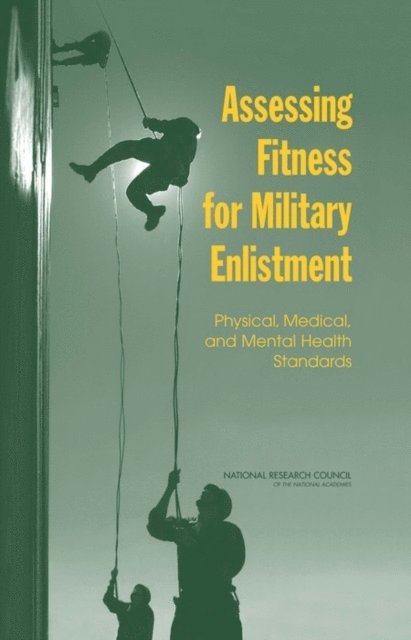
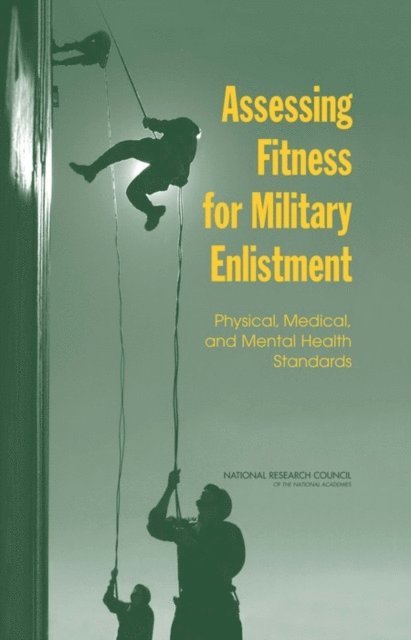
The U.S. Department of Defense (DoD) faces short-term and long-term challenges in selecting and recruiting an enlisted force to meet personnel requirements associated with diverse and changing missions. The DoD has established standards for aptitudes/abilities, medical conditions, and physical fitness to be used in selecting recruits who are most likely to succeed in their jobs and complete the first term of service (generally 36 months). In 1999, the Committee on the Youth Population and Military Recruitment was established by the National Research Council (NRC) in response to a request from the DoD. One focus of the committee''s work was to examine trends in the youth population relative to the needs of the military and the standards used to screen applicants to meet these needs. When the committee began its work in 1999, the Army, the Navy, and the Air Force had recently experienced recruiting shortfalls. By the early 2000s, all the Services were meeting their goals; however, in the first half of calendar year 2005, both the Army and the Marine Corps experienced recruiting difficulties and, in some months, shortfalls. When recruiting goals are not being met, scientific guidance is needed to inform policy decisions regarding the advisability of lowering standards and the impact of any change on training time and cost, job performance, attrition, and the health of the force. Assessing Fitness for Military Enlistment examines the current physical, medical, and mental health standards for military enlistment in light of (1) trends in the physical condition of the youth population; (2) medical advances for treating certain conditions, as well as knowledge of the typical course of chronic conditions as young people reach adulthood; (3) the role of basic training in physical conditioning; (4) the physical demands and working conditions of various jobs in today''s military services; and (5) the measures that are used by the Services to characterize an individual''s physical condition. The focus is on the enlistment of 18- to 24-year-olds and their first term of service.
1 460 kr
Läs direkt efter köp
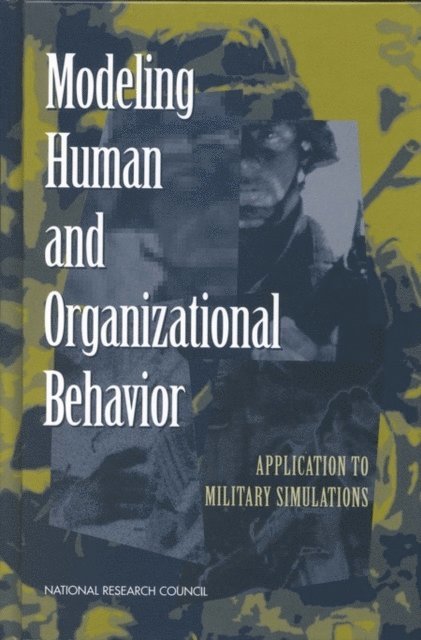
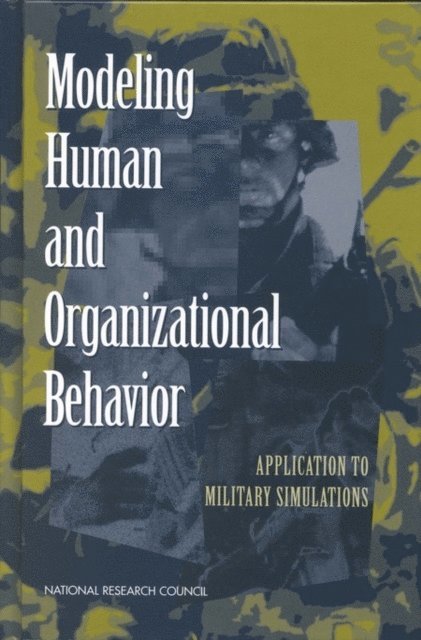
Simulations are widely used in the military for training personnel, analyzing proposed equipment, and rehearsing missions, and these simulations need realistic models of human behavior. This book draws together a wide variety of theoretical and applied research in human behavior modeling that can be considered for use in those simulations. It covers behavior at the individual, unit, and command level. At the individual soldier level, the topics covered include attention, learning, memory, decisionmaking, perception, situation awareness, and planning. At the unit level, the focus is on command and control. The book provides short-, medium-, and long-term goals for research and development of more realistic models of human behavior.
1 136 kr
Läs direkt efter köp
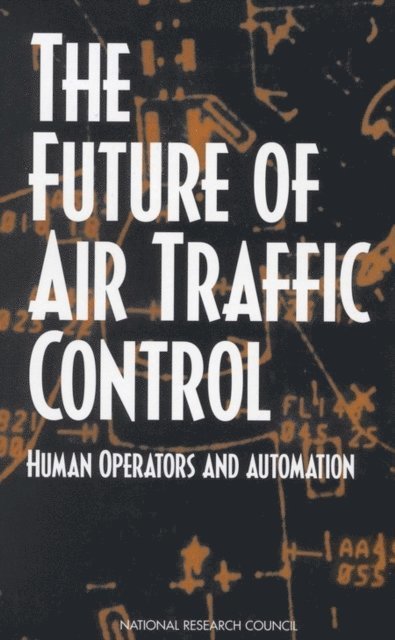
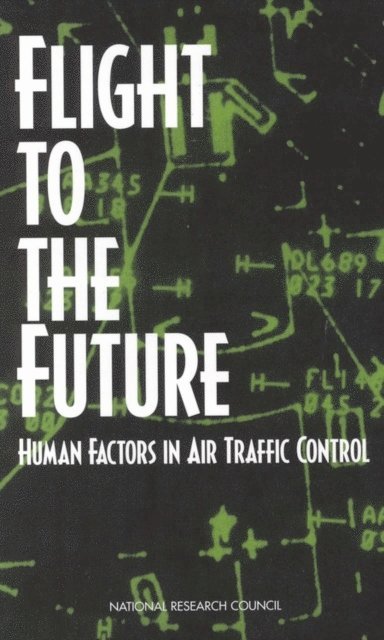
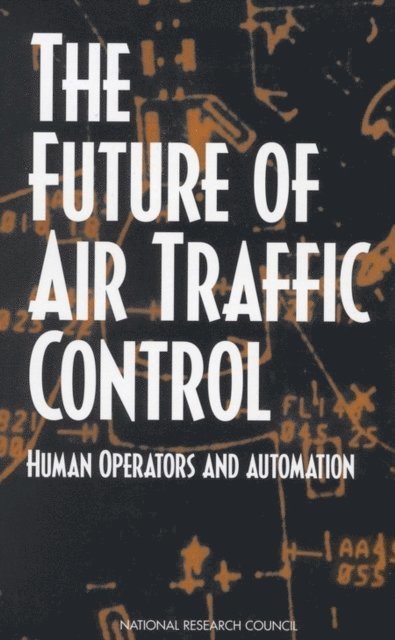
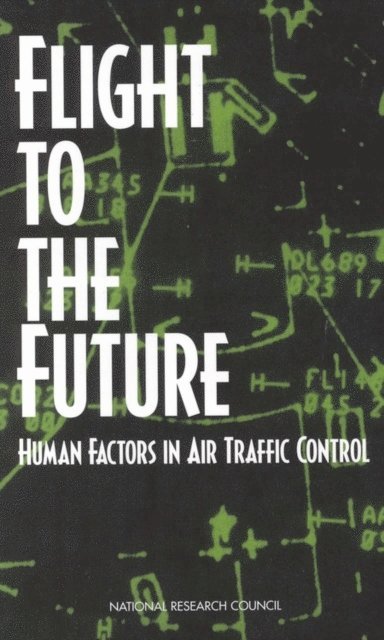
Automation in air traffic control may increase efficiency, but it also raises questions about adequate human control over automated systems. Following on the panel''s first volume on air traffic control automation, Flight to the Future (NRC, 1997), this book focuses on the interaction of pilots and air traffic controllers, with a growing network of automated functions in the airspace system.
The panel offers recommendations for development of human-centered automation, addressing key areas such as providing levels of automation that are appropriate to levels of risk, examining procedures for recovery from emergencies, free flight versus ground-based authority, and more.
The book explores ways in which technology can build on human strengths and compensate for human vulnerabilities, minimizing both mistrust of automation and complacency about its abilities. The panel presents an overview of emerging technologies and trends toward automation within the national airspace system—in areas such as global positioning and other aspects of surveillance, flight information provided to pilots an controllers, collision avoidance, strategic long-term planning, and systems for training and maintenance.
The book examines how to achieve better integration of research and development, including the importance of user involvement in air traffic control. It also discusses how to harmonize the wide range of functions in the national airspace system, with a detailed review of the free flight initiative.
1 379 kr
Läs direkt efter köp
Despite the strong safety record of the national airspace system, serious disruptions occasionally occur, often as a result of outdated or failed equipment. Under these circumstances, safety relies on the skills of the controllers and pilots and on reducing the number of aircraft in the air. The current and growing pressures to increase the capacity to handle a greater number of flights has led to a call for faster and more powerful equipment and for equipment that can take over some of the tasks now being performed by humans. Increasing the role of automation in air traffic control may provide a more efficient system, but will human controllers be able to effectively take over when problems occur? This comprehensive volume provides a baseline of knowledge about the capabilities and limitations of humans relative to the variety of functions performed in air traffic control. It focuses on balancing safety with the expeditious flow of air traffic, identifying lessons from past air accidents. The book discusses:
The function of the national airspace system and the procedures for hiring, training, and evaluating controllers. Decisionmaking, memory, alertness, vigilance, sleep patterns during shift work, communication, and other factors in controllers'' performance. Research on automation and human factors in air traffic control and incorporation of findings into the system. The Federal Aviation Administration''s management of the air traffic control system and its dual mandate to promote safety and the development of air commerce.This book also offers recommendations for evaluation the human role in automated air traffic control systems and for managing the introduction of automation into current facilities and operations. It will be of interest to anyone concerned about air safety—policymakers, regulators, air traffic managers and controllers, airline officials, and passenger advocates.
974 kr
Läs direkt efter köp
Despite widespread interest in virtual reality, research and development efforts in synthetic environments (SE)—the field encompassing virtual environments, teleoperation, and hybrids—have remained fragmented.
Virtual Reality is the first integrated treatment of the topic, presenting current knowledge along with thought-provoking vignettes about a future where SE is commonplace.
This volume discusses all aspects of creating a system that will allow human operators to see, hear, smell, taste, move about, give commands, respond to conditions, and manipulate objects effectively in a real or virtual environment. The committee of computer scientists, engineers, and psychologists on the leading edge of SE development explores the potential applications of SE in the areas of manufacturing, medicine, education, training, scientific visualization, and teleoperation in hazardous environments.
The committee also offers recommendations for development of improved SE technology, needed studies of human behavior and evaluation of SE systems, and government policy and infrastructure.
1 071 kr
Läs direkt efter köp
Automation in air traffic control may increase efficiency, but it also raises questions about adequate human control over automated systems. Following on the panel''s first volume on air traffic control automation, Flight to the Future (NRC, 1997), this book focuses on the interaction of pilots and air traffic controllers, with a growing network of automated functions in the airspace system.
The panel offers recommendations for development of human-centered automation, addressing key areas such as providing levels of automation that are appropriate to levels of risk, examining procedures for recovery from emergencies, free flight versus ground-based authority, and more.
The book explores ways in which technology can build on human strengths and compensate for human vulnerabilities, minimizing both mistrust of automation and complacency about its abilities. The panel presents an overview of emerging technologies and trends toward automation within the national airspace system—in areas such as global positioning and other aspects of surveillance, flight information provided to pilots an controllers, collision avoidance, strategic long-term planning, and systems for training and maintenance.
The book examines how to achieve better integration of research and development, including the importance of user involvement in air traffic control. It also discusses how to harmonize the wide range of functions in the national airspace system, with a detailed review of the free flight initiative.
1 347 kr
Läs direkt efter köp
Simulations are widely used in the military for training personnel, analyzing proposed equipment, and rehearsing missions, and these simulations need realistic models of human behavior. This book draws together a wide variety of theoretical and applied research in human behavior modeling that can be considered for use in those simulations. It covers behavior at the individual, unit, and command level. At the individual soldier level, the topics covered include attention, learning, memory, decisionmaking, perception, situation awareness, and planning. At the unit level, the focus is on command and control. The book provides short-, medium-, and long-term goals for research and development of more realistic models of human behavior.
1 209 kr
Läs direkt efter köp
Despite the strong safety record of the national airspace system, serious disruptions occasionally occur, often as a result of outdated or failed equipment. Under these circumstances, safety relies on the skills of the controllers and pilots and on reducing the number of aircraft in the air. The current and growing pressures to increase the capacity to handle a greater number of flights has led to a call for faster and more powerful equipment and for equipment that can take over some of the tasks now being performed by humans. Increasing the role of automation in air traffic control may provide a more efficient system, but will human controllers be able to effectively take over when problems occur? This comprehensive volume provides a baseline of knowledge about the capabilities and limitations of humans relative to the variety of functions performed in air traffic control. It focuses on balancing safety with the expeditious flow of air traffic, identifying lessons from past air accidents. The book discusses:
The function of the national airspace system and the procedures for hiring, training, and evaluating controllers. Decisionmaking, memory, alertness, vigilance, sleep patterns during shift work, communication, and other factors in controllers'' performance. Research on automation and human factors in air traffic control and incorporation of findings into the system. The Federal Aviation Administration''s management of the air traffic control system and its dual mandate to promote safety and the development of air commerce.This book also offers recommendations for evaluation the human role in automated air traffic control systems and for managing the introduction of automation into current facilities and operations. It will be of interest to anyone concerned about air safety—policymakers, regulators, air traffic managers and controllers, airline officials, and passenger advocates.
560 kr
Läs direkt efter köp
Evaluating Military Advertising and Recruiting: Theory and Methodology presents aframework for evaluation that links different types of research questions to variousresearch methodologies. The framework identifies four major categories of researchquestions and four broad methodological approaches. The first category of researchquestion asks "What does a target audience see as attractive or unattractive featuresof a program?" It is well suited to examination via qualitative methods, such as focusgroups, unstructured or open-ended surveys, and interviews. The second category ofresearch question asks "What is the effect of a program on specified attitudes orbehavioral intentions?" It is well suited to examination via surveys, experiments, andquasi experiments. The third category of research question asks "What is the effectof a proposed new program on enlistment?" It is well suited to examination viaexperiments and quasi experiments. The final category of research question asks"What is the effect of an existing program on enlistment?" It is well suited to examinationvia econometric modeling.
326 kr
Läs direkt efter köp
"Pay for performance" has become a buzzword for the 1990s, as U.S. organizations seek ways to boost employee productivity. The new emphasis on performance appraisal and merit pay calls for a thorough examination of their effectiveness. Pay for Performance is the best resource to date on the issues of whether these concepts work and how they can be applied most effectively in the workplace.
This important book looks at performance appraisal and pay practices in the private sector and describes whether—and how—private industry experience is relevant to federal pay reform. It focuses on the needs of the federal government, exploring how the federal pay system evolved; available evidence on federal employee attitudes toward their work, their pay, and their reputation with the public; and the complicating and pervasive factor of politics.
365 kr
Läs direkt efter köp
This book describes a cost/performance trade-off model useful for illustrating the effects of budget decisions on the quality of expected performance in the military enlisted force. The model links recruit quality to job performance on the one hand and personnel costs on the other. Understanding these linkages provides a clear rationale, based on performance and cost differences, for choosing applicants for military service.
The book examines trends in the quality of military personnel from the beginning of the All-Volunteer Force in 1974 to the year 2000 and beyond. It discusses technical issues associated with the development of the various components of both cost and performance linkages and presents applications of the fully developed model.
876 kr
Läs direkt efter köp
Despite widespread interest in virtual reality, research and development efforts in synthetic environments (SE)—the field encompassing virtual environments, teleoperation, and hybrids—have remained fragmented.
Virtual Reality is the first integrated treatment of the topic, presenting current knowledge along with thought-provoking vignettes about a future where SE is commonplace.
This volume discusses all aspects of creating a system that will allow human operators to see, hear, smell, taste, move about, give commands, respond to conditions, and manipulate objects effectively in a real or virtual environment. The committee of computer scientists, engineers, and psychologists on the leading edge of SE development explores the potential applications of SE in the areas of manufacturing, medicine, education, training, scientific visualization, and teleoperation in hazardous environments.
The committee also offers recommendations for development of improved SE technology, needed studies of human behavior and evaluation of SE systems, and government policy and infrastructure.
609 kr
Läs direkt efter köp
The U.S. Department of Defense (DoD) faces short-term and long-term challenges in selecting and recruiting an enlisted force to meet personnel requirements associated with diverse and changing missions. The DoD has established standards for aptitudes/abilities, medical conditions, and physical fitness to be used in selecting recruits who are most likely to succeed in their jobs and complete the first term of service (generally 36 months). In 1999, the Committee on the Youth Population and Military Recruitment was established by the National Research Council (NRC) in response to a request from the DoD. One focus of the committee''s work was to examine trends in the youth population relative to the needs of the military and the standards used to screen applicants to meet these needs. When the committee began its work in 1999, the Army, the Navy, and the Air Force had recently experienced recruiting shortfalls. By the early 2000s, all the Services were meeting their goals; however, in the first half of calendar year 2005, both the Army and the Marine Corps experienced recruiting difficulties and, in some months, shortfalls. When recruiting goals are not being met, scientific guidance is needed to inform policy decisions regarding the advisability of lowering standards and the impact of any change on training time and cost, job performance, attrition, and the health of the force. Assessing Fitness for Military Enlistment examines the current physical, medical, and mental health standards for military enlistment in light of (1) trends in the physical condition of the youth population; (2) medical advances for treating certain conditions, as well as knowledge of the typical course of chronic conditions as young people reach adulthood; (3) the role of basic training in physical conditioning; (4) the physical demands and working conditions of various jobs in today''s military services; and (5) the measures that are used by the Services to characterize an individual''s physical condition. The focus is on the enlistment of 18- to 24-year-olds and their first term of service.
1 304 kr
Tillfälligt slut
1 267 kr
Tillfälligt slut
1 576 kr
Tillfälligt slut
1 530 kr
Tillfälligt slut
1 787 kr
Tillfälligt slut
1 793 kr
Tillfälligt slut
751 kr
Tillfälligt slut
816 kr
Tillfälligt slut
1 633 kr
Tillfälligt slut