Clive Gamble – författare
Visar alla böcker från författaren Clive Gamble. Handla med fri frakt och snabb leverans.
45 produkter
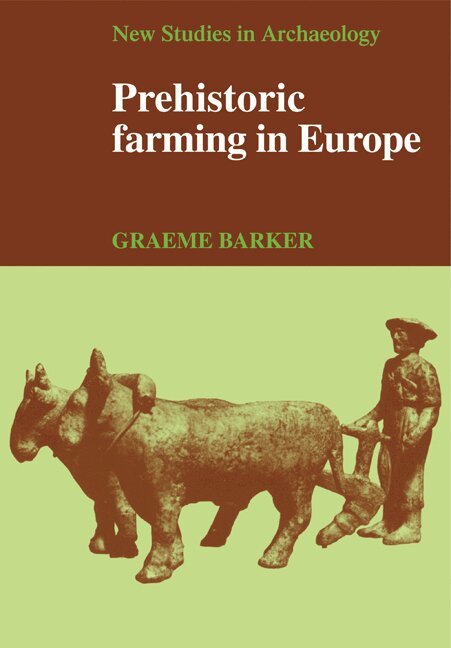
Prehistoric Farming in Europe
Av Graeme Barker, Colin Renfrew m. fl.
Häftad, 1985
720 kr
Lägg i varukorg
Drawing upon his own extensive knowledge of European archaeology, Graeme Barker has impressively integrated the full range of archaeological data to produce in this book a masterly account of prehistoric farming in Europe on a unique scale. He makes use of modern archaeological techniques to …
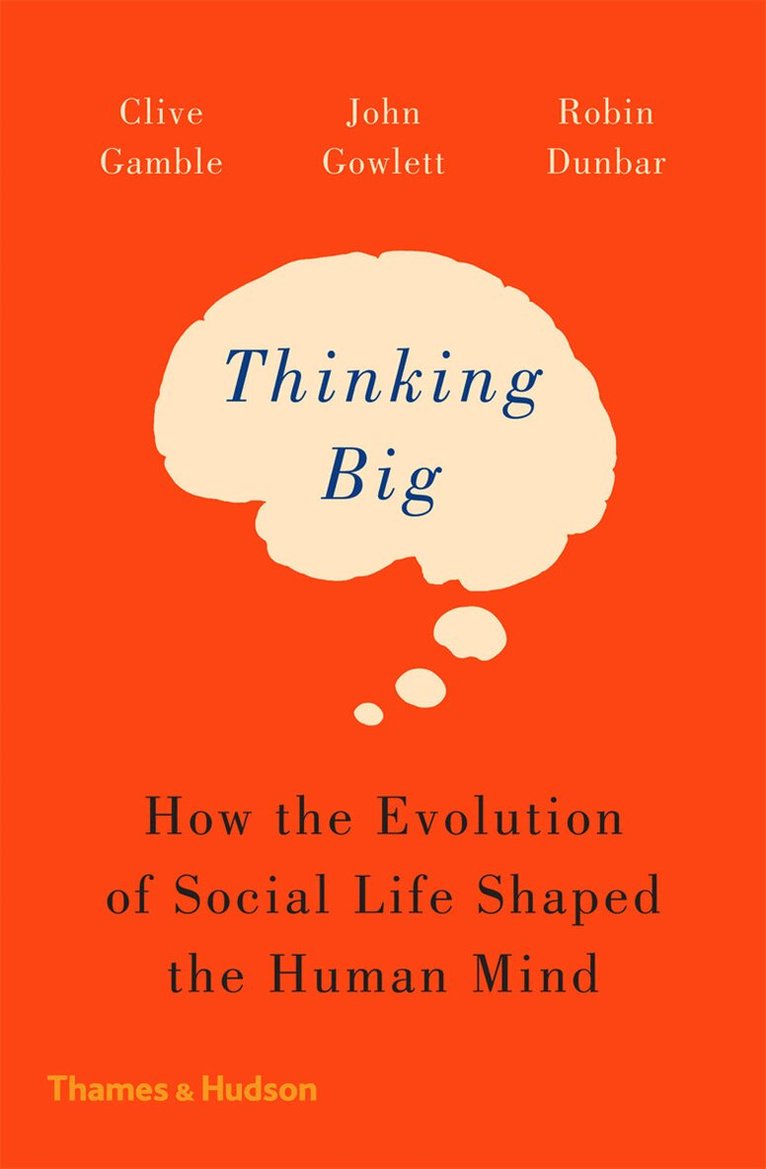
Thinking Big
How the Evolution of Social Life Shaped the Human Mind
Av Clive Gamble, John Gowlett m. fl.
Häftad, 2018
107 kr
Lägg i varukorg
When and how did the brains of our hominin ancestors become human minds? When and why did our capacity for language or art, music and dance evolve? It is the contention of this pathbreaking and provocative book that it was the need for early humans to live in ever-larger social groups, and to …
An Ethnography of the Neolithic
Early Prehistoric Societies in Southern Scandinavia
Av Christopher Tilley, Colin Renfrew m. fl.
Häftad, 2003
574 kr
Lägg i varukorg
Archaeological research in Sweden and Denmark has uncovered a startling array of evidence over the last 150 years, but until now there has been no comprehensive synthesis and interpretation of the material. An Ethnography of the Neolithic bridges this gap, giving an accessible and up-to-date …
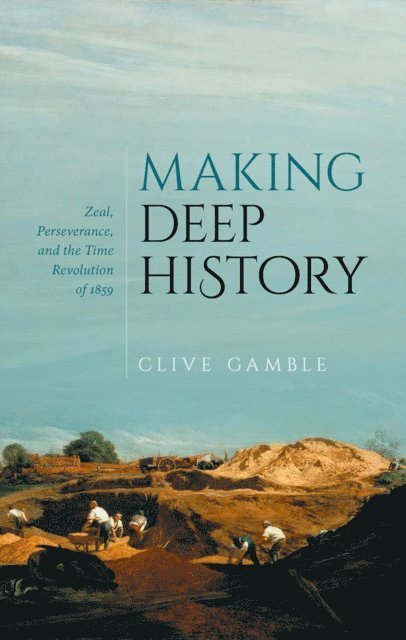
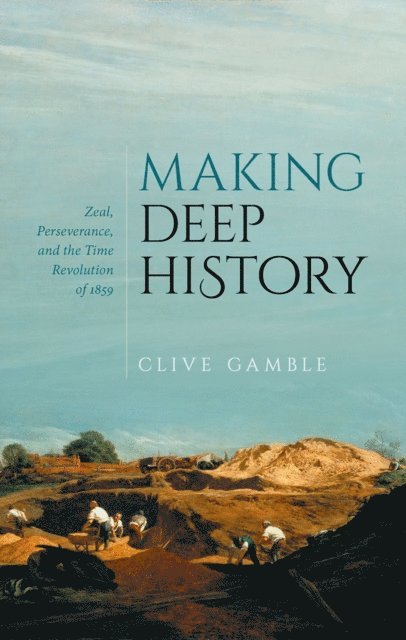
Making Deep History
Zeal, Perseverance, and the Time Revolution of 1859
Av Clive Gamble
E-bok, 2021
336 kr
Lägg i varukorg
One afternoon in late April 1859 two geologically minded businessmen, John Evans and Joseph Prestwich, found and photographed the proof for great human antiquity. Their evidence -- small, hand-held stone tools found in the gravel quarries of the Somme among the bones of ancient animals -- shattered …
Making Deep History
Zeal, Perseverance, and the Time Revolution of 1859
Av Clive Gamble
E-bok, 2021
336 kr
Lägg i varukorg
One afternoon in late April 1859 two geologically minded businessmen, John Evans and Joseph Prestwich, found and photographed the proof for great human antiquity. Their evidence -- small, hand-held stone tools found in the gravel quarries of the Somme among the bones of ancient animals -- shattered …
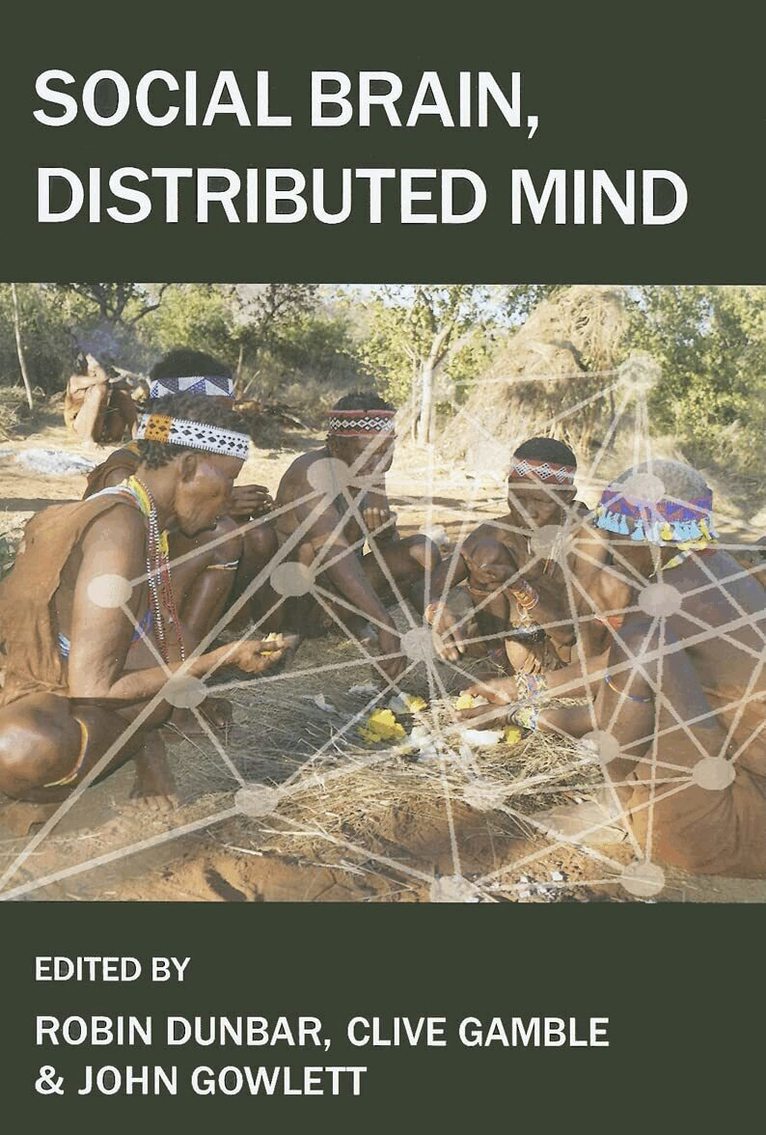
Social Brain, Distributed Mind
Av DUNBAR ET AL, Robin Dunbar m. fl.
Inbunden, 2010
1646 kr
Lägg i varukorg
To understand who we are and why we are, we need to understand both modern humans and the ancestral stages that brought us to this point. The core to that story has been the role of evolving cognition -the social brain - in mediating the changes in behaviour that we see in the archaeological …
Making Deep History
Zeal, Perseverance, and the Time Revolution of 1859
Av Clive Gamble
Inbunden, 2021
460 kr
Lägg i varukorg
One afternoon in late April 1859 two geologically minded businessmen, John Evans and Joseph Prestwich, found and photographed the proof for great human antiquity. Their evidence -- small, hand-held stone tools found in the gravel quarries of the Somme among the bones of ancient animals -- shattered …
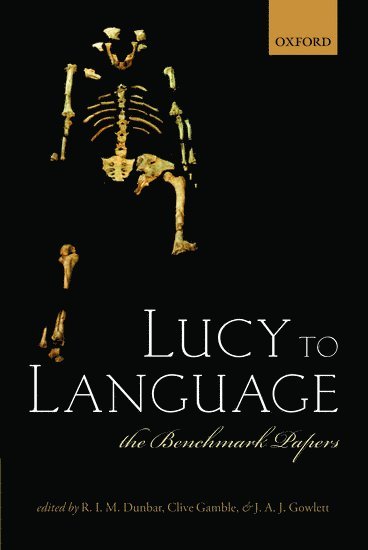
Lucy to Language
The Benchmark Papers
Av R. I. M. Dunbar, Clive Gamble m. fl.
Inbunden, 2014
2063 kr
Lägg i varukorg
The concept of the social brain has become a popular topic in the last decade and has generated interest within the research community and contributed to a wide public examination of human culture, nature, mind, and instinct, as well as aspects of social and business organisation. At its core, the …
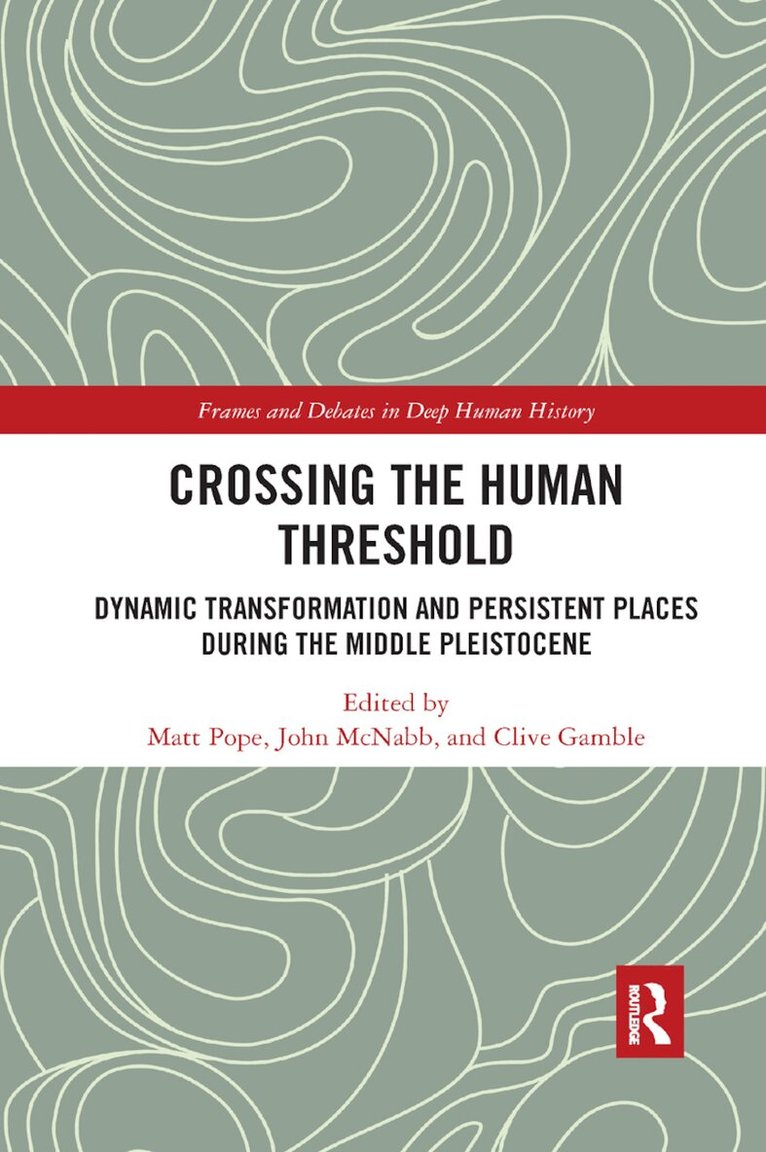
Crossing the Human Threshold
Dynamic Transformation and Persistent Places During the Middle Pleistocene
Av Matt Pope, John McNabb m. fl.
Häftad, 2019
832 kr
Lägg i varukorg
When was the human threshold crossed? What is the evidence for evolving humans and their emerging humanity? This volume explores in a global overview the archaeology of the Middle Pleistocene, 800,000 to 130,000 years ago when evidence for innovative cultural behaviour appeared. The evidence shows …
Hominid Individual in Context
Archaeological Investigations of Lower and Middle Palaeolithic landscapes, locales and artefacts
Inbunden, 2005
2588 kr
Lägg i varukorg
This book explores new approaches to the remarkably detailed information that archaeologists now have for the study of our early ancestors. Rather than explaining the archaeology of stones and bones as the product of group decisions, the contributors investigate how individual action created social …
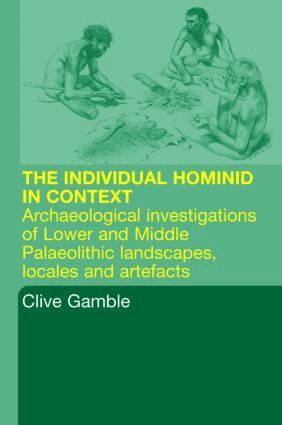
Hominid Individual in Context
Archaeological Investigations of Lower and Middle Palaeolithic landscapes, locales and artefacts
Häftad, 2005
847 kr
Lägg i varukorg
This book explores new approaches to the remarkably detailed information that archaeologists now have for the study of our early ancestors. Rather than explaining the archaeology of stones and bones as the product of group decisions, the contributors investigate how individual action created social …
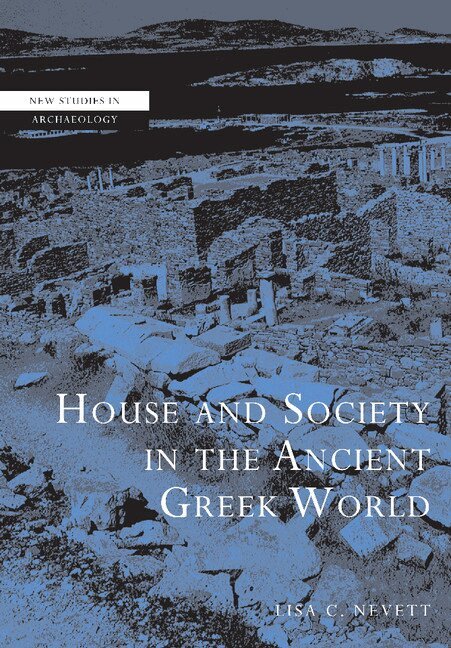
House and Society in the Ancient Greek World
Av Lisa C. Nevett, Colin Renfrew m. fl.
Häftad, 2001
737 kr
Lägg i varukorg
This 1999 book re-examines traditional assumptions about the nature of social relationships in Greek households during the Classical and Hellenistic periods. Through detailed exploration of archaeological evidence from individual houses, Lisa Nevett identifies a recognisable concept of the citizen …
The Chinese Neolithic
Trajectories to Early States
Av Li Liu, Colin Renfrew m. fl.
Häftad, 2007
972 kr
Lägg i varukorg
This book studies the formation of complex societies in prehistoric China during the Neolithic and early state periods, c. 7000-1500 BC. Archaeological materials are interpreted through anthropological perspectives, using systematic analytic methods in settlement and burial patterns. Both agency …
World Industrial Archaeology
Av Kenneth Hudson, Colin Renfrew m. fl.
Häftad, 1979
542 kr
Lägg i varukorg
Since the 1950s, when the phrase 'industrial archaeology' was coined, there has been an enormous growth of interest in what have come to be seen as the monuments of our more recent past. One result of this is that all kinds of old industrial plant, once valued only for what it could produce or do, …
Burial and Ancient Society
The Rise of the Greek City-State
Av Ian Morris, Colin Renfrew m. fl.
Häftad, 1990
636 kr
Lägg i varukorg
This study of the changing relationships between burial rituals and social structure in Early Iron Age Greece will be required reading for all archaeologists working with burial evidence, in whatever period. This book differs from many topical studies of state formation in that unique and …
A Chesapeake Family and their Slaves
A Study in Historical Archaeology
Av Anne Elizabeth Yentsch, Colin Renfrew m. fl.
Häftad, 1994
905 kr
Lägg i varukorg
Analysing the material remains left by Maryland's colonists in the eighteenth century in conjunction with historical records and works of art, archaeologists have reconstructed the daily life of the aristocratic British family of the governor of Maryland. In this large household people from …
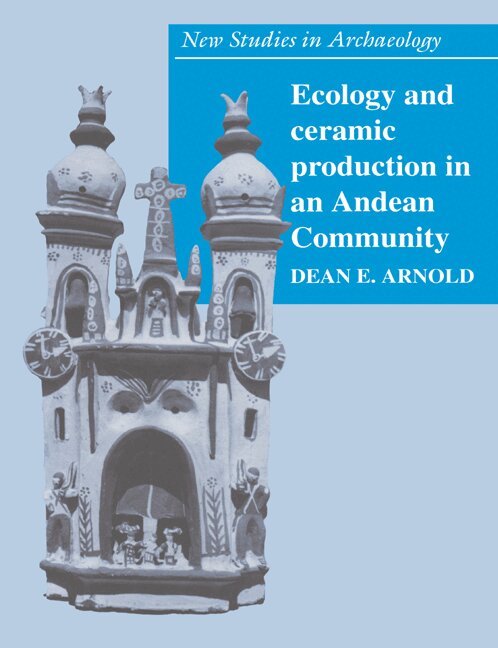
Ecology and Ceramic Production in an Andean Community
Av Dean E. Arnold, Colin Renfrew m. fl.
Häftad, 2003
748 kr
Lägg i varukorg
Following the theoretical perspective of his earlier book, Ceramic Theory and Cultural Process (1985), Dean Arnold's ethnoarchaeological study explores the relationships of ceramic production to society and its environment in the Peruvian Andes. The book traces these contemporary linkages through …
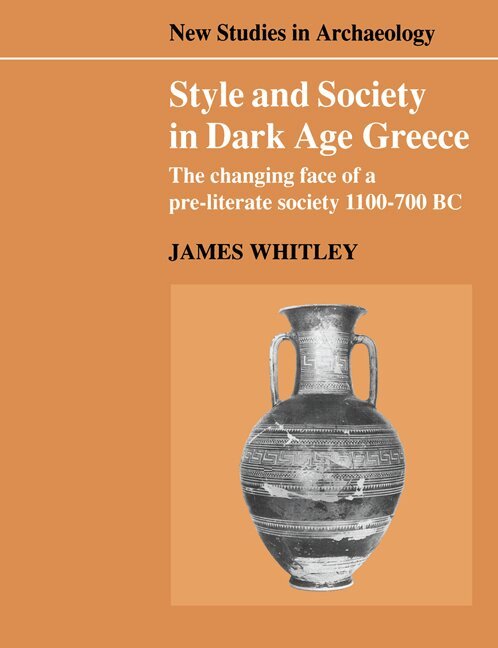
Style and Society in Dark Age Greece
The Changing Face of a Pre-literate Society 1100-700 BC
Av James Whitley, Colin Renfrew m. fl.
Häftad, 2003
687 kr
Lägg i varukorg
In this innovative study, James Whitley examines the relationship between the development of pot style and social changes in the Dark Age of Greece (1100-700 BC). He focuses on Athens where the Protogeometric and Geometric styles first appeared. He considers pot shape and painted decoration …
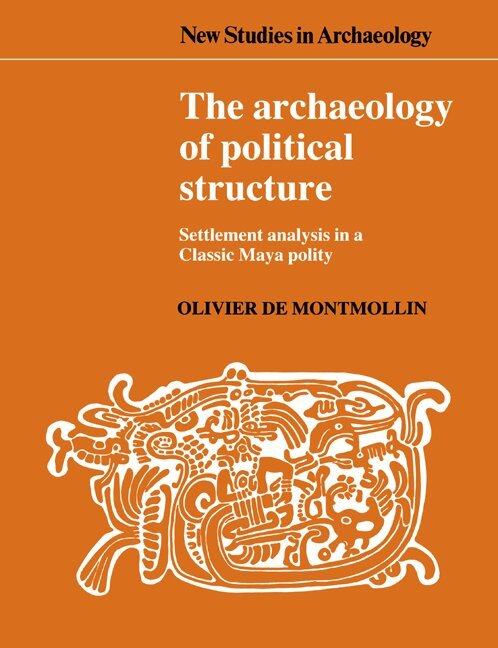
The Archaeology of Political Structure
Settlement Analysis in a Classic Maya Polity
Av Olivier de Montmollin, Colin Renfrew m. fl.
Häftad, 2004
770 kr
Lägg i varukorg
This innovative analysis of archaeological settlement patterns as a guide to ancient political structure focuses on the Maya of Southeastern Mexico. Working principally with data from the Classic Period in the Rosario Valley, Dr de Montmollin relates problem orientation and theory to themes with …
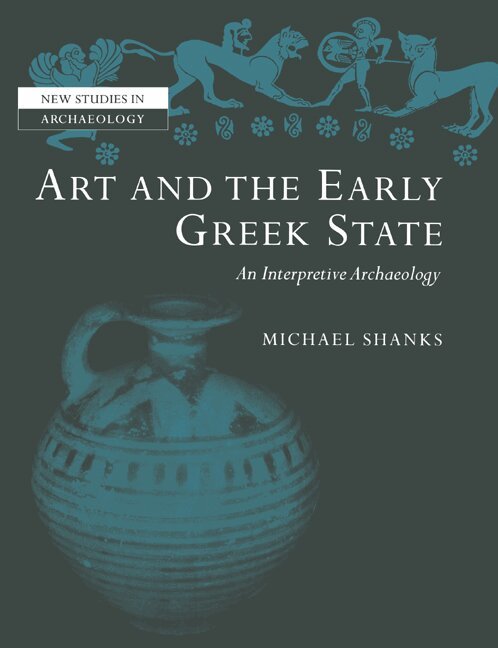
Art and the Early Greek State
Av Michael Shanks, Colin Renfrew m. fl.
Häftad, 2004
586 kr
Lägg i varukorg
Widely known as an innovative figure in contemporary archaeology, Michael Shanks has written a challenging contribution to recent debates on the emergence of the Greek city states in the first millennium BC. He interprets the art and archaeological remains of Korinth to elicit connections between …
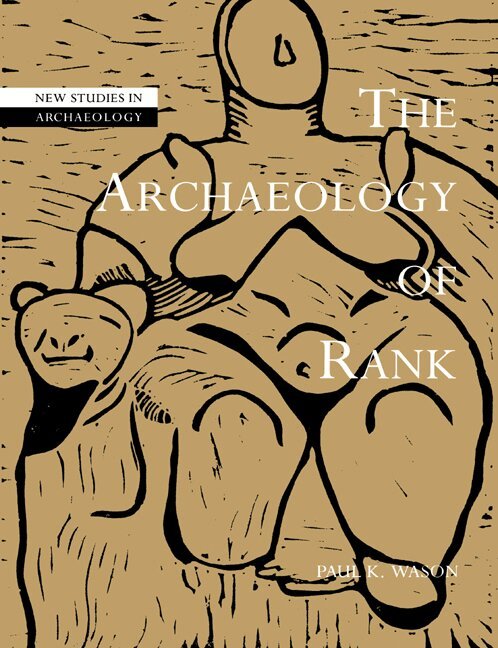
The Archaeology of Rank
Av Paul K. Wason, Colin Renfrew m. fl.
Häftad, 2004
737 kr
Lägg i varukorg
Social archaeology is concerned with how one might use the archaeological record of the present to elucidate how social interactions were ordered in a past society. This requires a meaningful model of society, considerable archaeological data, and a reliable connection between them. A major goal of …
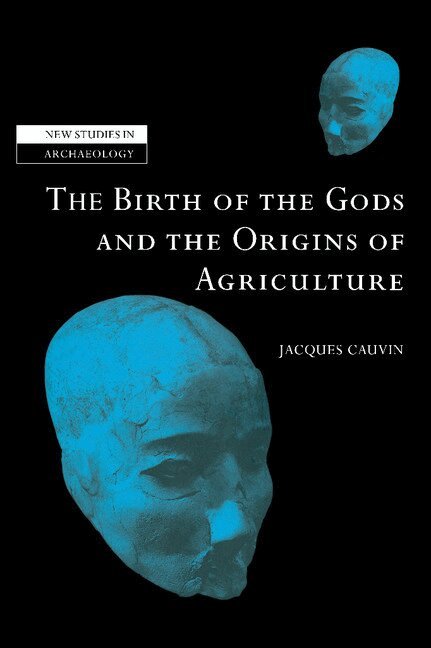
The Birth of the Gods and the Origins of Agriculture
Av Jacques Cauvin, Colin Renfrew m. fl.
Inbunden, 2000
1723 kr
Lägg i varukorg
Jacques Cauvin has spent many years researching the beginnings of the Neolithic in the Near East, excavating key sites and developing new ideas to explain the hugely significant cultural, social and economic changes which transformed mobile hunter-gatherers into the first village societies and …
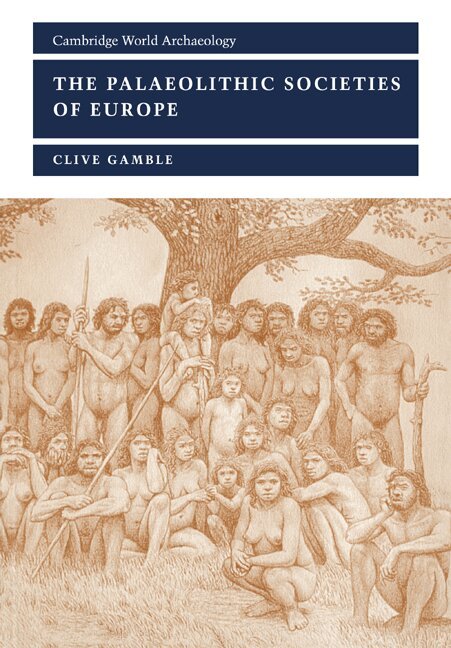
The Palaeolithic Societies of Europe
Av Clive Gamble, Norman Yoffee m. fl.
Häftad, 1999
1106 kr
Lägg i varukorg
Palaeolithic societies have been a neglected topic in the discussion of human origins. In this book, which succeeds and replaces The Palaeolithic Settlement of Europe, published by Cambridge University Press in 1986, Clive Gamble challenges the established view that the social life of Europeans …
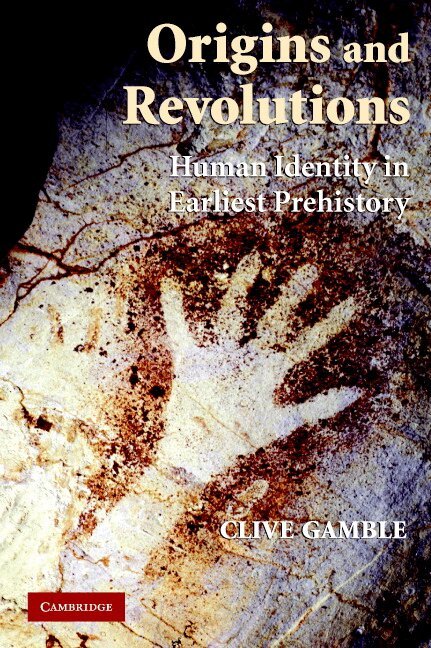
Origins and Revolutions
Human Identity in Earliest Prehistory
Av Clive Gamble
Häftad, 2007
687 kr
Lägg i varukorg
In this study Clive Gamble presents and questions two of the most famous descriptions of change in prehistory. The first is the 'human revolution', when evidence for art, music, religion and language first appears. The second is the economic and social revolution of the Neolithic period. Gamble …
Europe before History
Av Kristian Kristiansen, Colin Renfrew m. fl.
Häftad, 1999
720 kr
Lägg i varukorg
The societies of the European Bronze Age produced elaborate artifacts and were drawn into a wide trade network extending over the whole of Europe, even though they were economically and politically undiversified. Kristian Kristansen attempts to explain this paradox using a world-systems analysis, …
Origins and Revolutions
Human Identity in Earliest Prehistory
Av Clive Gamble
Inbunden, 2007
1559 kr
Lägg i varukorg
In this study Clive Gamble presents and questions two of the most famous descriptions of change in prehistory. The first is the 'human revolution', when evidence for art, music, religion and language first appears. The second is the economic and social revolution of the Neolithic period. Gamble …
Sampling in Contemporary British Archaeology
Av John F Cherry, Clive Gamble m. fl.
Häftad, 1978
1156 kr
Lägg i varukorg
World at 18 000 BP
Volume 1, High Latitudes
E-bok, 2026
1052 kr
Lägg i varukorg
Involving contributions from archaeology, geology, ethnography, anthropology and prehistory, The World at 18 000 BP: High Latitudes (first of the two volumes, and originally published in 1990) surveys the world scene 18,000 years ago. Following an introduction (common to the two volumes) on the …
World at 18 000 BP
Volume 2, Low Latitudes
E-bok, 2026
1030 kr
Lägg i varukorg
Involving contributions from archaeology, geology, ethnography, anthropology and prehistory, The World at 18 000 BP: Low Latitudes (second of the two volumes, and originally published in 1990) surveys the world scene 18,000 years ago. Following an introduction (common to the two volumes) on the …
World at 18 000 BP
Volume 1, High Latitudes
E-bok, 2026
1052 kr
Lägg i varukorg
Involving contributions from archaeology, geology, ethnography, anthropology and prehistory, The World at 18 000 BP: High Latitudes (first of the two volumes, and originally published in 1990) surveys the world scene 18,000 years ago. Following an introduction (common to the two volumes) on the …