Pinku Chandra Nath – författare
Visar alla böcker från författaren Pinku Chandra Nath. Handla med fri frakt och snabb leverans.
15 produkter
Novel Uses of Mushrooms in Foods and Nutraceuticals
Av Yugal Kishore Mohanta, Pinku Chandra Nath m. fl.
Häftad, 2027
2260 kr
Kommande
In an era where sustainable agriculture and health-promoting foods are more vital than ever, Novel Uses of Mushrooms in Foods and Nutraceuticals explores the diverse potential of mushrooms as a cornerstone of future food systems. Covering a broad spectrum of innovations, including advanced …
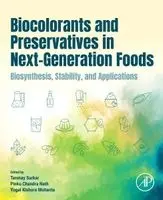
Biocolorants and Preservatives in Next-Generation Foods
Biosynthesis, Stability, and Applications
Av Tanmay Sarkar, Pinku Chandra Nath m. fl.
Häftad, 2027
2035 kr
Kommande
Biocolorants and Preservatives in Next-Generation Foods: Biosynthesis, Stability, and Applications addresses the urgent need for safer, natural alternatives to synthetic additives in the global food industry. With rising health concerns and environmental impacts of artificial colorants and …
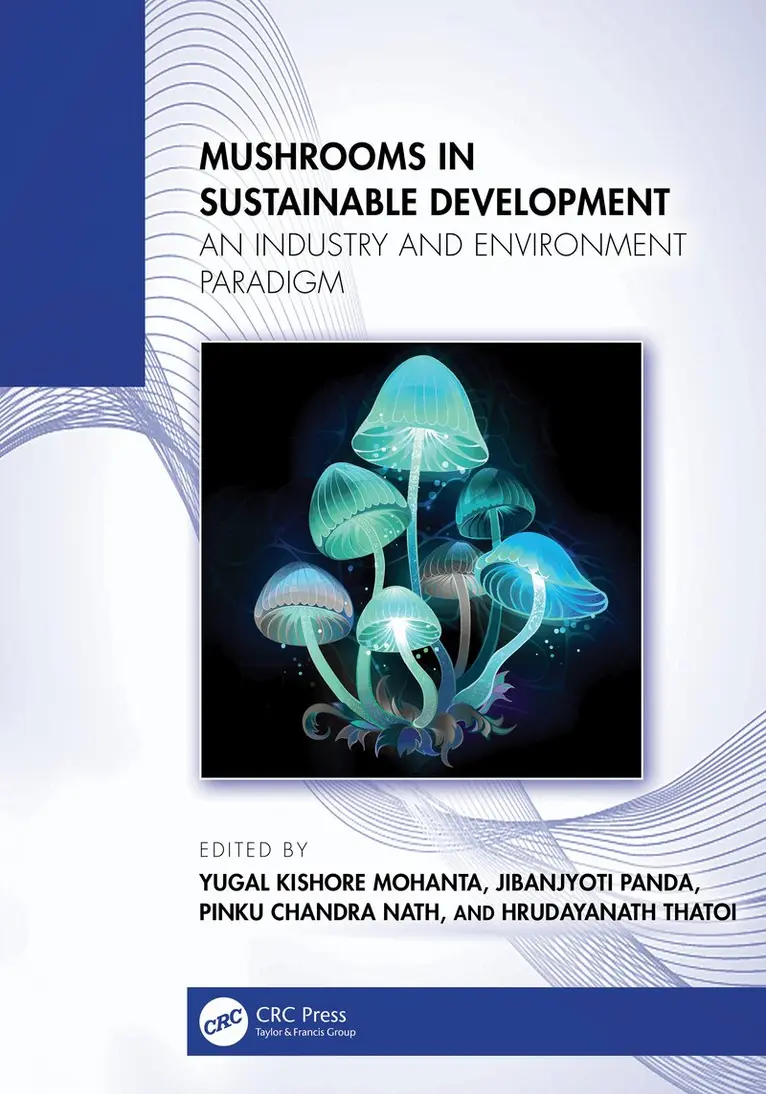
Mushrooms in Sustainable Development
An Industry and Environment Paradigm
Av Yugal Kishore Mohanta, Jibanjyoti Panda m. fl.
Inbunden, 2025
1830 kr
Lägg i varukorg
The book highlights the importance of mushrooms and their effective application in the nutraceutical sector, along with their role in promoting environmental resilience. The goal of this book is to highlight the gaps in the research on mushrooms as a possible source of superfoods and highly …
Mushrooms in Sustainable Development
An Industry and Environment Paradigm
Av Hrudayanath Thatoi, Pinku Chandra Nath m. fl.
E-bok, 2025
1022 kr
Lägg i varukorg
The book highlights the importance of mushrooms and their effective application in the nutraceutical sector, along with their role in promoting environmental resilience. The goal of this book is to highlight the gaps in the research on mushrooms as a possible source of superfoods and highly …
Mushrooms in Sustainable Development
An Industry and Environment Paradigm
Av Hrudayanath Thatoi, Pinku Chandra Nath m. fl.
E-bok, 2025
1000 kr
Lägg i varukorg
The book highlights the importance of mushrooms and their effective application in the nutraceutical sector, along with their role in promoting environmental resilience. The goal of this book is to highlight the gaps in the research on mushrooms as a possible source of superfoods and highly …
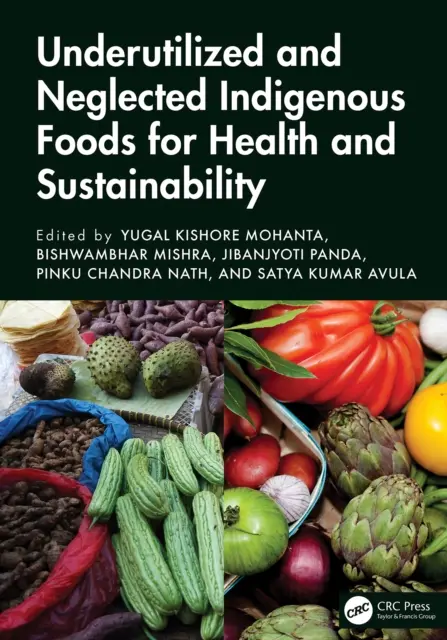
Underutilized and Neglected Indigenous Foods for Health and Sustainability
Av Satya Kumar Avula, Pinku Chandra Nath m. fl.
E-bok, 2026
1022 kr
Kommande
Underutilized and Neglected Indigenous Foods for Health and Sustainability explores the hidden potential of traditional food systems that have long been overlooked in modern diets. Drawing on scientific insights, cultural knowledge, and sustainability perspectives, this book highlights …
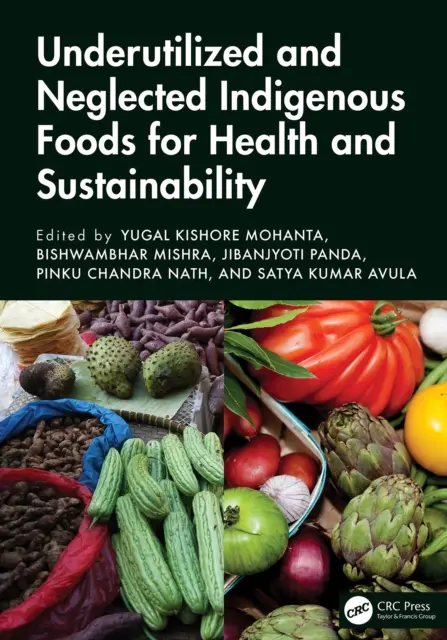
Underutilized and Neglected Indigenous Foods for Health and Sustainability
Av Satya Kumar Avula, Pinku Chandra Nath m. fl.
E-bok, 2026
1022 kr
Kommande
Underutilized and Neglected Indigenous Foods for Health and Sustainability explores the hidden potential of traditional food systems that have long been overlooked in modern diets. Drawing on scientific insights, cultural knowledge, and sustainability perspectives, this book highlights …
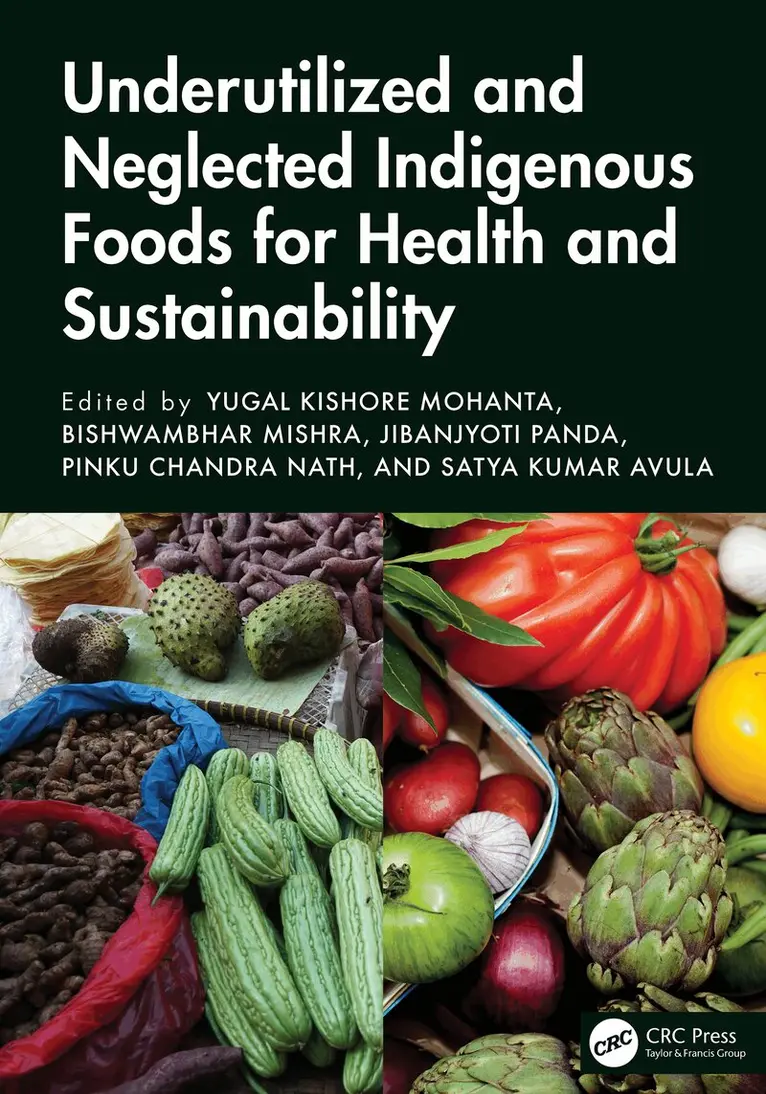
Underutilized and Neglected Indigenous Foods for Health and Sustainability
Av Bishwambhar Mishra, Yugal Kishore Mohanta m. fl.
Inbunden, 2026
1804 kr
Kommande
Underutilized and Neglected Indigenous Foods for Health and Sustainability explores the hidden potential of traditional food systems that have long been overlooked in modern diets. Drawing on scientific insights, cultural knowledge, and sustainability perspectives, this book highlights …
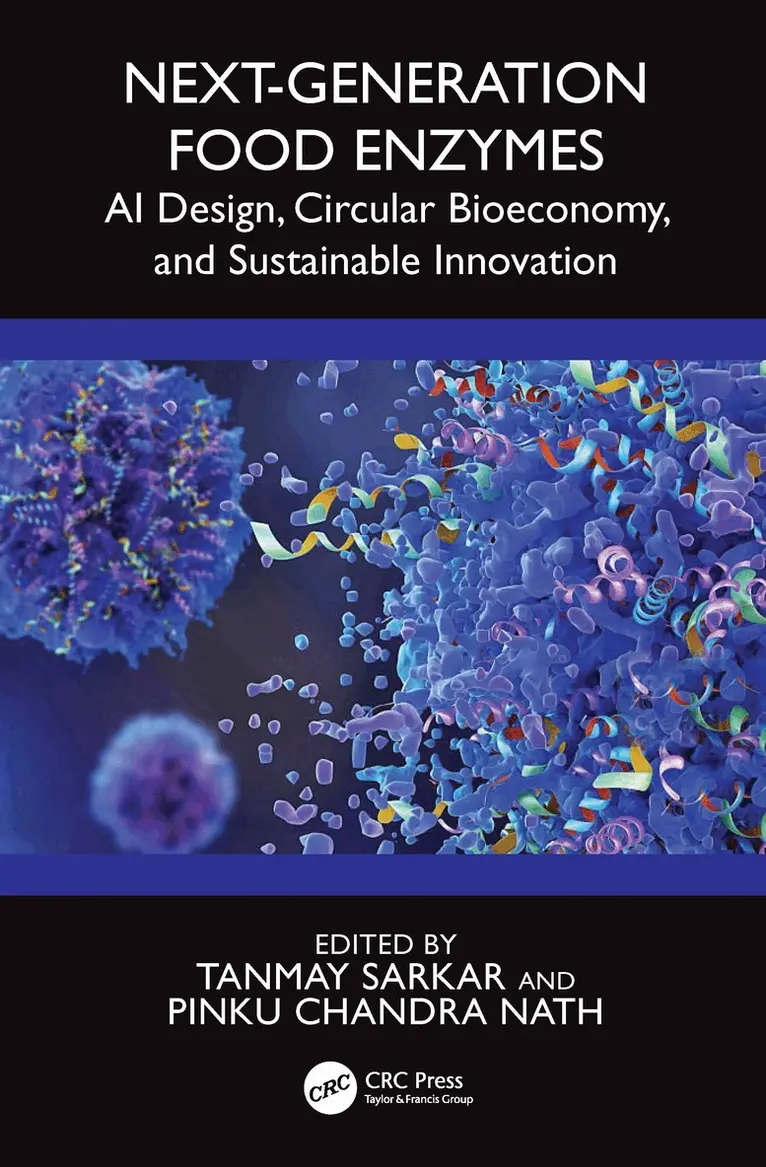
Next-Generation Food Enzymes
AI Design, Circular Bioeconomy, and Sustainable Innovation
Av Tanmay Sarkar, Pinku Chandra Nath
Inbunden, 2026
2480 kr
Kommande
Next-Generation Food Enzymes explores advanced enzyme technologies driven by Artificial Intelligence to enhance food processing efficiency, promote sustainability, and support a circular bioeconomy through eco-friendly biocatalytic innovations. It promotes sustainable innovation by reducing …
Fruit and Vegetable Processing Wastes and By-products
Utilization and Future Prospects
Av Yugal Kishore Mohanta, Prakash Kumar Nayak m. fl.
Inbunden, 2025
2175 kr
Lägg i varukorg
The book details methods and protocols on fruit and vegetable waste management. Chapters include multidimensional topics on circular economy, biorefinery approach of fruit and vegetable processing wastes; bioconversion of fruit and vegetable processing wastes into biofuel, biogas, fermentable …
Fruit and Vegetable Processing Wastes and By-products
Utilization and Future Prospects
Av Pinku Chandra Nath, Prakash Kumar Nayak m. fl.
E-bok, 2025
2925 kr
Lägg i varukorg
The book details methods and protocols on fruit and vegetable waste management. Chapters include multidimensional topics on circular economy, biorefinery approach of fruit and vegetable processing wastes; bioconversion of fruit and vegetable processing wastes into biofuel, biogas, fermentable …
Fruit and Vegetable Processing Wastes and By-products
Utilization and Future Prospects
Av Yugal Kishore Mohanta, Prakash Kumar Nayak m. fl.
Häftad, 2026
1532 kr
Lägg i varukorg
The book details methods and protocols on fruit and vegetable waste management. Chapters include multidimensional topics on circular economy, biorefinery approach of fruit and vegetable processing wastes; bioconversion of fruit and vegetable processing wastes into biofuel, biogas, fermentable …
Microalgae-based Pigments
Basic Protocols
Av Vinay Kumar Pandey, Pinku Chandra Nath
Inbunden, 2026
2185 kr
Lägg i varukorg
This volume details comprehensive methods for the isolation of pigments from microalgae with emphasis on sustainable and efficient methods. Chapters guide readers through solvent extraction, supercritical fluid extraction, pulsed electric field protocols, and purification methods necessary to …
Microalgae-based Pigments
Basic Protocols
Av Pinku Chandra Nath, Vinay Kumar Pandey
E-bok, 2026
2925 kr
Lägg i varukorg
This volume details comprehensive methods for the isolation of pigments from microalgae with emphasis on sustainable and efficient methods. Chapters guide readers through solvent extraction, supercritical fluid extraction, pulsed electric field protocols, and purification methods necessary to …
Mushrooms for the Promotion of Health, Food Security and Circular Bioeconomy
Av Yugal Kishore Mohanta, Pinku Chandra Nath m. fl.
Inbunden, 2027
2463 kr
Kommande
In the era of sustainability, mushrooms are considered a promising candidate to achieve many of the SDGs tapped by UNO. In addition to serving as food, mushrooms hold immense potential for application across various sectors. Therefore, there is a pressing need for a deeper discussion and the …