Sajid Fiaz – författare
Visar alla böcker från författaren Sajid Fiaz. Handla med fri frakt och snabb leverans.
21 produkter
21 produkter
Inbunden, Engelska, 2026
2 138 kr
Skickas inom 10-15 vardagar
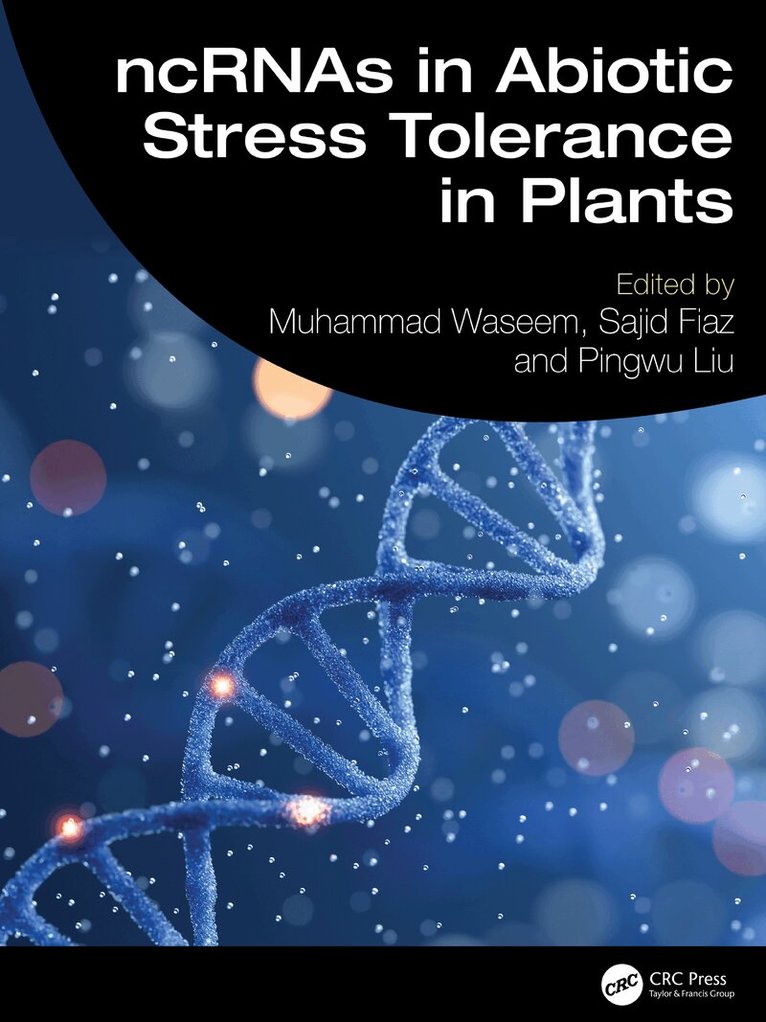
ncRNAs in Abiotic Stress Tolerance in Plants offers a timely and comprehensive examination of non-coding RNAs (ncRNAs) and their pivotal role in regulating plant responses to biotic and abiotic stresses. As research continues to uncover the functional versatility of small RNAs, long non-coding RNAs, and circular RNAs in plant genomes, this volume provides a focused and integrative perspective on how ncRNAs orchestrate gene expression under stress conditions, including drought, salinity, temperature extremes, pathogen attack, and nutrient deficiencies.Covering both foundational concepts and cutting-edge research, this book explores the biogenesis, classification, and molecular functions of ncRNAs, while highlighting the experimental and computational approaches used to study them. It further examines the cross-talk between ncRNAs and other regulatory layers such as transcription factors, epigenetic marks, and hormonal signaling pathways—offering insights into the multilayered regulatory networks that underlie plant resilience.Written by leading experts from diverse research institutions, this volume bridges molecular biology, plant physiology, and stress genomics. It serves as a valuable reference for plant molecular biologists, agronomists, biotechnologists, and graduate students working at the interface of RNA biology and crop improvement. As climate change and global food insecurity intensify, ncRNAs in Abiotic Stress Tolerance in Plants is an essential resource for developing innovative, RNA-based strategies to enhance crop resilience and sustainability.
Inbunden, Engelska, 2024
1 911 kr
Skickas inom 5-8 vardagar
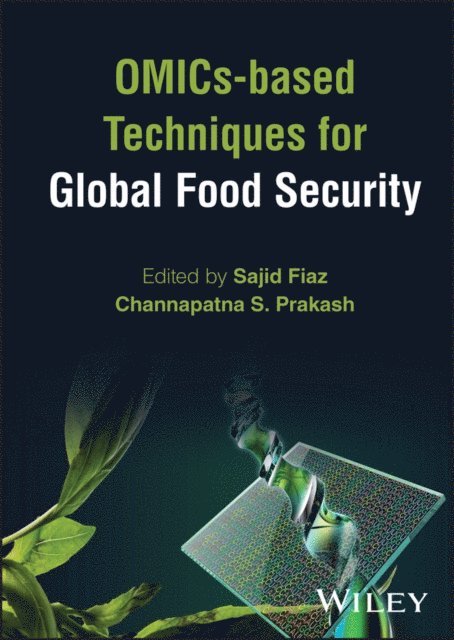
OMICs-based Techniques for Global Food Security Forward-thinking resource discussing how to integrate OMICs and novel genome editing technologies for sustainable crop production OMICS-based Techniques for Global Food Security provides an in-depth understanding of the mechanisms of OMICs techniques for crop improvement, details how OMICs techniques can contribute to identifying genes and traits with economic benefits, and explains how to develop crop plants with improved yield, quality, and resistance to stresses through genome editing technologies, providing evidence on the developments of climate resilient crops via applications of genome editing techniques throughout. The text covers the application of OMICs in crop plants, the integration of bioinformatics and multi-OMICs for precision breeding, de-novo domestication, CRISPR/Cas system for crop improvement, hybrid seed production, transgene free breeding, regulation for genome edit crops, bioinformatics and genome editing, and other topics related to OMICs and genome editing. The text also includes a chapter on global regulations for genome edited crops, and explains how these regulations influence novel plant breeding techniques in their adopted countries. Edited by two highly qualified academics, OMICs-based Techniques for Global Food Security covers topics such as: Crops genome sequencing and their application for crop improvement, and functional characterization of cereal genome The role of OMICs-based technologies in plant sciences and utilization of different multi-OMICs approaches for crop improvement Genomic database and genetic resource of cereals, speed breeding for rapid crop improvement, and evolution of genome editing technologies CRISPR system discovery, history, and future perspective, and CRISPR/Cas system for biotic and abiotic stress resistance in cereals Providing a collection of recent literature focusing on developments and applications of OMICs-based technologies for crop improvement, OMICs-based Techniques for Global Food Security is an important read for plant breeders, molecular biologists, researchers, postdoctoral fellows, and students in disciplines for developing crops with high yield and nutritional potential.
Inbunden, Engelska, 2025
2 074 kr
Skickas inom 5-8 vardagar
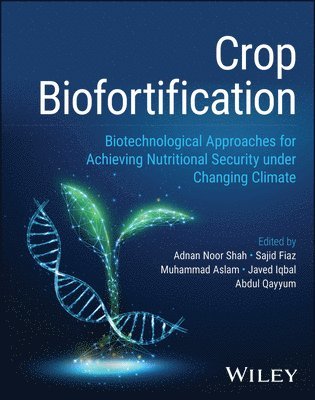
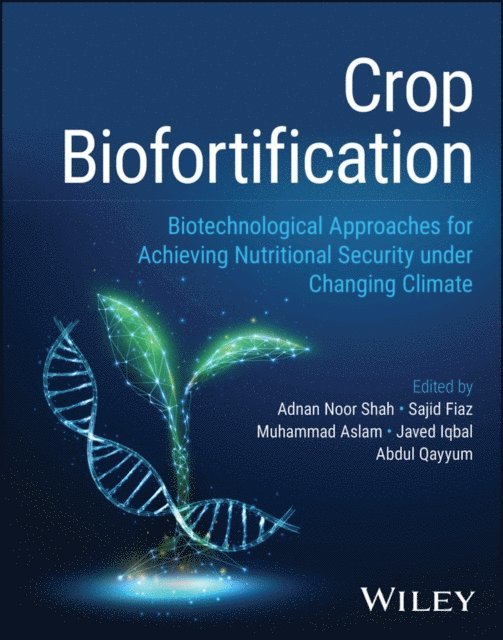
Develop more nutritious crops to aid in the fight against world hunger with this timely volume One in nine people worldwide suffer from hunger or food scarcity. Massively increasing food production is one of the most urgent scientific projects in the modern world, particularly as a changing climate places increasing pressure on the global food supply and on sustainable food production processes. Biofortification is a process in which plant breeding, improved agronomic practices, and/or modern biotechnology are employed to increase nutrient density of crops without sacrificing any of their desirable characteristics. It’s an essential tool in the global fight against hunger. Crop Biofortification offers an up-to-the-minute overview of this essential subject and its recent advances. It covers all the latest methodologies and techniques deployed in biofortification, as well as surveying plant responses to genetically induced biofortification and the effect of climate change on biofortified crops. Designed to allow for the application of these techniques at the field level, it’s a significant contribution towards the search for a sustainable global food supply. Crop Biofortification readers will also find: Presentation of recent advances in omics, particularly metabolomics, which can decipher potential changes in plants caused by biofortificationDetailed discussion of methods for increasing the nutritional content of edible plants to address specific nutritional deficienciesContributions towards a road map for increasing global food production by 70% before the year 2050Crop Biofortification is ideal for researchers, policymakers, and professionals interested in the potential biofortification of crop plants, as well as graduate and advanced undergraduate students in agronomy, plant physiology, plant breeding and genetics, agricultural biotechnology, and related fields.
Inbunden, Engelska, 2026
2 553 kr
Skickas inom 5-8 vardagar
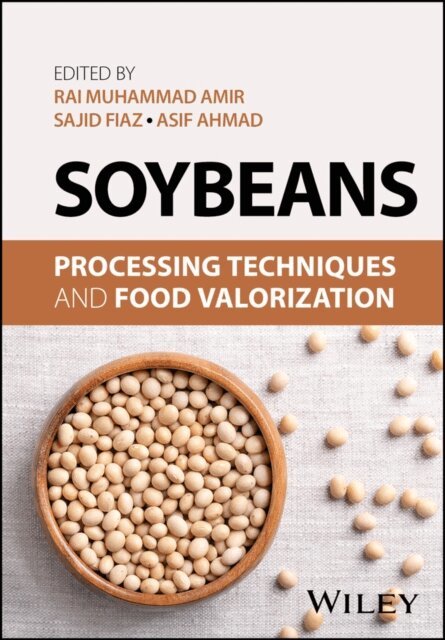
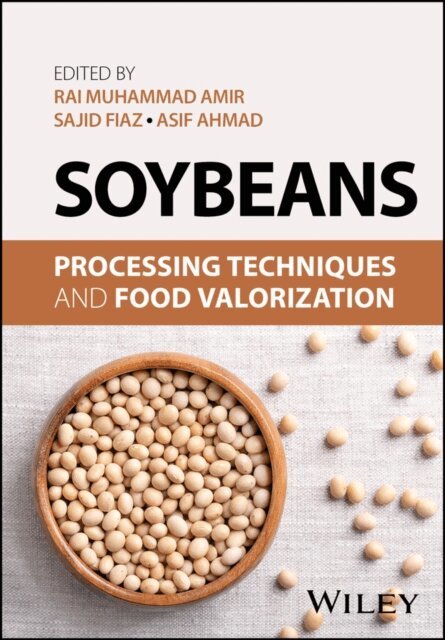
Comprehensive examination of the practical aspects of soybean processing techniques and utilization strategies, highlighting the importance of soybeans across industries Soybeans: Processing Techniques and Food Valorization presents a thorough examination of soybean science and technology. It starts with a detailed look at the historical significance, cultivation methods, and global impact of soybeans, setting the groundwork for an in-depth analysis of sustainable farming. The book emphasizes environmental and social factors, providing insights into enhancing soybean production while conserving resources and benefiting communities. Beyond growth practices, the book looks at the nutritional aspects of soybeans, emphasizing their health advantages and importance in diets. It discusses bioactive elements, highlighting the functional and medicinal benefits of soybeans, and leads into a comprehensive exploration of processing techniques. The journey from harvest to final product is outlined, covering the complexities of soybean processing, including the extraction, refinement, and application of soybean oil and protein. The book reviews marketing strategies for soybean value-added products, consumer trends and preferences in soybean consumption, and global trade dynamics of soybean products. Case studies of successful soybean value addition ventures are included in their own dedicated chapter. Soybeans also discusses: The diverse landscape of soybean-based food products, examining innovation and market trends in the food industryFunctions of soybean protein and oil in various products, ranging from baked goods to alternatives for meat and dairyUse of soybeans in biofuel production, traditional remedies, and their role in animal feed, cosmetics, and pharmaceuticalsEmerging research areas and opportunities in soybean science and technologyWays soybeans can contribute to food security and tackle global issues to promote sustainable growth and innovation globallySoybeans: Processing Techniques and Food Valorization serves as an all-encompassing guide for professionals and researchers aiming to explore the extensive possibilities of soybeans for a healthier and sustainable future.
Inbunden, Engelska, 2026
2 074 kr
Skickas inom 5-8 vardagar
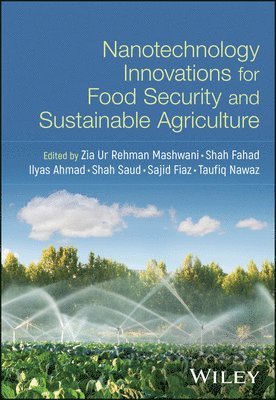
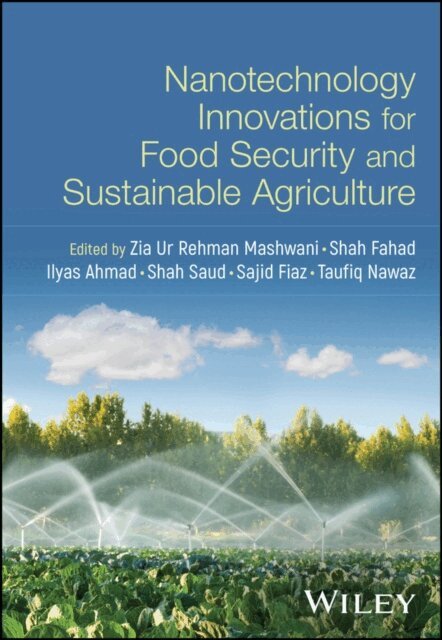
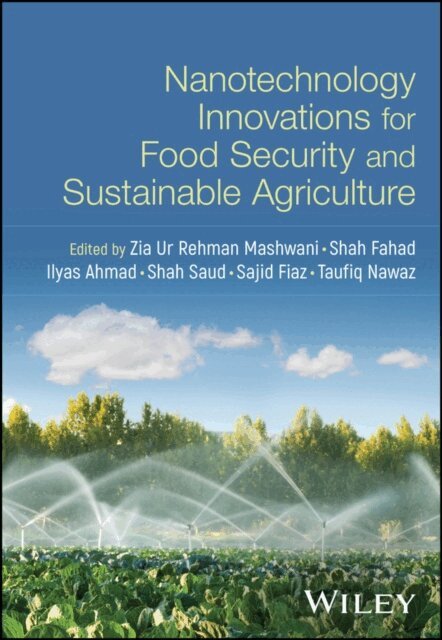
Complete resource covering theory and practical applications to solve modern agricultural challenges and enhance productivity, sustainability, and food safety Nanotechnology Innovations for Food Security and Sustainable Agriculture addresses the pressing challenges of modern agriculture and food security by demonstrating how nanotechnology can provide innovative solutions. It solves problems related to low crop yields, inefficient pest control, and inadequate food safety measures by introducing advanced nanoscale materials and techniques. By showcasing practical applications of nanotechnology in enhancing soil health, optimizing nutrient delivery, and improving pest management, the book offers strategies to increase agricultural productivity and sustainability. It also tackles issues in food quality and safety through advanced nano-sensors and packaging solutions, ensuring that food production and distribution are both more efficient and secure. By bridging theoretical knowledge with practical applications, this comprehensive resource provides valuable insights into how nanotechnology can be influenced to achieve sustainable agricultural practices and enhance global food security. In Nanotechnology Innovations for Food Security and Sustainable Agriculture, readers will find information on: Mechanisms, benefits, and future directions of nanofertilizers for soil health and fertilityNano-biofortification of cereal crops, addressing hidden hunger by enhancing nutritional content of staple foodsNext generation agriculture with nanopesticides and nanofungicides, demonstrating how targeted, efficient solutions can minimize environmental impactThe role of nanomaterials in modern plant disease management and potential health risks associated with nanoparticlesEthical, safety, and regulatory considerations in nanotechnology for agricultureNanotechnology Innovations for Food Security and Sustainable Agriculture serves as an essential resource on the subject for students and researchers, particularly those specializing in crop science, environmental science, and biotechnology, along with agricultural scientists and researchers, food safety and quality experts, farmers and agricultural practitioners, policy makers, and industry stakeholders.
Inbunden, Engelska, 2026
2 474 kr
Skickas inom 5-8 vardagar
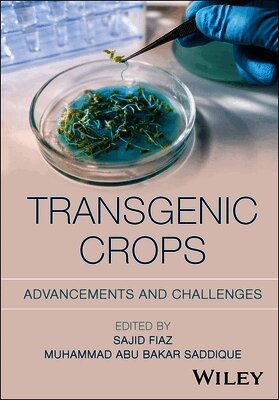
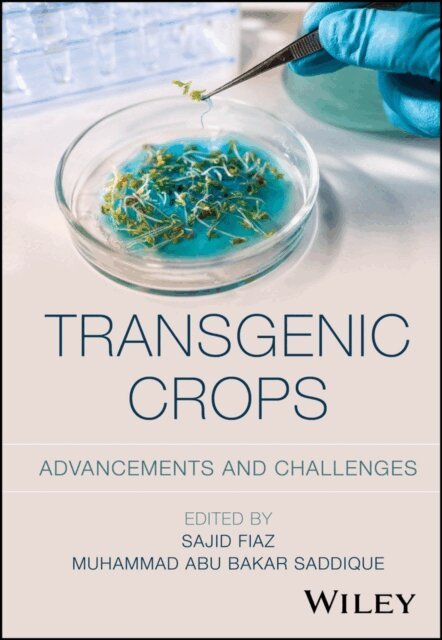
Comprehensive resource highlighting the potential for transgenic crops to improve global food security, reviewing risks, international regulations, and public perceptionTransgenic Crops: Advancements and Challenges explores the ecological, economic, and societal implications of transgenic crops and delves into the science behind their genetic modifications. Key themes include recent advancements in transgenic crop development as well as challenges faced and strategies for mitigation. The book also highlights innovative methodologies and techniques, international laws and policies, and points of consideration related to biosafety and public perception. Emphasis is placed on the role of transgenic crops in ensuring food and nutritional security, particularly in the face of global challenges such as population growth and climate change.Transgenic Crops includes information on: Advantages and disadvantages of plant cell cloning and the role of GMOs in achieving sustainable agricultural practicesThe power of transgenic approaches mitigating abiotic and biotic stress tolerance in plantsAbiotic stress in plants and associated effects, responses, and adaptive mechanisms in transgenic approachesThe role of transgenic plants in climate change mitigation and adaptation and the impact of climate change on plant pathogens, diseases, and food securityTrends, innovations, and challenges driving the future of transgenic cropsTransgenic Crops: Advancements and Challenges is an essential up-to-date reference on the subject for researchers and scientists looking to apply techniques at field and laboratory level, policymakers and stakeholders working in biosecurity, bioethics, and related disciplines, and students in related programs of study.
Inbunden, Engelska, 2026
2 207 kr
Skickas inom 5-8 vardagar
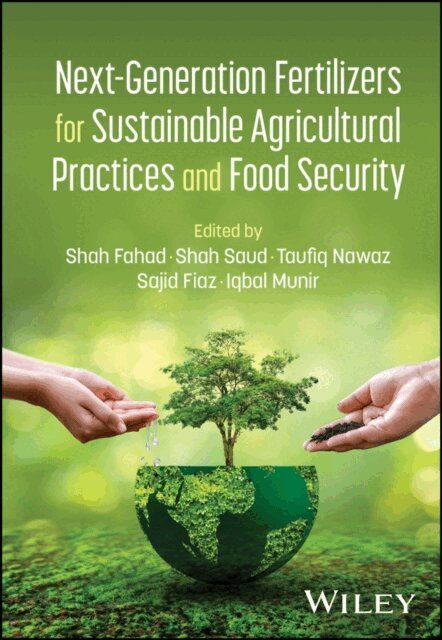
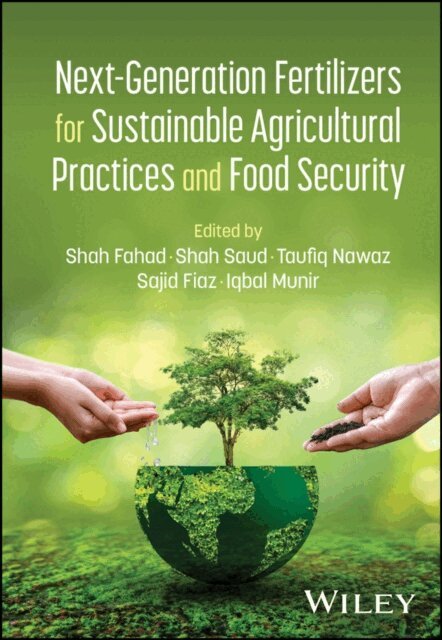
Comprehensive resource exploring the science, innovation, and real-world applications of innovative fertilizers to shape the future of agriculture Next-Generation Fertilizers for Sustainable Agricultural Practices and Food Security is a comprehensive exploration of the transformative role advanced fertilizer technologies play in modern agriculture. As the world faces mounting challenges from population growth, climate change, and resource scarcity, this book delves into innovative solutions revolutionizing sustainable and efficient crop cultivation. The book provides an in-depth look at the science behind next-generation fertilizers, including controlled-release systems, bio-based formulations, and precision nutrient delivery. It examines the integration of these fertilizers with cutting-edge agricultural technologies like nanotechnology, biotechnology, and precision farming tools. The book also highlights practical applications, success stories, and emerging trends that showcase the potential of these fertilizers to enhance crop yields, protect soil health, and reduce environmental impacts. It emphasizes the importance of collaboration between science, technology, and practice to address global food security while preserving natural resources for generations to come. Next-Generation Fertilizers for Sustainable Agricultural Practices and Food Security discusses sample topics including: Problems with traditional fertilizers including soil degradation, water pollution from runoff, and greenhouse gas emissionsDigital tools like soil health monitoring that can meet the demands of a growing population while preserving natural resourcesBiostimulants, nutrients, and signaling molecules for enhanced plant growthSynergistic effects of diverse fertilizer bioactivities on crop growth and soil healthOptimization of next-generation fertilizer use through integrated green manureStructured for a broad audience, Next-Generation Fertilizers for Sustainable Agricultural Practices and Food Security serves as an essential guide on the subject for farmers, agronomists, researchers, policymakers, and industry professionals.
Inbunden, Engelska, 2026
2 029 kr
Kommande
Phytochemistry and Climate-Resilient Agriculture offers a comprehensive exploration of how phytochemistry can be harnessed to build climate-resilient agricultural systems. It begins by establishing the foundational role of plant metabolites in responding to climate stress and enhancing crop productivity under abiotic pressures such as drought and heat. The text then delves into applied strategies, including phytoremediation for detoxifying degraded soils, and the use of phytochemicals in carbon sequestration and pest management. It expands the scope to include agroforestry, marine and algal phytochemistry, and the integration of AI and computational tools for predictive modeling. Cutting-edge topics such as genomic engineering for climate-resilient crops, water conservation through phytochemicals, and the role of plant compounds in supporting pollinators and biodiversity are also covered. The book concludes with discussions on economic viability, global market potential, and pathways for scaling innovations through policy and practice, offering a forward-looking vision for integrating phytochemistry into sustainable agriculture. With its interdisciplinary perspective, this book equips agricultural scientists with the tools and insights needed to integrate phytochemical research into climate-smart agriculture. Whether developing new crop varieties, designing sustainable farming systems, or advancing environmental policy, this book provides an application-focused guide to the future of resilient agriculture.
Inbunden, Engelska, 2026
2 411 kr
Kommande
Biotechnological strategies for building resilient food systems in arid regions As climate change shrinks arable land, arid and semi-arid regions represent critical frontiers for food production. Desert Agriculture: Biotechnological Innovations for Global Food Security assembles a team of crop scientists and biotechnologists to present integrated farming systems, climate-smart production methods, and regenerative practices that optimize water use, restore degraded soils, and harness renewable resources. The volume details AI-driven crop modelling, data analytics for resource optimization, and mechanization approaches adapted to desert environments. Biotechnological coverage spans genetic engineering, stress-tolerance strategies, and beneficial microorganisms that enhance crop resilience. Case studies illustrate real-world applications, while dedicated sections examine how traditional agronomic knowledge integrates with modern molecular and computational tools for sustainable outcomes. Readers will also find: Policy frameworks and actionable strategies designed to advance sustainable farming practices and secure long-term nutrition in water-scarce regionsHydroponics and drip irrigation systems engineered to maximize yields while minimizing freshwater consumption across diverse arid landscape conditionsRegenerative soil management techniques including saline water utilization and solar energy integration for desert-adapted agricultural production systemsTranscriptomic and metabolomic approaches to identifying and developing stress-tolerant crop varieties suited for extreme heat and drought conditionsEvidence-based guidance on combining indigenous farming knowledge with genome editing and bioinformatics for culturally grounded crop improvement programsDesigned for plant and crop scientists, biotechnologists, agronomists, botanists, and policymakers, Desert Agriculture delivers the research foundations, technological frameworks, and practical case studies needed to transform unproductive arid landscapes into sustainable, climate-resilient food production systems for current and future generations.
Inbunden, Engelska, 2026
1 672 kr
Kommande
Strigolactones are a class of plant hormones that play a crucial role in regulating plant growth, development, and responses to environmental stresses. These compounds were initially identified for their role in stimulating the germination of parasitic plants, but recent research has uncovered their broader significance in plant biology. Strigolactones influence various aspects of plant architecture, including shoot branching, root development, and leaf senescence. Moreover, they act as signalling molecules that help plants adapt to nutrient-deficient conditions and other environmental stresses. Understanding the multifaceted roles of strigolactones is essential for developing strategies to improve crop yield and resilience in the face of changing climatic conditions. The book provides an in-depth understanding of the role of strigolactones in plant growth and development. It explores the molecular pathways and mechanisms by which strigolactones exert their effects, and the potential applications of strigolactones in enhancing crop yield and stress resilience. It is suitable for researchers in plant science and agriculture, agronomists and agricultural consultants, and plant breeders and biotechnologists.
Inbunden, Engelska, 2022
1 820 kr
Skickas inom 10-15 vardagar
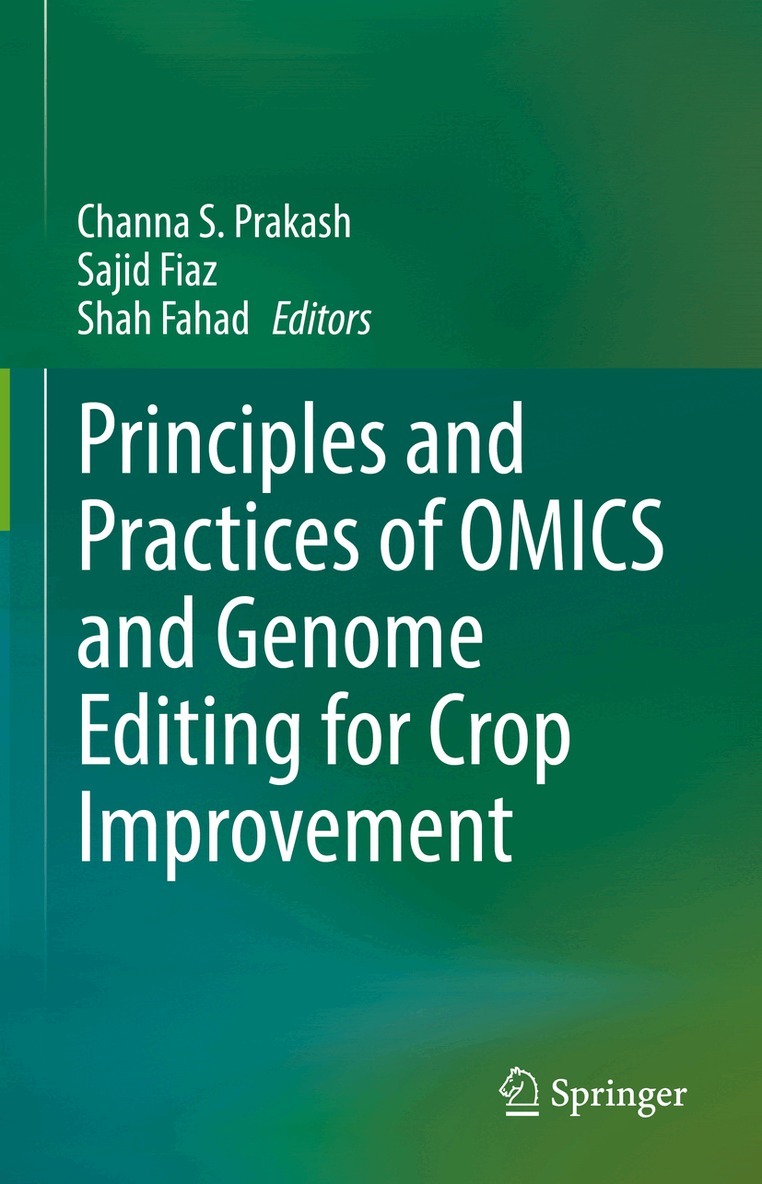
Global food security is increasingly challenging in light of population increase, the impact of climate change on crop production, and limited land available for agricultural expansion. Plant breeding and other agricultural technologies have contributed considerably for food and nutritional security over the last few decades. Genetic engineering approaches are powerful tools that we have at our disposal to overcome substantial obstacles in the way of efficiency and productivity of current agricultural practices. Genome engineering via CRISPR/Cas9, Cpf1, base editing and prime editing, and OMICs through genomics, transcriptomics, proteomics, phenomics, an metabolomics have helped to discover underlying mechanisms controlling traits of economic importance.Principle and Practices of OMICs and Genome Editing for Crop Improvement provides recent research from eminent scholars from around the world, from various geographical regions, with established expertise on genome editing and OMICs technologies. This book offers a wide range of information on OMICs techniques and their applications to develop biotic, abiotic and climate resilient crops, metabolomics and next generation sequencing for sustainable crop production, integration bioinformatics, and multi-omics for precision plant breeding. Other topics include application of genome editing technologies for food and nutritional security, speed breeding, hybrid seed production, resource use efficiency, epigenetic modifications, transgene free breeding, database and bioinformatics for genome editing, and regulations adopted by various countries around globe for genome edited crops. Both OMICs and genome editing are vigorously utilized by researchers for crop improvement programs; however, there is limited literature available in a single source. This book provides a valuable resource not only for students at undergraduate and postgraduate level but also for researchers, stakeholders, policy makers, and practitioners interested in the potential of genome editing and OMICs for crop improvement programs.
Häftad, Engelska, 2023
1 820 kr
Skickas inom 10-15 vardagar
Global food security is increasingly challenging in light of population increase, the impact of climate change on crop production, and limited land available for agricultural expansion. Plant breeding and other agricultural technologies have contributed considerably for food and nutritional security over the last few decades. Genetic engineering approaches are powerful tools that we have at our disposal to overcome substantial obstacles in the way of efficiency and productivity of current agricultural practices. Genome engineering via CRISPR/Cas9, Cpf1, base editing and prime editing, and OMICs through genomics, transcriptomics, proteomics, phenomics, an metabolomics have helped to discover underlying mechanisms controlling traits of economic importance.Principle and Practices of OMICs and Genome Editing for Crop Improvement provides recent research from eminent scholars from around the world, from various geographical regions, with established expertise on genome editing and OMICs technologies. This book offers a wide range of information on OMICs techniques and their applications to develop biotic, abiotic and climate resilient crops, metabolomics and next generation sequencing for sustainable crop production, integration bioinformatics, and multi-omics for precision plant breeding. Other topics include application of genome editing technologies for food and nutritional security, speed breeding, hybrid seed production, resource use efficiency, epigenetic modifications, transgene free breeding, database and bioinformatics for genome editing, and regulations adopted by various countries around globe for genome edited crops. Both OMICs and genome editing are vigorously utilized by researchers for crop improvement programs; however, there is limited literature available in a single source. This book provides a valuable resource not only for students at undergraduate and postgraduate level but also for researchers, stakeholders, policy makers, and practitioners interested in the potential of genome editing and OMICs for crop improvement programs.
Inbunden, Engelska, 2023
2 353 kr
Skickas inom 10-15 vardagar
Access to food with enough calories and nutrients is a fundamental right of every human. The global population has exceeded 7.8 billion and is expected to pass 10 billion by 2055. Such rapid population increase presents a great challenge for food supply. More grain production is needed to provide basic calories for humans. Thus, it is crucial to produce 60-110% more food to fill the gap between food production and the demand of future generations.Meanwhile food nutritional values are of increasing interest to accommodate industrialized modern lives. The instability of food production caused by global climate change presents another great challenge. The global warming rate has become more rapid in recent decades, with more frequent extreme climate change including higher temperatures, drought, and floods. Our world faces various unprecedented scenarios such as rising temperatures, which causes melting glaciers and the resulting various biotic and abiotic stresses, ultimately leading to food scarcity. In these circumstances it is of utmost importance to examine the genetic basis and extensive utilization of germplasm to develop “climate resilient cultivars” through the application of plant breeding and biotechnological tools. Future crops must adapt to these new and unpredictable environments. Crop varieties resistant to biotic and abiotic stresses are also needed as plant disease, insects, drought, high- and low-temperature stresses are expected to be impacted by climate change. Thus, we need a food production system that can simultaneously satisfy societal demands and long-term development.Since the Green Revolution in the 1960s, farming has been heavily dependent on high input of nitrogen and pesticides. This leads to environmental pollution which is not sustainable in the long run. Therefore, a new breeding scheme is urgently needed to enable sustainable agriculture; including new strategies to develop varieties and crops that have high yield potential, high yield stability, and superior grain quality and nutrition while also using less consumption of water, fertilizer, and chemicals in light of environmental protection. While we face these challenges, we also have great opportunities, especially with flourishing developments in omics technologies. High-quality reference genomes are becoming available for a larger number of species, with some species having more than one reference genome. The genome-wide re-sequencing of diverse varieties enables the identification of core- and pan-genomes. An integration of omics data will enable a rapid and high-throughput identification of many genes simultaneously for a relevant trait. This will change our current research paradigm fundamentally from single gene analysis to pathway or network analysis. This will also expand our understanding of crop domestication and improvement. In addition, with the knowledge gained from omics data, in combination with new technologies liketargeted gene editing, we can breed new varieties and crops for sustainable agriculture.
Häftad, Engelska, 2024
2 353 kr
Skickas inom 10-15 vardagar
Access to food with enough calories and nutrients is a fundamental right of every human. The global population has exceeded 7.8 billion and is expected to pass 10 billion by 2055. Such rapid population increase presents a great challenge for food supply. More grain production is needed to provide basic calories for humans. Thus, it is crucial to produce 60-110% more food to fill the gap between food production and the demand of future generations.Meanwhile food nutritional values are of increasing interest to accommodate industrialized modern lives. The instability of food production caused by global climate change presents another great challenge. The global warming rate has become more rapid in recent decades, with more frequent extreme climate change including higher temperatures, drought, and floods. Our world faces various unprecedented scenarios such as rising temperatures, which causes melting glaciers and the resulting various biotic and abiotic stresses, ultimately leading to food scarcity. In these circumstances it is of utmost importance to examine the genetic basis and extensive utilization of germplasm to develop “climate resilient cultivars” through the application of plant breeding and biotechnological tools. Future crops must adapt to these new and unpredictable environments. Crop varieties resistant to biotic and abiotic stresses are also needed as plant disease, insects, drought, high- and low-temperature stresses are expected to be impacted by climate change. Thus, we need a food production system that can simultaneously satisfy societal demands and long-term development.Since the Green Revolution in the 1960s, farming has been heavily dependent on high input of nitrogen and pesticides. This leads to environmental pollution which is not sustainable in the long run. Therefore, a new breeding scheme is urgently needed to enable sustainable agriculture; including new strategies to develop varieties and crops that have high yield potential, high yield stability, and superior grain quality and nutrition while also using less consumption of water, fertilizer, and chemicals in light of environmental protection. While we face these challenges, we also have great opportunities, especially with flourishing developments in omics technologies. High-quality reference genomes are becoming available for a larger number of species, with some species having more than one reference genome. The genome-wide re-sequencing of diverse varieties enables the identification of core- and pan-genomes. An integration of omics data will enable a rapid and high-throughput identification of many genes simultaneously for a relevant trait. This will change our current research paradigm fundamentally from single gene analysis to pathway or network analysis. This will also expand our understanding of crop domestication and improvement. In addition, with the knowledge gained from omics data, in combination with new technologies liketargeted gene editing, we can breed new varieties and crops for sustainable agriculture.
Inbunden, Engelska, 2023
1 926 kr
Skickas inom 10-15 vardagar
Sustainable food production is vital to ensure food and nutritional security to growing human population. Recently, there has been a shift in agricultural production system, crop production is not only considering yield as primary interest to produce higher number of calories for reducing hunger, but also more nutrient-rich food to reduce malnutrition or “hidden hunger”. Micronutrient malnutrition is a continuing and serious public health problem in many countries, various Interventions to alleviate this problem have been implemented. Biofortification, the process of breeding nutrients into food crops, provides a comparatively cost effective, sustainable, and long-term means of delivering more micronutrients. Legumes have higher protein content than most plant foods approximately twice than cereals and are rich in the key micronutrients folate, niacin, thiamine, calcium, iron and zinc. This book summarizes the biofortification of legumes. Detailed information through contributed chapters shed light on legumes research relevant to human health, with key topics that include genomic and genetic resources for food security, conventional and modern breeding approaches for improving nutrition, agronomic traits and biotechnological interventions.
Häftad, Engelska, 2024
1 926 kr
Skickas inom 10-15 vardagar
Sustainable food production is vital to ensure food and nutritional security to growing human population.
Inbunden, Engelska, 2024
2 140 kr
Skickas inom 10-15 vardagar
Non-coding RNAs (ncRNAs) are a class of RNA molecules that do not encode proteins but play pivotal roles in regulating gene expression and cellular processes.
Häftad, Engelska, 2025
2 140 kr
Skickas inom 10-15 vardagar
Non-coding RNAs (ncRNAs) are a class of RNA molecules that do not encode proteins but play pivotal roles in regulating gene expression and cellular processes. Emerging evidence suggests that ncRNAs have evolved as key regulators in mediating adaptive responses to environmental constraints. By modulating gene expression, ncRNAs enable organisms to fine-tune their physiological and cellular processes to maintain homeostasis under different environmental conditions. Understanding the biological function of ncRNAs in response to environmental stimuli is crucial for unraveling the complex regulatory networks that underlie adaptation and survival. This book explores various types of ncRNAs, including microRNAs (miRNAs), long non-coding RNAs (lncRNAs), and circular RNAs (circRNAs), and their involvement in the modulation of gene expression networks in plants to adapt to changing environmental conditions. Additionally, the book discusses the mechanisms by which ncRNAs interact with their target molecules, such as mRNAs and proteins, to exert regulatory effects.This information about nRNA response to environmental stresses - acting as regulators of cellular processes and stress-related signaling pathways for improving crop production - are lying unorganized in different articles of journals and edited books. Therefore, it is time demanding to publish a book dealing with these aspects.The introduction discusses the significance of understanding ncRNA-mediated regulation in the context of adaptation and survival in changing environmental conditions. By providing a comprehensive overview, this sets the stage for the subsequent chapters. Chapters then delve into the role of ncRNAs in epigenetic regulation and transgenerational effects, and explore how ncRNAs participate in shaping the epigenome and influencing heritable gene expression without altering the DNA sequence. This book discusses the implications of ncRNA-mediated epigenetic regulation in adapting to environmental challenges and its potential transgenerational effects. It summarizes key findings and highlights the importance of ncRNA-mediated regulation in responding to environmental constraints, emphasizing the unarguable biological function of ncRNAs and their role as critical regulators in adaptation and survival.
Inbunden, Engelska, 2024
2 140 kr
Skickas inom 10-15 vardagar
Agriculture is facing unprecedented challenges including climate change, declining arable land, and a growing global population. To meet the increasing demand for food while minimizing environmental impact, innovative solutions are required. Nanotechnology offers promising avenues to enhance agricultural productivity, sustainability, and food security. "Revolutionizing Agriculture: A Comprehensive Exploration of Agri-Nanotechnology" is an ambitious and timely book that sheds light on the transformative potential of nanotechnology in agriculture. This book is an exploration of agri-nanotechnology covering foundational principles, various applications, environmental considerations, and future trends. It serves as a valuable resource for researchers, academics, students, policymakers, and industry professionals interested in the intersection of nanotechnology and agriculture. By addressing both the scientific and societal implications of agri-nanotechnology, this book contributes to the sustainable development of agriculture in the 21st century.This book...Expands existing knowledge and understanding of applications of nano-materials in agriculture, exploring their chemical structures, properties, and biological activities;Provides readers with a foundational understanding of nanoscale science and its relevance to agriculture;Explores various types of nanomaterials and their applications in crop production, soil management, and pest control;Discusses the use of nanosensors for real-time monitoring of soil and crop conditions, as well as data analytics for precision agriculture;Addresses the development of nanopesticides, nanofertilizers, and nanodelivery systems to reduce chemical use and enhance crop protection;Examines how nanotechnology can contribute to sustainable practices such as water management, waste reduction, and energy efficiency;Discusses the regulatory framework and ethical concerns surrounding the use of nanotechnology in agriculture;Bridges the gap between the fields of agriculture, biotechnology, chemical and physical sciences.
Inbunden, Engelska, 2026
2 129 kr
Skickas inom 5-8 vardagar
Global human population is increasing rapidly, and it has been estimated to reached 9.7 billion by year 2050. With this massive population growth, the greatest challenge is sustainable food production. The traditional agriculture system does not have capacity to meet growing food demand therefore, it is emergent to introduce emerging technologies helping farming community to precisely utilize the resources to ensure food security under climate change conditions. The technological revolution of 21st century has transformed every sector of life with no exception to agriculture. The application of recent technical concepts i.e., Internet of things, cloud computing, big data, data mining and artificial intelligence had helped farming community to make smart decisions and actions for resolving complex problems of agriculture. Precision agriculture involves the utilization of sensors, drones, and satellite imagery for monitoring for monitoring crop health, soil conditions and weather patterns therefore, integration of artificial intelligence and data science-based technologies can improve sustainability, productivity, and climate resilience. The utilization of data sciences in precision agriculture represents a radical turn toward knowledge-based decision making. The application of data science concepts can help farming community to optimize the resource allocation, real time crops monitoring, efficiently and timely harvesting and yield prediction. This synergy will not only enhance the productivity but can also promote sustainable agricultural practices.The book covers the latest developments taking place on application of data sciences for precision agriculture. It specifically focuses on the technological innovations for improving decision making, and cover various fields of data sciences and their application in agriculture production system.
Inbunden, Engelska, 2025
2 140 kr
Skickas inom 10-15 vardagar
mso-ascii-font-family: 'Times New Roman'; mso-hansi-font-family: 'Times New Roman'; mso-bidi-font-family: 'Times New Roman'; mso-ascii-font-family: 'Times New Roman'; mso-hansi-font-family: 'Times New Roman'; mso-bidi-font-family: 'Times New Roman'; mso-ascii-font-family: 'Times New Roman'; mso-hansi-font-family: 'Times New Roman';