CERES: Rutgers Studies in History – serie
Visar alla böcker i serien CERES: Rutgers Studies in History. Handla med fri frakt och snabb leverans.
24 produkter
24 produkter
Häftad, Engelska, 2022
413 kr
Skickas inom 5-8 vardagar
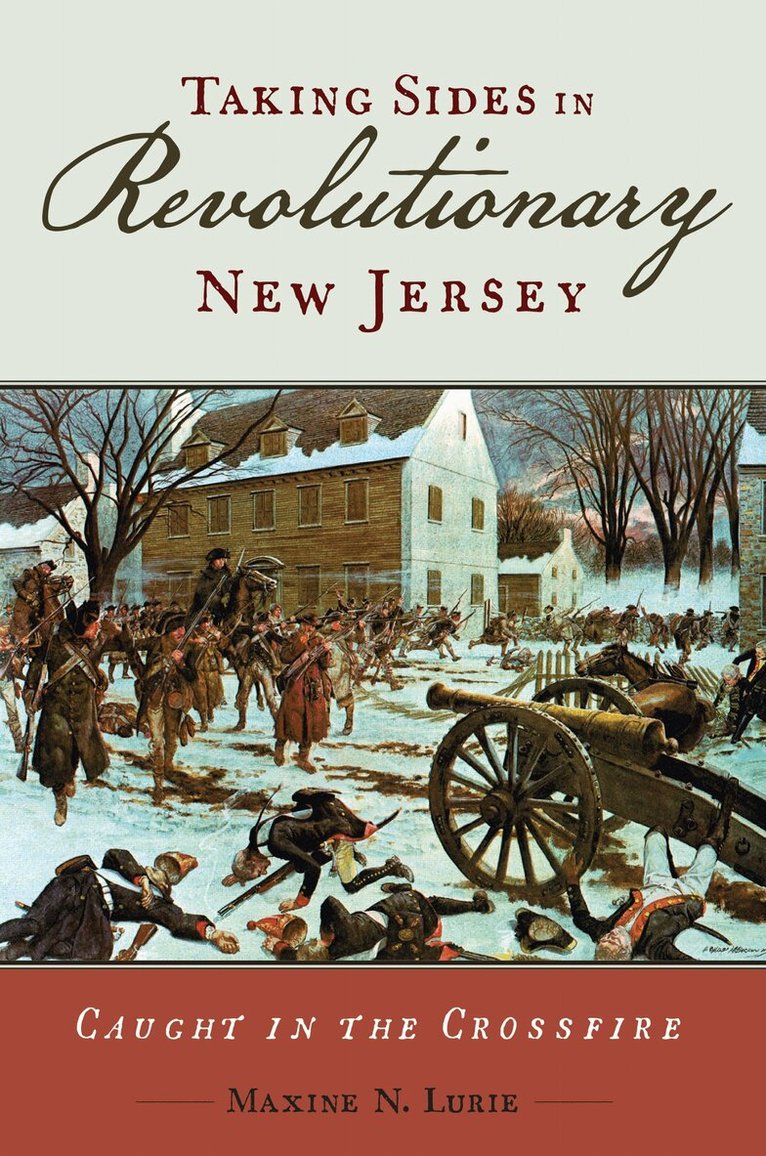
The American Revolution in New Jersey lasted eight long years, during which many were caught in the middle of a vicious civil war. Residents living in an active war zone took stands that varied from “Loyalist” to “Patriot” to neutral and/or "trimmer" (those who changed sides for a variety of reasons). Men and women, Blacks and whites, Native Americans, and those from a wide variety of ethnic backgrounds, with different religious affiliations all found themselves in this difficult middle ground. When taking sides, sometimes family was important, sometimes religion, or political principles; the course of the war and location also mattered. Lurie analyzes the difficulties faced by prisoners of war, the refugees produced by the conflict, and those Loyalists who remained, left as exiles, or surprisingly later returned. Their stories are interesting, often dramatic, and include examples of those literally caught in the crossfire. They illustrate the ways in which this was an extremely difficult time and place to live. In the end more of the war was fought in New Jersey than elsewhere, resulting in the highest number of casualties, and a great deal of physical damage. The costs were high no matter what side individuals took. Taking Sides uses numerous brief biographies to illustrate the American Revolution’s complexity; it quotes from documents, pamphlets, diaries, letters, and poetry, a variety of sources to provide insight into the thoughts and reactions of those living through it all. It focuses on people rather than battles and provides perspective for the difficult choices we make in our own times.Supplemental Instructor Resources for Taking Sides in Revolutionary New Jersey:Questions (https://d3tto5i5w9ogdd.cloudfront.net/wp-content/uploads/2022/07/19144155/Taking-Sides-Supplementary-Instructor-Resources-Questions.pdf)Bibliography (https://d3tto5i5w9ogdd.cloudfront.net/wp-content/uploads/2022/07/19144154/Taking-Sides-Supplementary-Instructor-Resources-Bibliography.pdf)
Inbunden, Engelska, 2022
945 kr
Skickas inom 5-8 vardagar
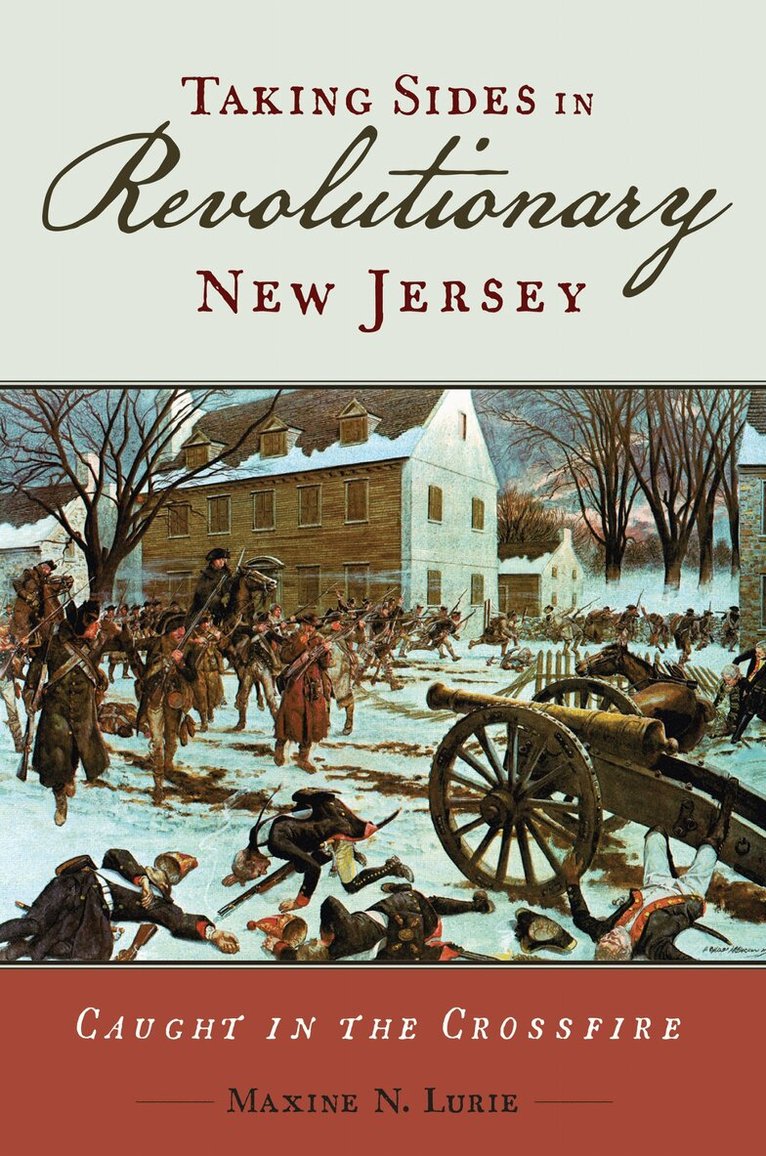
The American Revolution in New Jersey lasted eight long years, during which many were caught in the middle of a vicious civil war. Residents living in an active war zone took stands that varied from “Loyalist” to “Patriot” to neutral and/or "trimmer" (those who changed sides for a variety of reasons). Men and women, Blacks and whites, Native Americans, and those from a wide variety of ethnic backgrounds, with different religious affiliations all found themselves in this difficult middle ground. When taking sides, sometimes family was important, sometimes religion, or political principles; the course of the war and location also mattered. Lurie analyzes the difficulties faced by prisoners of war, the refugees produced by the conflict, and those Loyalists who remained, left as exiles, or surprisingly later returned. Their stories are interesting, often dramatic, and include examples of those literally caught in the crossfire. They illustrate the ways in which this was an extremely difficult time and place to live. In the end more of the war was fought in New Jersey than elsewhere, resulting in the highest number of casualties, and a great deal of physical damage. The costs were high no matter what side individuals took. Taking Sides uses numerous brief biographies to illustrate the American Revolution’s complexity; it quotes from documents, pamphlets, diaries, letters, and poetry, a variety of sources to provide insight into the thoughts and reactions of those living through it all. It focuses on people rather than battles and provides perspective for the difficult choices we make in our own times.Supplemental Instructor Resources for Taking Sides in Revolutionary New Jersey:Questions (https://d3tto5i5w9ogdd.cloudfront.net/wp-content/uploads/2022/07/19144155/Taking-Sides-Supplementary-Instructor-Resources-Questions.pdf)Bibliography (https://d3tto5i5w9ogdd.cloudfront.net/wp-content/uploads/2022/07/19144154/Taking-Sides-Supplementary-Instructor-Resources-Bibliography.pdf)
Häftad, Engelska, 2022
343 kr
Skickas inom 5-8 vardagar
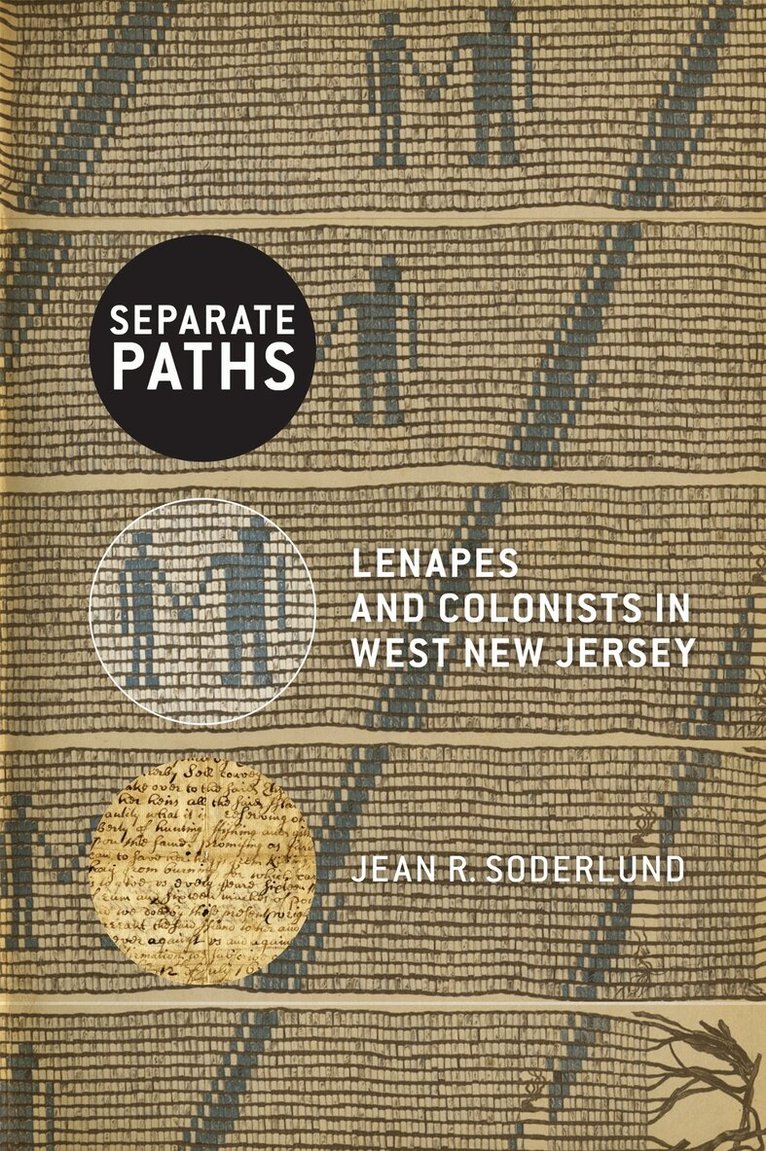
Winner of the 2024 McCormick Prize from the New Jersey Studies Academic AllianceSeparate Paths: Lenapes and Colonists in West New Jersey is the first cross-cultural study of European colonization in the region south of the Falls of the Delaware River (now Trenton). Lenape men and women welcomed their allies, the Swedes and Finns, to escape more rigid English regimes on the west bank of the Delaware, offering land to establish farms, share resources, and trade. In the 1670s, Quaker men and women challenged this model with strategies to acquire all Lenape territory for their own use and to sell as real estate to new immigrants. Though the Lenapes remained sovereign and “old settlers” retained their Swedish Lutheran religion and ethnic autonomy, the West Jersey proprietors had considerable success in excluding Lenapes from their land. The Friends believed God favored their endeavor with epidemics of smallpox and other European diseases that destroyed Lenape families and communities. Affluent Quakers also introduced enslavement of imported Africans and Natives—and the violence that sustained it—to a colony they had promoted with the liberal West New Jersey Concessions of 1676-77. Thus, they defied their prior experience of religious persecution and their principles of peaceful resolution of conflict, equality of everyone before God, and the golden rule to treat others as you wish to be treated. Despite mutual commitment to peace by Lenapes, old settlers, and Friends, Quaker colonization had similar results to military conquests of Natives by English in Virginia and New England, and Dutch in the Hudson Valley and northern New Jersey. Still, in alliance with old settlers, Lenape communities survived in areas outside the focus of English colonization, in the Pine Barrens, upper reaches of streams, and Atlantic shore.
Inbunden, Engelska, 2022
833 kr
Skickas inom 5-8 vardagar
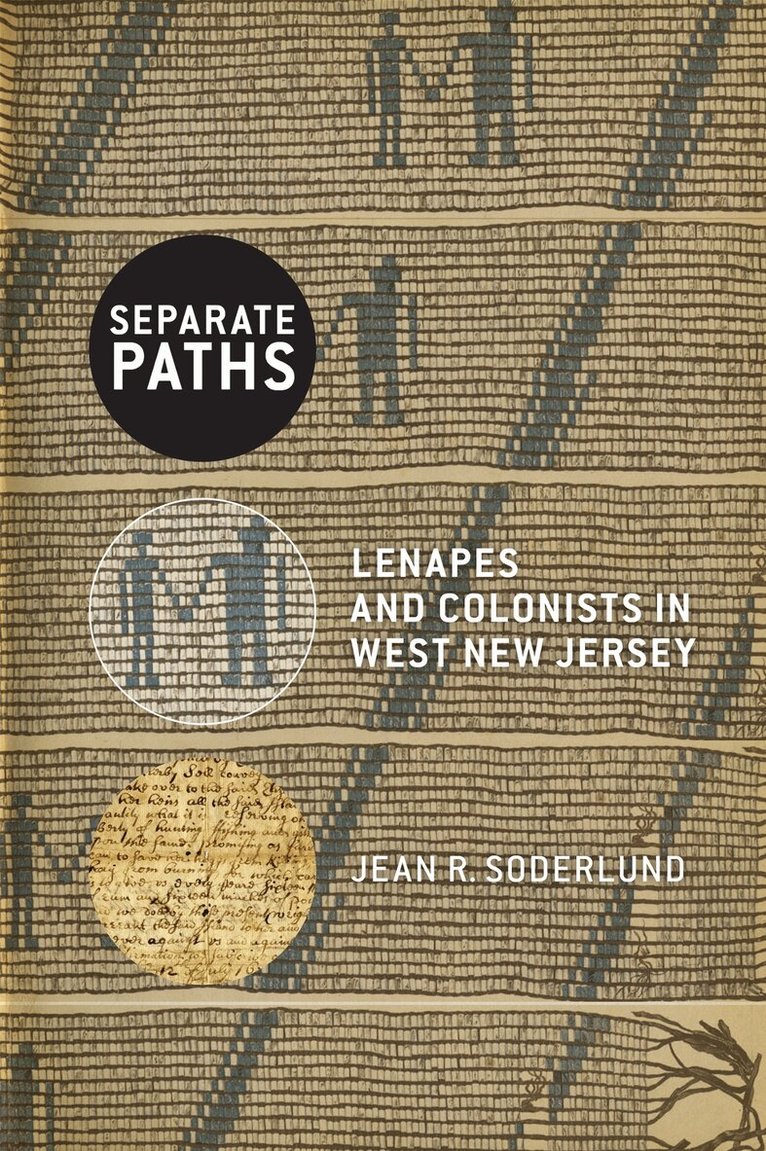
Winner of the 2024 McCormick Prize from the New Jersey Studies Academic AllianceSeparate Paths: Lenapes and Colonists in West New Jersey is the first cross-cultural study of European colonization in the region south of the Falls of the Delaware River (now Trenton). Lenape men and women welcomed their allies, the Swedes and Finns, to escape more rigid English regimes on the west bank of the Delaware, offering land to establish farms, share resources, and trade. In the 1670s, Quaker men and women challenged this model with strategies to acquire all Lenape territory for their own use and to sell as real estate to new immigrants. Though the Lenapes remained sovereign and “old settlers” retained their Swedish Lutheran religion and ethnic autonomy, the West Jersey proprietors had considerable success in excluding Lenapes from their land. The Friends believed God favored their endeavor with epidemics of smallpox and other European diseases that destroyed Lenape families and communities. Affluent Quakers also introduced enslavement of imported Africans and Natives—and the violence that sustained it—to a colony they had promoted with the liberal West New Jersey Concessions of 1676-77. Thus, they defied their prior experience of religious persecution and their principles of peaceful resolution of conflict, equality of everyone before God, and the golden rule to treat others as you wish to be treated. Despite mutual commitment to peace by Lenapes, old settlers, and Friends, Quaker colonization had similar results to military conquests of Natives by English in Virginia and New England, and Dutch in the Hudson Valley and northern New Jersey. Still, in alliance with old settlers, Lenape communities survived in areas outside the focus of English colonization, in the Pine Barrens, upper reaches of streams, and Atlantic shore.
Inbunden, Engelska, 2025
405 kr
Skickas
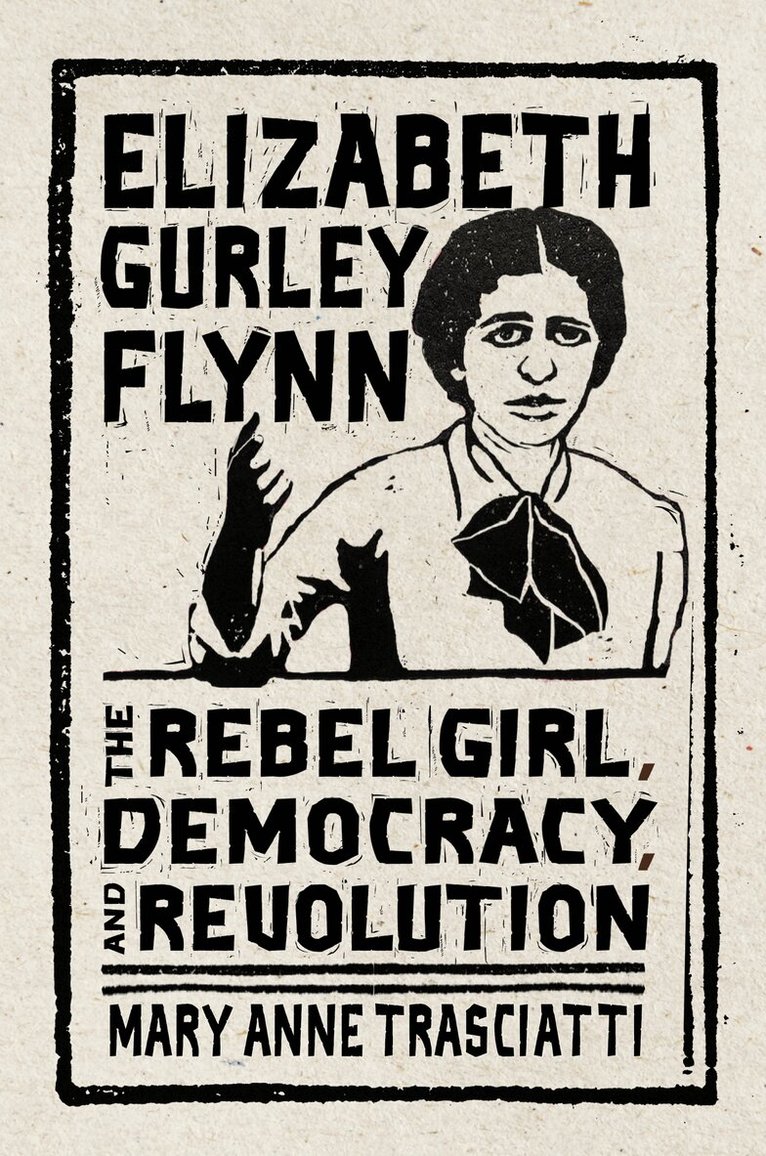
Elizabeth Gurley Flynn was involved in almost every major campaign of the U.S. Left in the first two thirds of the twentieth century. An outstanding orator, writer, and tactician, Flynn is one of the most important figures in the history of the American labor movement. Inspired by the Irish freedom struggle and appalled by the exploitation and grinding poverty she saw around her, she devoted her life to the advancement of civil liberties. Here, Mary Anne Trasciatti traces Flynn’s personal and political life to explore the broader social issues of a fraught era. Born in 1890, Flynn began her activist career by joining the Industrial Workers of the World (IWW) when she was just sixteen, and she ended it as the first female chair of the American Communist Party, a position she held from 1961 until her death in 1964. In the intervening years she organized workers into unions, led strikes, championed women’s rights, supported anti-imperialist movements around the globe, protested deportation, advocated for prison reform, and fought for Black liberation. Above all, she showed absolute devotion to workers and their struggles. Slandered as an “un-American” in the anticommunist fervor of the 1940s and 1950s, Flynn was eventually ousted from the very organization she helped found, the American Civil Liberties Union, and imprisoned for two years. Though her own movement abandoned her, her commitment to the cause never wavered. This stirring biography illuminates Flynn’s inspiring life and worldview and returns her to her rightful place at the heart of labor and civil liberties history.
Häftad, Engelska, 2024
413 kr
Skickas inom 5-8 vardagar
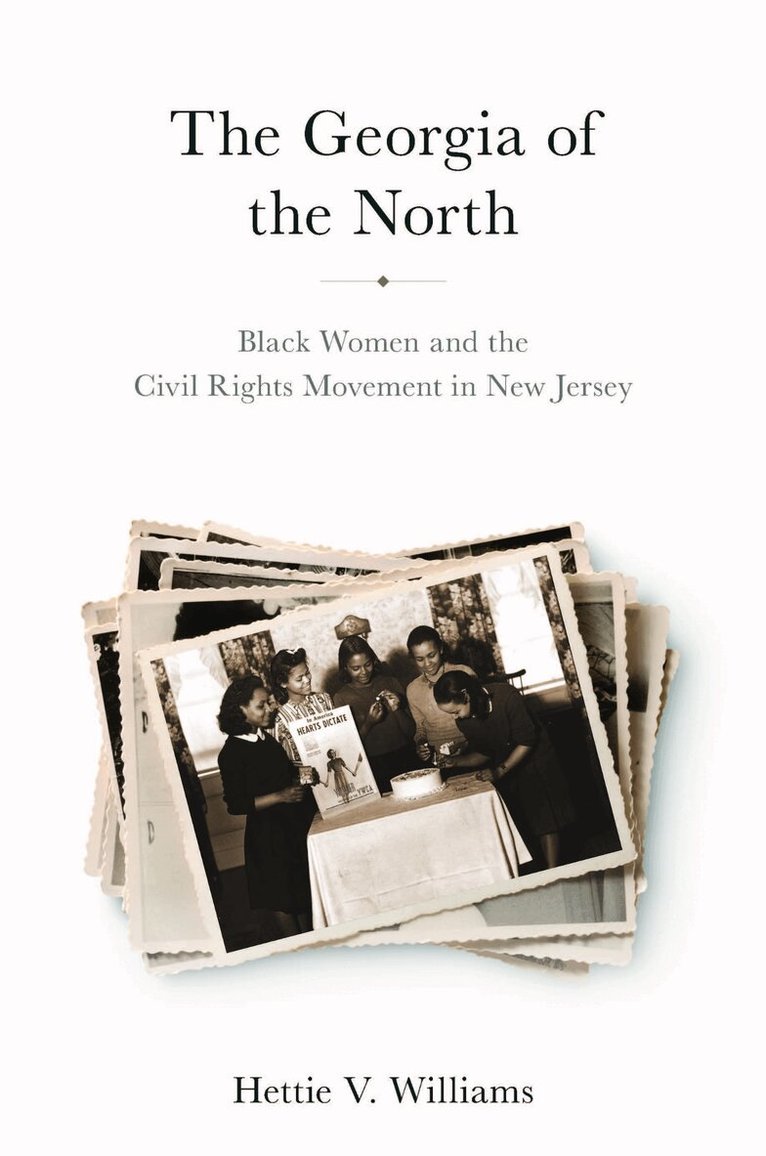
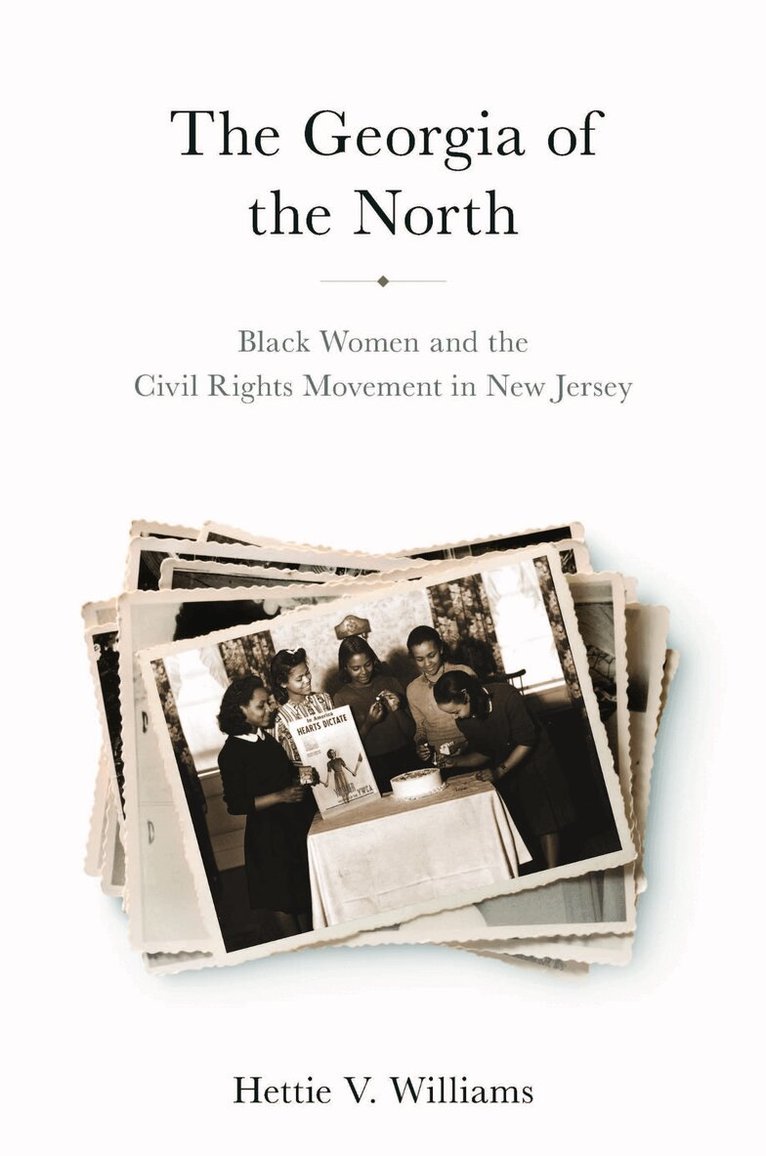
The Georgia of the North is a historical narrative about Black women and the long civil rights movement in New Jersey from the Great Migration to 1954. Specifically, the critical role played by Black women in forging interracial, cross-class, and cross-gender alliances at the local and national level and their role in securing the passage of progressive civil rights legislation in the Garden State is at the core of this book. This narrative is largely defined by a central question: How and why did New Jersey’s Black leaders, community members, and women in particular, affect major civil rights legislation, legal equality, and integration a decade before the Brown v. Board of Education, Topeka, Kansas decision? In this analysis, the history of the early Black freedom struggle in New Jersey is predicated on the argument that the Civil Rights Movement began in New Jersey, and that Black women were central actors in this struggle.
Inbunden, Engelska, 2024
1 687 kr
Skickas inom 5-8 vardagar
The Georgia of the North is a historical narrative about Black women and the long civil rights movement in New Jersey from the Great Migration to 1954. Specifically, the critical role played by Black women in forging interracial, cross-class, and cross-gender alliances at the local and national level and their role in securing the passage of progressive civil rights legislation in the Garden State is at the core of this book. This narrative is largely defined by a central question: How and why did New Jersey’s Black leaders, community members, and women in particular, affect major civil rights legislation, legal equality, and integration a decade before the Brown v. Board of Education, Topeka, Kansas decision? In this analysis, the history of the early Black freedom struggle in New Jersey is predicated on the argument that the Civil Rights Movement began in New Jersey, and that Black women were central actors in this struggle.
Häftad, Engelska, 2025
441 kr
Skickas inom 5-8 vardagar
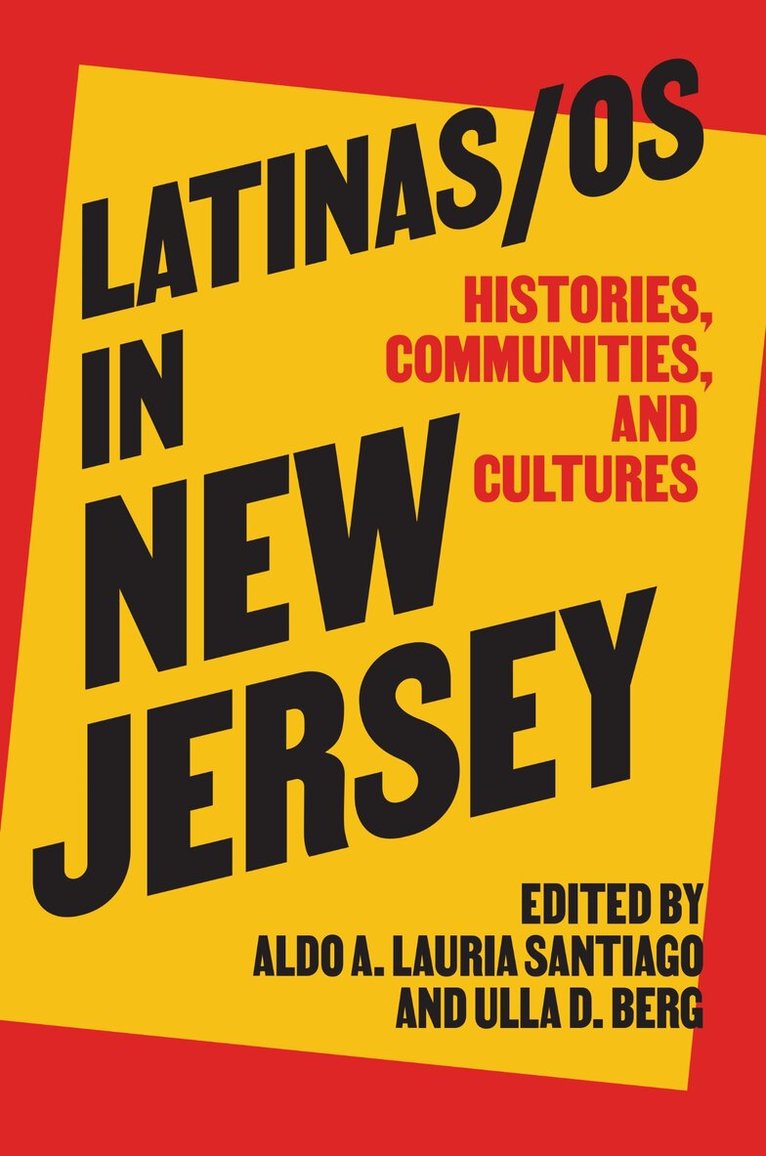
Since the 1890s, New Jersey has attracted hundreds of thousands of Caribbean and Latin American migrants. The state’s rich economic history, high-income suburbs, and strong public sector have all contributed to attracting, retaining, and setting the stage for Latin American and Caribbean immigrants and secondary-step migrants from New York City. Since the 1980s, however, Latinos have developed a more complex presence in the state’s political landscape and institutions. The emergence of Latino-majority towns and cities and coalition politics facilitated the election of Latino mayors, council persons, and many social and community leaders, as well as the election of statewide officers. This collection brings together innovative and empirically grounded scholarship from different disciplines and interdisciplinary fields of study and addresses topics including the demographic history of Latinos in the state, Latino migration from gateway cities to suburban towns, Latino urban enclaves, Latino economic and social mobility, Latino students and education, the New Jersey Dream Act and in-state tuition act organizing, Latinos and criminal justice reform, Latino electoral politics and leadership, and undocumented communities. Contributors: Yamil Avivi; Jennifer Ayala; Ulla D. Berg; Giovani Burgos; Elsa Candelario; Laura Curran; Lilia FernÁndez; Ismael GarcÍa ColÓn; Olga JimÉnez de Wagenheim; Benjamin Lapidus; Aldo A. Lauria Santiago; Johana LondoÑo; Kathleen Lopez; Giancarlo Muschi; Melanie Z. Plasencia; Ana Y. Ramos-Zayas; Elena Sabogal; Raymond Sanchez Mayers; William SuÁrez GÓmez; Alex F. Trillo; Daniela Valdez; Anil Venkatesh; Lyna L. Wiggins
Inbunden, Engelska, 2025
1 463 kr
Skickas inom 5-8 vardagar
Since the 1890s, New Jersey has attracted hundreds of thousands of Caribbean and Latin American migrants. The state’s rich economic history, high-income suburbs, and strong public sector have all contributed to attracting, retaining, and setting the stage for Latin American and Caribbean immigrants and secondary-step migrants from New York City. Since the 1980s, however, Latinos have developed a more complex presence in the state’s political landscape and institutions. The emergence of Latino-majority towns and cities and coalition politics facilitated the election of Latino mayors, council persons, and many social and community leaders, as well as the election of statewide officers. This collection brings together innovative and empirically grounded scholarship from different disciplines and interdisciplinary fields of study and addresses topics including the demographic history of Latinos in the state, Latino migration from gateway cities to suburban towns, Latino urban enclaves, Latino economic and social mobility, Latino students and education, the New Jersey Dream Act and in-state tuition act organizing, Latinos and criminal justice reform, Latino electoral politics and leadership, and undocumented communities. Contributors: Yamil Avivi; Jennifer Ayala; Ulla D. Berg; Giovani Burgos; Elsa Candelario; Laura Curran; Lilia FernÁndez; Ismael GarcÍa ColÓn; Olga JimÉnez de Wagenheim; Benjamin Lapidus; Aldo A. Lauria Santiago; Johana LondoÑo; Kathleen Lopez; Giancarlo Muschi; Melanie Z. Plasencia; Ana Y. Ramos-Zayas; Elena Sabogal; Raymond Sanchez Mayers; William SuÁrez GÓmez; Alex F. Trillo; Daniela Valdez; Anil Venkatesh; Lyna L. Wiggins
Häftad, Engelska, 2023
385 kr
Skickas inom 5-8 vardagar
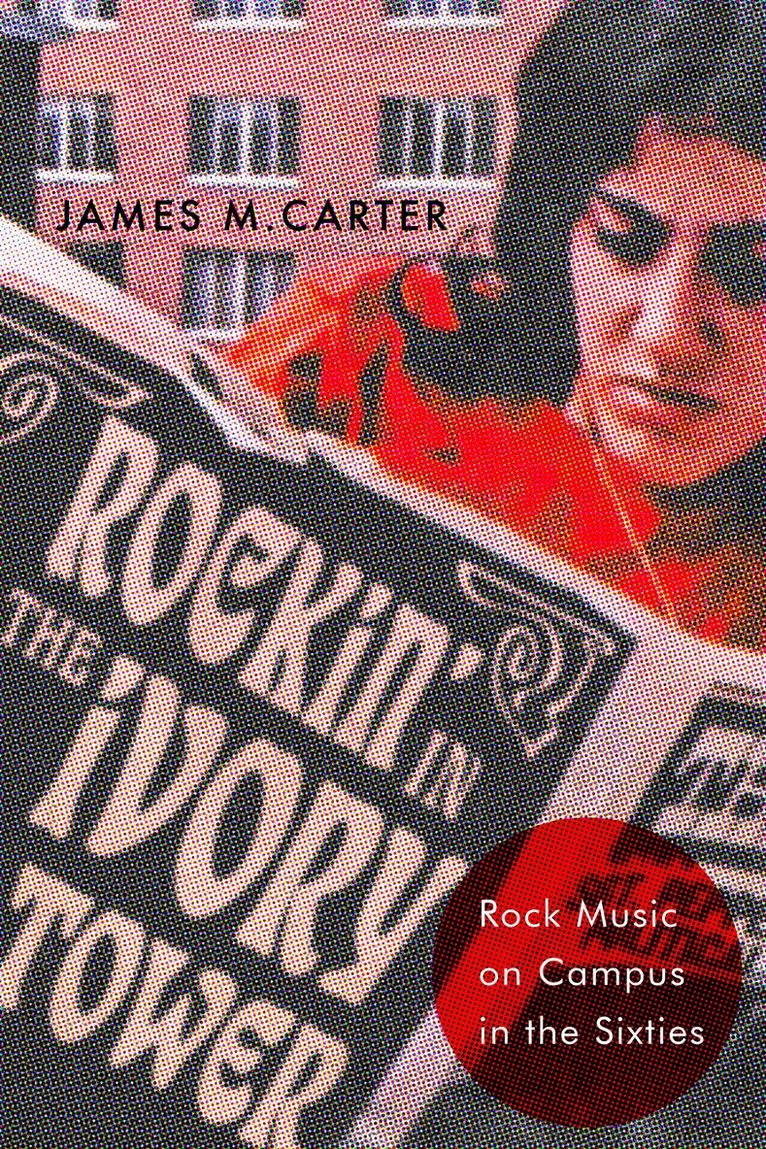
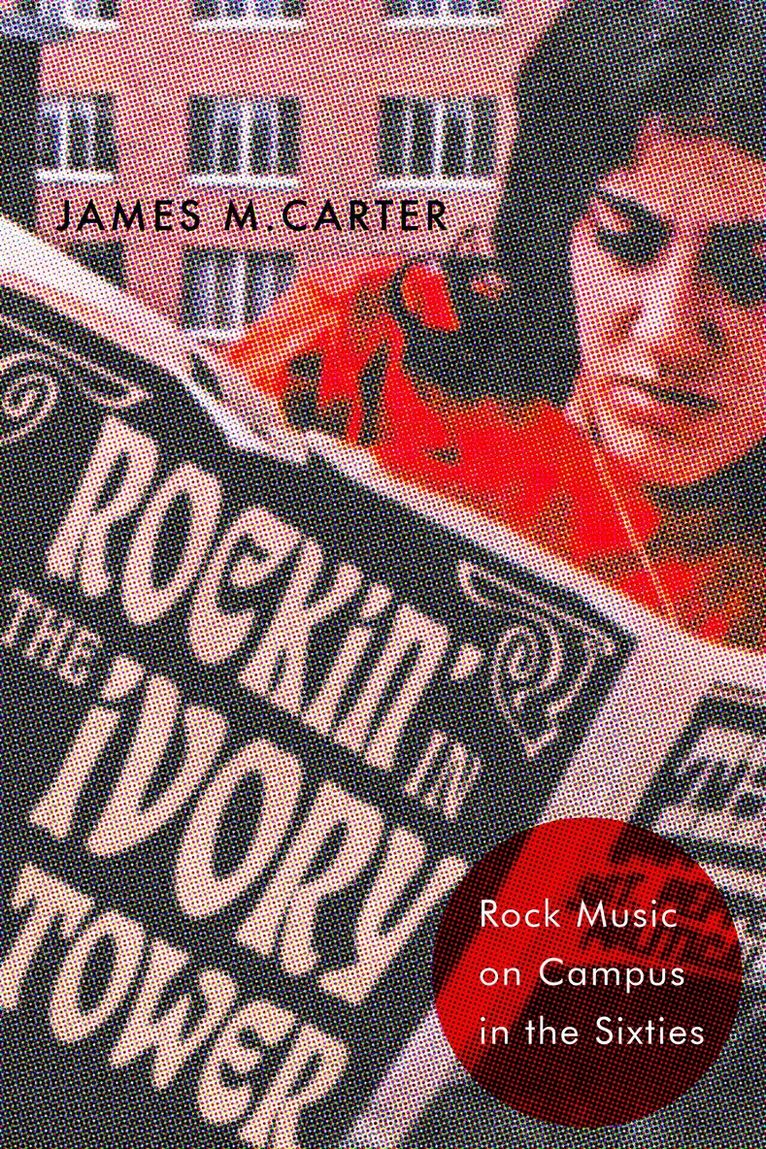
Histories of American rock music and the 1960s counterculture typically focus on the same few places: Woodstock, Monterey, Altamont. Yet there was also a very active college circuit that brought edgy acts like the Jefferson Airplane and the Velvet Underground to different metropolitan regions and smaller towns all over the country. These campus concerts were often programmed, promoted, and reviewed by students themselves, and their diverse tastes challenged narrow definitions of rock music. Rockin' in the Ivory Tower takes a close look at two smaller universities, Drew in New Jersey and Stony Brook on Long Island, to see how the culture of rock music played an integral role in student life in the late 1960s. Analyzing campus archives and college newspapers, historian James Carter traces connections between rock fandom and the civil rights protests, free speech activism, radical ideas, lifestyle transformations, and anti-war movements that revolutionized universities in the 1960s. Furthermore, he finds that these progressive students refused to segregate genres like folk, R&B, hard rock, and pop. Rockin' in the Ivory Tower gives readers a front-row seat to a dynamic time for the music industry, countercultural politics, and youth culture.
Inbunden, Engelska, 2023
1 687 kr
Skickas inom 5-8 vardagar
Histories of American rock music and the 1960s counterculture typically focus on the same few places: Woodstock, Monterey, Altamont. Yet there was also a very active college circuit that brought edgy acts like the Jefferson Airplane and the Velvet Underground to different metropolitan regions and smaller towns all over the country. These campus concerts were often programmed, promoted, and reviewed by students themselves, and their diverse tastes challenged narrow definitions of rock music. Rockin' in the Ivory Tower takes a close look at two smaller universities, Drew in New Jersey and Stony Brook on Long Island, to see how the culture of rock music played an integral role in student life in the late 1960s. Analyzing campus archives and college newspapers, historian James Carter traces connections between rock fandom and the civil rights protests, free speech activism, radical ideas, lifestyle transformations, and anti-war movements that revolutionized universities in the 1960s. Furthermore, he finds that these progressive students refused to segregate genres like folk, R&B, hard rock, and pop. Rockin' in the Ivory Tower gives readers a front-row seat to a dynamic time for the music industry, countercultural politics, and youth culture.
Häftad, Engelska, 2024
385 kr
Skickas inom 5-8 vardagar
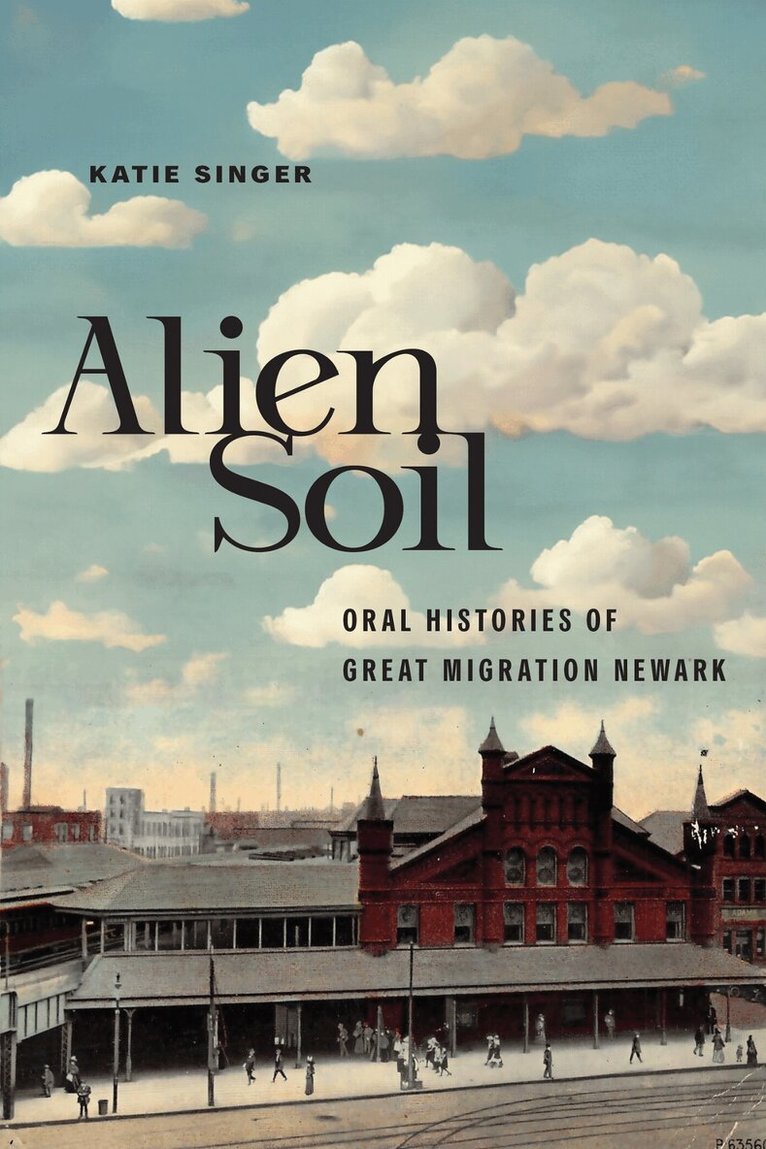
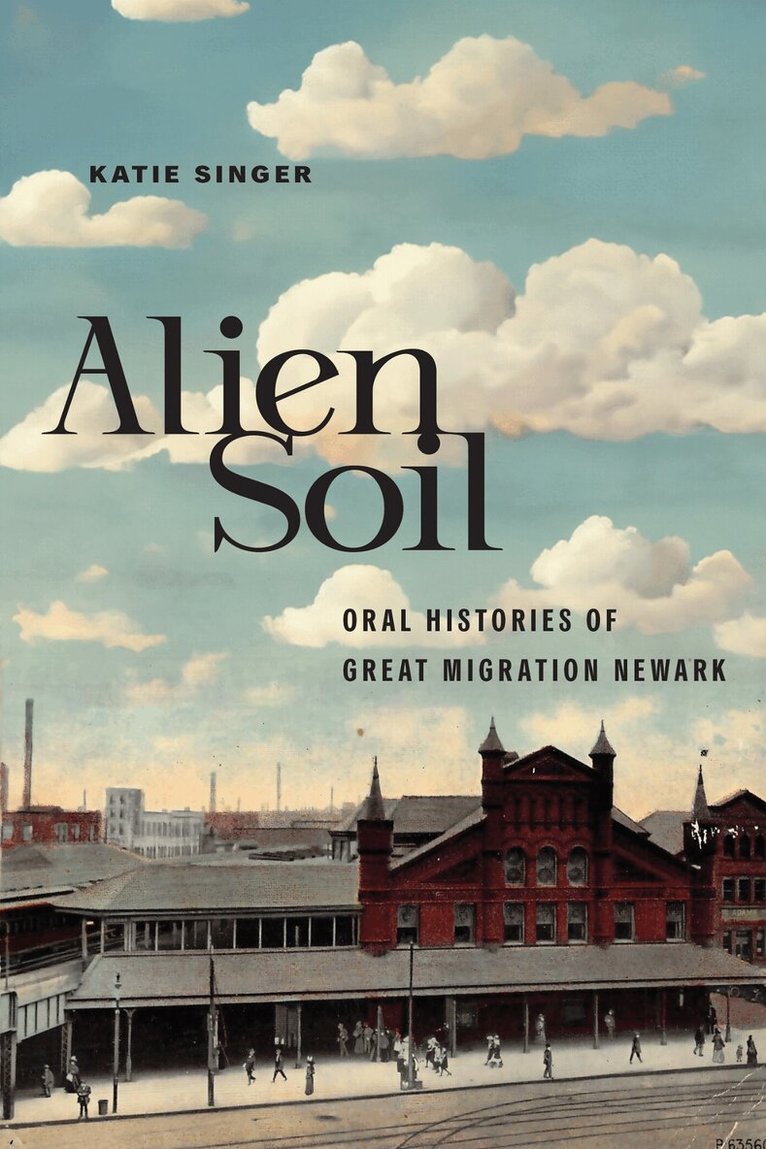
Alien Soil: Oral Histories of Great Migration Newark explores Newark’s Krueger-Scott African-American Cultural Center collection of over 100 oral histories. Historian Katie Singer separates these stories into thematic categories of social and political events, including church, work, and activism, in order to paint an intimate portrait of everyday urbanity and the larger Black urban experience in Newark. Through the examination of these Krueger-Scott narratives, Singer challenges historical falsehoods with the lived experiences of Newarkers who traveled North during the Great Migration, as well as established city residents. Alien Soil effectively contextualizes Newark history and re-inserts Black voices into historiography traditionally dominated by “outsiders."The book begins with the Krueger-Scott Mansion’s deep history, followed by the sequence of events surrounding the proposed Cultural Center. Last owned by African-American millionaire and beauty-culture entrepreneur Louise Scott, the Victorian Krueger-Scott Mansion was built by beer baron Gottfried Krueger in 1888. Through the history of the Mansion, and the ultimately failed Cultural Center project, one learns about the Newark that African Americans migrated to, what they found when they got there, how living in the city changed them, and how they, individually and collectively, changed Newark.After the Cultural Center project was officially halted in 2000, the cassette tapes of the oral history interviews were stored away at the Newark Public Library. Ten years later they were unearthed, and ultimately digitized. As of yet, no one has applied these sources directly to their research. Deeply committed to these rich, insightful stories, Singer calls for a more thoughtful consideration of all cities, reminding us that Newark is much more than its 1967 rebellion.
Inbunden, Engelska, 2024
903 kr
Skickas inom 5-8 vardagar
Alien Soil: Oral Histories of Great Migration Newark explores Newark’s Krueger-Scott African-American Cultural Center collection of over 100 oral histories. Historian Katie Singer separates these stories into thematic categories of social and political events, including church, work, and activism, in order to paint an intimate portrait of everyday urbanity and the larger Black urban experience in Newark. Through the examination of these Krueger-Scott narratives, Singer challenges historical falsehoods with the lived experiences of Newarkers who traveled North during the Great Migration, as well as established city residents. Alien Soil effectively contextualizes Newark history and re-inserts Black voices into historiography traditionally dominated by “outsiders."The book begins with the Krueger-Scott Mansion’s deep history, followed by the sequence of events surrounding the proposed Cultural Center. Last owned by African-American millionaire and beauty-culture entrepreneur Louise Scott, the Victorian Krueger-Scott Mansion was built by beer baron Gottfried Krueger in 1888. Through the history of the Mansion, and the ultimately failed Cultural Center project, one learns about the Newark that African Americans migrated to, what they found when they got there, how living in the city changed them, and how they, individually and collectively, changed Newark.After the Cultural Center project was officially halted in 2000, the cassette tapes of the oral history interviews were stored away at the Newark Public Library. Ten years later they were unearthed, and ultimately digitized. As of yet, no one has applied these sources directly to their research. Deeply committed to these rich, insightful stories, Singer calls for a more thoughtful consideration of all cities, reminding us that Newark is much more than its 1967 rebellion.
Häftad, Engelska, 2026
329 kr
Skickas inom 5-8 vardagar
New Jersey's Natures takes up the challenge of expanding academic and popular conceptions of New Jersey and its landscapes through the lens of environmental history. Scholars' essays showcase the ways in which nature is integral to understandings of the state and its past as well as its future. These essays show that New Jersey should no longer solely be known as a place where pollution and suburbanization run amok but rather a place where history happens.The contributors investigate how nature and history are intertwined within this small but mighty state, covering topics from the colonial period to the present across North, South, and Central Jersey. They investigate natural features like the Delaware River and Bay, the Pinelands, and the unforgettable Jersey Shore. In this book, you will find Indigenous Americans making meaning as settlers threaten their ways of life, Governor William Livingston considering Central Jersey's features as he fights in the American Revolution, farmers building the state's industrial agriculture, a foreign diplomat planting an arboretum, squatters in the swampy Meadowlands subverting social and economic norms, activists fighting for parks, forests, and beaches across two centuries, and much more.
Inbunden, Engelska, 2026
1 351 kr
Skickas inom 5-8 vardagar
New Jersey's Natures takes up the challenge of expanding academic and popular conceptions of New Jersey and its landscapes through the lens of environmental history. Scholars' essays showcase the ways in which nature is integral to understandings of the state and its past as well as its future. These essays show that New Jersey should no longer solely be known as a place where pollution and suburbanization run amok but rather a place where history happens.The contributors investigate how nature and history are intertwined within this small but mighty state, covering topics from the colonial period to the present across North, South, and Central Jersey. They investigate natural features like the Delaware River and Bay, the Pinelands, and the unforgettable Jersey Shore. In this book, you will find Indigenous Americans making meaning as settlers threaten their ways of life, Governor William Livingston considering Central Jersey's features as he fights in the American Revolution, farmers building the state's industrial agriculture, a foreign diplomat planting an arboretum, squatters in the swampy Meadowlands subverting social and economic norms, activists fighting for parks, forests, and beaches across two centuries, and much more.
Häftad, Engelska, 2024
399 kr
Skickas inom 5-8 vardagar
One of the best-known novels taking place in New Jersey, Philip Roth’s 1997 American Pastoral uses the fictional hamlet of Old Rimrock, NJ as a microcosm for a nation in crisis during the cultural upheavals of the 1960s-70s. Critics have called Old Rimrock mythic, but it is based on a very real place: the small Morris county town of Brookside, New Jersey.American Anti-Pastoral reads the events in Roth’s novel in relation to the history of Brookside and its region. While Roth’s protagonist Seymour “Swede” Levov initially views Old Rimrock as an idyllic paradise within the Garden State, its real-world counterpart has a more complex past in its origins as a small industrial village, as well as a site for the politics of exclusionary zoning and a 1960s anti-war protest at its celebrated 4th of July parade. Literary historian and Brookside native Thomas Gustafson casts Roth’s canonical novel in a fresh light as he studies both Old Rimrock in comparison to Brookside and the novel in relationship to NJ literature, making a case for it as the Great New Jersey novel. For Roth fans and history buffs alike, American Anti-Pastoral peels back the myths about the bucolic Garden State countryside to reveal deep fissures along the fault-lines of race and religion in American democracy.
Inbunden, Engelska, 2024
883 kr
Skickas inom 5-8 vardagar
One of the best-known novels taking place in New Jersey, Philip Roth’s 1997 American Pastoral uses the fictional hamlet of Old Rimrock, NJ as a microcosm for a nation in crisis during the cultural upheavals of the 1960s-70s. Critics have called Old Rimrock mythic, but it is based on a very real place: the small Morris county town of Brookside, New Jersey.American Anti-Pastoral reads the events in Roth’s novel in relation to the history of Brookside and its region. While Roth’s protagonist Seymour “Swede” Levov initially views Old Rimrock as an idyllic paradise within the Garden State, its real-world counterpart has a more complex past in its origins as a small industrial village, as well as a site for the politics of exclusionary zoning and a 1960s anti-war protest at its celebrated 4th of July parade. Literary historian and Brookside native Thomas Gustafson casts Roth’s canonical novel in a fresh light as he studies both Old Rimrock in comparison to Brookside and the novel in relationship to NJ literature, making a case for it as the Great New Jersey novel. For Roth fans and history buffs alike, American Anti-Pastoral peels back the myths about the bucolic Garden State countryside to reveal deep fissures along the fault-lines of race and religion in American democracy.
Häftad, Engelska, 2026
489 kr
Skickas
In 1867 Kusakabe Taro, a young samurai from Fukui, Japan, began studying at Rutgers as its first foreign student. Three years later, in 1870, his former tutor, friend, and Rutgers graduate, William Elliot Griffis, left for Japan to teach English and Science for three and a half years. The year 2020 marked the 150th anniversary of two landmark events in the history of the Rutgers-Japan relationship: the untimely death of Kusakabe only weeks before his graduation, and his friend Griffis’ departure to Japan. Griffis and Kusakabe were only a small piece of a vast transnational network of leading modernizers of Japan in the 1860s and 70s. The Japanese students in New Brunswick were young and innovative men of samurai and aristocratic lineage, who were sent by reform-minded leaders of Japan, which was undergoing a dramatic transformation. They came to New Brunswick seeking Western knowledge that was much needed for the modernization of a newly forming nation. New Brunswick became the hub of a network of Japanese nationals that extended to the major cities of New York, Philadelphia, and Boston, and from there to the smaller towns of New England. Once in New Brunswick, these Japanese students were embraced by Protestant ministers, educators, and missionaries—both men and women—whose network encompassed Rutgers College and the neighboring New Brunswick Theological Seminary, and which stretched to Dutch Reformed parishes throughout the Eastern seaboard, and westward as far as the Dutch enclave of Holland, Michigan. Meanwhile, the American teachers and missionaries who left for Japan became part of a network of reformist leaders and Japanese returnees that extended to schools, colleges, and missions in Japan, and formed the foundations of Japan’s modern educational system. Through contributions from scholars and archivists in the U.S., Canada, and Japan, Rutgers Meets Japan aims to reconstruct the early Rutgers-Japan connections and examine the role and impact of this transnational network on Japan and the U.S. in the late nineteenth century.
Inbunden, Engelska, 2026
1 687 kr
Skickas inom 5-8 vardagar
In 1867 Kusakabe Taro, a young samurai from Fukui, Japan, began studying at Rutgers as its first foreign student. Three years later, in 1870, his former tutor, friend, and Rutgers graduate, William Elliot Griffis, left for Japan to teach English and Science for three and a half years. The year 2020 marked the 150th anniversary of two landmark events in the history of the Rutgers-Japan relationship: the untimely death of Kusakabe only weeks before his graduation, and his friend Griffis’ departure to Japan. Griffis and Kusakabe were only a small piece of a vast transnational network of leading modernizers of Japan in the 1860s and 70s. The Japanese students in New Brunswick were young and innovative men of samurai and aristocratic lineage, who were sent by reform-minded leaders of Japan, which was undergoing a dramatic transformation. They came to New Brunswick seeking Western knowledge that was much needed for the modernization of a newly forming nation. New Brunswick became the hub of a network of Japanese nationals that extended to the major cities of New York, Philadelphia, and Boston, and from there to the smaller towns of New England. Once in New Brunswick, these Japanese students were embraced by Protestant ministers, educators, and missionaries—both men and women—whose network encompassed Rutgers College and the neighboring New Brunswick Theological Seminary, and which stretched to Dutch Reformed parishes throughout the Eastern seaboard, and westward as far as the Dutch enclave of Holland, Michigan. Meanwhile, the American teachers and missionaries who left for Japan became part of a network of reformist leaders and Japanese returnees that extended to schools, colleges, and missions in Japan, and formed the foundations of Japan’s modern educational system. Through contributions from scholars and archivists in the U.S., Canada, and Japan, Rutgers Meets Japan aims to reconstruct the early Rutgers-Japan connections and examine the role and impact of this transnational network on Japan and the U.S. in the late nineteenth century.
Häftad, Engelska, 2027
250 kr
Kommande
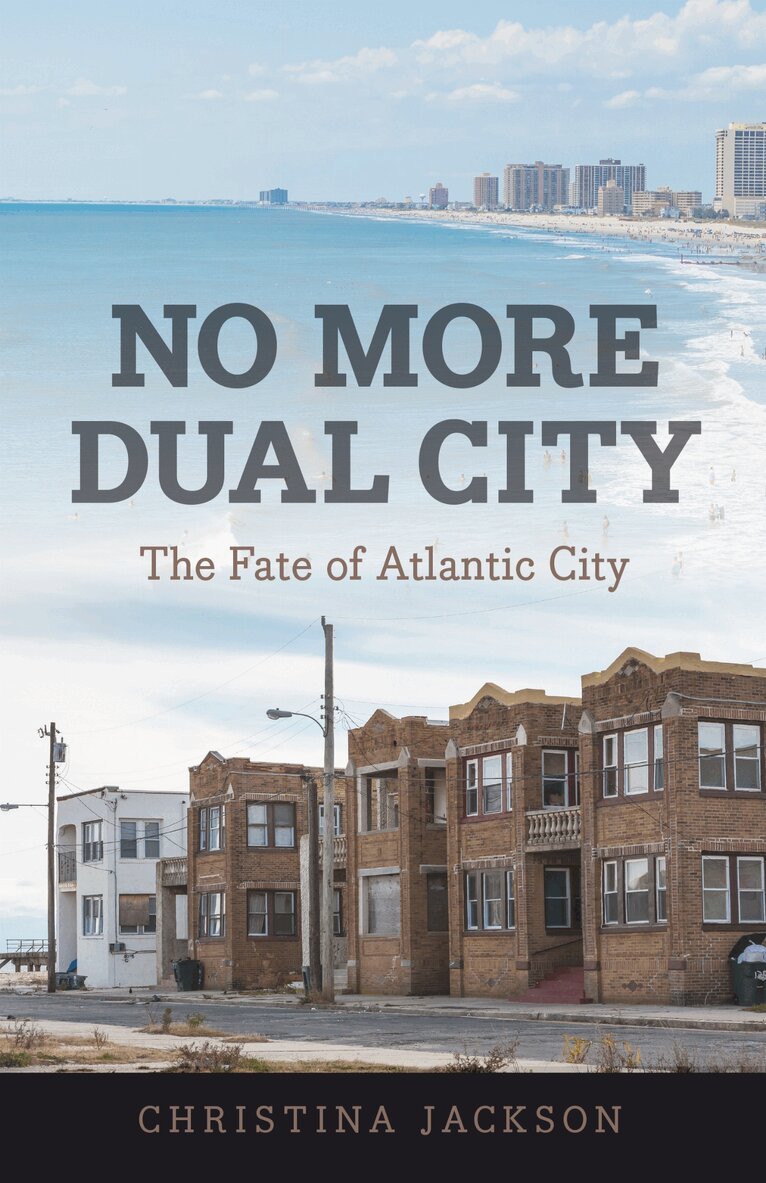
No More Dual City: The Fate of Atlantic City examines Atlantic City as a vivid case study of how Black communities endure and resist the forces of economic redevelopment, racialized planning, and environmental vulnerability. Drawing on five years of ethnographic research, Jackson reveals how the city's famed tourism and casino economy depends upon, yet marginalizes, the historically Black Northside neighborhood. Through the concept of dualness, Jackson explores how racial capitalism produces both material and emotional divides, between growth and decay, visibility and exclusion, and belonging and dispossession. Combining first-person narrative, theory, and community storytelling, the book illuminates the "slow violence" of urban inequality and the creativity of residents who build rooted futures amid instability. No More Dual City reframes Atlantic City not as an anomaly but as a microcosm of racialized urban America, offering a compelling new way to think about sustainability, justice, and the right to stay in place.
Inbunden, Engelska, 2027
1 328 kr
Kommande
No More Dual City: The Fate of Atlantic City examines Atlantic City as a vivid case study of how Black communities endure and resist the forces of economic redevelopment, racialized planning, and environmental vulnerability. Drawing on five years of ethnographic research, Jackson reveals how the city's famed tourism and casino economy depends upon, yet marginalizes, the historically Black Northside neighborhood. Through the concept of dualness, Jackson explores how racial capitalism produces both material and emotional divides, between growth and decay, visibility and exclusion, and belonging and dispossession. Combining first-person narrative, theory, and community storytelling, the book illuminates the "slow violence" of urban inequality and the creativity of residents who build rooted futures amid instability. No More Dual City reframes Atlantic City not as an anomaly but as a microcosm of racialized urban America, offering a compelling new way to think about sustainability, justice, and the right to stay in place.
Inbunden, Engelska, 2026
558 kr
Skickas
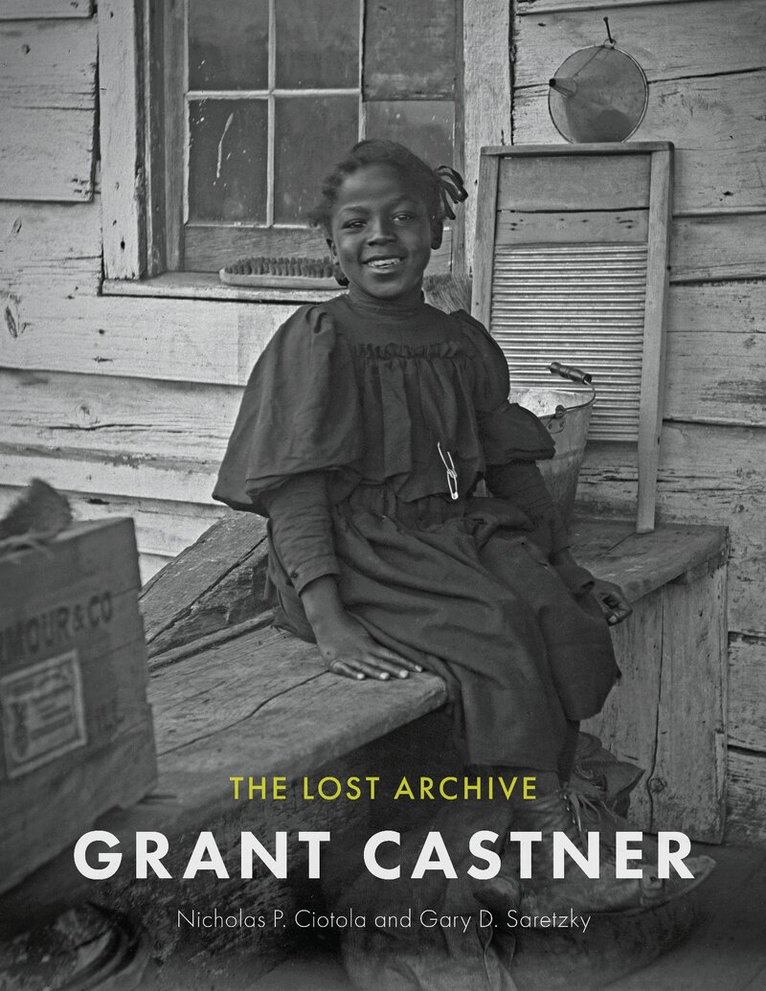
In July 2019, staff of the New Jersey State Museum visited a cramped and dusty storage locker in Hunterdon County. Inside was a treasure trove of more than one thousand glass plate negatives. Each negative preserved an image of New Jersey at the turn of the 20th century. They once belonged to a Trenton resident who had used the plates as tools for his chosen art form. His name was Grant Castner. His art was photography. Castner’s glass plate negatives are a visual record of New Jersey’s social and cultural history. His many human subjects are rich and poor, young and old, Black and white. They are at work, at play, at home, and in the community. Castner also documented social change brought about by electricity, engineering, education, industry, and transportation. He captured the excitement of public amusements such as parades and fairs. He recorded the aftermath of floods, fires and other disasters. Castner also had a fondness for the outdoors. He used his camera to reflect on the beauty and tranquility that he found in the natural landscapes of New Jersey. This book presents the collective work of Grant Castner, an amateur artist whose place in New Jersey history was, until now, completely unknown. His photographic negatives forever preserve pinpoint moments in the past. They are time machines to another era. Let this long lost archive transport you on a visual journey into a New Jersey of days gone by.
Häftad, Engelska, 2026
352 kr
Kommande
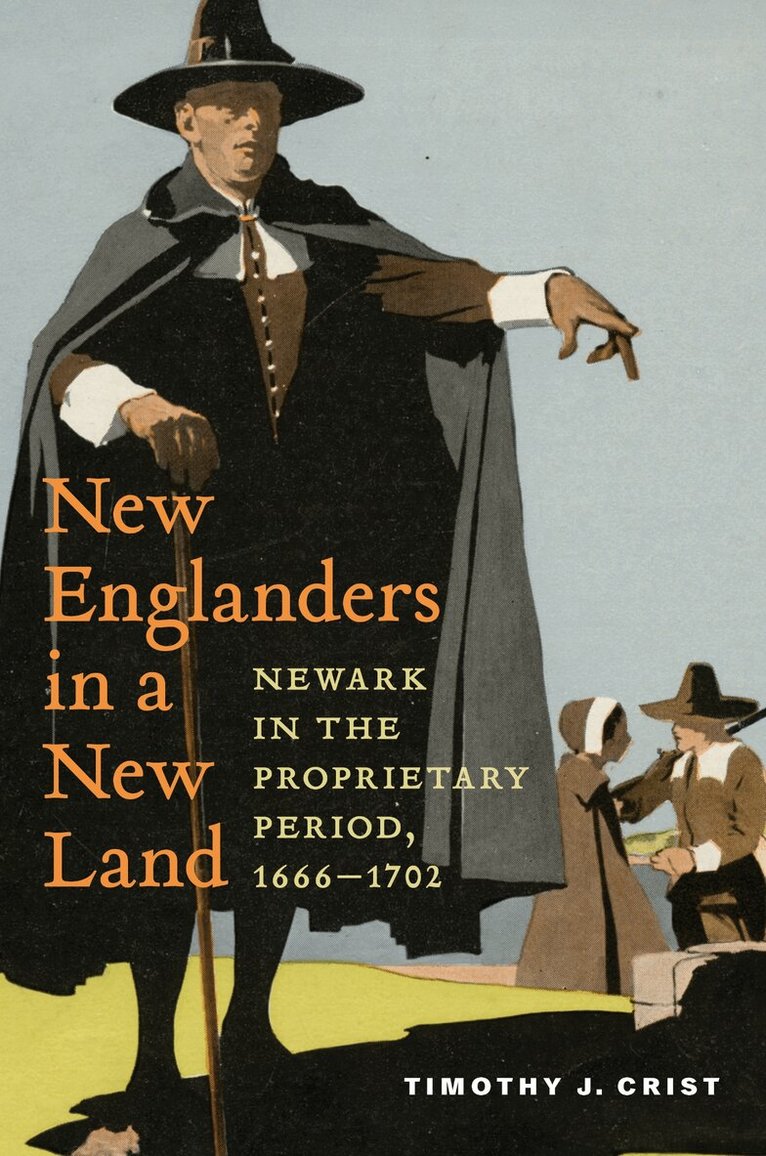
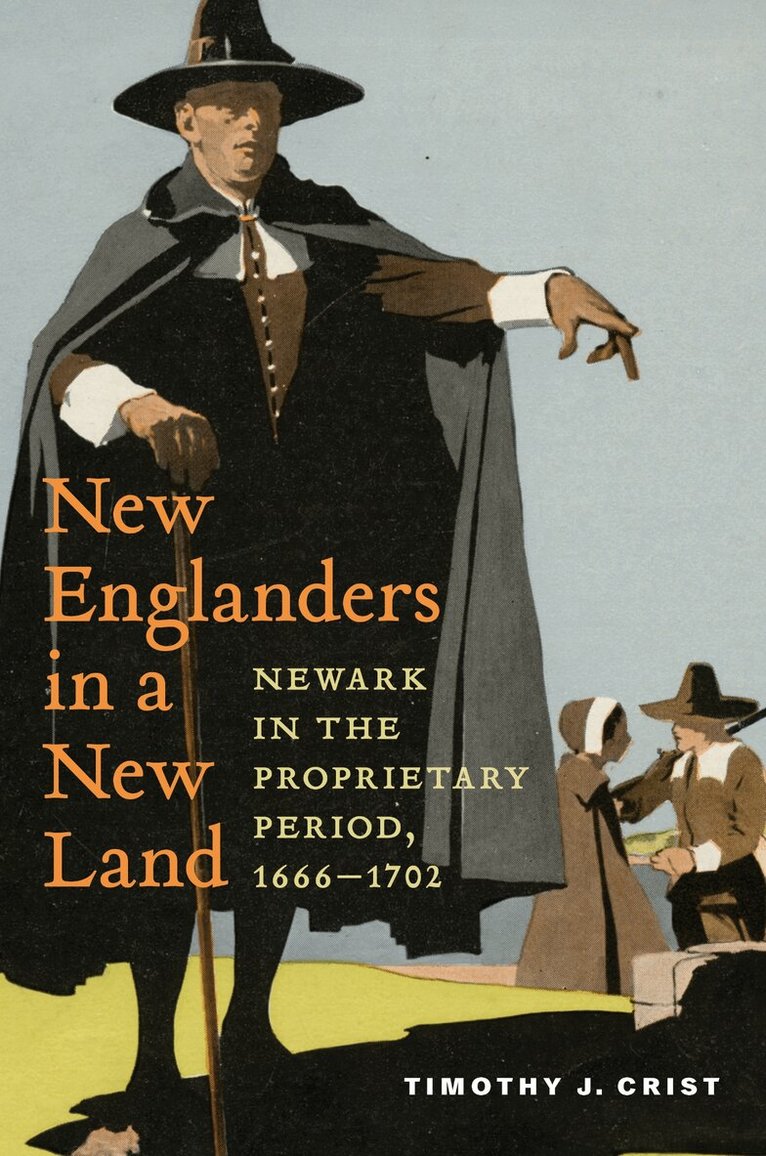
New England Puritans from the former New Haven Colony settled Newark in 1666. Their fierce determination to establish scripture-based government in a close-knit township, with community control over admitting new inhabitants, often put them in direct conflict with New Jersey's proprietary government. Newark's egalitarian system for allocating land diverged sharply from the proprietors' headright approach, adapted from the West Indies and Carolina, that rewarded settler use of indentured servants and enslaved labor with larger distributions of land. This study provides a fresh interpretation of the founding and settlement of Newark as a self-contained New England community, including their negotiations with Native Americans, formation of godly self-government, gradual allocation of township land, and introduction of slavery. To implement their New England way, Newarkers resisted the proprietary government to the point of rebellion, bringing into stark relief the inherent conflict between two sources of authority, one scriptural and community-based and the other royal and proprietary, and two systems of land distribution.
Inbunden, Engelska, 2026
1 451 kr
Kommande
New England Puritans from the former New Haven Colony settled Newark in 1666. Their fierce determination to establish scripture-based government in a close-knit township, with community control over admitting new inhabitants, often put them in direct conflict with New Jersey's proprietary government. Newark's egalitarian system for allocating land diverged sharply from the proprietors' headright approach, adapted from the West Indies and Carolina, that rewarded settler use of indentured servants and enslaved labor with larger distributions of land. This study provides a fresh interpretation of the founding and settlement of Newark as a self-contained New England community, including their negotiations with Native Americans, formation of godly self-government, gradual allocation of township land, and introduction of slavery. To implement their New England way, Newarkers resisted the proprietary government to the point of rebellion, bringing into stark relief the inherent conflict between two sources of authority, one scriptural and community-based and the other royal and proprietary, and two systems of land distribution.