353 kr
Läs direkt efter köp
353 kr
Läs direkt efter köp
364 kr
Skickas inom 5-8 vardagar
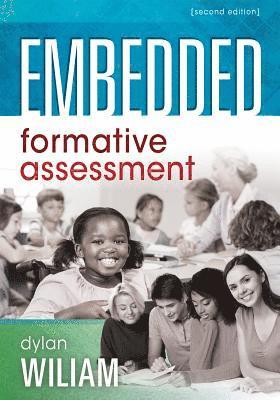
By integrating classroom formative assessment practices into daily activities, educators can substantially increase student engagement and the rate of student learning. The second edition of this best-selling book by Dylan Wiliam presents new research, insights, and formative assessment strategies teachers can immediately apply in their classrooms. Updated examples and templates are included to help teachers elicit evidence of learning, provide meaningful feedback, and empower students to take ownership of their education.
Implement effective assessment strategies in the classroom by:
Reviewing the five key strategies of formative assessment in the classroom.Learning more than 50 practical techniques for classroom formative assessment.Examining research that states classroom formative assessment is the most impactful and cost-effective approach to raising student academic achievement.Exploring the use of classroom questioning, learning intentions and success criteria, feedback, collaborative and cooperative learning, and self-regulated learning to engineer effective learning environments.Discovering new insights into the current states of education and employment, and a discussion of how these changes affect student performance and teacher practice.413 kr
Läs direkt efter köp
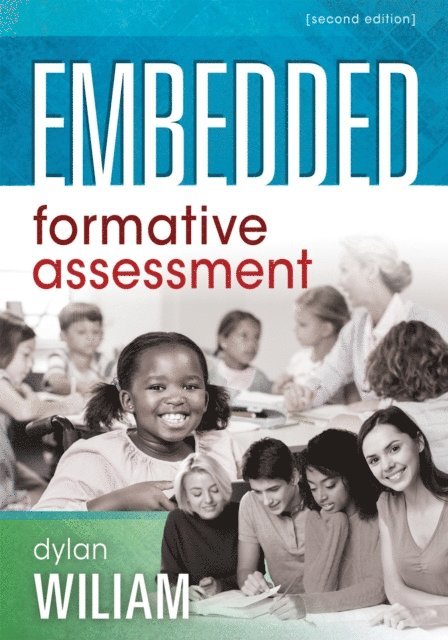
By integrating classroom formative assessment practices into daily activities, educators can substantially increase student engagement and the rate of student learning. The second edition of this best-selling book by Dylan Wiliam presents new research, insights, and formative assessment strategies teachers can immediately apply in their classrooms. Updated examples and templates are included to help teachers elicit evidence of learning, provide meaningful feedback, and empower students to take ownership of their education.
Implement effective assessment strategies in the classroom by:
Reviewing the five key strategies of formative assessment in the classroom.Learning more than 50 practical techniques for classroom formative assessment.Examining research that states classroom formative assessment is the most impactful and cost-effective approach to raising student academic achievement.Exploring the use of classroom questioning, learning intentions and success criteria, feedback, collaborative and cooperative learning, and self-regulated learning to engineer effective learning environments.Discovering new insights into the current states of education and employment, and a discussion of how these changes affect student performance and teacher practice.Changes for the Second Edition:
Over 30 percent new content including new research, techniques, examples, and templatesNew insights into the current state of education and how these changes affect student performance and teacher practiceA deeper discussion of educational neuroscience, including memory studies and dual-pathway theoryContents:Chapter 1: Discovering Why Educational Achievement MattersChapter 2: Making the Case for Formative AssessmentChapter 3: Clarifying, Sharing, and Understanding Learning Intentions and Success CriteriaChapter 4: Eliciting Evidence of Learners'' AchievementChapter 5: Providing Feedback That Moves Learning ForwardChapter 6: Activating Students as Instructional Resources for One AnotherChapter 7: Activating Students as Owners of Their Own Learning
301 kr
Läs direkt efter köp
378 kr
Läs direkt efter köp
Benefits
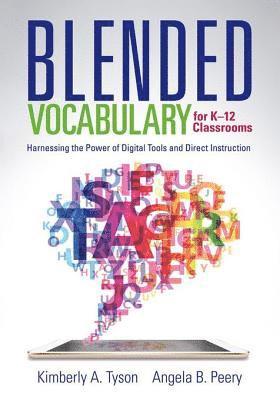
Understand the importance of students’ vocabulary development and ways educators at the classroom, school, and district levels can positively impact vocabulary building.Learn how to develop effective literacy leadership teams to foster a culture of vocabulary acquisition before implementing instructional strategies.Explore digital tools and how to use them to support word learning in interactive ways.Discover instructional strategies for teaching vocabulary to elementary students, secondary students, special education students, and English learners.Explore vocabulary word classification systems and methods for selecting vocabulary words to include in direct instruction.Access activities, recommended books, and other resources that support the three tiers of vocabulary instruction.In Blended Vocabulary for K–12 Classrooms: Harnessing the Power of Digital Tools and Direct Instruction, authors Kimberly A. Tyson and Angela B. Peery note the gap in vocabulary knowledge and instruction that pervades K–12 classrooms and illustrate why it is vital for elementary and secondary students to gain effective vocabulary instruction to achieve at high levels.
Created for teachers, administrators, instructional coaches, and literacy teams, this resource outlines a research-based model that will help you ensure English learners, general education students, and special education students master tiered vocabulary. With greater understanding of how to teach vocabulary effectively and incorporate digital tools, you can develop a blended approach to word learning that makes a significant impact on achievement.
Contents
Chapter 1: A Culture of Word Learning
Chapter 2: A New Model for Effective Vocabulary Instruction
Chapter 3: Methods for Classifying and Selecting Vocabulary Words
Chapter 4: Effective Instruction and Assessment
Chapter 5: Vocabulary Strategies for Elementary Students
Chapter 6: Vocabulary Strategies for Secondary Students
Chapter 7: Vocabulary Strategies for Special Populations
Appendix A: Digital Tools That Support Vocabulary and Word Learning
Appendix B: Suggested Books Containing Tier Two Vocabulary Words for Primary and Intermediate Grades
Appendix C: Annotated Bibliography of Vocabulary Books to Integrate Into Word Learning
331 kr
Läs direkt efter köp
427 kr
Läs direkt efter köp
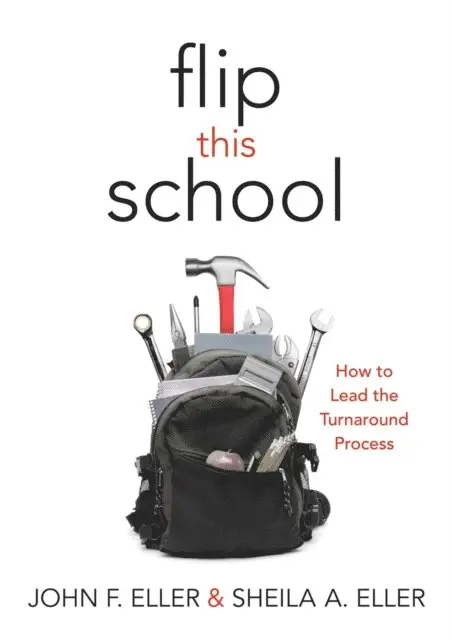
Set the foundation for a successful, sustainable school turnaround. Designed for school leadership, district administration, and teacher leaders, Flip This School presents a framework to revitalize underperforming and turnaround schools. Throughout the resource, authors John F. Eller and Sheila A. Eller detail practical strategies for planning school improvement efforts and collaborating with the schools existing staff and faculty to initiate a complete school transformation.
This book will guide educational leadership in planning successful school turnaround:
Identify the unique needs of your school, and learn how to develop a school improvement plan with the best methods to address present conditions.Understand the skill set needed for effectively leading school turnaround efforts.Gain strategies for developing a data-gathering plan, and recognize the ways in which data is helpful for successful turnaround schools.Examine the role of districts in the school reform and turnaround process.Consider how to improve school culture and provide opportunities for professional growth for teachers.Learn how to effectively manage change as well as understand how teacher leadership teams contribute to school improvement planning and the turnaround process.Contents:Introduction: Understanding the Foundations of School TurnaroundChapter 1: Assessing and Developing Your Leadership SkillsChapter 2: Gathering Extensive DataChapter 3: Gaining Commitment for Resources and SupportChapter 4: Developing a Positive Climate of CollaborationChapter 5: Building Capacity for GrowthChapter 6: Successfully Managing ChangeChapter 7: Implementing Structures and Practices for SuccessReferences and Resources
413 kr
Läs direkt efter köp
Winner: Association of Educational Publishers 2009 Distinguished Achievement Award
Finalist: Association of Educational Publishers 2009 Golden Lamp Award
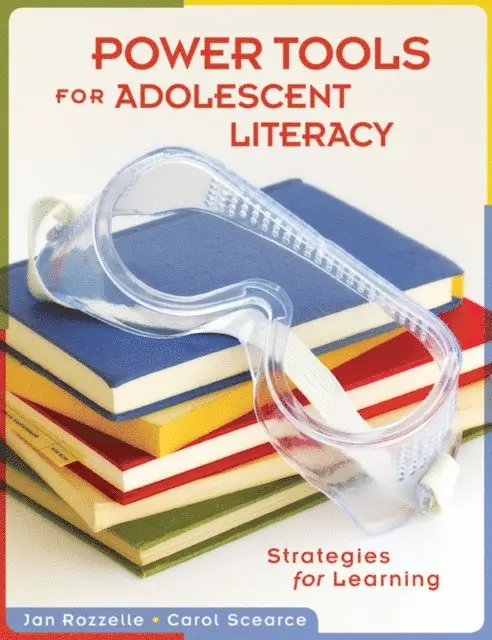
Are there students in your classroom who have hit the reading wall? Studies indicate comprehension regresses in many students once they reach middle school. Teachers need the right resources in their classrooms for engaging students in reading. This book is a veritable encyclopedia of literacy strategies secondary teachers can apply to all content areas immediately. It integrates key strategies, research from top literacy experts, and proven intervention practices.
Benefits:
Gain access to the most relevant research on literacy and its application in the classroom.Employ powerful tools to aid reflection and the implementation of new strategies.Discover over 50 strategies for engaging adolescent learners, empowering strategic learning, building comprehension, developing vocabulary, and writing to learn.Access over two dozen reproducibles for teachers and students.341 kr
Läs direkt efter köp
463 kr
Läs direkt efter köp
262 kr
Läs direkt efter köp
262 kr
Läs direkt efter köp
393 kr
Läs direkt efter köp
330 kr
Läs direkt efter köp
450 kr
Läs direkt efter köp
427 kr
Läs direkt efter köp
463 kr
Läs direkt efter köp
390 kr
Läs direkt efter köp
160 kr
Läs direkt efter köp
433 kr
Läs direkt efter köp
390 kr
Läs direkt efter köp
331 kr
Läs direkt efter köp
427 kr
Läs direkt efter köp
390 kr
Läs direkt efter köp
413 kr
Läs direkt efter köp
427 kr
Läs direkt efter köp
393 kr
Läs direkt efter köp
385 kr
Läs direkt efter köp
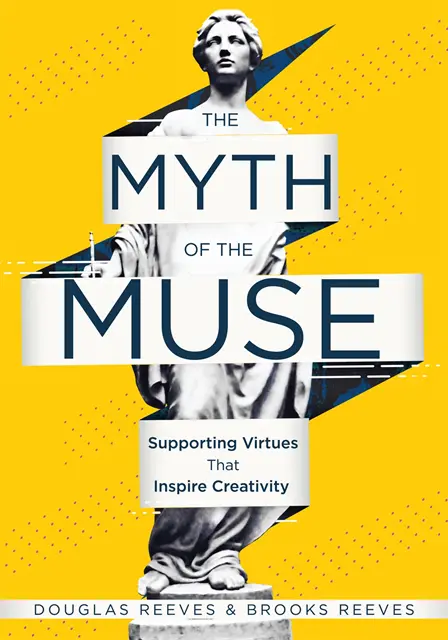
Creativity is crucial in helping students achieve academic and professional success. The authors argue that creativity is not spontaneous or inborn but a process that can be cultivated by utilizing seven “virtues” that inspire creativity: curiosity, versatility, synthesis, discipline, collaboration, experimentation, and tenacity. Ideal for team study and discussion, the book includes assessment rubrics as well as sample activities and practical guidelines to encourage and facilitate creativity. With The Myth of the Muse, K–12 educators can put creativity at the very center of their curriculum.
Benefits
Engage in conversations about how and why creativity is an important quality for approaching future global challenges.Consider the crucial elements of creativity.Challenge misperceptions and preconceptions about creativity.Explore the great works of creative individuals throughout history.Examine practices educators and policymakers should avoid and emulate in nurturing creativity.Reflect creatively using prompts at the end of each chapter.Contents
Introduction: The Creativity Imperative
Creativity MythsCuriosityVersatilitySynthesisDisciplineCollaborationExperimentationTenacityAppendix A: Creativity Assessment
Appendix B: Guidelines for Leaders
390 kr
Läs direkt efter köp
427 kr
Läs direkt efter köp
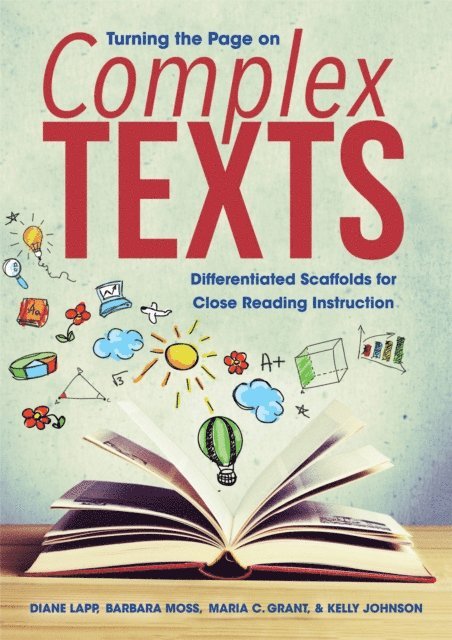
Ensure all learners become successful close readers. In this powerful resource, the authors examine what features make a text complex. Learn how to select appropriate complex texts and design instruction to meet the needs of every student. Explore grade-specific classroom scenarios that illustrate how to scaffold lessons to foster close reading and deepen comprehension at all stages of K–12 education.
Benefits
Gain practical teaching strategies for creating close reading lessons.Consider grade-level-specific instructional scenarios that illustrate how to support students’ reading comprehension as they learn to read closely.Learn how to evaluate a text’s complexity and how to ask text-dependent questions that can help students engage with a text.Study evidence for why continuous close assessment of student performance is vital for making sure all students learn to closely read complex texts.Discover potential contingency scaffolds for the classroom and how to use them to promote student success in closely reading a text.
Contents
Introduction
Part I: Background and Planning Information
1 Understanding Close Reading
2 Identifying Text Complexity
3 Making Decisions That Support Close Reading Instruction
4 Assessing During Close Reading
Part II: Instructional Scenarios
5 Understanding What the Text Says Through Differentiated Scaffolds
6 Understanding How the Text Works Through Differentiated Scaffolds
7 Understanding What the Text Means Through Differentiated Scaffolds
8 Supporting Knowledge Demands with Differentiated Scaffolds
Epilogue
Appendix A
References and Resources