Comparative Theology: Thinking Across Traditions – serie
Visar alla böcker i serien Comparative Theology: Thinking Across Traditions. Handla med fri frakt och snabb leverans.
20 produkter
20 produkter
Inbunden, Engelska, 2013
1 388 kr
Skickas inom 10-15 vardagar
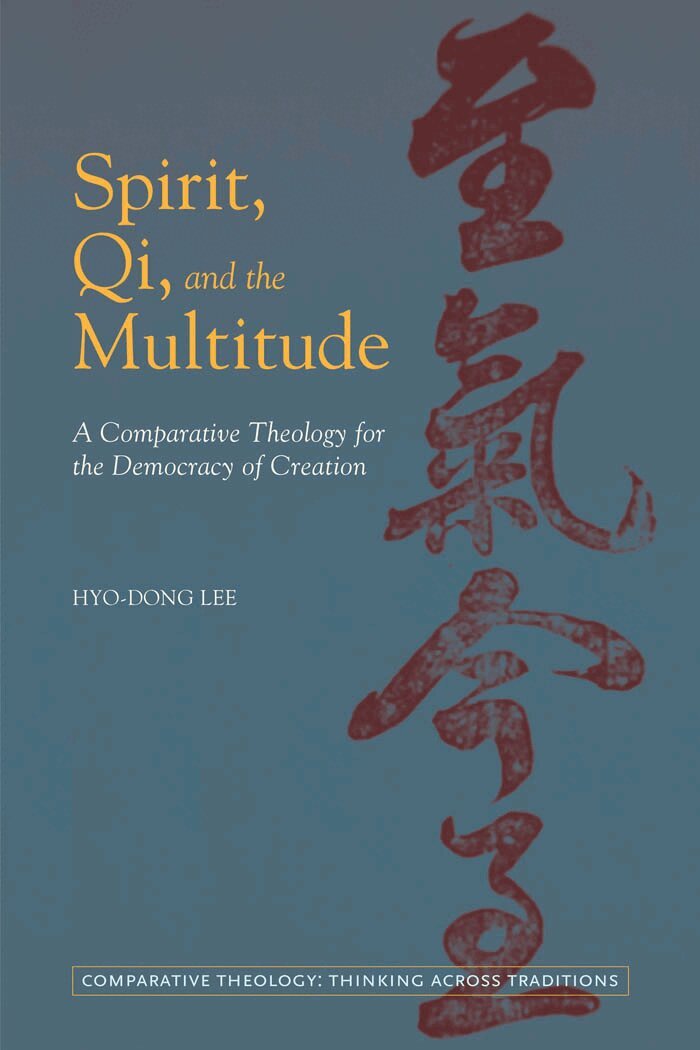
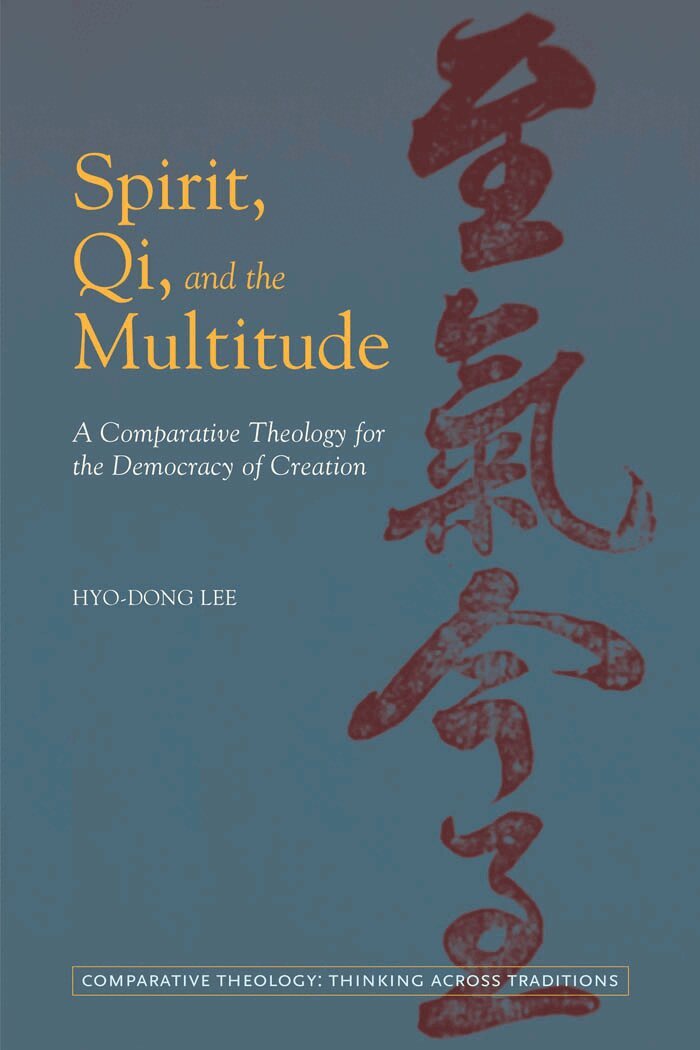
We live in an increasingly global, interconnected, and interdependent world, in which various forms of systemic imbalance in power have given birth to a growing demand for genuine pluralism and democracy. As befits a world so interconnected, this book presents a comparative theological and philosophical attempt to construct new underpinnings for the idea of democracy by bringing the Western concept of spirit into dialogue with the East Asian nondualistic and nonhierarchical notion of qi. The book follows the historical adventures of the idea of qi through some of its Confucian and Daoist textual histories in East Asia, mainly Laozi, Zhu Xi, Toegye, Nongmun, and Su-un, and compares them with analogous conceptualizations of the ultimate creative and spiritual power found in the intellectual constellations of Western and/or Christian thought—namely, Whitehead's Creativity, Hegel's Geist, Deleuze's chaosmos, and Catherine Keller's Tehom.The book adds to the growing body of pneumatocentric (Spirit-centered), panentheistic Christian theologies that emphasize God's liberating, equalizing, and pluralizing immanence in the cosmos. Furthermore, it injects into the theological and philosophical dialogue between the West and Confucian and Daoist East Asia, which has heretofore been dominated by the American pragmatist and process traditions, a fresh voice shaped by Hegelian, postmodern, and postcolonial thought. This enriches the ways in which the pluralistic and democratic implications of the notion of qi may be articulated. In addition, by offering a valuable introduction to some representative Korean thinkers who are largely unknown to Western scholars, the book advances the study of East Asia and Neo-Confucianism in particular. Last but not least, the book provides a model of Asian contextual theology that draws on the religious and philosophical resources of East Asia to offer a vision of pluralism and democracy. A reader interested in the conversation between the East and West in light of the global reality of political oppression, economic exploitation, and cultural marginalization will find this book informative, engaging, and enlightening.
Inbunden, Engelska, 2014
1 043 kr
Skickas inom 10-15 vardagar
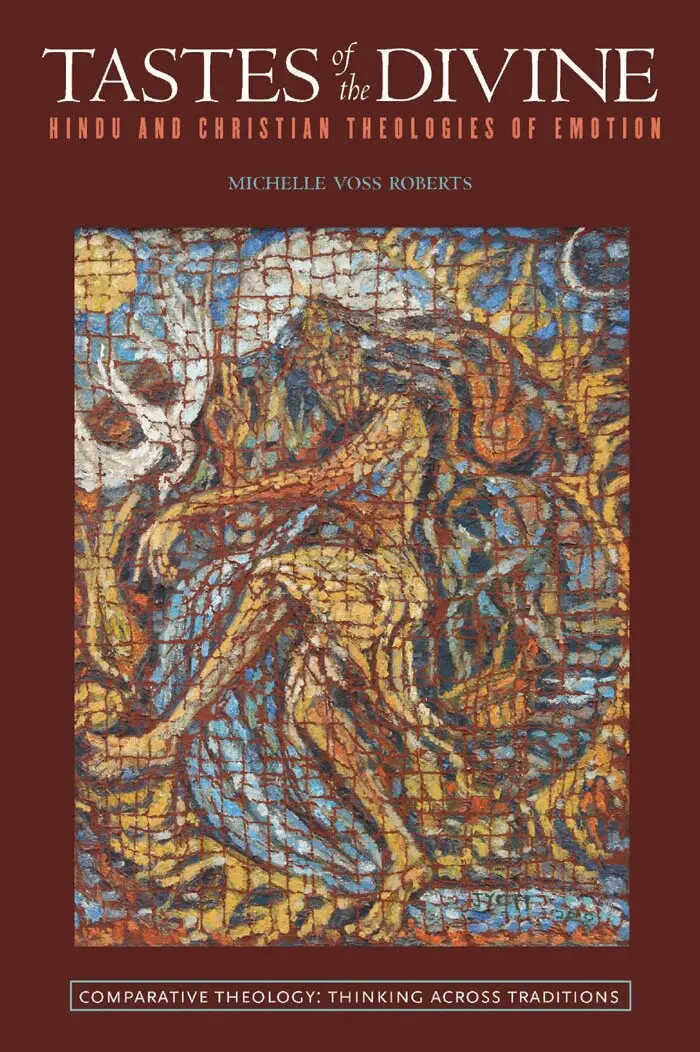
The intensity and meaningfulness of aesthetic experience have often been described in theological terms. By designating basic human emotions as rasa, a word that connotes taste, flavor, or essence, Indian aesthetic theory conceptualizes emotional states as something to be savored. At their core, emotions can be tastes of the divine. In this book, the methods of the emerging discipline of comparative theology enable the author's appreciation of Hindu texts and practices to illuminate her Christian reflections on aesthetics and emotion.Three emotions vie for prominence in the religious sphere: peace, love, and fury. Whereas Indian theorists following Abhinavagupta claim that the aesthetic emotion of peace best approximates the goal of religious experience, devotees of Krishna and medieval Christian readings of the Song of Songs argue that love communicates most powerfully with divinity. In response to the transcendence emphasized in both approaches, the book turns to fury at injustice to attend to emotion's foundations in the material realm. The implications of this constructive theology of emotion for Christian liturgy, pastoral care, and social engagement are manifold.
Häftad, Engelska, 2014
330 kr
Skickas inom 11-20 vardagar
The intensity and meaningfulness of aesthetic experience have often been described in theological terms. By designating basic human emotions as rasa, a word that connotes taste, flavor, or essence, Indian aesthetic theory conceptualizes emotional states as something to be savored. At their core, emotions can be tastes of the divine. In this book, the methods of the emerging discipline of comparative theology enable the author's appreciation of Hindu texts and practices to illuminate her Christian reflections on aesthetics and emotion.Three emotions vie for prominence in the religious sphere: peace, love, and fury. Whereas Indian theorists following Abhinavagupta claim that the aesthetic emotion of peace best approximates the goal of religious experience, devotees of Krishna and medieval Christian readings of the Song of Songs argue that love communicates most powerfully with divinity. In response to the transcendence emphasized in both approaches, the book turns to fury at injustice to attend to emotion's foundations in the material realm. The implications of this constructive theology of emotion for Christian liturgy, pastoral care, and social engagement are manifold.
Inbunden, Engelska, 2016
1 314 kr
Skickas inom 5-8 vardagar
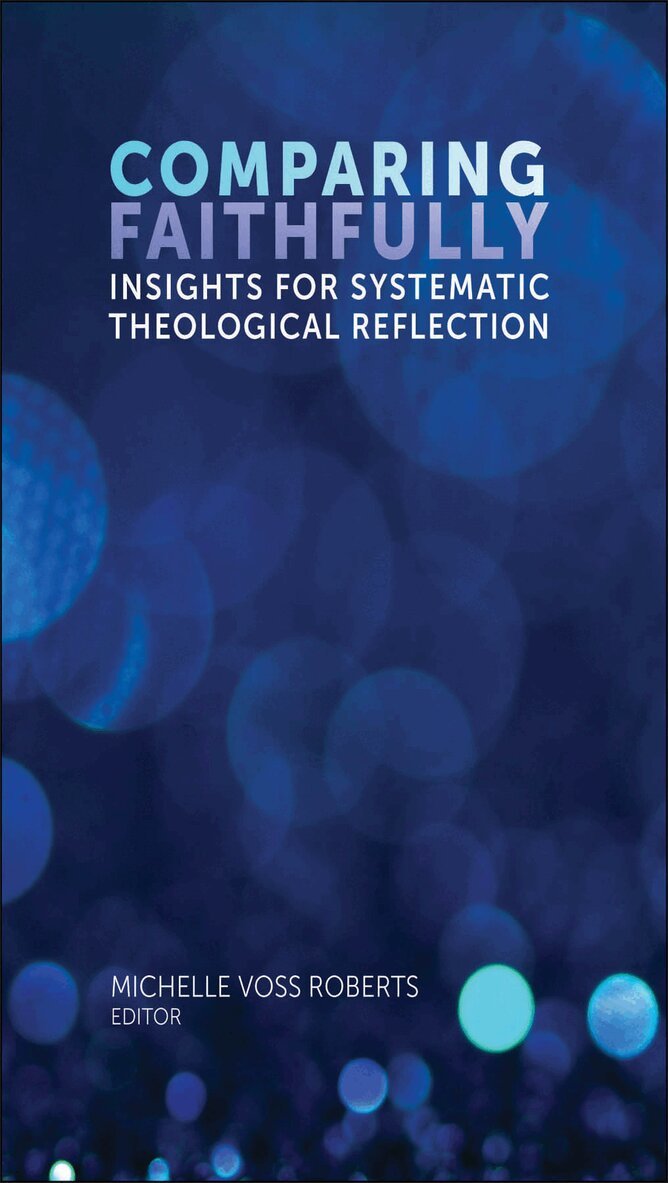
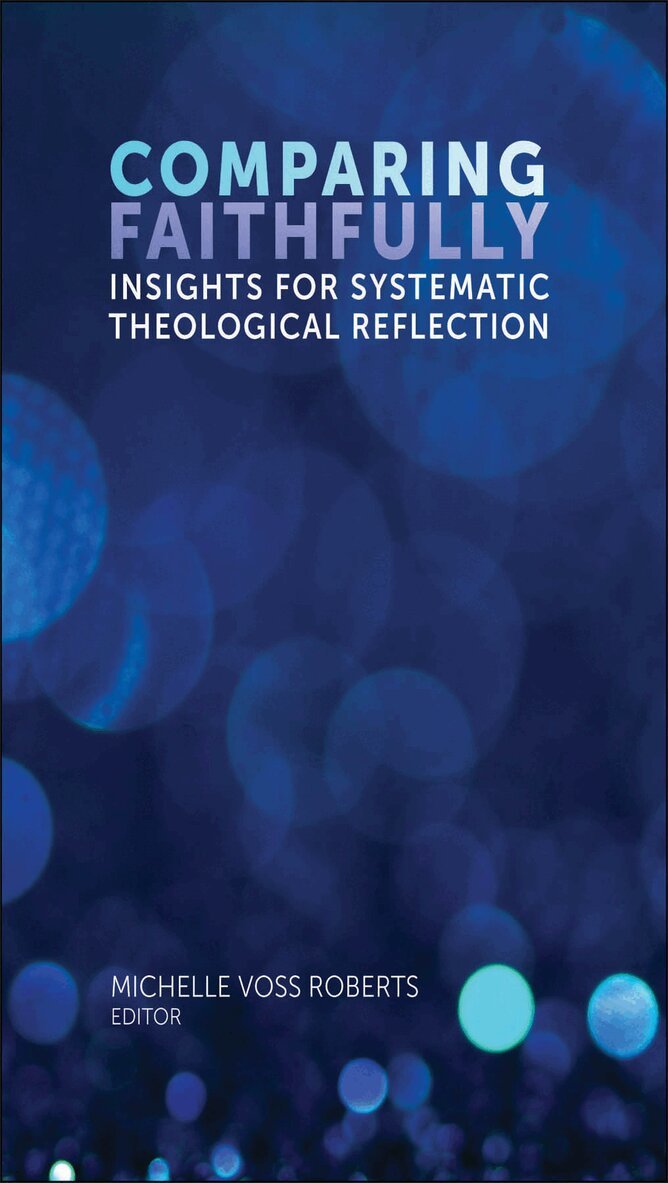
Every generation of theologians must respond to its context by rearticulating the central tenets of the faith. Interreligious comparison has been integral to this process from the start of the Christian tradition and is especially salient today. The emerging field of comparative theology, in which close study of another religious tradition yields new questions and categories for theological reflection in the scholar's home tradition, embodies the ecumenical spirit of this moment. This discipline has the potential to enrich systematic theology and, by extension, theological education, at its foundations.The essays in Comparing Faithfully demonstrate that engagement with religious diversity need not be an afterthought in the study of Christian systematic theology; rather, it can be a way into systematic theological thinking. Each section invites students to test theological categories, to consider Christian doctrine in relation to specific comparisons, and to take up comparative study in their own contexts.This resource for pastors and theology students reconsiders five central doctrines of the Christian faith in light of focused interreligious investigations. The dialogical format of the book builds conversation about the doctrine of God, theodicy, humanity, Christology, and soteriology. Its comparative essays span examples from Hindu, Buddhist, Jewish, Muslim, Jain, and Confucian traditions as well as indigenous Aztec theology, and contemporary "spiritual but not religious" thought to offer exciting new perspectives on Christian doctrine.
Häftad, Engelska, 2016
380 kr
Skickas inom 10-15 vardagar
Every generation of theologians must respond to its context by rearticulating the central tenets of the faith. Interreligious comparison has been integral to this process from the start of the Christian tradition and is especially salient today. The emerging field of comparative theology, in which close study of another religious tradition yields new questions and categories for theological reflection in the scholar's home tradition, embodies the ecumenical spirit of this moment. This discipline has the potential to enrich systematic theology and, by extension, theological education, at its foundations.The essays in Comparing Faithfully demonstrate that engagement with religious diversity need not be an afterthought in the study of Christian systematic theology; rather, it can be a way into systematic theological thinking. Each section invites students to test theological categories, to consider Christian doctrine in relation to specific comparisons, and to take up comparative study in their own contexts.This resource for pastors and theology students reconsiders five central doctrines of the Christian faith in light of focused interreligious investigations. The dialogical format of the book builds conversation about the doctrine of God, theodicy, humanity, Christology, and soteriology. Its comparative essays span examples from Hindu, Buddhist, Jewish, Muslim, Jain, and Confucian traditions as well as indigenous Aztec theology, and contemporary "spiritual but not religious" thought to offer exciting new perspectives on Christian doctrine.
Häftad, Engelska, 2017
511 kr
Skickas inom 5-8 vardagar
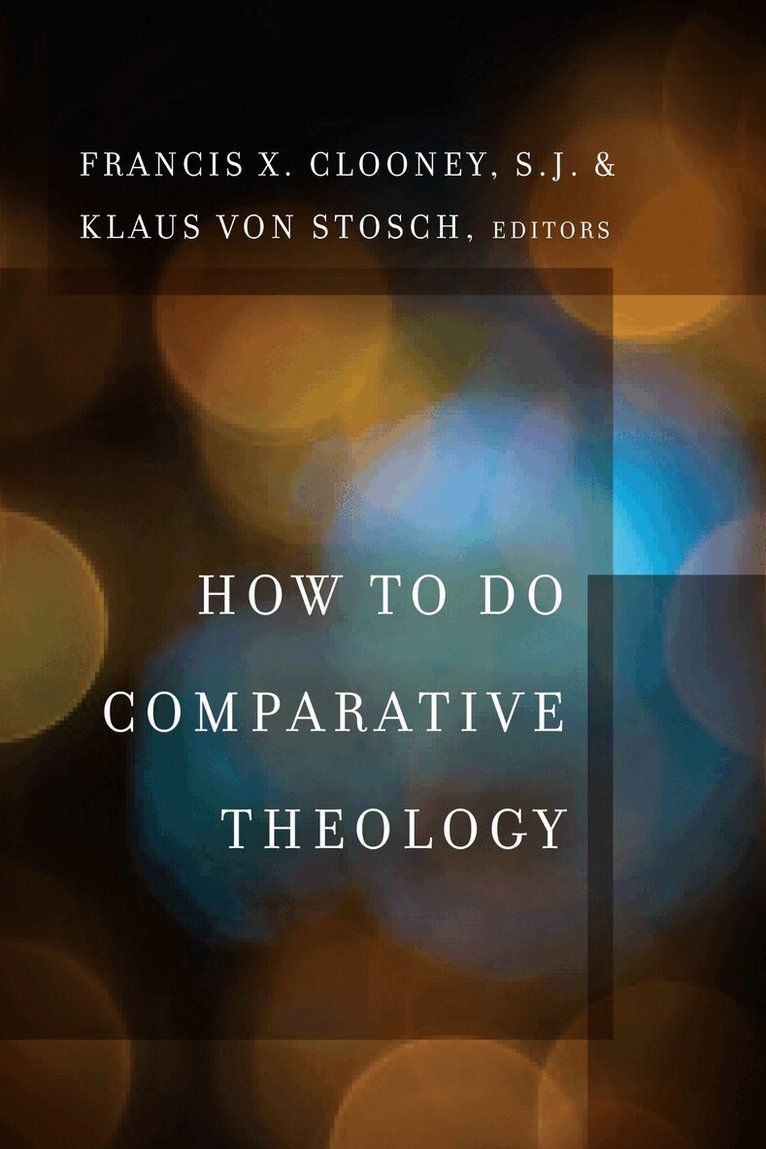
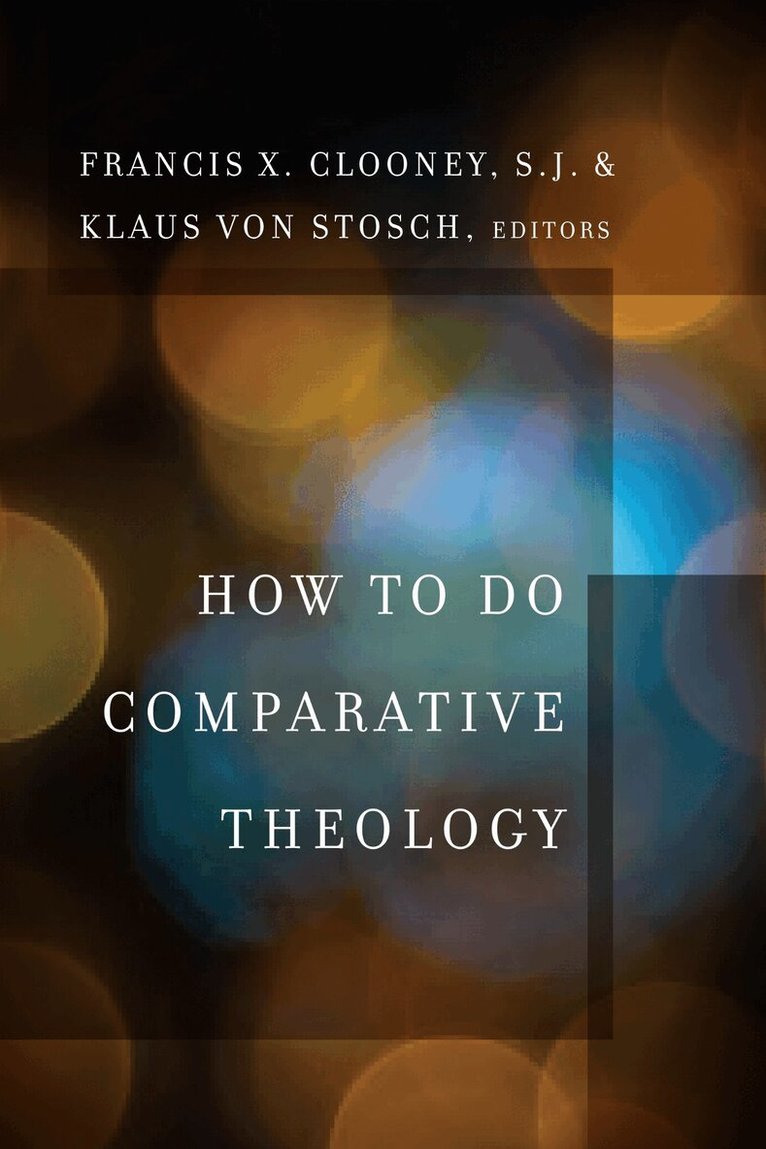
For a generation and more, the contribution of Christian theology to interreligious understanding has been a subject of debate. Some think of theological perspectives are of themselves inherently too narrow to support interreligious learning, and argue for an approach that is neutral or, on a more popular level, grounded simply open-minded direct experience. In response, comparative theology argues that theology, as faith seeking understanding, offers a vital perspective and a way of advancing interreligious dialogue, aided rather than hindered by commitments; theological perspectives can both complement and step beyond the study of religions by methods detached and merely neutral. Thus comparative theology has been successful in persuading many that interreligious learning from one faith perspective to another is both possible and worthwhile, and so the work of comparative theology has become more recognized and established globally. With this success there has come to the fore new challenges regarding method: How does one do comparative theological work in a way that is theologically grounded, genuinely open to learning from the other, sophisticated in pursuing comparisons, and fruitful on both the academic and practical levels? How To Do Comparative Theology therefore contributes to the maturation of method in the field of comparative theological studies, learning across religious borders, by bringing together essays drawing on different Christian traditions of learning, Judaism and Islam, Hinduism and Buddhism, the wisdom of senior scholars, and also insights from a younger generation of scholars who have studied theology and religion in new ways, and are more attuned to the language of the "spiritual but not religious." The essays in this volume show great diversity in method, and also—over and again and from many angles—coherence in intent, a commitment to one learning from the other, and a confidence that one's home tradition benefits from fair and unhampered learning from other and very different spiritual and religious traditions. It therefore shows the diversity and coherence of comparative theology as an emerging discipline today.
Häftad, Engelska, 2018
421 kr
Skickas inom 10-15 vardagar
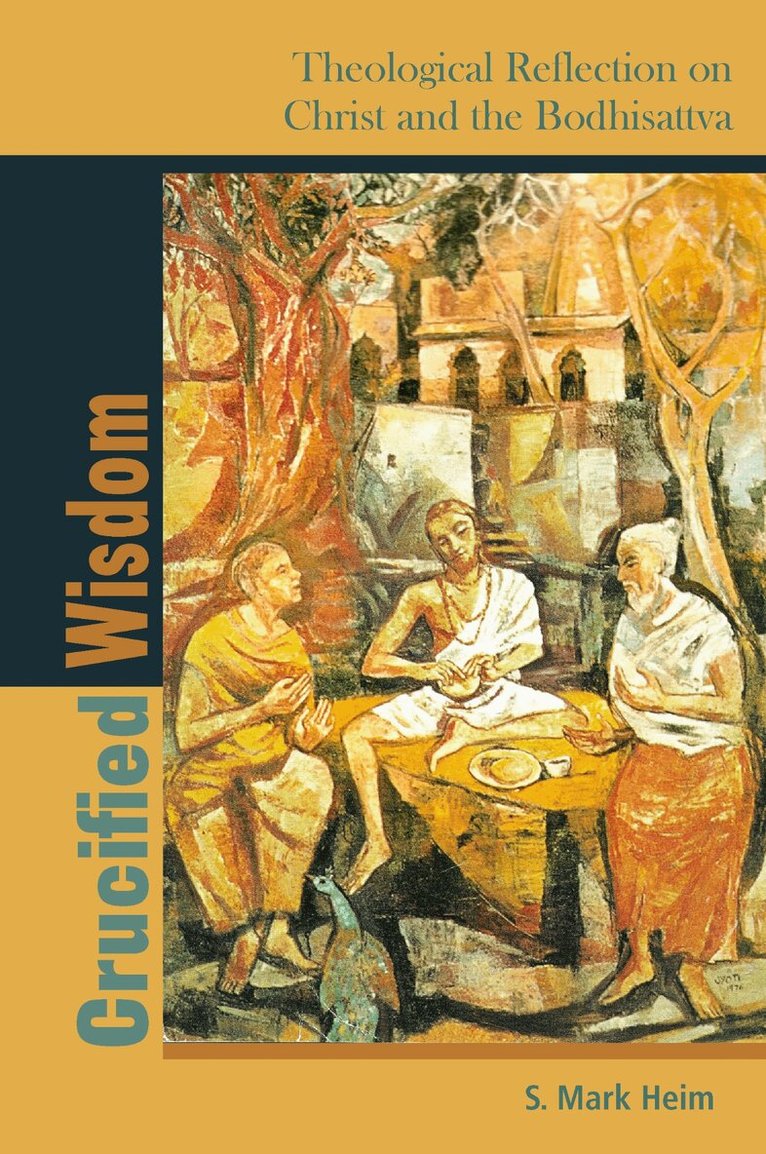
Winner of the Frederick Streng Book Award for Excellence in Buddhist-Christian Studies This work provides the first systematic discussion of the Bodhisattva path and its importance for constructive Christian theology. Crucified Wisdom examines specific Buddhist traditions, texts, and practices not as phenomena whose existence requires an apologetic justification but as wells of tested wisdom that invite theological insight. With the increasing participation of Christians in Buddhist practice, many are seeking a deeper understanding of the way the teachings of the two traditions might interface. Christ and the Bodhisattva are often compared superficially in Buddhist–Christian discussion. This text combines a rich exposition of the Bodhisattva path, using Śāntideva's classic work the Bodicaryāvatāra and subsequent Tibetan commentators, with detailed reflection on its implications for Christian faith and practice.Author S. Mark Heim lays out root tensions constituted by basic Buddhist teachings on the one hand, and Christian teachings on the other, and the ways in which the Bodhisattva or Christ embody and resolve the resulting paradoxes in their respective traditions. An important contribution to the field of comparative theology in general and to the area of Buddhist–Christian studies in particular, Crucified Wisdom proposes that Christian theology can take direct instruction from Mahāyāna Buddhism in two respects: deepening its understanding of our creaturely nature through no-self insights, and revising its vision of divine immanence in dialogue with teachings of emptiness. Heim argues that Christians may affirm the importance of novelty in history, the enduring significance of human persons, and the Trinitarian reality of God, even as they learn to value less familiar, nondual dimensions of Christ's incarnation, human redemption, and the divine life.Crucified Wisdom focuses on questions of reconciliation and atonement in Christian theology and explores the varying interpretations of the crucifixion of Jesus in Buddhist–Christian discussion. The Bodhisattva path is central for major contemporary Buddhist voices such as the Dalai Lama and Thích Nhât Hanh, who figure prominently as conversation partners in the text. This work will be of particular value for those interested in "dual belonging" in connection to these traditions.
Inbunden, Engelska, 2018
1 333 kr
Skickas inom 10-15 vardagar
Winner of the Frederick Streng Book Award for Excellence in Buddhist-Christian Studies This work provides the first systematic discussion of the Bodhisattva path and its importance for constructive Christian theology. Crucified Wisdom examines specific Buddhist traditions, texts, and practices not as phenomena whose existence requires an apologetic justification but as wells of tested wisdom that invite theological insight. With the increasing participation of Christians in Buddhist practice, many are seeking a deeper understanding of the way the teachings of the two traditions might interface. Christ and the Bodhisattva are often compared superficially in Buddhist–Christian discussion. This text combines a rich exposition of the Bodhisattva path, using Śāntideva's classic work the Bodicaryāvatāra and subsequent Tibetan commentators, with detailed reflection on its implications for Christian faith and practice.Author S. Mark Heim lays out root tensions constituted by basic Buddhist teachings on the one hand, and Christian teachings on the other, and the ways in which the Bodhisattva or Christ embody and resolve the resulting paradoxes in their respective traditions. An important contribution to the field of comparative theology in general and to the area of Buddhist–Christian studies in particular, Crucified Wisdom proposes that Christian theology can take direct instruction from Mahāyāna Buddhism in two respects: deepening its understanding of our creaturely nature through no-self insights, and revising its vision of divine immanence in dialogue with teachings of emptiness. Heim argues that Christians may affirm the importance of novelty in history, the enduring significance of human persons, and the Trinitarian reality of God, even as they learn to value less familiar, nondual dimensions of Christ's incarnation, human redemption, and the divine life.Crucified Wisdom focuses on questions of reconciliation and atonement in Christian theology and explores the varying interpretations of the crucifixion of Jesus in Buddhist–Christian discussion. The Bodhisattva path is central for major contemporary Buddhist voices such as the Dalai Lama and Thích Nhât Hanh, who figure prominently as conversation partners in the text. This work will be of particular value for those interested in "dual belonging" in connection to these traditions.
Häftad, Engelska, 2019
384 kr
Skickas inom 5-8 vardagar
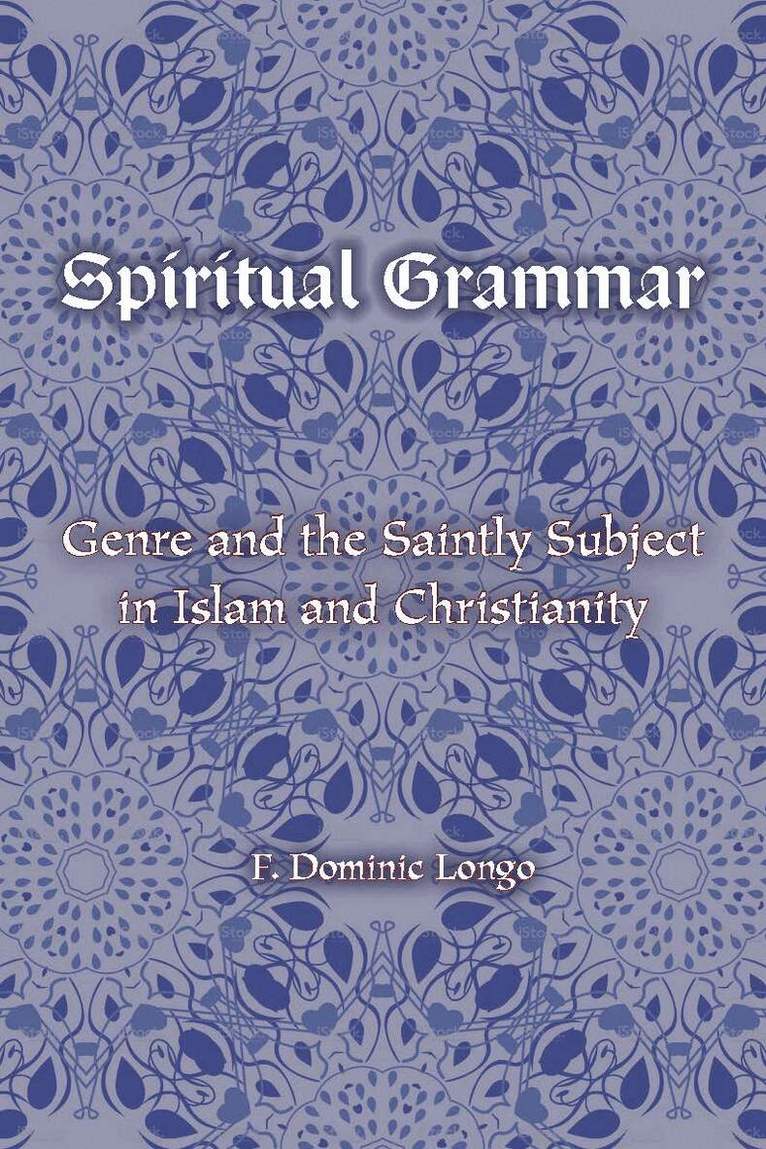
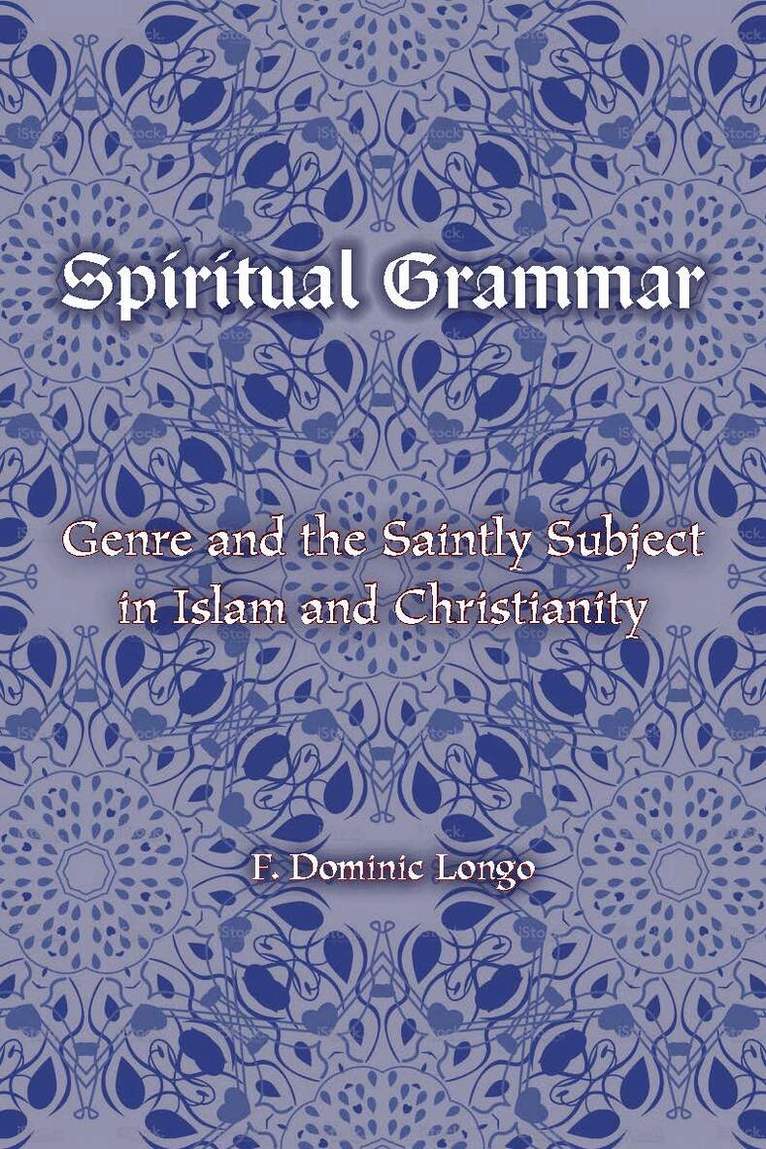
Spiritual Grammar identifies a genre of religious literature that until now has not been recognized as such. In this surprising and theoretically nuanced study, F. Dominic Longo reveals how grammatical structures of language addressed in two medieval texts published nearly four centuries apart, from distinct religious traditions, offer a metaphor for how the self is embedded in spiritual reality. Reading The Grammar of Hearts (Nahw al-qulūb) by the great Sufi shaykh and Islamic scholar 'Abd al-Karīm al-Qushayrī (d. 1074) and Moralized Grammar (Donatus moralizatus) by Christian theologian Jean Gerson (d. 1429), Longo reveals how both authors use the rules of language and syntax to advance their pastoral goals. Indeed, grammar provides the two masters with a fresh way of explaining spiritual reality to their pupils and to discipline the souls of their readers in the hopes that their writings would make others adept in the grammar of the heart.
Inbunden, Engelska, 2019
1 015 kr
Skickas inom 10-15 vardagar
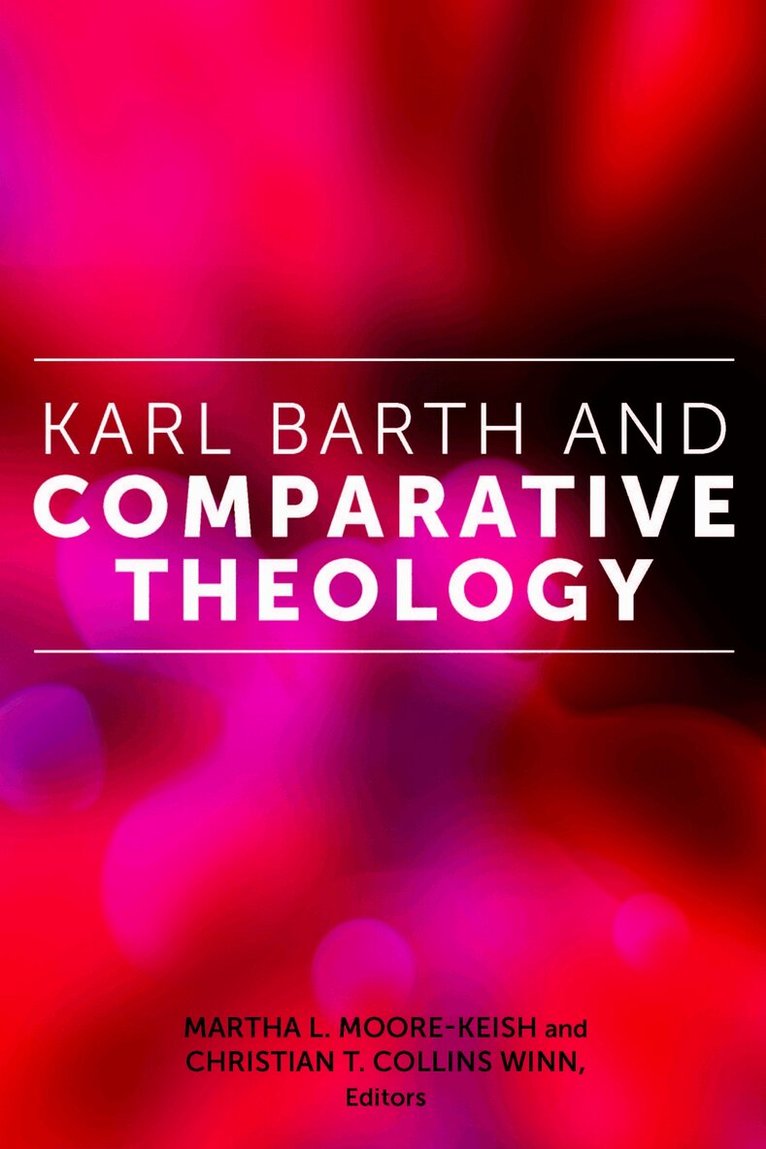
Building on recent engagements with Barth in the area of theologies of religion, Karl Barth and Comparative Theology inaugurates a new conversation between Barth's theology and comparative theology. Each essay brings Barth into conversation with theological claims from other religious traditions for the purpose of modeling deep learning across religious borders from a Barthian perspective. For each tradition, two Barth-influenced theologians offer focused engagements of Barth with the tradition's respective themes and figures, and a response from a theologian from that tradition then follows. With these surprising and stirringly creative exchanges, Karl Barth and Comparative Theology promises to open up new trajectories for comparative theology.Contributors: Chris Boesel, Francis X. Clooney, Christian T. Collins Winn, Victor Ezigbo, James Farwell, Tim Hartman, S. Mark Heim, Paul Knitter, Pan-chiu Lai, Martha L. Moore-Keish, Peter Ochs, Marc Pugliese, Joshua Ralston, Anantanand Rambachan, Randi Rashkover, Kurt Richardson, Mun'im Sirry, John Sheveland, Nimi Wariboko
Häftad, Engelska, 2020
347 kr
Skickas inom 5-8 vardagar
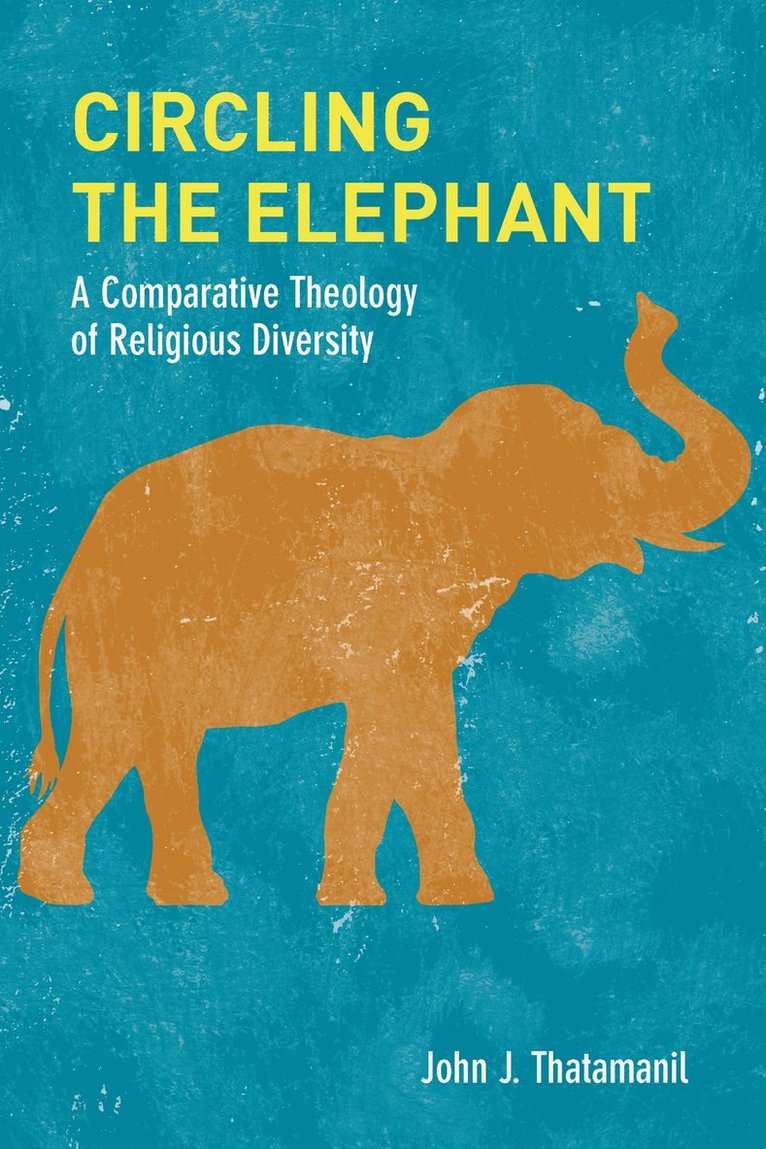
Christian theologians have for some decades affirmed that they have no monopoly on encounters with God or ultimate reality and that other religions also have access to religious truth and transformation. If that is the case, the time has come for Christians not only to learn about but also from their religious neighbors. Circling the Elephant affirms that the best way to be truly open to the mystery of the infinite is to move away from defensive postures of religious isolationism and self-sufficiency and to move, in vulnerability and openness, toward the mystery of the neighbor.Employing the ancient Indian allegory of the elephant and blind(folded) men, John J. Thatamanil argues for the integration of three often-separated theological projects: theologies of religious diversity (the work of accounting for why there are so many different understandings of the elephant), comparative theology (the venture of walking over to a different side of the elephant), and constructive theology (the endeavor of re-describing the elephant in light of the other two tasks).Circling the Elephant also offers an analysis of why we have fallen short in the past. Interreligious learning has been obstructed by problematic ideas about "religion" and "religions," Thatamanil argues, while also pointing out the troubling resonances between reified notions of "religion" and "race." He contests these notions and offers a new theory of the religious that makes interreligious learning both possible and desirable.Christians have much to learn from their religious neighbors, even about such central features of Christian theology as Christ and the Trinity. This book envisions religious diversity as a promise, not a problem, and proposes a new theology of religious diversity that opens the door to robust interreligious learning and Christian transformation through encountering the other.
Inbunden, Engelska, 2020
892 kr
Skickas
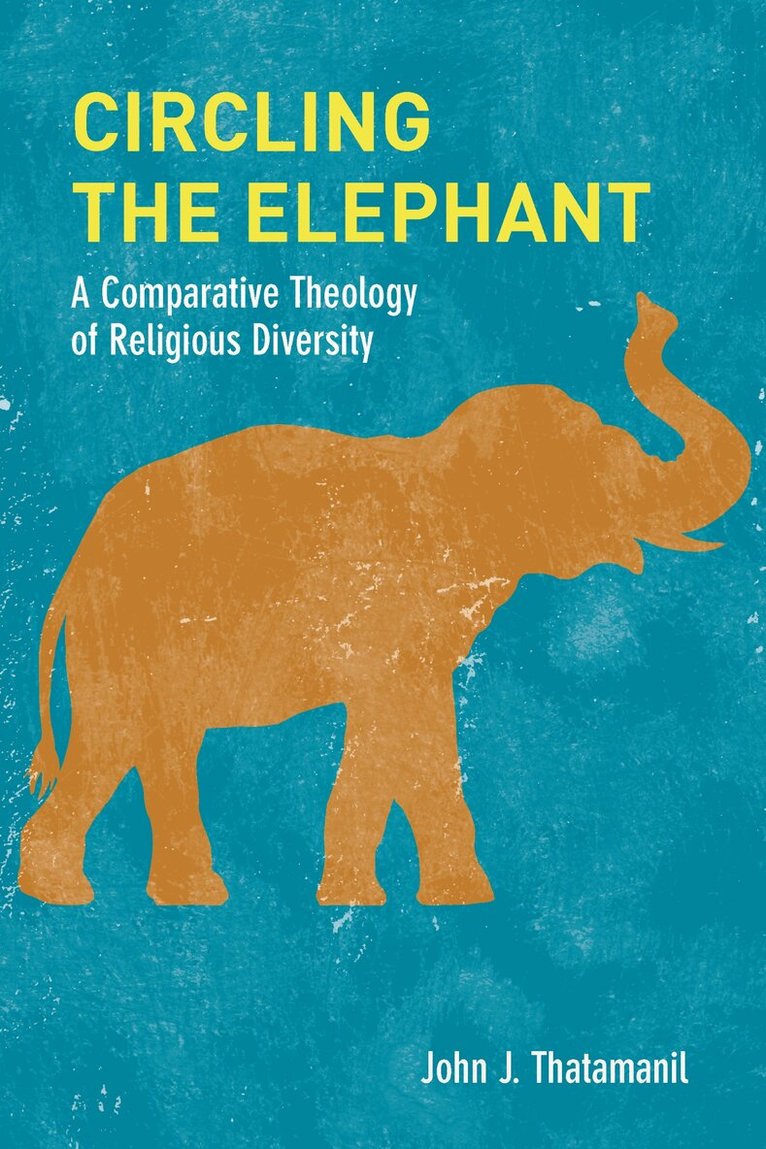
Christian theologians have for some decades affirmed that they have no monopoly on encounters with God or ultimate reality and that other religions also have access to religious truth and transformation. If that is the case, the time has come for Christians not only to learn about but also from their religious neighbors. Circling the Elephant affirms that the best way to be truly open to the mystery of the infinite is to move away from defensive postures of religious isolationism and self-sufficiency and to move, in vulnerability and openness, toward the mystery of the neighbor.Employing the ancient Indian allegory of the elephant and blind(folded) men, John J. Thatamanil argues for the integration of three often-separated theological projects: theologies of religious diversity (the work of accounting for why there are so many different understandings of the elephant), comparative theology (the venture of walking over to a different side of the elephant), and constructive theology (the endeavor of re-describing the elephant in light of the other two tasks).Circling the Elephant also offers an analysis of why we have fallen short in the past. Interreligious learning has been obstructed by problematic ideas about "religion" and "religions," Thatamanil argues, while also pointing out the troubling resonances between reified notions of "religion" and "race." He contests these notions and offers a new theory of the religious that makes interreligious learning both possible and desirable.Christians have much to learn from their religious neighbors, even about such central features of Christian theology as Christ and the Trinity. This book envisions religious diversity as a promise, not a problem, and proposes a new theology of religious diversity that opens the door to robust interreligious learning and Christian transformation through encountering the other.
Häftad, Engelska, 2021
415 kr
Skickas inom 5-8 vardagar
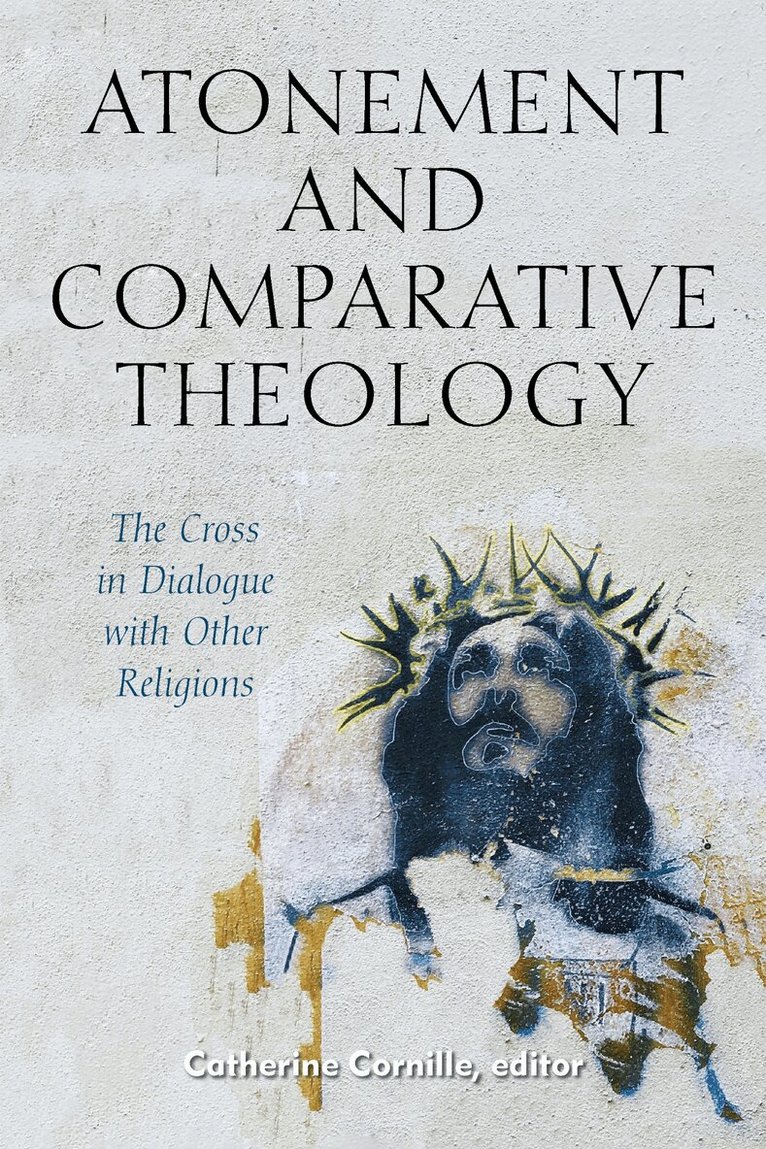
The central Christian belief in salvation through the suffering, death, and resurrection of Jesus Christ remains one of the most intractable mysteries of Christian faith. Throughout history, it has given rise to various theories of atonement, many of which have been subject to critique as they no longer speak to contemporary notions of evil and sin or to current conceptions of justice. One of the important challenges for contemporary Christian theology thus involves exploring new ways of understanding the salvific meaning of the cross.In Atonement and Comparative Theology, Christian theologians with expertise in Judaism, Islam, Hinduism, Buddhism, Daoism, and African Religions reflect on how engagement with these traditions sheds new light on the Christian understanding of atonement by pointing to analogous structures of sin and salvation, drawing attention to the scandal of the cross as seen by the religious other, and re-interpreting aspects of the Christian understanding of atonement. Together, they illustrate the possibilities for comparative theology to deepen and enrich Christian theological reflection.
Inbunden, Engelska, 2021
584 kr
Skickas
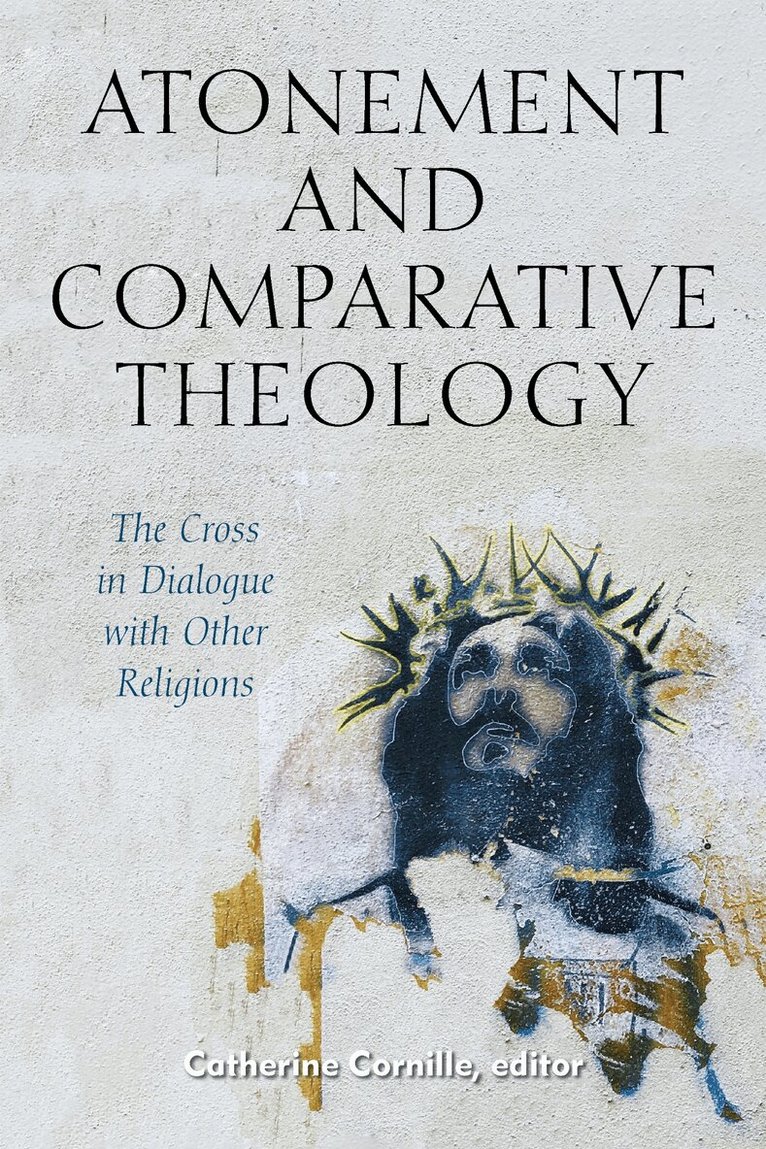
The central Christian belief in salvation through the suffering, death, and resurrection of Jesus Christ remains one of the most intractable mysteries of Christian faith. Throughout history, it has given rise to various theories of atonement, many of which have been subject to critique as they no longer speak to contemporary notions of evil and sin or to current conceptions of justice. One of the important challenges for contemporary Christian theology thus involves exploring new ways of understanding the salvific meaning of the cross.In Atonement and Comparative Theology, Christian theologians with expertise in Judaism, Islam, Hinduism, Buddhism, Daoism, and African Religions reflect on how engagement with these traditions sheds new light on the Christian understanding of atonement by pointing to analogous structures of sin and salvation, drawing attention to the scandal of the cross as seen by the religious other, and re-interpreting aspects of the Christian understanding of atonement. Together, they illustrate the possibilities for comparative theology to deepen and enrich Christian theological reflection.
Inbunden, Engelska, 2023
1 664 kr
Skickas inom 10-15 vardagar
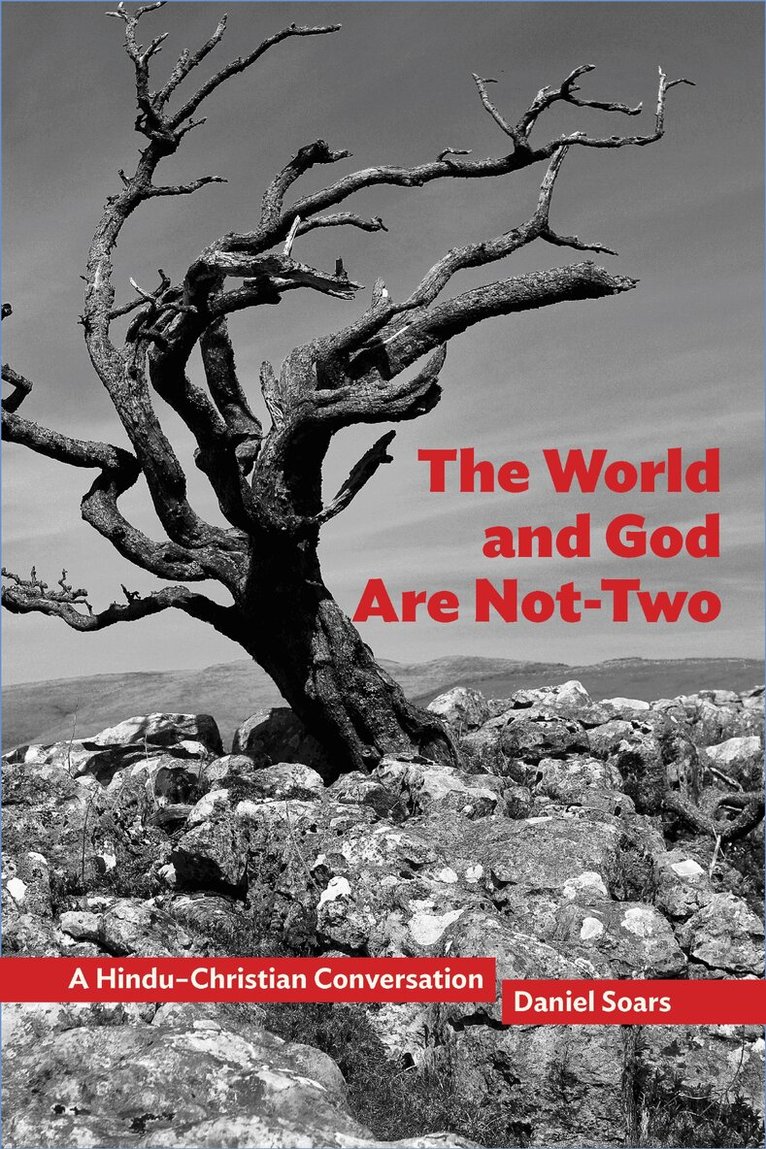
The World and God Are Not-Two is a book about how the God in whom Christians believe ought to be understood. The key conceptual argument that runs throughout is that the distinctive relation between the world and God in Christian theology is best understood as a non-dualistic one. The "two"—"God" and "World" cannot be added up as separate, enumerable realities or contrasted with each other against some common background because God does not belong in any category and creatures are ontologically constituted by their relation to the Creator.In exploring the unique character of this distinctive relation, Soars turns to Sara Grant's work on the Hindu tradition of Advaita Vedānta and the metaphysics of creation found in Thomas Aquinas. He develops Grant's work and that of the earlier Calcutta School by drawing explicit attention to the Neoplatonic themes in Aquinas that provide some of the most fruitful areas for comparative engagement with Vedānta. To the Christian, the fact that the world exists only as dependent on God means that "world" and "God" must be ontologically distinct because God's existence does not depend on the world. To the Advaitin, this simultaneously means that "World" and "God" cannot be ontologically separate either. The language of non-duality allows us to see that both positions can be held coherently together without entailing any contradiction or disagreement at the level of fundamental ontology. What it means to be "world" does not and cannot exclude what it means to be "God."
Häftad, Engelska, 2023
415 kr
Skickas inom 5-8 vardagar
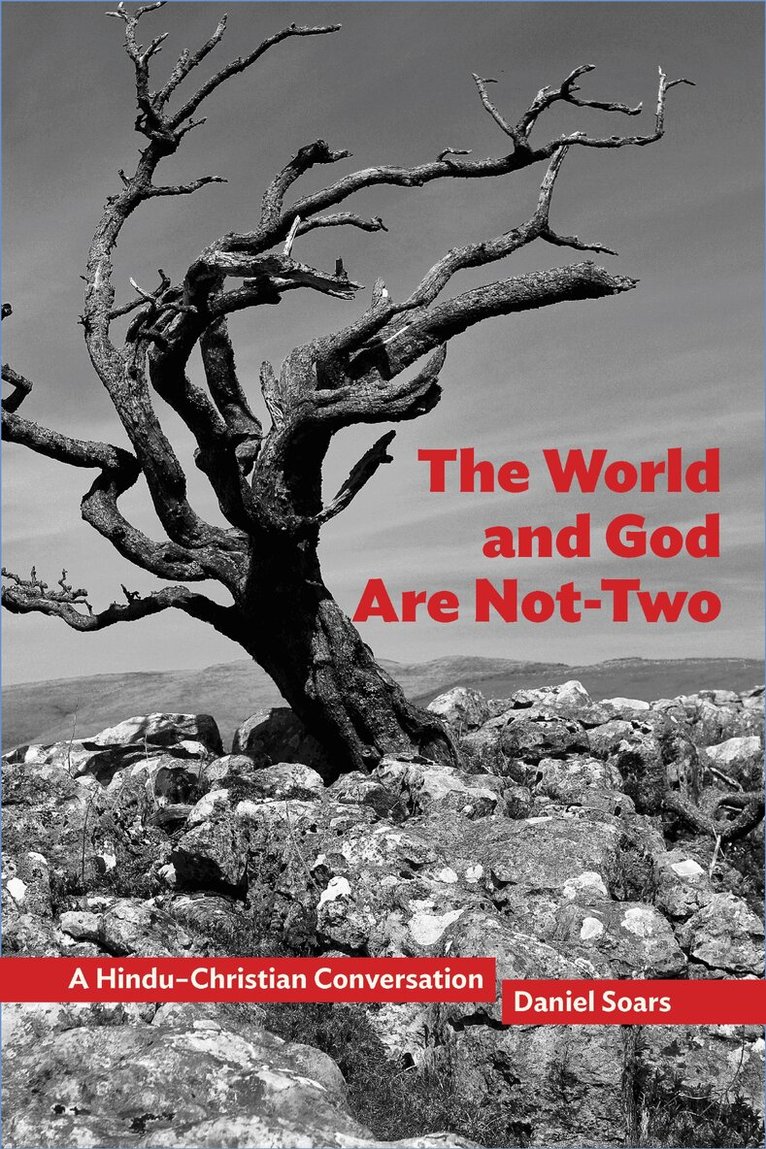
The World and God Are Not-Two is a book about how the God in whom Christians believe ought to be understood. The key conceptual argument that runs throughout is that the distinctive relation between the world and God in Christian theology is best understood as a non-dualistic one. The "two"—"God" and "World" cannot be added up as separate, enumerable realities or contrasted with each other against some common background because God does not belong in any category and creatures are ontologically constituted by their relation to the Creator.In exploring the unique character of this distinctive relation, Soars turns to Sara Grant's work on the Hindu tradition of Advaita Vedānta and the metaphysics of creation found in Thomas Aquinas. He develops Grant's work and that of the earlier Calcutta School by drawing explicit attention to the Neoplatonic themes in Aquinas that provide some of the most fruitful areas for comparative engagement with Vedānta. To the Christian, the fact that the world exists only as dependent on God means that "world" and "God" must be ontologically distinct because God's existence does not depend on the world. To the Advaitin, this simultaneously means that "World" and "God" cannot be ontologically separate either. The language of non-duality allows us to see that both positions can be held coherently together without entailing any contradiction or disagreement at the level of fundamental ontology. What it means to be "world" does not and cannot exclude what it means to be "God."
Inbunden, Engelska, 2025
1 554 kr
Skickas inom 10-15 vardagar
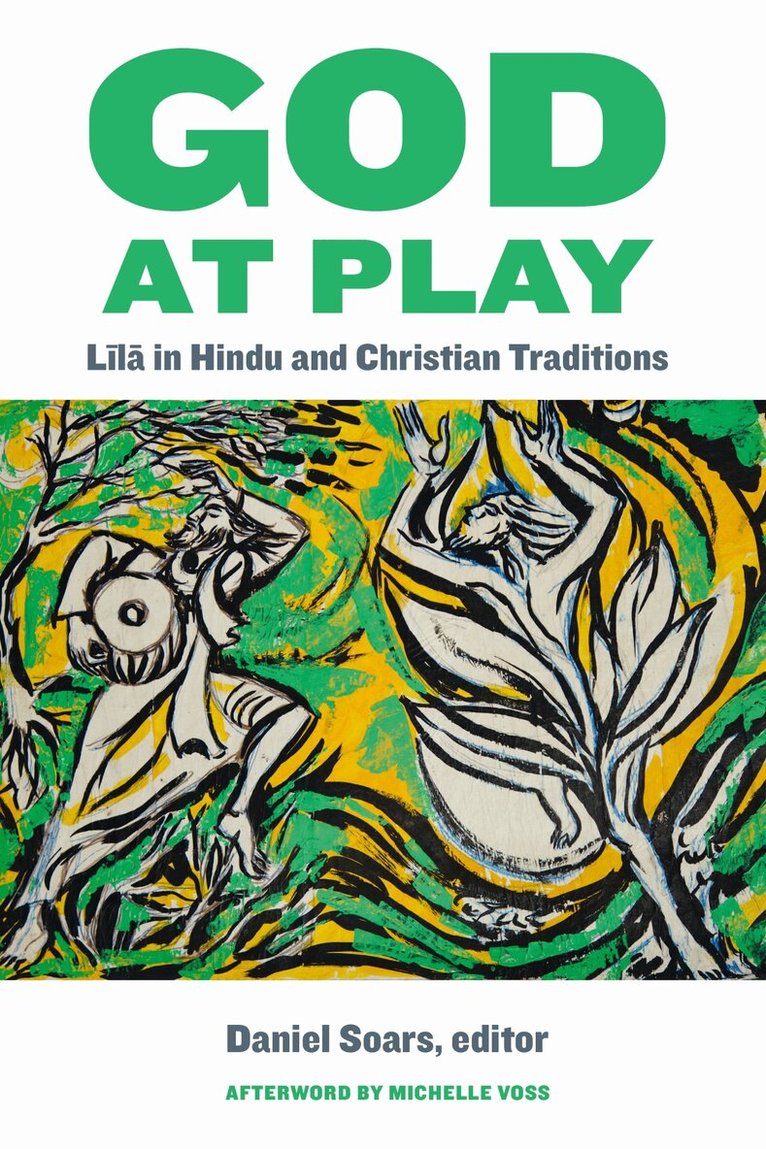
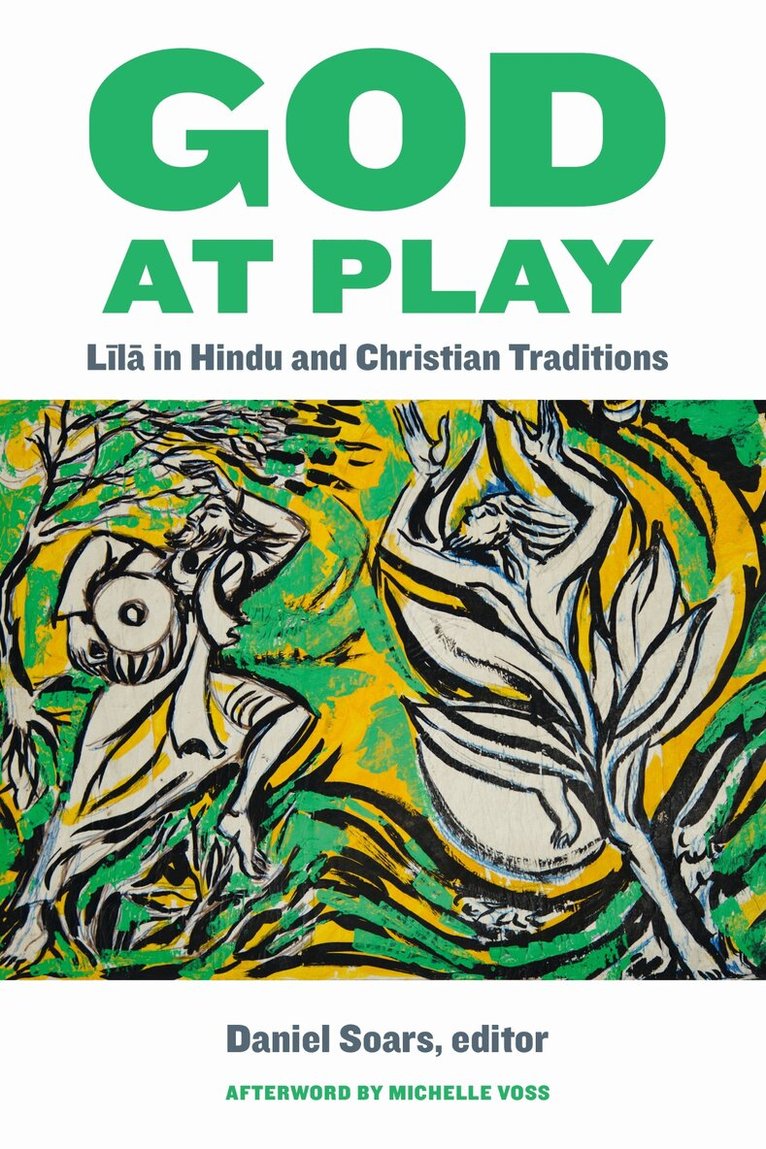
The first comparative treatment of the topic of līlā in Hindu and Christian traditions, this volume explores what it means to consider divine and human action under the categories of play, wit, drama, grace, and compassionGod at Play presents a theological exploration of the multifaceted motif of līlā across diverse Hindu and Christian landscapes and its wide-ranging connections to divine and human creativity. Given its ubiquity in Hindu theologies and life-forms, līlā offers a rich comparative framework for exploring certain ways of understanding divine and human action as expressed in Hindu and Christian sacred texts, philosophical theology, and ritual practices.Though līlā is often interpreted simply as "play," the essays in this volume reflect a far richer semantic and conceptual field, ranging from spontaneity and gratuitousness, through joy and humor, to mercy and compassion. By focusing on the different contexts in which līlā is found in Hindu traditions and resisting any uniform translation of the term, the contributors to this volume avoid the risk of using predominantly western or Christian categories to understand the Hindu other. The volume thus explores how līlā functions in a variety of distinctive philosophical, theological, and devotional ways across Hindu traditions, and listens for echoes in Christian understandings of the gratuitousness of the created order in relation to God.God at Play is a genuine experiment in deep learning across traditions. Each chapter reflects on what is learned by taking līlā as the category of comparison and invites the reader to think about what these conversations add, confirm, or change in relation to earlier twentieth-century scholarship on play—not least, in terms of what difference it might make to understand human life as an imitation and a participation in the divine life of a playful deity.
Häftad, Engelska, 2025
404 kr
Skickas
The first comparative treatment of the topic of līlā in Hindu and Christian traditions, this volume explores what it means to consider divine and human action under the categories of play, wit, drama, grace, and compassionGod at Play presents a theological exploration of the multifaceted motif of līlā across diverse Hindu and Christian landscapes and its wide-ranging connections to divine and human creativity. Given its ubiquity in Hindu theologies and life-forms, līlā offers a rich comparative framework for exploring certain ways of understanding divine and human action as expressed in Hindu and Christian sacred texts, philosophical theology, and ritual practices.Though līlā is often interpreted simply as "play," the essays in this volume reflect a far richer semantic and conceptual field, ranging from spontaneity and gratuitousness, through joy and humor, to mercy and compassion. By focusing on the different contexts in which līlā is found in Hindu traditions and resisting any uniform translation of the term, the contributors to this volume avoid the risk of using predominantly western or Christian categories to understand the Hindu other. The volume thus explores how līlā functions in a variety of distinctive philosophical, theological, and devotional ways across Hindu traditions, and listens for echoes in Christian understandings of the gratuitousness of the created order in relation to God.God at Play is a genuine experiment in deep learning across traditions. Each chapter reflects on what is learned by taking līlā as the category of comparison and invites the reader to think about what these conversations add, confirm, or change in relation to earlier twentieth-century scholarship on play—not least, in terms of what difference it might make to understand human life as an imitation and a participation in the divine life of a playful deity.
Inbunden, Engelska, 2025
1 554 kr
Skickas inom 10-15 vardagar
A bold and rigorous reexamination of transcendence - uniting religion, theology, philosophy, and science - while bridging Confucian and Christian thought to explore the origins of the world and human destiny Debating Transcendence is a groundbreaking contribution to the ongoing dialogue between Confucian and Christian thought by addressing the transcendence debate—a key controversy that has shaped centuries of cross-cultural intellectual exchange. Song examines whether the Confucian concept of Tian (Heaven) or Taiji (Ultimate Limit) possesses a transcendent dimension comparable to Christian understandings of the Creator God. This study revisits the historical and philosophical roots of the debate, tracing its evolution from early interactions between Confucianism and Christianity during the sixteenth century to present-day discussions. At the heart of this book is Song’s aim to construct a Confucian definition of theology and a Confucian approach to comparative theology. Grounded in a scientifically rigorous methodology that transcends the conceptual boundaries of philosophy, religion, and theology, this new approach balances rootedness and impartiality, minimizing biases and revealing shared ground. Covering essential thinkers from the West and the East—such as Plato, Augustine, Descartes, and Paul Tillich alongside Confucius, Laozi, Wang Bi, and Zhu Xi—Song explores the historical development of key concepts such as creatio ex nihilo (creation out of nothing) and sheng (birth birth), challenging misconceptions and highlighting underexplored commonalities and differences. Drawing from his diverse scholarly background and extensive engagement with both traditions, Song distinguishes Confucian from Daoist metaphysics and demonstrates that Confucian metaphysics, centered around the concept of generatio ex nihilo, offers a compelling framework for understanding transcendence that not only resembles but, in certain aspects, surpasses major streams of its Christian counterpart. Readers seeking to understand the profound spiritual foundations underpinning interactions between China and the West will find Song’s work essential. Combining rigor, scope, and depth, Debating Transcendence paves the way for refreshed interactions between Confucian and Christian thought, offering insights vital to contemporary scholarship and interreligious exchange.
Häftad, Engelska, 2025
435 kr
Skickas inom 10-15 vardagar
A bold and rigorous reexamination of transcendence - uniting religion, theology, philosophy, and science - while bridging Confucian and Christian thought to explore the origins of the world and human destiny Debating Transcendence is a groundbreaking contribution to the ongoing dialogue between Confucian and Christian thought by addressing the transcendence debate - a key controversy that has shaped centuries of cross-cultural intellectual exchange. Song examines whether the Confucian concept of Tian (Heaven) or Taiji (Ultimate Limit) possesses a transcendent dimension comparable to Christian understandings of the Creator God. This study revisits the historical and philosophical roots of the debate, tracing its evolution from early interactions between Confucianism and Christianity during the sixteenth century to present-day discussions. At the heart of this book is Song’s aim to construct a Confucian definition of theology and a Confucian approach to comparative theology. Grounded in a scientifically rigorous methodology that transcends the conceptual boundaries of philosophy, religion, and theology, this new approach balances rootedness and impartiality, minimizing biases and revealing shared ground. Covering essential thinkers from the West and the East - such as Plato, Augustine, Descartes, and Paul Tillich alongside Confucius, Laozi, Wang Bi, and Zhu Xi - Song explores the historical development of key concepts such as creatio ex nihilo (creation out of nothing) and sheng sheng (birth birth), challenging misconceptions and highlighting underexplored commonalities and differences. Drawing from his diverse scholarly background and extensive engagement with both traditions, Song distinguishes Confucian from Daoist metaphysics and demonstrates that Confucian metaphysics, centered around the concept of generatio ex nihilo, offers a compelling framework for understanding transcendence that not only resembles but, in certain aspects, surpasses major streams of its Christian counterpart. Readers seeking to understand the profound spiritual foundations underpinning interactions between China and the West will find Song’s work essential. Combining rigor, scope, and depth, Debating Transcendence paves the way for refreshed interactions between Confucian and Christian thought, offering insights vital to contemporary scholarship and interreligious exchange.