English Heritage – serie
Visar alla böcker i serien English Heritage. Handla med fri frakt och snabb leverans.
21 produkter
21 produkter
2011
910 kr
Skickas inom 5-8 vardagar
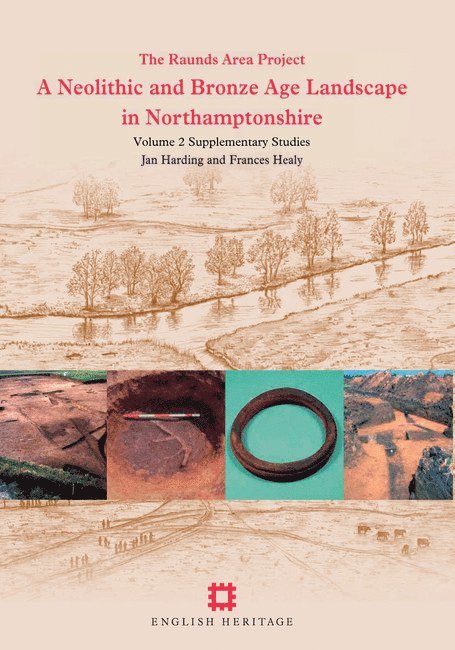
The Raunds Area Project investigated more than 20 Neolithic and Bronze Age monuments in the Nene Valley. This volume, on DVD, is the detailed monument and landscape analysis, environmental specialist reports, and finds reports catalogues (includes tables of data and interpretations and finds drawings).
Häftad, Engelska, 2013
602 kr
Skickas inom 5-8 vardagar
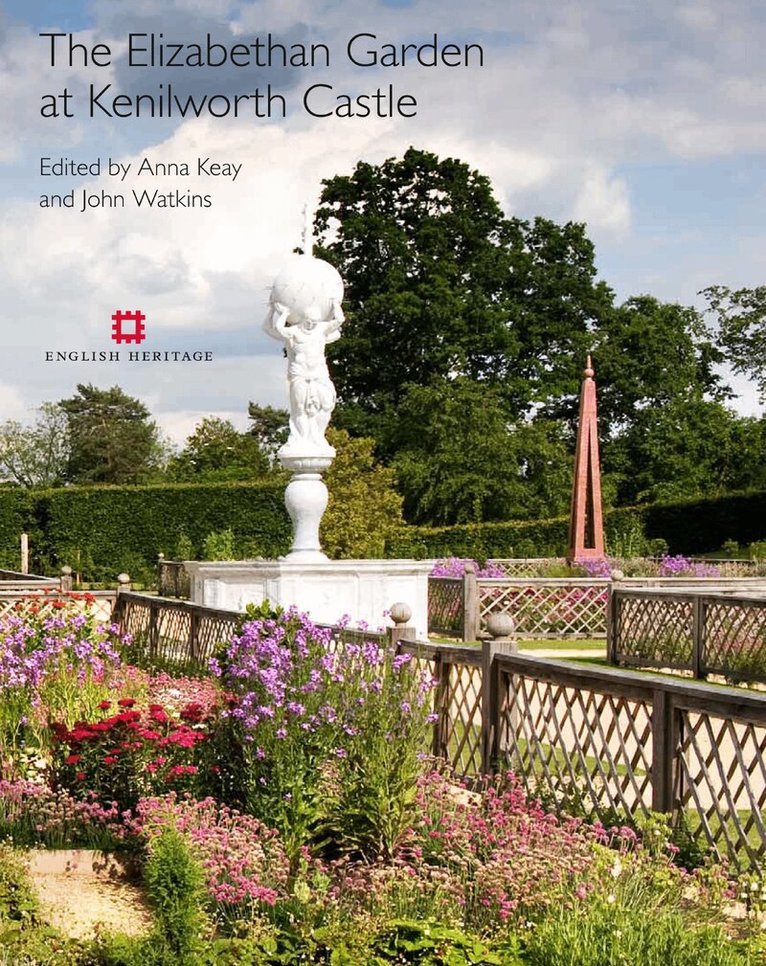
The garden created by Robert Dudley, Earl of Leicester, at Kenilworth Castle in the early 1570s was one of the wonders of Elizabethan England. It is also the best documented of all the great gardens of its age, providing the starting point for English Heritage’s ambitious re-creation in 2009. This beautifully illustrated book presents the extensive research that informed the scheme and describes the process by which the new garden was designed. Seventeen chapters, written by specialists and experts in the field, range widely, covering: the place of Kenilworth in garden history; the Earl of Leicester as a cultural patron and his work at Kenilworth; the results of the excavation of the garden site; detailed consideration of key aspects of the Elizabethan garden, including the fountain and the aviary; and important new work on the early Elizabethan flower garden. The overall philosophy of re-creating the garden and the practical aspects of doing so, are also considered. This book represents a major addition to the study of English garden history.
Inbunden, Engelska, 2013
1 027 kr
Skickas inom 5-8 vardagar
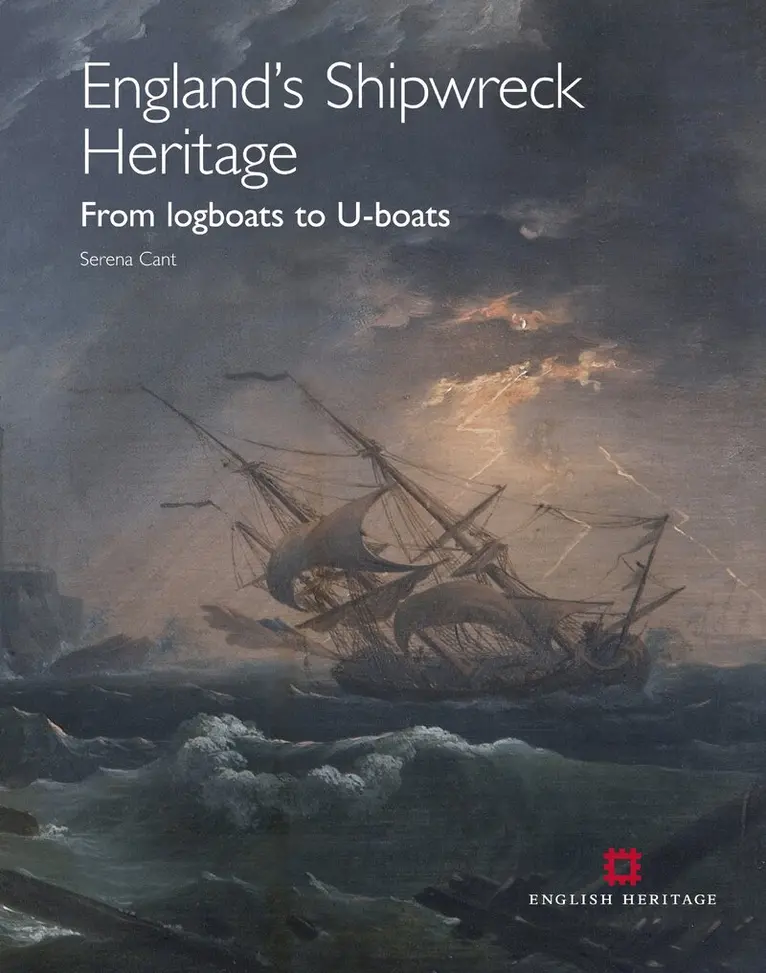
What do characters as diverse as Alfred the Great, the architect Sir Christopher Wren, diarist Samuel Pepys and the Victorian poet Gerard Manley Hopkins have in common? All had some involvement in shipwrecks: in causing, recording or salvaging them. This book examines a variety of wrecks from logboats, Roman galleys and medieval cogs to East Indiamen, grand ocean liners, fishing boats and warships - all are woven into the history of shipwrecks along the coastline of England and in her territorial waters.Wrecks are not just physically embedded in this marine landscape - they are also an intrinsic part of a domestic cultural landscape with links that go beyond the navy, mercantile marine and fishing trade. Evidence of shipwrecks is widespread: in literature, in domestic architecture and as a major component of industrial archaeology. Shipwrecks also transcend national boundaries, forming tangible monuments to the movement of goods and people between nations in war and peace. In peacetime they link the architecture and monuments of different countries, from shipyards to factories, warehouses to processing plants; in time of war wrecks have formed a landscape scattered across the oceans, linking friend and foe in common heritage.England's Shipwreck Heritage explores the type of evidence we have for shipwrecks and their causes, including the often devastating effects fo the natural environment and human-led disaster. Ships at war, global trade and the movement of people - such as passengers, convict transports and the slave trade - are also investigated. Along the way we meet the white elephant who perished in 1730, the medieval merchant who pursued a claim for compensation for nearly 20 years, the most famous privateer for the American revolutionary wars and the men who held their nerve in the minesweeper trawls of the First World War. Highly illustrated and based on extensive new research, this book will appeal to anyone with an interest in England's maritime heritage.
Häftad, Engelska, 2010
230 kr
Skickas inom 5-8 vardagar
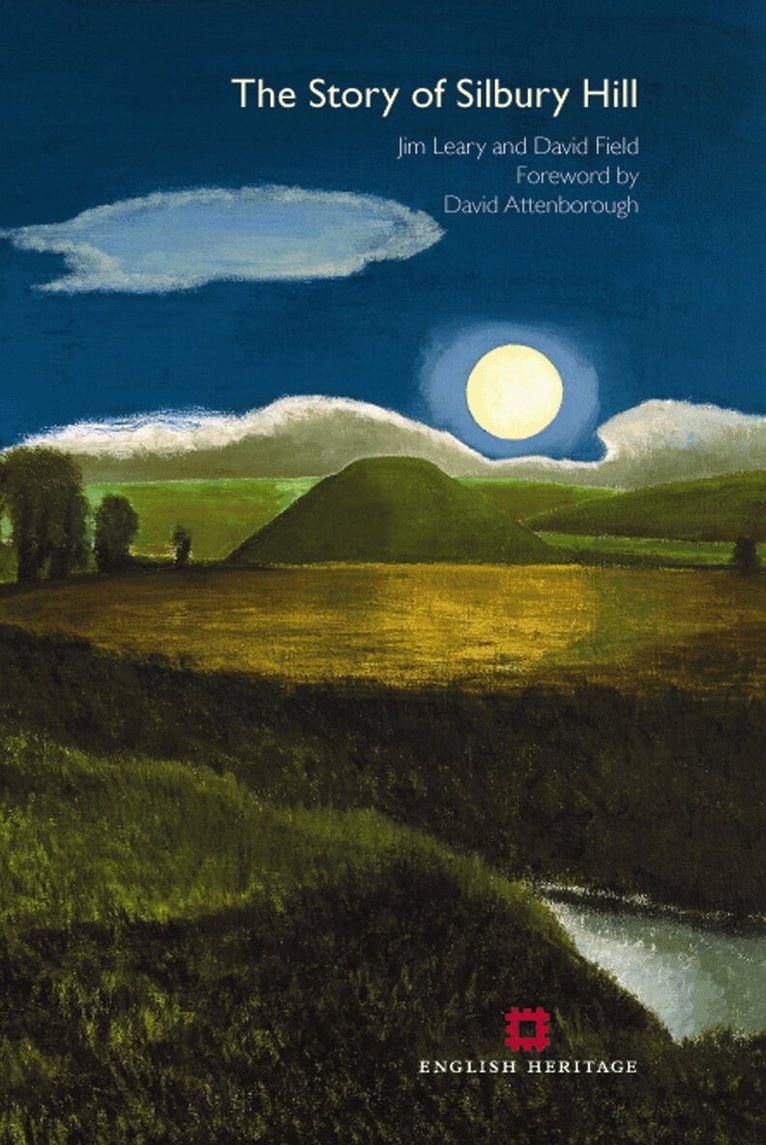
The Story of Silbury Hill sets out the archaeological story of Silbury: from an early recognition of its importance to antiquarian and archaeological investigations of the hill.For the first time, the results of the recent work are set out in detail, describing early activity on the site, the origins of the monument and the construction techniques used. Numerous new and vivid reconstruction drawings present a unique interpretation of this iconic prehistoric monument. The authors propose a new theory of the construction and thus a new way of interpreting Neolithic monuments.
Häftad, Engelska, 2014
1 523 kr
Skickas inom 5-8 vardagar
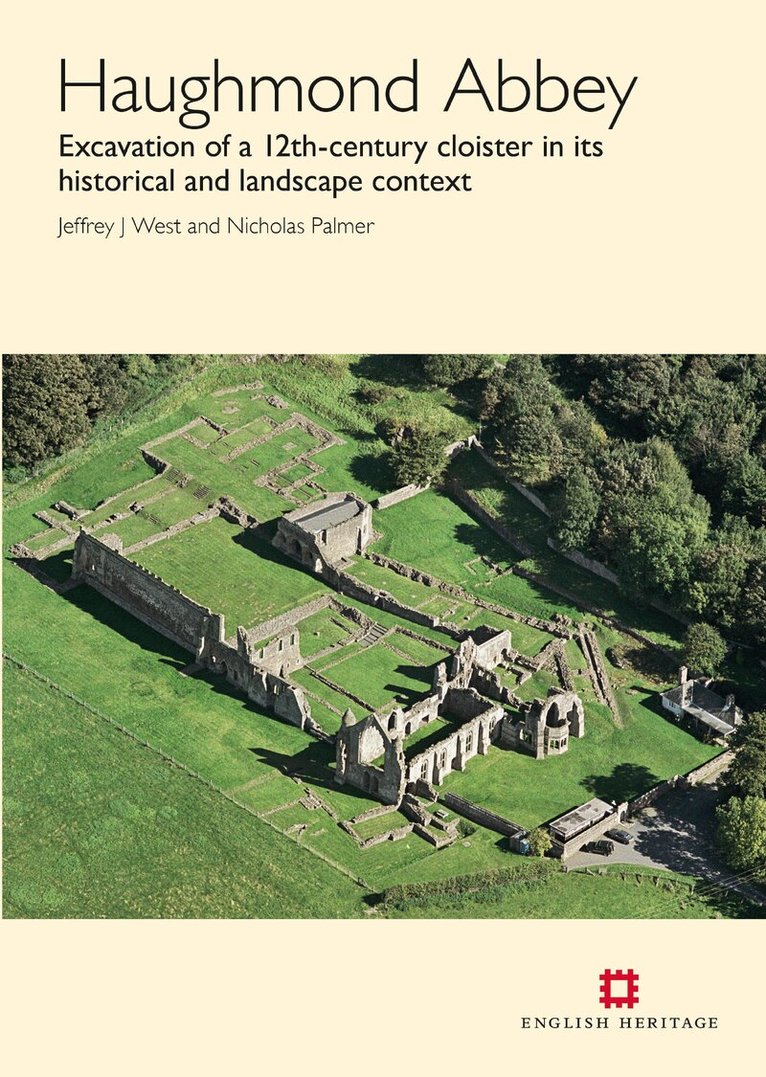
Haughmond Abbey was a prosperous house of Augustinian Canons north-east of Shrewsbury. Today it is an extensive ruin in the guardianship of English Heritage.The work reported on had its origins in excavations carried out in and near the cloister in 1975-79, but the scope has been broadened to place the site in its historical, theological, architectural and landscape context. The finds from the excavations and previous clearance work, including significant groups of Romanesque sculpture, funerary monuments, pottery and floor tiles, are the subject of a full range of specialist reports. There is a comprehensive analysis of the surviving claustral buildings, while a survey of the earthworks surrounding the site has revealed the precinct boundary, water management systems and a series of formal gardens.Different strands of evidence are pulled together to present the development of the site from its origins as a late 11th-century eremetic community, through regularisation under a distinctive version of the Augustinian Rule in the early/mid 12th century, the lavish rebuilding of the church and cloister in the late 12th century, extensions and additions in the 13th and 14th centuries, the use of the cloister for the burial of lay benefactors, remodelling c.1500, subsequent conversion to a country house, decline in status to a farm and the incorporation of the ruins into a late 18th-century landscape park. Among the conclusions is the suggestion that Haughmond makes a plausible context for the composition in the 13th century of Ancrene Wisse and the Katherine Group of writings.
Häftad, Engelska, 2014
334 kr
Skickas inom 5-8 vardagar
The story of hill farming on Exmoor is told here for the first time through archaeological evidence newly revealed after two years of systematic survey work. This compelling narrative of human endeavour against a beguiling, yet harsh landscape takes the reader from the pioneer farmers of the medieval period through to the inexhaustible energy of the Victorian ‘improvers’ who transformed the landscape of Exmoor. The focus of the book is the battle – and it is a battle – to make the wastes and moorland of this upland landscape as productive as possible.Meticulous survey work is presented showing how nearly 700 years of ‘reclamation’ on the royal forest of Exmoor, its surrounding commons and its hill farms, has helped to shape the landscape of Exmoor National Park. This includes recent air photographs, reconstructions, detailed plans and maps.This book will appeal to those who know and love Exmoor; those with an interest in hill farming and how the uplands have been farmed through time; and those who wish to know more about Victorian innovation.
Inbunden, Engelska, 2014
942 kr
Skickas inom 5-8 vardagar
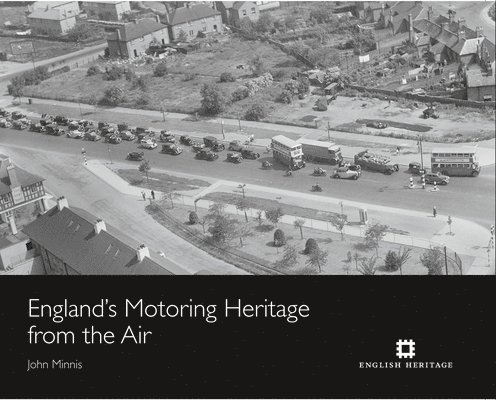
The arrival of aerial photography came at a particularly significant moment in terms of the visual appearance of England. This selection of photographs makes use of the Aerofilms collection, acquired by English Heritage in 2007 and subsequently digitised and made available on the Britain from Above website. When Aerofilms fliers first went up in the skies in 1919, they captured a country that, with the obvious exception of some large scale structures such as aircraft hangers and munitions factories, had more or less been preserved in aspic in 1914. What we are looking at in many of the earliest photographs in this book is essentially Edwardian England, with towns and villages generally quite compact, with fields reaching almost up to the High Streets in many cases, and little sign of the sprawl that was to engulf them in the 1920s and 30s. The streets of many towns, especially the seaside resorts that provided the aerial photographers with many of their earliest subjects, have an orderly, almost pristine appearance to them, with the Victorian and Edwardian houses undisturbed by any out of place redevelopment.The purpose of this book is to show just how radically that position changed over the ensuing half century. We trace the outward expansion of places brought about by the availability of the car: the new suburbs and ribbon development. We see how new arterial roads came into being to meet the needs of motor transport and how the centre of cities start to be rebuilt to accommodate it. We witness the growth of sprawl around road junctions on the edge of built up areas and the arrival of new types of building there to service both cars and people: the filling station, the roadhouse. We see how the car encouraged more people to go further afield for sport and pleasure: to the seaside, the races or to new forms of attractions such as the amusement park in the country. And we see how public transport changes over the period from trams to buses with the advent of new facilities such as bus stations. The scale of traffic congestion becomes apparent by the late 1930s. In addition, the impact on the landscape of large motor factories and provision for motor sport is made clear.
Häftad, Engelska, 2012
379 kr
Skickas inom 5-8 vardagar
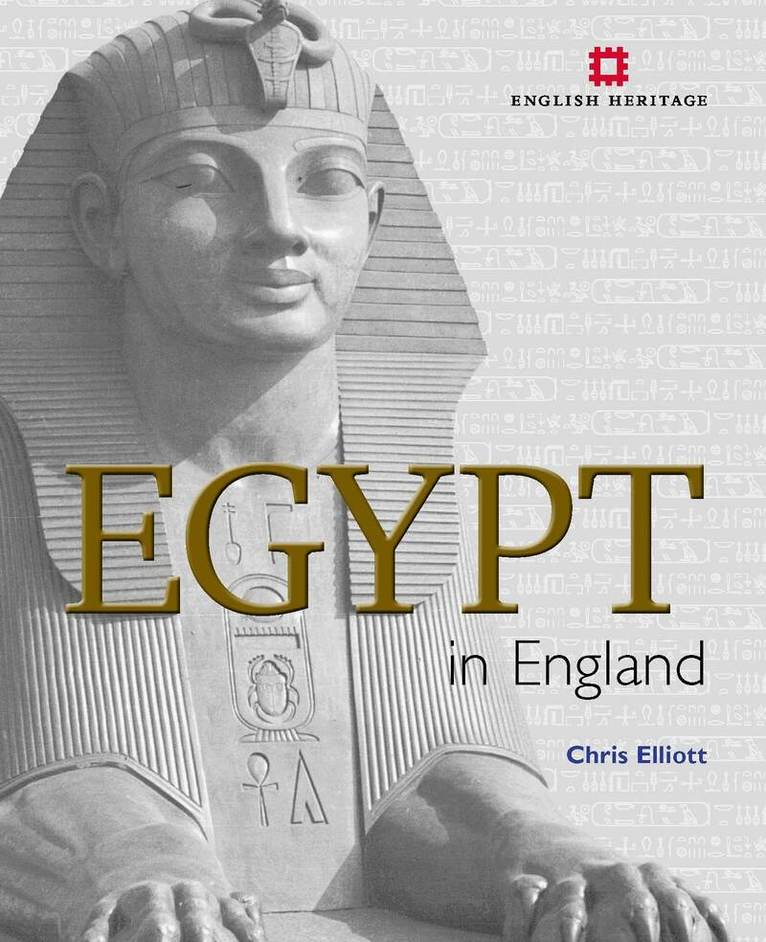
For more than 200 years, and especially since the rediscovery of ancient Egypt by Europe in the 19th century, the exotic Egyptian style in architecture has been a sign of our fascination with a civilisation that has had a long-lasting and deep-seated influence on British culture. From its fashionable success in the Regency period to its varied uses in the 20th century, Egyptian-style architecture has much to say about what ancient Egypt represents to us. Egypt in England is the first detailed guide to the use of the Egyptian style in architecture and interiors in England, and to those that survive, most of which can be seen or visited by the public. Fully illustrated, it combines a series of topic essays giving the architectural and Egyptological background to the use of the style with a guide allowing sites to be located, and explaining what can still be seen. A variety of buildings and monuments – from cinema, supermarket, synagogue and factory, to folly, mill, Masonic temple and mausoleum – are highlighted in the book. For those who don't know their architrave from their entablature, or their Anubis from their Uraeus, there are also glossaries of architectural terms and ancient Egyptian deities. This engaging book is an accessible and practical guide for a general audience, but has enough depth to be useful to scholars in a range of subject areas.
Inbunden, Engelska, 2013
1 027 kr
Skickas inom 5-8 vardagar
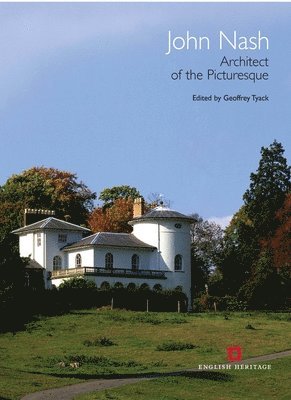
John Nash is universally recognised as one of the most important architects of late eighteenth- and early nineteenth-century Britain. As the man responsible for the creation of Regent Street and Regent’s Park, he left an indelible mark on the West End of London, and his two most famous buildings – the Brighton Pavilion and Buckingham Palace – are crucial to any understanding of the monarchy in the age of the Prince Regent (later George IV). Yet, even before he became involved in these ambitious projects, he made a major contribution to domestic architecture through the design of a series of stylistically varied villas, country houses and cottages in which he applied the doctrines of the Picturesque with an inventiveness and panache that has rarely been surpassed. No complete study of Nash’s work has been published since Sir John Summerson’s, The Life and Work of John Nash, Architect in 1980. Since then, new scholarship has revised some of Summerson’s conclusions and cast new light on several important aspects of Nash’s work. The aim of this book – which originated in a symposium held by the Georgian Group in September 2009 – is to bring together this recent scholarship in a single volume, and so bring this most engaging of architects to a new generation of readers.
Inbunden, Engelska, 2014
997 kr
Skickas inom 5-8 vardagar
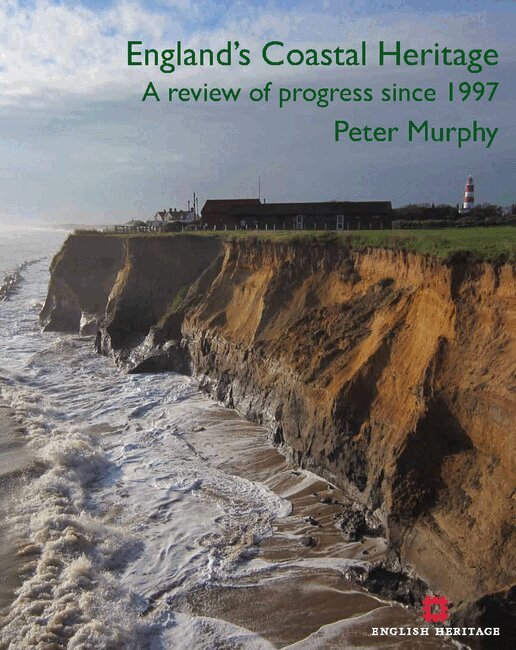
The English Heritage Rapid Coastal Zone Assessment Survey (RCZAS) programme has produced a wealth of new information, with over 45 survey reports now completed. Alongside this, the offshore survey completed as part of the Marine Aggregates Levy Sustainability Fund has increased understanding of early prehistoric coastal change, while other researchers have extended back the time scale for a human presence in England to at least 900,000 years. From a wider Flood and Coastal Erosion Risk Management perspective, there has been increased participation by English Heritage in Defra and Environment Agency initiatives. It is apt, now, to review what has been achieved and learnt from the RCZAS and other recent coastal historic environment studies. The book will include an introduction to the coastal historic environment, a consideration of long-term coastal change, an outline of survey, recording and characterisation methodology, a national review of the coastal historic environment and a separate discussion of regional significance, a set of research priorities for the future, and a final section considering how England’s coastal heritage should be managed in the future. The fact that climate change will impact significantly, and mostly adversely, on the coastal historic environment, gives a special urgency to this new publication.
Häftad, Engelska, 2013
334 kr
Skickas inom 5-8 vardagar
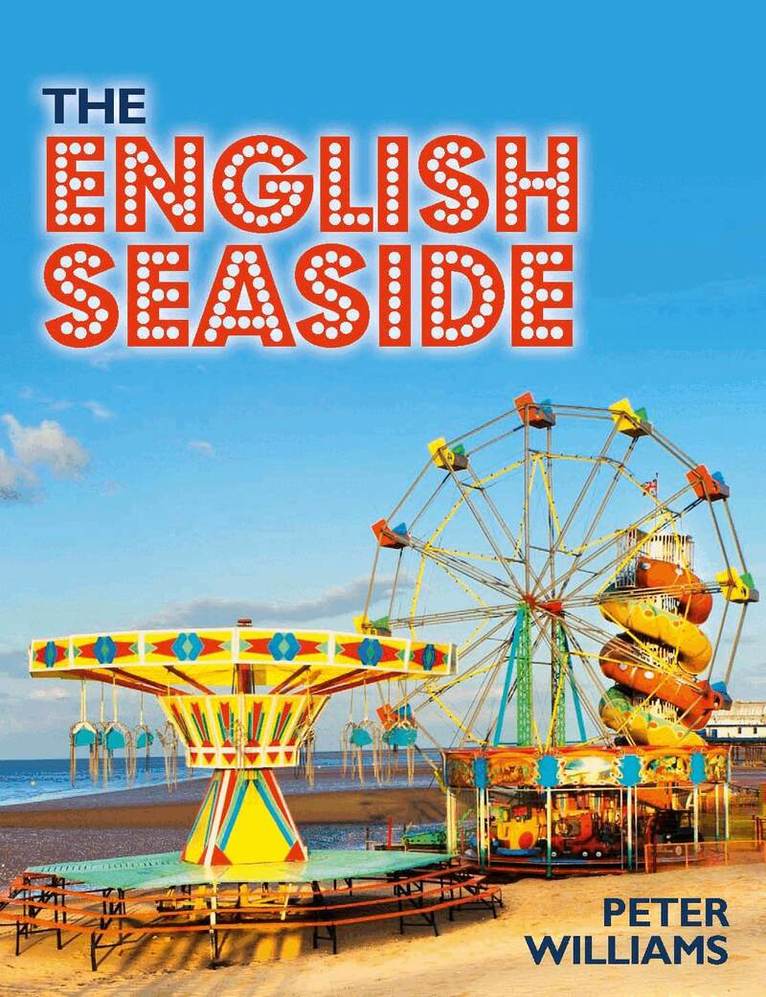
There is a powerful sense of place at the seaside. You know what to expect. Fishing villages usually have a pier, boats, lobster pots, and masses of seagulls while resort towns have esplanades, piers, grand hotels and gardens. Certain seaside towns have just about everything: Weymouth, for example, has a grand parade of hotels, a wide esplanade and a small fishing village. Blackpool has more of everything – three piers, miles of hotels, the Tower, Winter Gardens, trams, illuminations – but no fishing and no castle! There is something about the seaside that brings out the beating heart of John Bull in the English: doggedly erecting our wind-breaks to capture every vestige of a watery sun; wrestling with deckchairs; wrapping up against the determined wind on the verandas of our beach huts; accepting that ‘sand’ in ‘sandwich’ means just that! But we still love it and nowhere else in the world can match its myriad charms and eccentricities. For too long the English seaside has suffered from bad press, accused of being tatty, cold grey and windswept. Peter Williams’ evocative photographs in this fully revised edition of his acclaimed book will make you want to rediscover what a fantastic place the seaside is – full of character, charm and ‘Englishness’.
Häftad, Engelska, 2013
483 kr
Skickas inom 5-8 vardagar
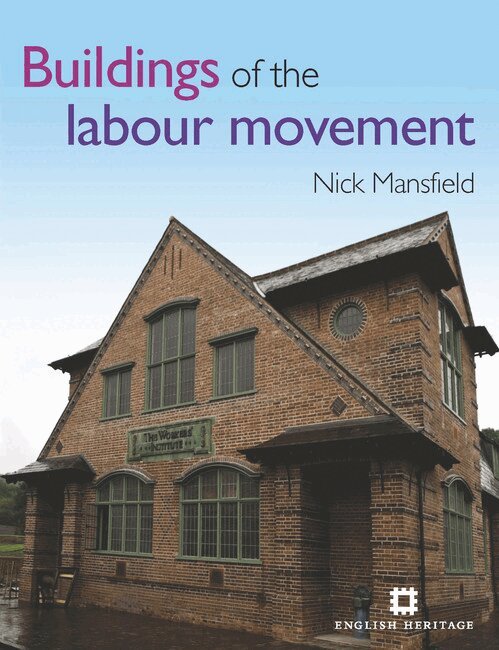
This fascinating survey ranges from the communal buildings of the early 19th-century political radicals, Owenites and Chartists, through Arts and Crafts influenced socialist structures of the late Victorian and Edwardian period to the grand union ‘castles’ of the mid twentieth century. There are also chapters on the ubiquitous co-operative architecture, long forgotten socialist holiday camps, and those memorials associated with the hidden story of radical ex-servicemen and their remembrance of war dead. The countryside is also not forgotten with rural labour buildings, as well as the clubhouses of idealistic socialist cyclists. The book though is not just about bricks and mortar but uncovers the social history of the men and women who worked so hard locally to achieve their goals. Though many buildings have been lost over the years, the book outlines the recent struggle for their preservation and details many which can still be visited.
Inbunden, Engelska, 2014
942 kr
Skickas inom 5-8 vardagar
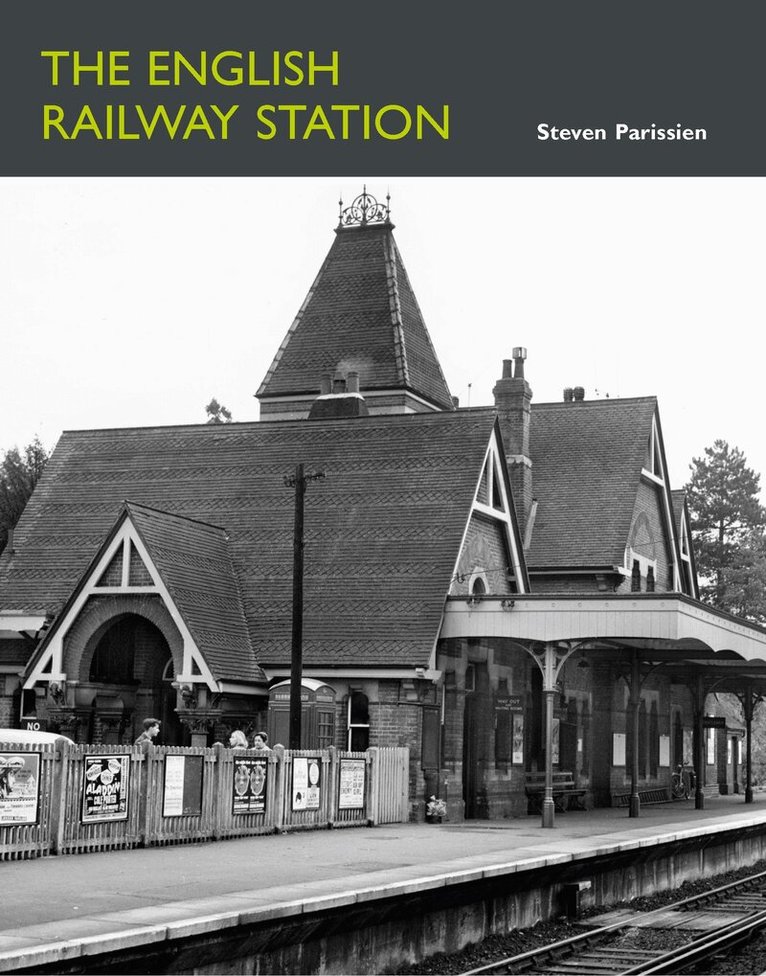
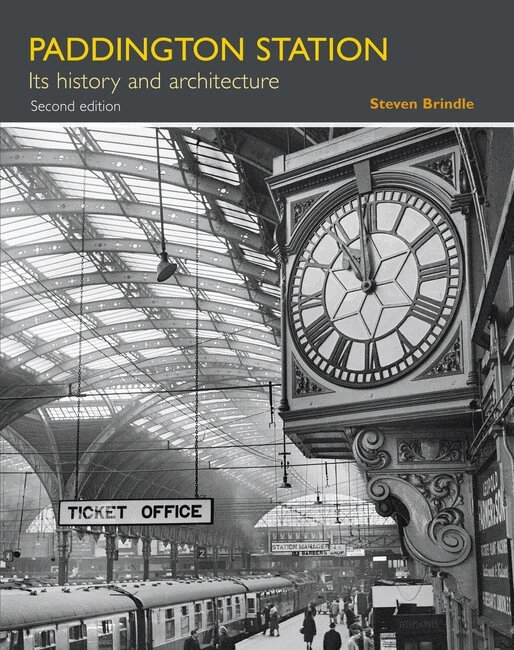
The railway station is one of England’s most distinctive and best-loved building-types. Yet over the past century the nation’s stations have often been overlooked or dismissed, and have suffered accordingly. Today a new interest in railways – fuelled by the need for sustainability, by a growing awareness of the realities of transport economics and by the dedication of enthusiastic volunteers at heritage railways across the country – has sparked a renaissance for the historic railway station and a new appreciation of the aesthetic virtues and regeneration potential of imaginative station architecture. The English Railway Station is an accessible, engaging and comprehensively illustrated general history of the architectural development and social history of the British railway station, from the dawn of the Railway Age to the ravages of the 1960s and the station’s rebirth at the end of the 20th century. It traces how the station evolved into a recognisable building type, examines the great cathedrals and the evocative country stations of the Victorian era, and looks at how the railway station has, over the last fifty years, regained its place at the heart of our communities.
Häftad, Engelska, 2014
409 kr
Skickas inom 5-8 vardagar
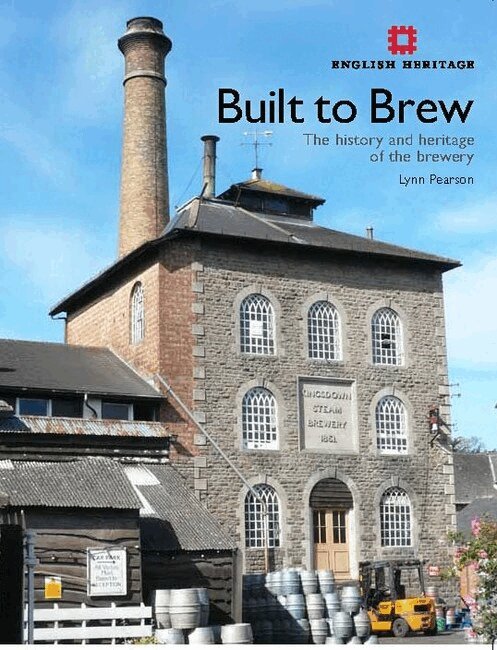
Beer has been brewed in England since Neolithic times, and this book combines a thoroughly enjoyable exploration of beer’s history and built heritage with new in-depth research into the nuts and bolts of its production. Based around England’s breweries, but occasionally ranging further afield, it tells the intriguing story of the growth of this significant industry. From Georgian brewing magnates who became household names – and their brewhouses notable tourist attractions – through magnificently ornate Victorian towers to the contemporary resurgence of microbreweries, the text throws new light on brewers and the distinctive architecture of their buildings. Detailed chapters explain what makes a brewery work, revealing the functions of sometimes enormous brewing vessels, the astonishing skills of coppersmiths and engineers, the work of heroic mill horses and the innovative steam engines which replaced them. The wider context of the brewing industry is also investigated, bringing out the breadth of the ‘beerscape’, including those buildings put up with brewing profits such as the original Shakespeare Memorial Theatre in Stratford-upon-Avon. A brewery index allows readers to find which sites are extant and can still be visited. Traditional working breweries are to be treasured and celebrated, but complementing these, the book looks to the future, considering constructive redevelopment as part of our national brewing heritage. This fascinating and lavishly illustrated work shows how deeply interwoven beer and brewing are within English culture. If you care about beer, industry or England, this book is for you. Winner of the 2015 Association for Industrial Archaeology's Peter Neaverson Award for Outstanding Scholarship in Industrial Archaeology.
Inbunden, Engelska, 2014
602 kr
Skickas inom 5-8 vardagar
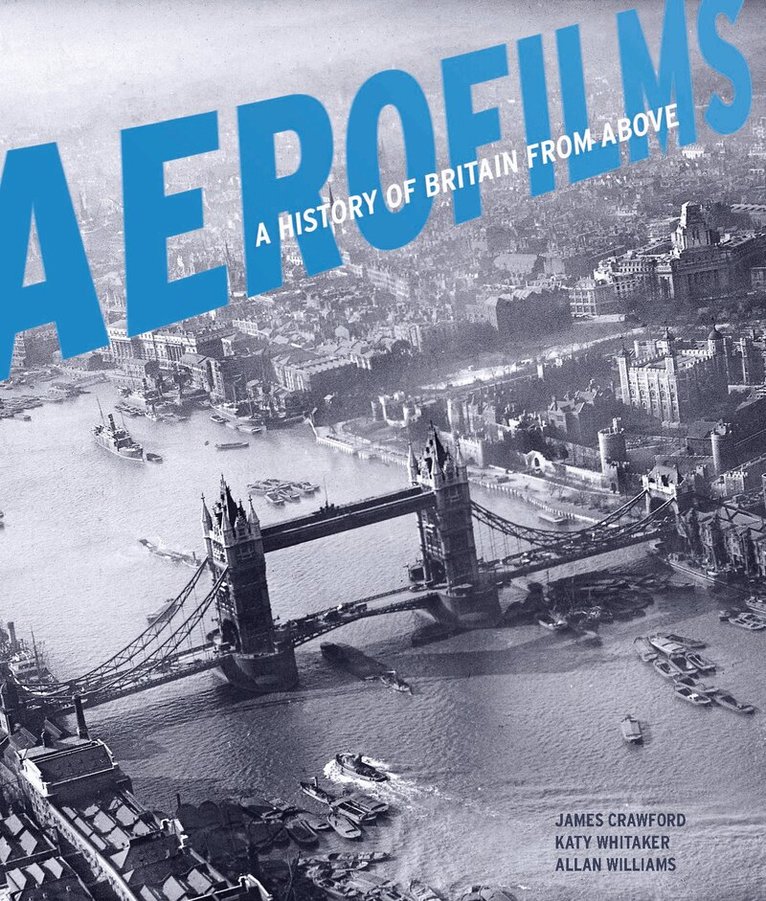
Aerofilms Ltd was born on 9 May 1919. An unprecedented business venture, it hoped to marry the still fledgling technology of powered flight to the discipline of photography. Its founders were Claude Grahame-White, an internationally-famous English aviation pioneer, and Francis Lewis Wills, a trained architect who had flown as an observer for the Royal Naval Air Service during the First World War. Together they embarked on a distinctively British tale of derring-do. From developing photographic glass plates in a hotel bathroom at the London Flying Club in Hendon, to producing many thousands of aerial images every year, they took a tool which had first been used for military intelligence, and repackaged it for the mass market. As a result, Aerofilms lived through and recorded one of the most tumultuous periods in British history. After surviving the worldwide economic crash of the Great Depression in the 1930s, and serving their country at the request of Winston Churchill during the Second World War, they were still on hand to help shape the Britain of the future, capturing the major reconstruction projects of the 1940s and 50s. Aerofilms: A History of Britain From Above draws on thousands of images, including many that are rare or previously unseen, to present a vivid picture of the nation in the first half of the twentieth century. Following the company’s enigmatic founders, daredevil pilots, skilled photographers and innovative advertisers, it explores how they manufactured and sold a potent sense of place and identity to the British people. The story of Aerofilms – the men and women behind the company and the photographs that they produced – is a story of innovation, entrepreneurial spirit, war, marketing and the making of ‘Brand Britain’.
Häftad, Engelska, 2014
409 kr
Skickas inom 5-8 vardagar
The history of London’s West End cinemas dates back more than one hundred years. This book details all of them, in chronological order, totalling well over one hundred. The best of the West End’s cinemas were outfitted to a very high standard to match their role as showcases for new films, hosting press shows and premieres, as well as a being a magnet for film enthusiasts anxious to see films on exclusive premiere runs. Even now, when films are available everywhere at the same time, the West End’s cinemas are a vibrant attraction to visitors from all over the world as well as for Londoners having a night on the town. The oldest survivor is the Cineworld Haymarket, dating back to 1928 as a cinema. Other famous cinemas with a long history include the landmark Odeon Leicester Square and nearby Odeon West End as well as the Curzons in Mayfair and Soho, both replacing earlier picture houses. Many cinemas survive in other uses, such as the Rialto as a casino and the New Victoria as the Apollo Victoria live theatre. But here also are dozen of long vanished cinemas, some lasting only a few years and forgotten, others like the original Empire (1928 to 1961) – the largest cinema ever built in the West End – still living on in fond memory. There are interior views as well as exteriors of most of the cinemas, and over 50 illustrations are in full colour. This is a valuable and comprehensive addition to the history of the West End that will appeal to cinema enthusiasts as well as social historians and students of London and of architecture and design.
Häftad, Engelska, 2014
185 kr
Skickas inom 5-8 vardagar
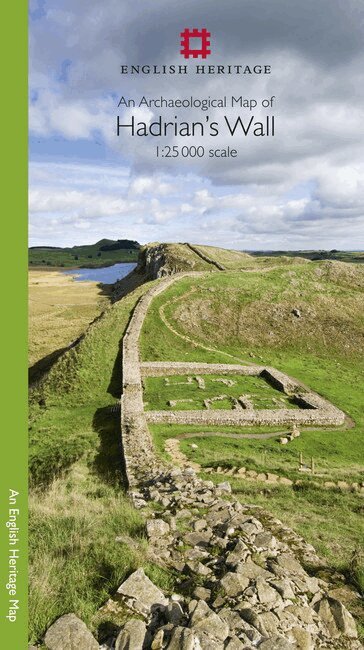
Please note: This product is a map. It was more than just a wall: it was a whole military zone designed to control movement across the northern frontier of the Roman province of Britannia. Great earthwork barriers survive, along with the remains of forts and temporary camps; watch-towers and fortified gates; civilian settlements, temples, cemeteries, bath-houses, roads and bridges. Stretching across the spine of England from the North-East coast to the Irish Sea, the line of the frontier extends for over 100 miles through every type of landscape: from the streets of urban Tyneside, through arable fields; along the crags of the wild Whin Sill; to the sands of the Solway, and down the coast of Cumbria. Drawing upon the extensive expertise and unrivalled archives of English Heritage, and those of its partners, this map depicts the fruits of modern archaeological research: in field survey, geophysics, excavation, and the analysis of aerial photographs. Using Ordnance Survey 1:25,000 data - the ideal scale for walkers - this revised new map shows with great clarity all the elements of Hadrian’s Wall, and distinguishes between those features that are visible and those that have been levelled through time. A brief text explains the remains on the ground, and how to use the map to find them – including the museums and the best places to visit. This World Heritage Site is now more accessible than ever before, so see the landscape through new eyes.
Häftad, Engelska, 2014
345 kr
Skickas inom 5-8 vardagar
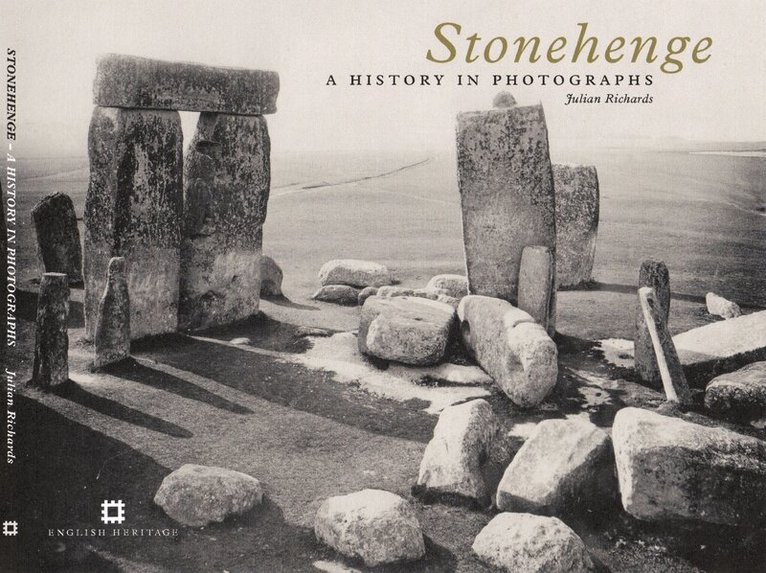
Stonehenge is the world's most famous pre-historic monument and, since the middle of the 19th century, probably the most photographed. Using images from English Heritage's unique photographic archive (formerly known as the National Monuments Record), Stonehenge: A History in Photographs charts the last 150 years in the life of this extraordinary and iconic site. These largely unseen images touch on various moments in Stonehenge's history, from the leisurely tourism in the last years of Victoria's reign to the monument of today, a site visited each year by more than one million people from all over the world. This book is a celebration of Stonehenge, in fascinating and often very human images. The text is written by archaeologist and television presenter Julian Richards, someone with a genuine love of Stonehenge. This is a book for all who share a fascination with this magical monument.
Häftad, Engelska, 2004
483 kr
Skickas inom 5-8 vardagar
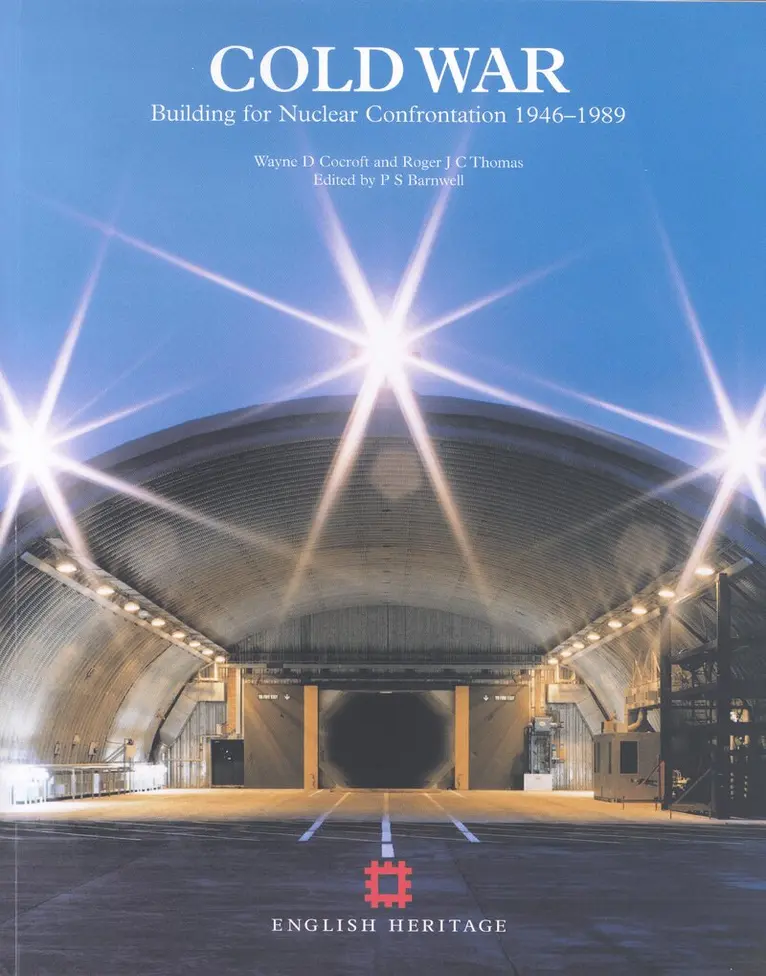
The historical and cultural aspects of the Cold War have been much studied, yet its physical manifestations in England – its buildings and structures – have remained largely unknown. To the great landscape historian WG Hoskins writing in the 1950’s they were profoundly alien: “England of the … electric fence, of the high barbed wire around some unmentionable devilment…. Barbaric England of the scientists, the military men, and the politicians”. Now these survivors of the Cold War are, in their turn, disappearing fast, like medieval monasteries and bastioned forts before them – only with more limited scope for regeneration and reuse. This book is the first to look at these monuments to the Cold War. It is heavily illustrated with photographs of the sites as they survive today, archive photographs (many previously unpublished), modern and historic air photographs, site and building plans, and specially commissioned interpretative drawings. It also endeavours look at the installations within the military and political context of what was one of the defining phenomena of the late 20th century.
Häftad, Engelska, 2026
184 kr
Skickas
Pests can be damaging, annoying or even dangerous, causing untold damage to treasured possessions and even the structure of buildings themselves. This English Heritage guide focuses on these destructive pests and includes:- Clear photography to aid identification of pest species- Practical pest management strategies- A cutaway drawing of an infested house to locate pest trouble spots- Information about new pest species found in the UK- Case studies from various English Heritage properties- An action checklistWritten by leading heritage experts in clear, accessible language with helpful illustrations, this book provides a concise but comprehensive guide to the key pest species that commonly cause damage when they infest houses and collections. It provides solutions for dealing with them and – crucially - shows you how to stop the pests returning. The handbook includes: clothes and house moths, carpet beetles, wood-boring insects, other damp-loving pests, detritus feeders and scavengers, new and other invertebrate invaders, flies, rodents and birds.
Häftad, Engelska, 2024
237 kr
Skickas inom 3-6 vardagar
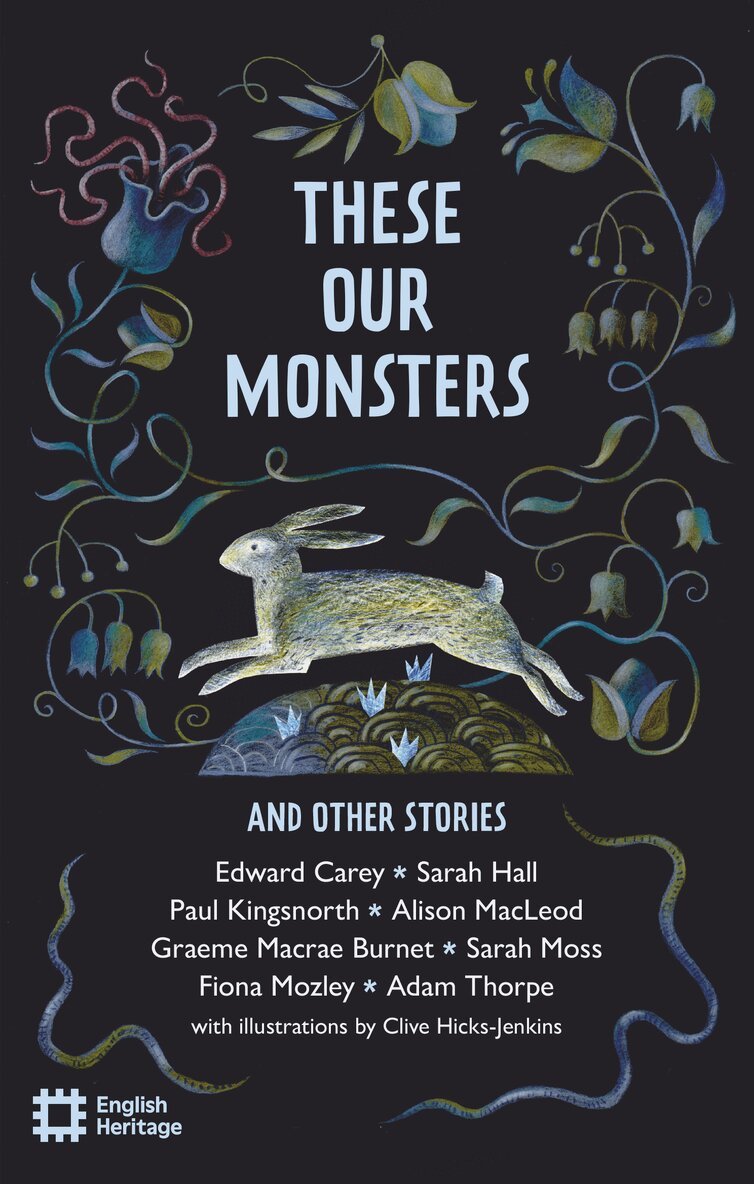
From the legends of King Arthur embedded in the rocky splendour of Tintagel to the folklore and mysticism of Stonehenge, English Heritage sites are often closely linked to native English myths. Following on from the bestselling ghost story anthology Eight Ghosts, this new collection of stories inspired by the legends and tales that swirl through the history of eight ancient historical sites.Including an essay by James Kidd on the importance of myth to our landscape and our fiction, and an English Heritage survey of sites and associated legends, These Our Monsters is an evocative collection that brings new voices and fresh creative alchemy to our story-telling heritage.Author and atmospheric locations include:Edward Carey - Bury St Edmunds AbbeySarah Hall - Castlerigg and other stone circlesPaul Kingsnorth - StonehengeAlison MacLeod - Down HouseGraeme Macrae Burnet - Whitby AbbeySarah Moss - Berwick CastleFiona Mozley - Carlisle CastleAdam Thorpe - Tintagel CastleWith original black-and-white illustrations by Clive Hicks-Jenkins