Forensic Science in Focus - Böcker
Visar alla böcker i serien Forensic Science in Focus. Handla med fri frakt och snabb leverans.
13 produkter
13 produkter
970 kr
Tillfälligt slut
The Global Practice of Forensic Science presents histories, issues, patterns, and diversity in the applications of international forensic science. Written by 64 experienced and internationally recognized forensic scientists, the volume documents the practice of forensic science in 28 countries from Africa, the Americas, Asia, Australia and Europe. Each country’s chapter explores factors of political history, academic linkages, the influence of individual cases, facility development, types of cases examined, integration within forensic science, recruitment, training, funding, certification, accreditation, quality control, technology, disaster preparedness, legal issues, research and future directions. Aimed at all scholars interested in international forensic science, the volume provides detail on the diverse fields within forensic science and their applications around the world.
940 kr
Skickas inom 7-10 vardagar
Forensic Chemistry: Fundamentals and Applications presents a new approach to the study of applications of chemistry to forensic science. It is edited by one of the leading forensic scientists with each chapter written by international experts specializing in their respective fields, and presents the applications of chemistry, especially analytical chemistry, to various topics that make up the forensic scientists toolkit.This comprehensive, textbook includes in-depth coverage of the major topics in forensic chemistry including: illicit drugs, fibers, fire and explosive residues, soils, glass and paints, the chemistry of fingerprint recovery on porous surfaces, the chemistry of firearms analysis, as well as two chapters on the key tools of forensic science, microscopy and chemometrics. Each topic is explored at an advanced college level, with an emphasis, throughout the text, on the use of chemical tools in evidence analysis.Forensic Chemistry: Fundamentals and Applications is essential reading for advanced students of forensic science and analytical chemistry, as well as forensic science practitioners, researchers and faculty, and anyone who wants to learn about the fascinating subject of forensic chemistry in some depth.This book is published as part of the AAFS series 'Forensic Science in Focus'.
1 371 kr
Skickas inom 7-10 vardagar
Forensic Microbiology focuses on newly emerging areas of microbiology relevant to medicolegal and criminal investigations: postmortem changes, establishing cause of death, estimating postmortem interval, and trace evidence analysis. Recent developments in sequencing technology allow researchers, and potentially practitioners, to examine microbial communities at unprecedented resolution and in multidisciplinary contexts. This detailed study of microbes facilitates the development of new forensic tools that use the structure and function of microbial communities as physical evidence. Chapters cover: Experiment designData analysisSample preservationThe influence of microbes on results from autopsy, toxicology, and histologyDecomposition ecologyTrace evidenceThis diverse, rapidly evolving field of study has the potential to provide high quality microbial evidence which can be replicated across laboratories, providing spatial and temporal evidence which could be crucial in a broad range of investigative contexts. This book is intended as a resource for students, microbiologists, investigators, pathologists, and other forensic science professionals.
1 567 kr
Skickas inom 7-10 vardagar
Provides comprehensive coverage of everything that students and practitioners need to know about working in the field of forensic anthropologyForensic anthropology has been plagued by questions of scientific validity and rigor despite its acceptance as a section in the American Academy of Forensic Sciences nearly half a century ago. Critics have viewed it as a laboratory-based applied subfield of biological anthropology, and characterised it as emphasising methodology over theory. This book shows that these views are not only antiquated, but inadequate and inaccurate.Forensic Anthropology: Theoretical Framework and Scientific Basis introduces readers to all of the theoretical and scientific foundations of forensic anthropology — beginning with how it was influenced by the early theoretical approaches of Tyler, Morgan, Spencer and Darwin. It instructs on how modern forensic science relies on an interdisciplinary approach — with research being conducted in the fields of archaeology, physics, geology and other disciplines. This modern approach to theory in forensic anthropology is presented through the introduction and discussion of Foundational, Interpretive and Methodological theories. Sections cover: Bias and Objectivity in Forensic Anthropology Theory and Practice; The Theory and Science Behind Biological Profile and Personal Identification; Scientific Foundation for Interpretations of Antemortem, Perimortem, and Postmortem Processes; and Interdisciplinary Influences, Legal Ramifications and Future Directions. Illustrates important aspects of the theory building process and reflects methods for strengthening the scientific framework of forensic anthropology as a disciplineInspired by the “Application of Theory to Forensic Anthropology” symposium presented at the 67th annual meeting of the American Academy of Forensic SciencesChapters written by experts in the field who were presenters at the symposiumForensic Anthropology: Theoretical Framework and Scientific Basis is ideal for university courses in anthropological science, forensic science, criminal science and forensic archaeology.
1 343 kr
Skickas inom 3-6 vardagar
Offers a diverse, interdisciplinary, and eye-opening view of the future direction of forensic science This one-of-a-kind book is a collection of content from the Past and Current Presidents of the American Academy of Forensic Sciences—providing readers with all of their forensic science experience, knowledge, insight, and wisdom. It envisions where forensic science will be a decade from now and the impact of these emerging advances on the law (along with our place in it), emphasizing theoretical advances, innovative leads from the laboratory, and emerging technologies.Filled with information from some of the greatest forensic minds of their generation, The Future of Forensic Science covers all of the eleven sections that comprise the AAFS. It discusses new directions in forensic anthropology, and looks at the future of such disciplines as criminalistics, forensic engineering science, forensic psychiatry and behavioral science, forensic toxicology, and forensic document examination. It also touches on the current and future state of digital and multimedia sciences. Contains contributions from an eminent group of forensic science expertsPresents a valuable repository of forensic science experience, knowledge, insight, and wisdomOffers an insightful interdisciplinary look at the future of forensic science and how it is changing forensic science for the betterTimed to coincide with the NIST forensic science initiative and the OSAC process The Future of Forensic Science is a must-have book for practicing forensic science professionals, academics, and advanced undergraduate and graduate students in forensic science. This book is published as part of the AAFS series ‘Forensic Science in Focus’.
1 072 kr
Skickas inom 7-10 vardagar
A guide to the interface between forensic anthropology and the United States legal systemDesigned for forensic anthropologists at all levels of expertise, Forensic Anthropology and the United States Judicial System offers a comprehensive examination of how to effectively present osteological analyses, research and interpretations in the courtroom. Written by noted experts, the book contains an historical perspective of the topic, a review of current legislation that affects expert testimony as well as vital information on courtroom procedure and judicial expectation of experts. A comprehensive book, Forensic Anthropology and the United States Judicial System explains how to prepare case reports and offers suggestions for getting ready for pre-trial interviews. The book also includes detailed information on affidavits, fee structures and dealing with opposing experts. This book is part of the popular Wiley – American Association for Forensic Sciences series and: Offers a unique volume that addresses the interface between forensic anthropology and the legal systemContains detailed guidelines for expert testimony by forensic anthropologists with all levels of experience, from beginner to expertIncludes information from the perspective of the Judiciary in terms of process and expectations of the CourtShows how to maintain independence from, and collaborate with other expertsPresents detailed explanations of current legislation impacting forensic scienceForensic Anthropology and the United States Judicial System is an information-filled guide for practitioners of the rapidly growing field that integrates forensic sciences and the judicial system.
Forensic Science and Humanitarian Action, 2 Volume Set
Interacting with the Dead and the Living
Inbunden, Engelska, 2020
2 500 kr
Skickas inom 11-20 vardagar
Widens traditional concepts of forensic science to include humanitarian, social, and cultural aspectsUsing the preservation of the dignity of the deceased as its foundation, Forensic Science and Humanitarian Action: Interacting with the Dead and the Living is a unique examination of the applications of humanitarian forensic science. Spanning two comprehensive volumes, the text is sufficiently detailed for forensic practitioners, yet accessible enough for non-specialists, and discusses both the latest technologies and real-world interactions. Arranged into five sections, this book addresses the ‘management of the dead’ across five major areas in humanitarian forensic science. Volume One presents the first three of these areas: History, Theory, Practice, and Legal Foundation; Basic Forensic Information to Trace Missing Persons; and Stable Isotopes Forensics. Topics covered include: Protection of The Missing and the Dead Under International LawSocial, Cultural and Religious Factors in Humanitarian Forensic SciencePosthumous Dignity and the Importance in Returning Remains of the DeceasedThe New Disappeared – Migration and Forensic ScienceStable Isotope Analysis in Forensic AnthropologyVolume Two covers two further areas of interest: DNA Analysis and the Forensic Identification Process. It concludes with a comprehensive set of case studies focused on identifying the deceased, and finding missing persons from around the globe, including: Forensic Human Identification from an Australian PerspectiveSkeletal Remains and Identification Processing at the FBIMigrant Deaths along the Texas/Mexico BorderHumanitarian Work in Cyprus by The Committee on Missing Persons (CMP)Volcán De Fuego Eruption – Natural Disaster Response from GuatemalaDrawing upon a wide range of contributions from respected academics working in the field, Forensic Science and Humanitarian Action is a unique reference for forensic practitioners, communities of humanitarian workers, human rights defenders, and government and non-governmental officials.
1 471 kr
Skickas inom 7-10 vardagar
A comprehensive examination of all critical aspects of Disaster Victim Identification (DVI) As the frequency of both natural and man-made mass fatality disasters increases worldwide, the establishment of clear standards and best practices within the field of Disaster Victim identification (DVI) is of vital importance. Whereas most countries assign jurisdiction to law enforcement agencies following Interpol guidelines, DVI is the responsibility of the medical examiner and coroner in the United States. Disaster Victim Identification in the 21st Century is the first book of its kind to directly address the needs of DVI practitioners in the United States, covering the full spectrum of DVI from traditional methods such as fingerprints, odontology, and anthropology to advanced DNA identification technology. Approaching DVI from three perspectives—academic, government, and private industry—this comprehensive volume examines the history and current state of the discipline, the ongoing formation of national standards, the various methods of human identification, and the key challenges and future of DVI. In-depth chapters are written by leaders in the field with personal experience in human identification and mass fatality events. Provides practitioners with practical guidance on planning and taking part in DVI based on current national standards and best practicesDiscusses continued improvement in both traditional and emerging DVI methodsIncludes non-region-specific case studies and recommendations that can be easily adapted for international useExamines ethical and legal considerations in DVI, including suggestions for standardizing the victim identification processDescribes the critical role of the Victim Information Center (VIC) in providing the comparative information required to go beyond presumptive identificationsPart of the American Association for Forensic Sciences (AAFS) series, Disaster Victim Identification in the 21st Century: A US Perspective is an indispensable resource for forensic scientists, disaster planners, policymakers, medical examiners and coroners, law enforcement and emergency personnel, and upper-level undergraduate and graduate students in forensic sciences and emergency management.
1 845 kr
Skickas inom 7-10 vardagar
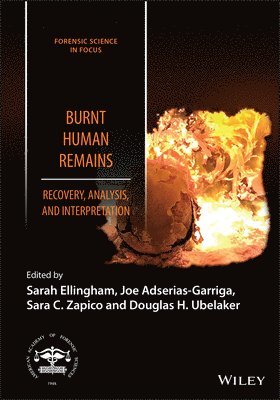
BURNT HUMAN REMAINS An all-encompassing reference and guide designed for professionals involved in the forensic analysis of burnt remains Burnt Human Remains: Recovery, Analysis and Interpretation presents an in-depth multidisciplinary approach to the detection, recovery, analysis, and identification of thermally altered remains. Bridging the gap between research and practice, this invaluable one-stop reference provides detailed coverage of analytical techniques in forensic medicine and pathology, forensic anthropology, forensic odontology, and forensic chemistry and forensic biology. Contributions from a panel of expert authors review the newest findings in forensics research and discuss their applicability to forensic case work. Opening with a historical overview of the discipline, the book covers the search and recovery aspects of burnt human remains, medico-legal investigations, determination of the post mortem interval of burnt remains, structural changes of burnt bone and teeth, DNA extraction from burnt remains, and much more. Throughout the text, the authors emphasize the importance of understanding the changes undergone by bodies when subjected to fire for establishing identity, reconstructing the events leading up to incineration, and determining the cause and manner of death. Provides a systemic framework that integrates established forensic methods and state-of-the-art analytical approachesDescribes different forensic analyses from the macroscopical, microscopical, biochemical, and molecular levelFeatures international case studies of challenging individual cases as well as natural or man-made mass fatalities requiring the identification of incinerated remains Demonstrates how changes to the macro- and microstructure of burnt remains can reveal information about incineration conditionsDiscusses organizations and programs focused on developing standards and best practice for the recovery and analysis burnt remainsBurnt Human Remains: Recovery, Analysis and Interpretation is an indispensable resource for all practitioners engaged in the interpretation of burned human tissue, including pathologists, forensic chemists, forensic biologists, forensic anthropologists, forensic odontologists, and archaeologists.
Anthropology of Violent Death
Theoretical Foundations for Forensic Humanitarian Action
Inbunden, Engelska, 2023
1 551 kr
Skickas inom 7-10 vardagar
The first book to specifically focus on the theoretical foundations of humanitarian forensic scienceAnthropology of Violent Death: Theoretical Foundations for Forensic Humanitarian Action consolidates the concepts and theories that are central to securing the posthumous dignity of the deceased, respecting their memories, and addressing the needs of the surviving populations affected. Focusing on the social and cultural significance of the deceased, this much-needed volume develops a theoretical framework that extends the role of humanitarian workers and specifically the actions of forensic scientists beyond an exclusively legal and technical approach.Anthropology of Violent Death is designed to inspire and alerts the scientific community, authorities, and the justice systems to think and take actions to avoid the moral injury in society and cultures due to grave disrespect against humanity, its memories and reconciliation. Humanitarian forensic science faces the role of mediator between the deceased and those who are still alive to guarantee the respect and dignity of humanity. Contributions from renowned experts address post-mortem dignity, cultural perceptions of violent death and various mortuary sites, the forms and critical effects of the so-called forensic turn and humanitarian action, the treatment of violent death in post-conflict societies, respect for the dead under International Humanitarian Law (IHL) and Islamic law, the ethical management of the death of migrants, and much more. In an increasingly violent world, this volume, develops a theoretical component for death management in scenarios where humanitarian action is requiredFacilities better understanding between the social sciences, the forensic sciences, and justice systems in situations involving violent deathDiscusses the latest theories from leading scholars and practitioners to enhance the activities of forensic scientists and authorities who have the difficult responsibility of making decisionsIt provides a better understanding of the humanitarian and cultural dilemmas in the face of violent death episodes, and the unresolved needs of the dignity of the deceased during armed conflicts, disasters, migration crises, including everyday homicidesAnthropology of Violent Death: Theoretical Foundations for Forensic Humanitarian Action is an indispensable resource for forensic scientists, humanitarian workers, human rights defenders, and government and non-governmental officials.
932 kr
Skickas inom 7-10 vardagar
ARTIFICIAL INTELLIGENCE (AI) IN FORENSIC SCIENCES Foundational text for teaching and learning within the field of Artificial Intelligence (AI) as it applies to forensic science Artificial Intelligence (AI) in Forensic Sciences presents an overview of the state-of-the-art applications of Artificial Intelligence within Forensic Science, covering issues with validation and new crimes that use AI; issues with triage, preselection, identification, argumentation and explain ability; demonstrating uses of AI in forensic science; and providing discussions on bias when using AI. The text discusses the challenges for the legal presentation of AI data and interpretation and offers solutions to this problem while addressing broader practical and emerging issues in a growing area of interest in forensics. It builds on key developing areas of focus in academic and government research, providing an authoritative and well-researched perspective. Compiled by two highly qualified editors with significant experience in the field, and part of the Wiley — AAFS series ‘Forensic Science in Focus’, Artificial Intelligence (AI) in Forensic Sciences includes information on: Cyber IoT, fundamentals on AI in forensic science, speaker and facial comparison, and deepfake detectionDigital-based evidence creation, 3D and AI, interoperability of standards, and forensic audio and speech analysisText analysis, video and multimedia analytics, reliability, privacy, network forensics, intelligence operations, argumentation support in court, and case applicationsIdentification of genetic markers, current state and federal legislation with regards to AI, and forensics and fingerprint analysisProviding comprehensive coverage of the subject, Artificial Intelligence (AI) in Forensic Sciences is an essential advanced text for final year undergraduates and master’s students in forensic science, as well as universities teaching forensics (police, IT security, digital science and engineering), forensic product vendors and governmental and cyber security agencies.
Forensic Skeletal Trauma
Scientific Foundation and Guide to Professional Practice
Inbunden, Engelska, 2026
1 625 kr
Kommande
Forensic Skeletal Trauma provides forensic practitioners with an illustrated manual for accurate and appropriate analyses of human skeletal trauma. Based on current anthropological, biomedical, and biomechanical research as well as recent national standards for trauma analysis developed by the American Academy of Forensic Sciences’ Academy Standards Board (ASB) and NIST’s Organization of Scientific Area Committees (OSAC), it provides practitioners with practical guidelines for documenting, describing, interpreting, and reporting both antemortem and acute (“perimortem”) skeletal trauma in a forensic anthropological and/or biomedical context. Summaries of the most current trauma research, supported by macro, micro, radiological, and other images, will provide practitioners with a definitive reference for differentiating trauma from other (e.g., pathological and postmortem) evidence and assist them with accurate reconstructions of the context of these traumatic events. It will also guide them in determining trauma timing and mechanism and variables which affect them, and provide advice for accurate reporting and testimony about trauma in the courtroom. In sum, it will serve as the definitive resource for human skeletal trauma analysis for forensic practitioners.
Forensic Science and Quality Management
Addressing the Era of Standardization in Challenging Environments
Inbunden, Engelska, 2026
1 961 kr
Kommande
Explores how global standards in forensic science can be applied across diverse and challenging contexts The global move toward standardisation in forensic sciences promises reliability, transparency, and a shared professional language. Forensic Sciences and Quality Management examines how these aspirations intersect with the realities of working in politically, socially, and economically challenging environments. Through expert analysis and international case studies, the volume examines how rigorous standards can—and must—be adapted to function ethically and effectively in contexts marked by limited resources, instability, and humanitarian crises. Contributions from internationally recognised experts and field practitioners emphasise that achieving quality in forensic science extends beyond procedural compliance—it requires balancing technical accuracy with ethical awareness, contextual understanding, and sensitivity to human rights. In-depth chapters examine the implementation of quality management frameworks in regions around the world, the adaptation of various international protocols, and the application of advanced technologies such as DNA analysis and artificial intelligence. By bringing together theory, practice, and lived experience, this collection challenges the notion that standardisation alone guarantees justice. Illustrating how forensic professionals innovate within constraints while demonstrating resilience and integrity in the pursuit of human rights, victims’ dignity, and the fight against impunity. Forensic Sciences and Quality Management: Analyses how global forensic standards can be adapted to varied social, political, and economic environmentsDraws on real-world examples from Latin America, Africa, and other regions affected by conflict and limited resourcesOffers critical insight into the evolving relationship between standardisation, ethics, and justice — recognising modern forensic science principles as first-order foundations for credibility and accountabilityDiscusses the tension between accreditation and genuine institutional strengtheningHighlights the role of forensic science in promoting accountability, human rights, respect for victims’ dignity, and the pursuit of transitional justiceForensic Sciences and Quality Management: Addressing the Era of Standardisation in Challenging Environments is essential reading for forensic scientists, criminologists, criminalistics, legal professionals, Transitional Justice experts, political actors and human rights investigators working in both stable and complex environments. It is also a valuable text for postgraduate courses in forensic science, criminal justice, Transitional Justice and human rights law within degrees in law, forensic science, Humanitarian actions, and social sciences.