IFST Advances in Food Science - Böcker
Visar alla böcker i serien IFST Advances in Food Science. Handla med fri frakt och snabb leverans.
13 produkter
13 produkter
1 877 kr
Skickas inom 7-10 vardagar
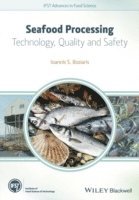
Part of the new IFST Advances in Food Science Series, Seafood Processing: Technology, Quality and Safety covers the whole range of current processes which are applied to seafood, as well as quality and safety aspects. The first part of the book (‘Processing Technologies’) covers primary processing, heating, chilling, freezing, irradiation, traditional preservation methods (salting, drying, smoking, fermentation, etc), frozen surimi and packaging. The subjects of waste management and sustainability issues of fish processing are also covered. In the second part (‘Quality and Safety Issues’), quality and safety analysis, fish and seafood authenticity and risk assessment are included.
Emerging Technologies in Meat Processing
Production, Processing and Technology
Inbunden, Engelska, 2016
2 026 kr
Skickas inom 11-20 vardagar
Meat is a global product, which is traded between regions, countries and continents. The onus is on producers, manufacturers, transporters and retailers to ensure that an ever-demanding consumer receives a top quality product that is free from contamination. With such a dynamic product and market place, new innovative ways to process, package and assess meat products are being developed. With ever increasing competition and tighter cost margins, industry has shown willingness to engage in seeking novel innovative ways of processing, packaging and assessing meat products while maintaining quality and safety attributes. This book provides a comprehensive overview on the application of novel processing techniques. It represents a standard reference book on novel processing, packaging and assessment methods of meat and meat products. It is part of the IFST Advances in Food Science book series.
2 092 kr
Skickas inom 7-10 vardagar
Food Processing By-Products and their UtilizationAn in-depth look at the economic and environmental benefits that food companies can achieve—and the challenges and opportunities they may face—by utilizing food processing by-productsFood Processing By-Products and their Utilization is the first book dedicated to food processing by-products and their utilization in a broad spectrum. It provides a comprehensive overview on food processing by-products and their utilization as source of novel functional ingredients. It discusses food groups, including cereals, pulses, fruits, vegetables, meat, dairy, marine, sugarcane, winery, and plantation by-products; addresses processing challenges relevant to food by-products; and delivers insight into the current state of art and emerging technologies to extract valuable phytochemicals from food processing by-products.Food Processing By-Products and their Utilization offers in-depth chapter coverage of fruit processing by-products; the application of food by-products in medical and pharmaceutical industries; prebiotics and dietary fibers from food processing by-products; bioactive compounds and their health effects from honey processing industries; advances in milk fractionation for value addition; seafood by-products in applications of biomedicine and cosmeticuals; food industry by-products as nutrient replacements in aquaculture diets and agricultural crops; regulatory and legislative issues for food waste utilization; and much more. The first reference text to bring together essential information on the processing technology and incorporation of by-products into various food applicationsConcentrates on the challenges and opportunities for utilizing by-products, including many novel and potential uses for the by-products and waste materials generated by food processingFocuses on the nutritional composition and biochemistry of by-products, which are key to establishing their functional health benefits as foodsPart of the "IFST Advances in Food Science" series, co-published with the Institute of Food Science and Technology (UK) This bookserves as a comprehensive reference for students, educators, researchers, food processors, and industry personnel looking for up-to-date insight into the field. Additionally, the covered range of techniques for by-product utilization will provide engineers and scientists working in the food industry with a valuable resource for their work.
2 026 kr
Skickas inom 11-20 vardagar
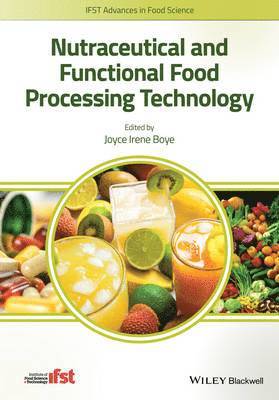
For several years, the food industry has been interested in identifying components in foods which have health benefits to be used in the development of functional food and nutraceutical products. Examples of these ingredients include fibre, phytosterols, peptides, proteins, isoflavones, saponins, phytic acid, probiotics, prebiotics and functional enzymes. Although much progress has been made in the identification, extraction and characterisation of these ingredients, there remains a need for ready and near-market platform technologies for processing these ingredients into marketable value-added functional food and nutraceutical products. This book looks at how these ingredients can be effectively incorporated into food systems for market, and provides practical guidelines on how challenges in specific food sectors (such as health claims and marketing) can be addressed during processing.Nutraceutical and Functional Food Processing Technology is a comprehensive overview of current and emerging trends in the formulation and manufacture of nutraceutical and functional food products. It highlights the distinctions between foods falling into the nutraceutical and functional food categories. Topics include sustainable and environmentally–friendly approaches to the production of health foods, guidelines and regulations, and methods for assessing safety and quality of nutraceutical and functional food products. Specific applications of nutraceuticals in emulsion and salad dressing food products, beverages and soft drinks, baked goods, cereals and extruded products, fermented food products are covered, as are novel food proteins and peptides, and methods for encapsulated nutraceutical ingredients and packaging. The impact of processing on the bioactivity of nutraceutical ingredients, allergen management and the processing of allergen-free foods, health claims and nutraceutical food product commercialization are also discussed.Nutraceutical and Functional Food Processing Technology is a comprehensive source of practical approaches that can be used to innovate in the nutraceutical and health food sectors. Fully up-to-date and relevant across various food sectors, the book will benefit both academia and industry personnel working in the health food and food processing sectors.
1 985 kr
Skickas inom 11-20 vardagar
Fluid milk processing is energy intensive, with high financial and energy costs found all along the production line and supply chain. Worldwide, the dairy industry has set a goal of reducing GHG emissions and other environmental impacts associated with milk processing. Although the major GHG emissions associated with milk production occur on the farm, most energy usage associated with milk processing occurs at the milk processing plant and afterwards, during refrigerated storage (a key requirement for the transportation, retail and consumption of most milk products). Sustainable alternatives and designs for the dairy processing plants of the future are now being actively sought by the global dairy industry, as it seeks to improve efficiency, reduce costs, and comply with its corporate social responsibilities. Emerging Dairy Processing Technologies: Opportunities for the Dairy Industry presents the state of the art research and technologies that have been proposed as sustainable replacements for high temperature-short time (HTST) and ultra-high temperature (UHT) pasteurization, with potentially lower energy usage and greenhouse gas emissions. These technologies include pulsed electric fields, high hydrostatic pressure, high pressure homogenization, ohmic and microwave heating, microfiltration, pulsed light, UV light processing, and carbon dioxide processing. The use of bacteriocins, which have the potential to improve the efficiency of the processing technologies, is discussed, and information on organic and pasture milk, which consumers perceive as sustainable alternatives to conventional milk, is also provided. This book brings together all the available information on alternative milk processing techniques and their impact on the physical and functional properties of milk, written by researchers who have developed a body of work in each of the technologies. This book is aimed at dairy scientists and technologists who may be working in dairy companies or academia. It will also be highly relevant to food processing experts working with dairy ingredients, as well as university departments, research centres and graduate students.
1 436 kr
Skickas inom 7-10 vardagar
An in-depth look at new and emerging technologies for non-alcoholic beverage manufacturingThe non-alcoholic beverage market is the fastest growing segment of the functional food industry worldwide. Consistent with beverage consumption trends generally, the demand among consumers of these products is for high-nutrient drinks made from natural, healthy ingredients, free of synthetic preservatives and artificial flavor and color enhancers. Such drinks require specialized knowledge of exotic ingredients, novel processing techniques, and various functional ingredients.The latest addition to the critically acclaimed IFST Advances in Food Science series this book brings together edited contributions from internationally recognized experts in their fields who offer insights and analysis of the latest developments in non-alcoholic beverage manufacture. Topics covered include juices made from pome fruits, citrus fruits, prunus fruits, vegetables, exotic fruits, berries, juice blends and non-alcoholic beverages, including grain-based beverages, soups and functional beverages. Waste and by-products generated in juice and non-alcoholic beverage sector are also addressed. Offers fresh insight and analysis of the latest developments in non-alcoholic beverage manufacture from leading international expertsCovers all product segments of the non-alcoholic beverage market, including juices, vegetable blends, grain-based drinks, and alternative beverages Details novel thermal and non-thermal technologies that ensure high-quality nutrient retention while extending product shelf lifeWritten with the full support of The Institute of Food Science and Technology (IFST), the leading qualifying body for food professionals in EuropeInnovative Technologies in Beverage Processing is a valuable reference/working resource for food scientists and engineers working in the non-alcoholic beverage industry, as well as academic researchers in industrial food processing and nutrition.
2 337 kr
Skickas inom 11-20 vardagar
Part I: Fundamentals of ultrasound This part will cover the main basic principles of ultrasound generation and propagation and those phenomena related to low and high intensity ultrasound applications. The mechanisms involved in food analysis and process monitoring and in food process intensification will be shown.Part II: Low intensity ultrasound applicationsLow intensity ultrasound applications have been used for non-destructive food analysis as well as for process monitoring. Ultrasonic techniques, based on velocity, attenuation or frequency spectrum analysis, may be considered as rapid, simple, portable and suitable for on-line measurements. Although industrial applications of low-intensity ultrasound, such as meat carcass evaluation, have been used in the food industry for decades, this section will cover the most novel applications, which could be considered as highly relevant for future application in the food industry. Chapters addressing this issue will be divided into three subsections: (1) food control, (2) process monitoring, (3) new trends.Part III: High intensity ultrasound applicationsHigh intensity ultrasound application constitutes a way to intensify many food processes. However, the efficient generation and application of ultrasound is essential to achieving a successful effect. This part of the book will begin with a chapter dealing with the importance of the design of efficient ultrasonic application systems. The medium is essential to achieve efficient transmission, and for that reason the particular challenges of applying ultrasound in different media will be addressed.The next part of this section constitutes an up-to-date vision of the use of high intensity ultrasound in food processes. The chapters will be divided into four sections, according to the medium in which the ultrasound vibration is transmitted from the transducers to the product being treated. Thus, solid, liquid, supercritical and gas media have been used for ultrasound propagation. Previous books addressing ultrasonic applications in food processing have been based on the process itself, so chapters have been divided in mass and heat transport, microbial inactivation, etc. This new book will propose a revolutionary overview of ultrasonic applications based on (in the authors’ opinion) the most relevant factor affecting the efficiency of ultrasound applications: the medium in which ultrasound is propagated. Depending on the medium, ultrasonic phenomena can be completely different, but it also affects the complexity of the ultrasonic generation, propagation and application.In addition, the effect of high intensity ultrasound on major components of food, such as proteins, carbohydrates and lipids will be also covered, since this type of information has not been deeply studied in previous books.Other aspects related to the challenges of food industry to incorporate ultrasound devices will be also considered. This point is also very important since, in the last few years, researchers have made huge efforts to integrate fully automated and efficient ultrasound systems to the food production lines but, in some cases, it was not satisfactory. In this sense, it is necessary to identify and review the main related problems to efficiently produce and transmit ultrasound, scale-up, reduce cost, save energy and guarantee the production of safe, healthy and high added value foods.
2 337 kr
Skickas inom 11-20 vardagar
Roots and tubers are considered as the most important food crops after cereals and contribute significantly to sustainable development, income generation and food security especially in the tropical regions. The perishable nature of roots and tubers demands appropriate storage conditions at different stages starting from farmers to its final consumers. Because of their highly perishable nature, search for efficient and better methods of preservation/processing have been continuing alongside the developments in different arena. This book covers the processing and technological aspects of root and tuber foods, detailing the production and processing of roots and tubers such as taro, cassava, sweet potato, yam and elephant foot yam. Featuring chapters on anatomy, taxonomy and physiology, molecular and biochemical characterization, GAP, GMP, HACCP, Storage techniques, as well as the latest technological interventions in Taro, Cassava, Sweet potato, yam and Elephant foot Yam.
2 092 kr
Skickas inom 7-10 vardagar
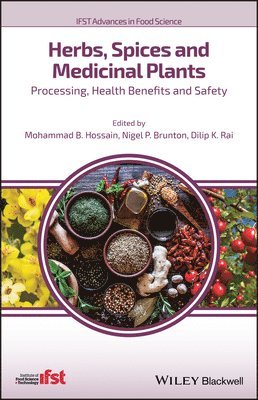
The latest research on the health benefits and optimal processing technologies of herbs and spicesThis book provides a comprehensive overview of the health benefits, analytical techniques used, and effects of processing upon the physicochemical properties of herbs and spices. Presented in three parts, it opens with a section on the technological and health benefits of herbs and spices. The second part reviews the effect of classical and novel processing techniques on the properties of herbs/spices. The third section examines extraction techniques and analytical methodologies used for herbs and spices.Filled with contributions from experts in academia and industry, Herbs, Spices and Medicinal Plants: Processing, Health Benefits and Safety offers chapters covering thermal and non-thermal processing of herbs and spices, recent developments in high-quality drying of herbs and spices, conventional and novel techniques for extracting bioactive compounds from herbs and spices, and approaches to analytical techniques. It also examines purification and isolation techniques for enriching bioactive phytochemicals, medicinal properties of herbs and spices, synergy in whole-plant medicine, potential applications of polyphenols from herbs and spices in dairy products, biotic and abiotic safety concerns, and adverse human health effects and regulation of metal contaminants in terrestrial plant-derived food and phytopharmaceuticals. Covers the emerging health benefits of herbs and spices, including their use as anti-diabetics, anti-inflammatories, and anti-oxidantsReviews the effect of classical and novel processing techniques on the properties of herbs and spicesFeatures informed perspectives from noted academics and professionals in the industryPart of Wiley's new IFST Advances in Food Science seriesHerbs, Spices and Medicinal Plants is an important book for companies, research institutions, and universities active in the areas of food processing and the agri-food environment. It will appeal to food scientists and engineers, environmentalists, and food regulatory agencies.
1 642 kr
Skickas inom 7-10 vardagar
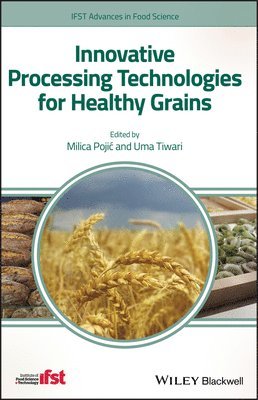
Interest in cereals and other healthy grains has increased considerably in recent years, driving the cereal processing industry to develop new processing technologies that meet consumer demands for sustainable and nutritious cereal products. Innovative Processing Technologies for Healthy Grains is the first dedicated reference to focus on advances in cereal processing and bio-refinery of cereals and pseudocereals, presenting a broad overview of all aspects of both conventional and novel processing techniques and methods.Featuring contributions from leading researchers and academics, this unique volume examines the selection and characteristics of raw ingredients, new and emerging processing technologies, novel cereal-based products, and global trends in cereal and pseudocereal use, processing and consumption. The text offers balanced coverage of advances in both the development and processing of cereal and pseudocereal products, exploring topics including gluten-free products, cereal-based animal feed, health and wellness trends in healthy grain consumption, bioaccessibility and bioavailability of nutritional compounds, gluten-free products, and the environmental impact of processed healthy grains. This timely and comprehensive volume: Focuses on innovative cereal processing and bio-refinery of cereals and pseudocerealsProvides informed perspectives on the current global trends in cereal and pseudocereal use, processing and consumptionDescribes the characteristics of healthy grains and their production, nutritional value, and utilizationExplains the origin, production, processing, and functional ingredients of pseudocerealsReviews healthy grain products such as cereal-based beverages, fortified grain-based products, and cereal-based products with bioactive benefitsPart of Wiley's IFST Advances in Food Science seriesInnovative Processing Technologies for Healthy Grains is an essential resource for food scientists, technologists, researchers, and other professionals working in the grain industry, and academics and advanced students of food technology and food science.
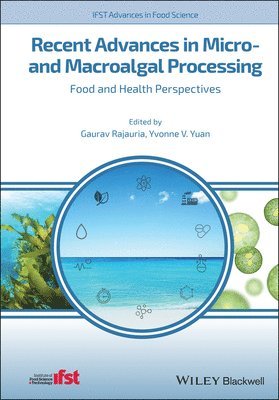
Recent Advances in Micro- and Macroalgal Processing
Food and Health Perspectives
Inbunden, Engelska, 2021
2 121 kr
Skickas inom 7-10 vardagar
Recent Advances in Micro- and Macroalgal Processing A comprehensive review of algae as novel and sustainable sources of algal ingredients, their extraction and processingThis comprehensive text offers an in-depth exploration of the research and issues surrounding the consumption, economics, composition, processing and health effects of algae. With contributions from an international team of experts, the book explores the application of conventional and emerging technologies for algal processing. The book includes recent developments such as drying and milling technologies along with advancements in sustainable greener techniques.The text also highlights individual groups of compounds including polysaccharides, proteins, polyphenols, carotenoids, lipids and fibres from algae. The authors provide insightful reviews of the traditional and more recent applications of algae/algal extracts in food, feed, pharmaceutical and cosmetics products. Offering a holistic view of the various applications, the book looks at the economic feasibility, market trends and considerations, and health hazards associated with algae for industrial applications. This important book:Provides a comprehensive overview of algal biomolecules and the role of emerging processing technologiesExplores the potential biological and health benefits of algae and their applications in food, pharmaceuticals and cosmetic productsIncludes a current review of algal bioactives and processing technologies for food and ingredient manufacturersContains contributions from leading academic and industrial expertsWritten for food scientists, allied researchers and professional food technologists, Recent Advances in Micro- and Macroalgal Processing: Food and Health Perspectives offers a guide to the novel processing and extraction techniques for exploring and harnessing the immense potential of algae.
2 121 kr
Skickas inom 7-10 vardagar
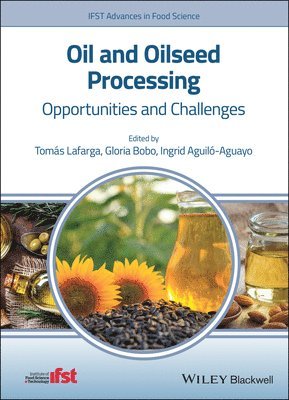
Oil and Oilseed Processing The latest information available on oil and oilseed processingOil and Oilseed Processing offers a comprehensive text that explores both the conventional and novel “green” extraction methods used to extract oils from seeds. The authors—noted experts on the topic—examine the positive aspects of operations in processing oil and oilseeds and present the processing concepts, principles, effects on quality, as well as the stability characteristics, limitations, and challenges. Due to the economic implications associated with the overproduction of seed oils, the book includes pertinent information on vegetable and animal-derived oils for industrial applications. The authors also explore recent applications and future perspectives for vegetable and animal oils use in the food and non-food industry. Safety concerns regarding oil and oilseed processing and waste valorisation are also covered in-depth. This important guide:Explores the traditional and new extraction methods used to extract oils from seedsContains the most up-to-date insight into oil and oilseed processingFocuses on the areas of oil processing, safety, quality, and nutritional evaluationWritten for food scientists and professional food technologists, Oil and Oilseed Processing is the only book on the market that contains the most recent information on all aspects of oil and oilseed processing.
1 943 kr
Skickas inom 7-10 vardagar
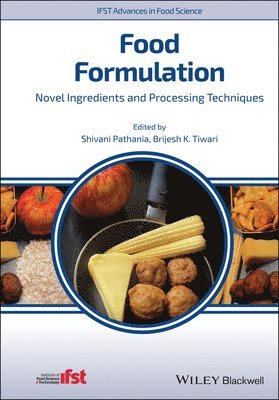
Reviews innovative processing techniques and recent developments in food formulation, identification, and utilization of functional ingredientsFood Formulation: Novel Ingredients and Processing Techniques is a comprehensive and up-to-date account of novel food ingredients and new processing techniques used in advanced commercial food formulations. This unique volume will help students and industry professionals alike in understanding the current trends, emerging technologies, and their impact on the food formulation techniques. Contributions from leading academic and industrial experts provide readers with informed and relevant insights on using the latest technologies and production processes for new product development and reformulations.The text first describes the basis of a food formulation, including smart protein and starch ingredients, healthy ingredients such as salt and sugar replacers, and interactions within the food components. Emphasizing operational principles, the book reviews state-of-the-art 3D printing technology, encapsulation and a range of emerging technologies including high pressure, pulsed electric field, ultrasound and supercritical fluid extraction. The final chapters discuss recent developments and trends in food formulation, from foods that target allergies and intolerance, to prebiotic and probiotic food formulation designed to improve gut health. A much-needed reference on novel sourcing of food ingredients, processing technologies, and application, this book: Explores new food ingredients as well as impact of processing on ingredient interactions Describes new techniques that improve the flavor and acceptability of functional food ingredientsReviews mathematical tools used for recipe formulation, process control and consumer studiesIncludes regulations and legislations around tailor-made food productsFood Formulation: Novel Ingredients and Processing Techniques is an invaluable resource for students, educators, researchers, food technologists, and professionals, engineers and scientists across the food industry.