514 kr
Emerging Democracies – serie
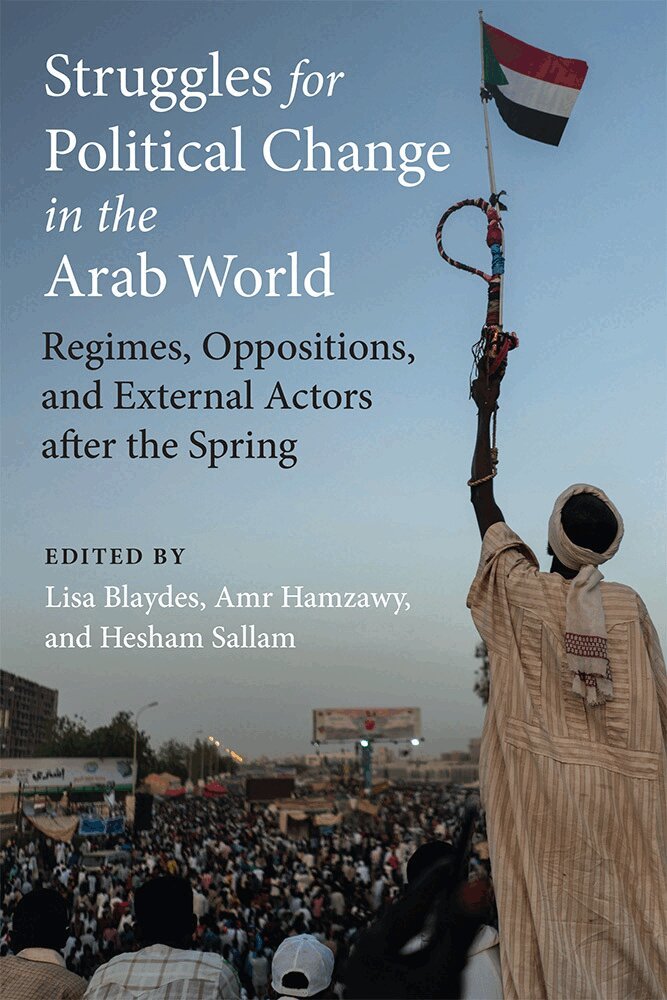
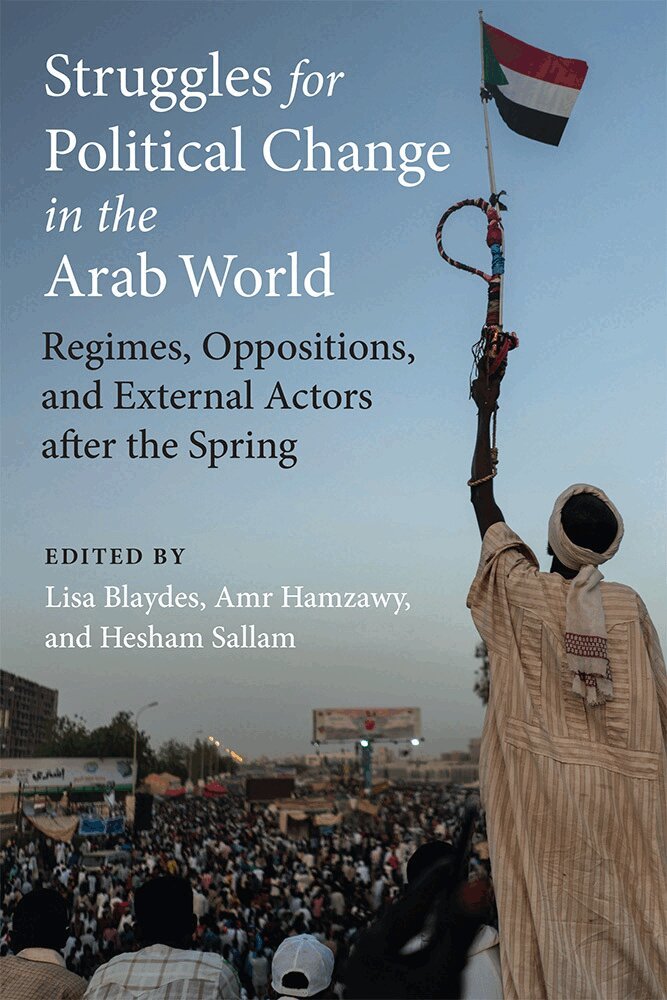
- Häftad, Engelska, 2022The advent of the Arab Spring in late 2010 was a hopeful moment for partisans of progressive change throughout the Arab world. Authoritarian leaders who had long stood in the way of meaningful political reform in the countries of the region were either ousted or faced the possibility of political if not physical demise. The downfall of long-standing dictators as they faced off with strong-willed protesters was a clear sign that democratic change was within reach. Throughout the last ten years, however, the Arab world has witnessed authoritarian regimes regaining resilience, pro-democracy movements losing momentum, and struggles between the first and the latter involving regional and international powers.This volume explains how relevant political players in Arab countries among regimes, opposition movements, and external actors have adapted ten years after the onset of the Arab Spring. It includes contributions on Egypt, Morocco, Kuwait, Saudi Arabia, Syria, Algeria, Sudan, Lebanon, Iraq, Jordan, Yemen, and Tunisia. It also features studies on the respective roles of the United States, China, Iran, and Turkey vis-à-vis questions of political change and stability in the Arab region, and includes a study analyzing the role of Saudi Arabia and its allies in subverting revolutionary movements in other countries.
- Häftad, Engelska, 2020
453 kr
Skickas inom 5-8 vardagar
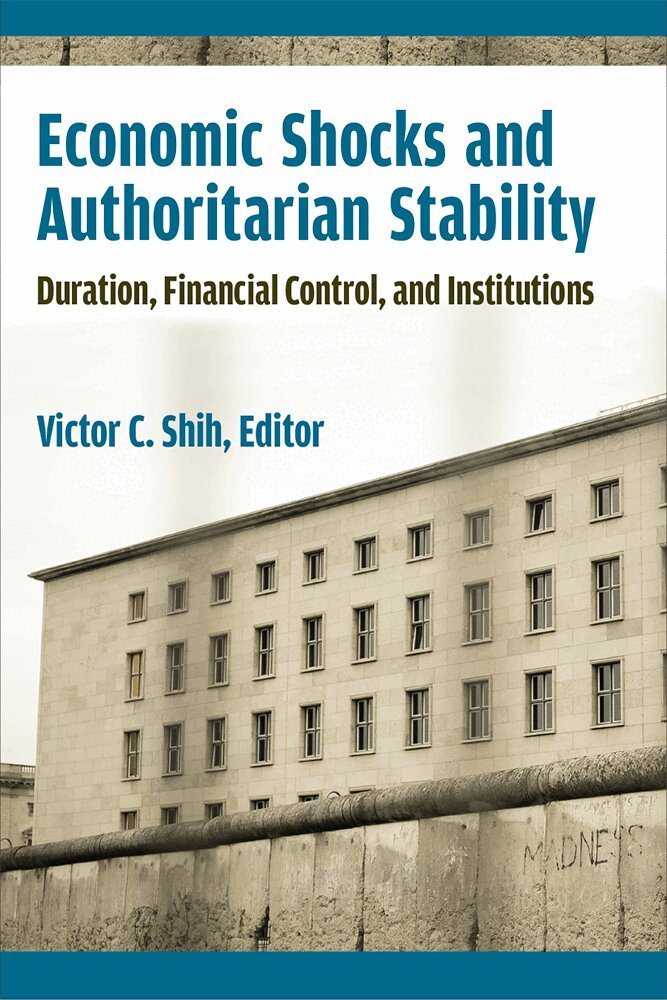
Over two billion people still live under authoritarian rule. Moreover, authoritarian regimes around the world command enormous financial and economic resources, rivaling those controlled by advanced democracies. Yet authoritarian regimes as a whole are facing their greatest challenges in the recent two decades due to rebellions and economic stress. Extended periods of hardship have the potential of introducing instability to regimes because members of the existing ruling coalition suffer welfare losses that force them to consider alternatives, while previously quiescent masses may consider collective uprisings a worthwhile gamble in the face of declining standards of living.Economic Shocks and Authoritarian Stability homes in on the economic challenges facing authoritarian regimes through a set of comparative case studies that include Iran, Iraq under Saddam Hussein, Malaysia, Indonesia, Jordan, Russia, the Eastern bloc countries, China, and Taiwan—authored by the top experts in these countries. Through these comparative case studies, this volume provides readers with the analytical tools for assessing whether the current round of economic shocks will lead to political instability or even regime change among the world’s autocracies. This volume identifies the duration of economic shocks, the regime’s control over the financial system, and the strength of the ruling party as key variables to explain whether authoritarian regimes would maintain the status quo, adjust their support coalitions, or fall from power after economic shocks. - Häftad, Engelska, 2021
374 kr
Skickas inom 5-8 vardagar
Opposing Democracy in the Digital Age is about why ordinary people in a democratizing state oppose democracy and how they leverage both traditional and social media to do so. Aim Sinpeng focuses on the people behind popular, large-scale antidemocratic movements that helped bring down democracy in 2006 and 2014 in Thailand. The yellow shirts (PAD—People’s Alliance for Democracy) that are the focus of the book are antidemocratic movements grown out of democratic periods in Thailand, but became the catalyst for the country’s democratic breakdown. Why, when, and how supporters of these movements mobilize offline and online to bring down democracy are some of the key questions that Sinpeng answers. While the book primarily uses a qualitative methodological approach, it also uses several quantitative tools to analyze social media data in the later chapters. This is one of few studies in the field of regime transition that focuses on antidemocratic mobilization and takes the role of social media seriously. - Häftad, Engelska, 2022
492 kr
Skickas inom 5-8 vardagar
Opposing Power argues that perceptions of regime vulnerability and mutual dependency by opposition elites shape the building of opposition alliances. When electoral autocracies are consistently dominant, opposition parties eschew fully fledged alliances. At best, they allocate only one candidate to contest against the incumbent in each subnational electoral district to avoid splitting the opposition vote. However, when multiple regime-debilitating events strike within a short period of time, thus pushing an incumbent to the precipice of power, opposition elites expect victory, accepting costly compromises to build alliances and seize power. Opposing Power shows how oppositions build these alliances through case study comparisons in East and Southeast Asia—between the Philippines and South Korea in the late 1980s, and between Malaysia and Singapore from 1965 to 2020. - Häftad, Engelska, 2022
374 kr
Skickas inom 5-8 vardagar
While the literature on “new institutionalism” explains the stability of institutional arrangements within countries and the divergence of paths of institutional development between countries, Federico Ferrara takes a “historical institutionalist” approach to theorize dynamic processes of institutional reproduction, institutional decay, and institutional change in explaining the development of political institutions. Ferrara synthesizes “power-based” or “power-distributional” explanations and “ideas-based” “legitimation explanations.” He specifies the psychological “microfoundations” of processes of institutional development, drawing heavily from the findings of experimental psychology to ensure that the explanation is grounded in clear and realistic assumptions regarding human motivation, cognition, and behavior. Aside from being of interest to scholars and graduate students in political science and other social-scientific disciplines whose research concentrates on the genesis of political institutions, their evolution over time, and their impact on the stability of political order and the quality of governance, the book will be required reading in graduate courses and seminars in comparative politics where the study of institutions and their development ranks among the subfield’s most important subjects. - Häftad, Engelska, 2023
315 kr
Skickas inom 5-8 vardagar
Does foreign aid promote human rights? As the world’s largest aid donor, the United States has provided foreign assistance to more than 200 countries. Deploying global numerical data on US foreign aid and comparative historical analysis of America’s post–Cold War foreign policies in Southeast Asia, Aid Imperium provides the most comprehensive explanation that links US strategic assistance to physical integrity rights outcomes in recipient countries, particularly in ways that previous quantitative studies have systematically ignored. The book innovatively highlights the active political agency of Global South states and actors as they negotiate and chart their political trajectories with the United States as the core state of the international system. Drawing from theoretical insights in the humanities and the social sciences as well as a wide range of empirical documents, Aid Imperium is the first multidisciplinary study to explain how US foreign policy affects state repression and physical integrity rights outcomes in Southeast Asia and the rest of the Global South. - Häftad, Engelska, 2022
537 kr
Skickas inom 5-8 vardagar
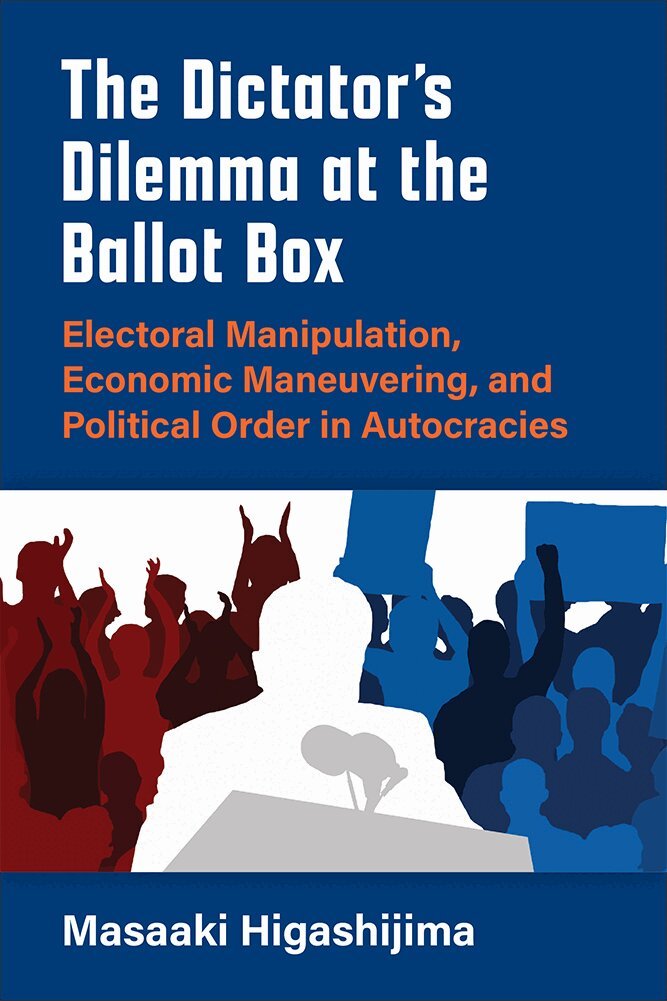
Contrary to our stereotypical views, dictators often introduce elections in which they refrain from employing blatant electoral fraud. Why do electoral reforms happen in autocracies? Do these elections destabilize autocratic rule? The Dictator’s Dilemma at the Ballot Box argues that strong autocrats who can garner popular support become less dependent on coercive electioneering strategies. When autocrats fail to design elections properly, elections backfire in the form of coups, protests, and the opposition’s stunning election victories. The book’s theoretical implications are tested on a battery of cross-national analyses with newly collected data on autocratic elections and in-depth comparative case studies of the two Central Asian republics of Kazakhstan and Kyrgyzstan. - Häftad, Engelska, 2023
374 kr
Skickas inom 5-8 vardagar
Germany, which brutalized its neighbors in Europe for centuries, has mostly escaped the ghosts of the past, while Japan remains haunted in Asia. The most common explanation for this difference is that Germany knows better how to apologize; Japan is viewed as “impenitent.” Walter F. Hatch rejects the conventional wisdom and argues that Germany has achieved reconciliation with neighbors by showing that it can be a trustworthy partner in regional institutions like the European Union and NATO; Japan has never been given that opportunity (by its dominant partner, the U.S.) to demonstrate such an ability to cooperate. This book rigorously defends the argument that political cooperation—not discourse or economic exchange—best explains Germany’s relative success and Japan’s relative failure in achieving reconciliation with neighbors brutalized by each regional power in the past. It uses paired case studies (Germany-France and Japan-South Korea; Germany-Poland and Japan-China) to gauge the effect of these competing variables on public opinion over time. With numerous charts, each of the four empirical chapters illustrates the powerful causal relationship between institution building and interstate reconciliation. - Häftad, Engelska, 2023
507 kr
Skickas inom 5-8 vardagar
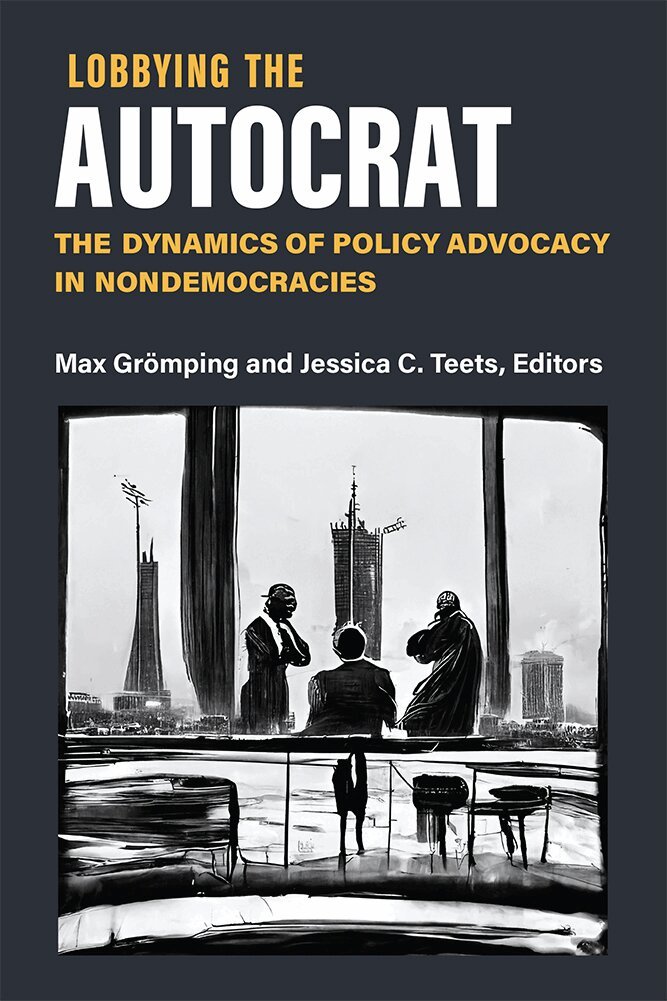
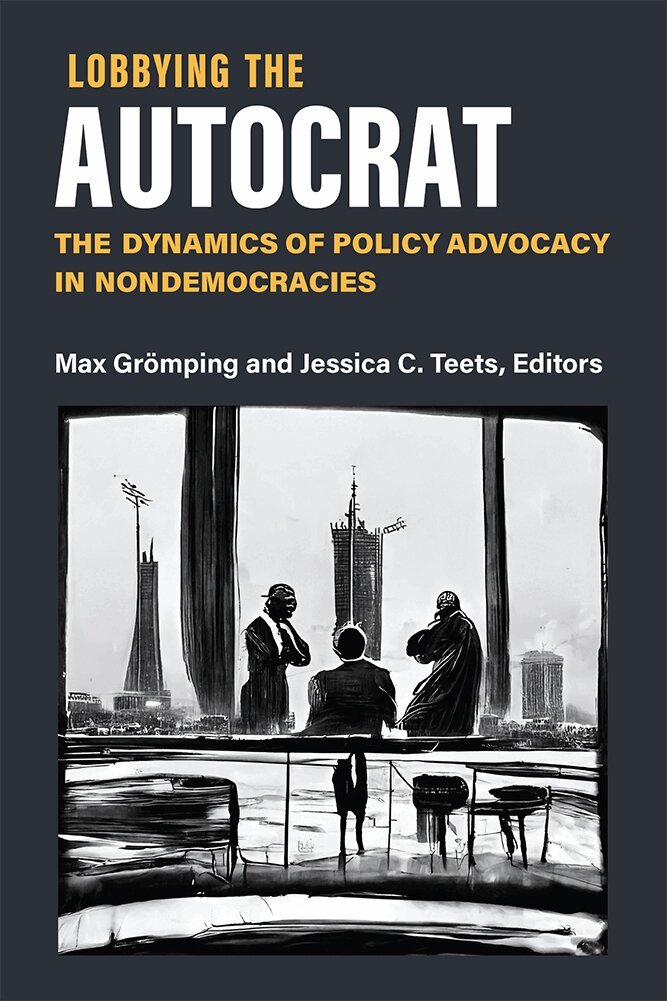
Although authoritarian countries often repress independent citizen activity, lobbying by civil society organizations is actually a widespread phenomenon. Using case studies such as China, Russia, Belarus, Cambodia, Malaysia, Montenegro, Turkey, and Zimbabwe, Lobbying the Autocrat shows that citizen advocacy organizations carve out niches in the authoritarian policy process, even influencing policy outcomes. The cases cover a range of autocratic regime types (one-party, multi-party, personalist) on different continents, and encompass different systems of government to explore citizen advocacy ranging from issues such as social welfare, women’s rights, election reform, environmental protection, and land rights. They show how civil society has developed adaptive capacities to the changing levels of political repression and built resilience through ‘tactful contention’ strategies. Thus, within the bounds set by the authoritarian regimes, adaptive lobbying may still bring about localized responsiveness and representation.However, the challenging conditions of authoritarian advocacy systems identified throughout this volume present challenges for both advocates and autocrats alike. The former are pushed by an environment of constant threat and uncertainty into a precarious dance with the dictator: just the right amount of acquiescence and assertiveness, private persuasion and public pressure, and the flexibility to change quickly to suit different situations. An adaptive lobbyist survives and may even thrive in such conditions, while others often face dire consequences. For the autocrat on the other hand, the more they stifle the associational sphere in an effort to prevent mass mobilization, the less they will reap the informational benefits associated with it. This volume synthesizes the findings of the comparative cases to build a framework for understanding how civil society effectively lobbies inside authoritarian countries. - Häftad, Engelska, 2024
453 kr
Skickas inom 5-8 vardagar
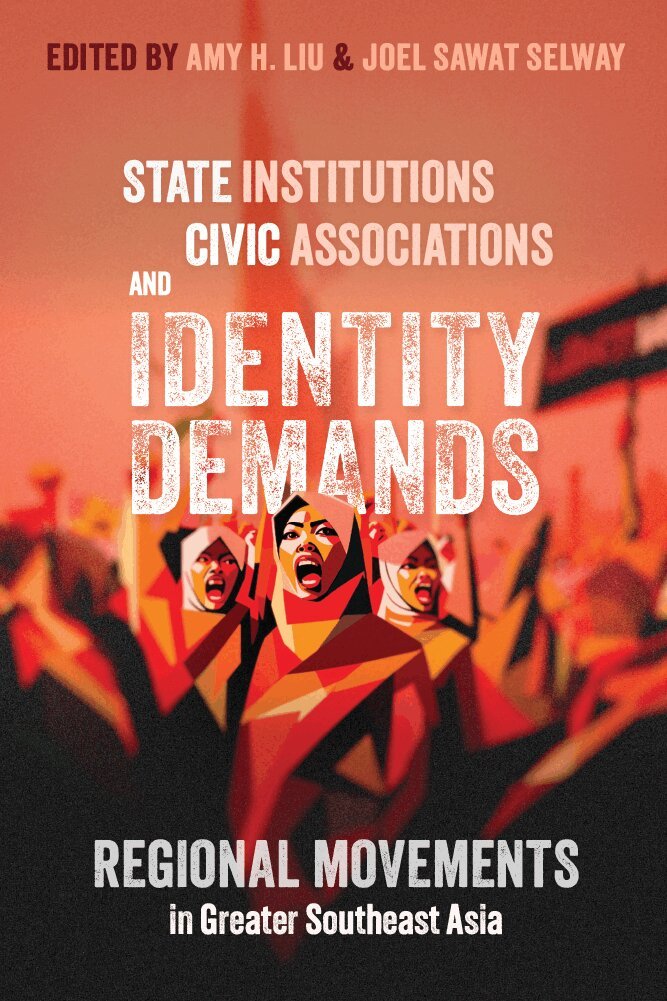
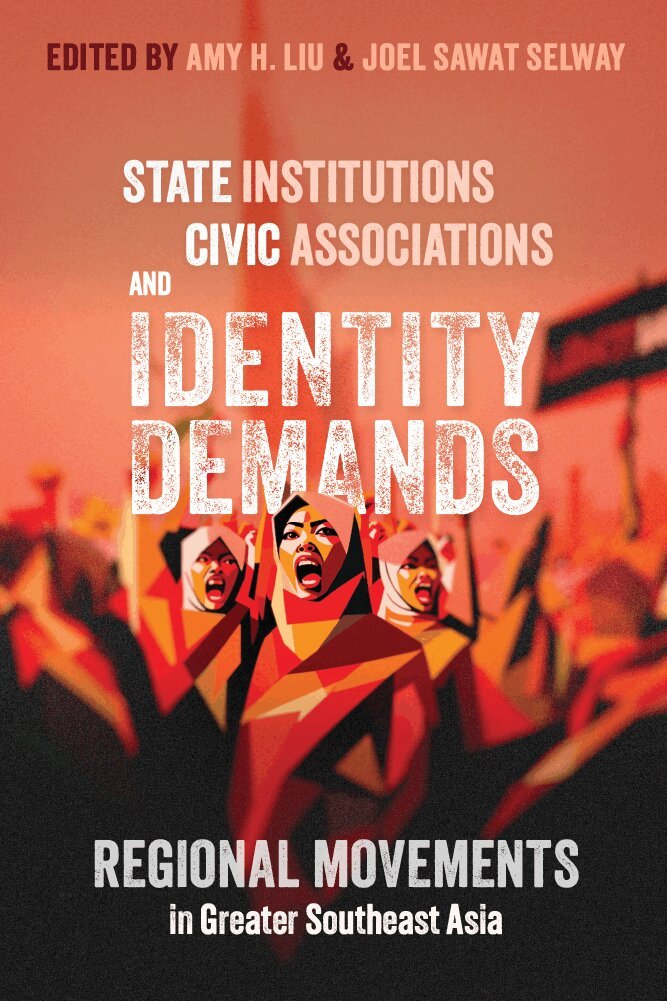
While the media tends to pay the most attention to violent secessionist movements or peaceful independence movements, it is just as important to understand why there are regions where political movements for autonomy fail to develop. In neglecting regions without political movements or full-blown independence demands, theories may be partial at best and incorrect at worst.State Institutions, Civic Associations, and Identity Demands examines over a dozen regions, comparing and contrasting successful cases to abandoned, unsuccessful, or dormant cases. The cases range from successful secession (East Timor, Singapore) and ongoing secessionist movements (Southern Philippines), to internally divided regional movements (Kachin State), low-level regionalist stirrings (Lanna, Taiwan), and local but not regional mobilization of identity (Bali, Minahasan), all the way to failed movements (Bataks, South Maluku) and regions that remain politically inert (East and North Malaysia, Northeast Thailand). While each chapter is written by a country expert, the contributions rely on a range of methods, from comparative historical analysis, to ethnography, field interviews, and data from public opinion surveys. Together, they contribute important new knowledge on little-known cases that nevertheless illuminate the history of regions and ethnic groups in Southeast Asia. Although focused on Southeast Asia, the book identifies the factors that can explain why movements emerge and successfully develop and concludes with a chapter by Henry Hale that illustrates how this can be applied globally. - Häftad, Engelska, 2024
433 kr
Skickas inom 5-8 vardagar
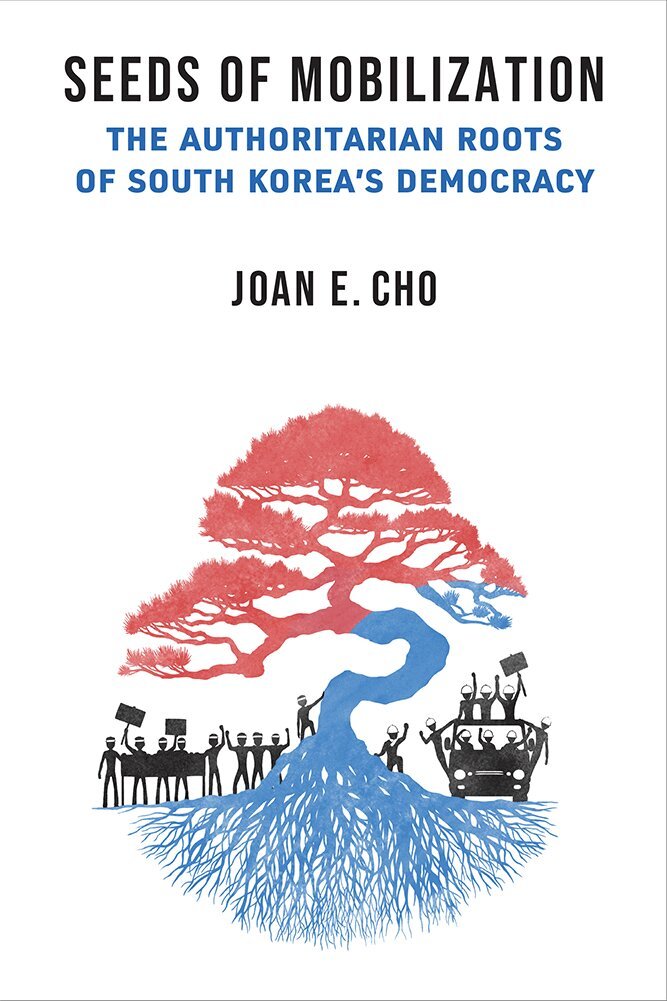
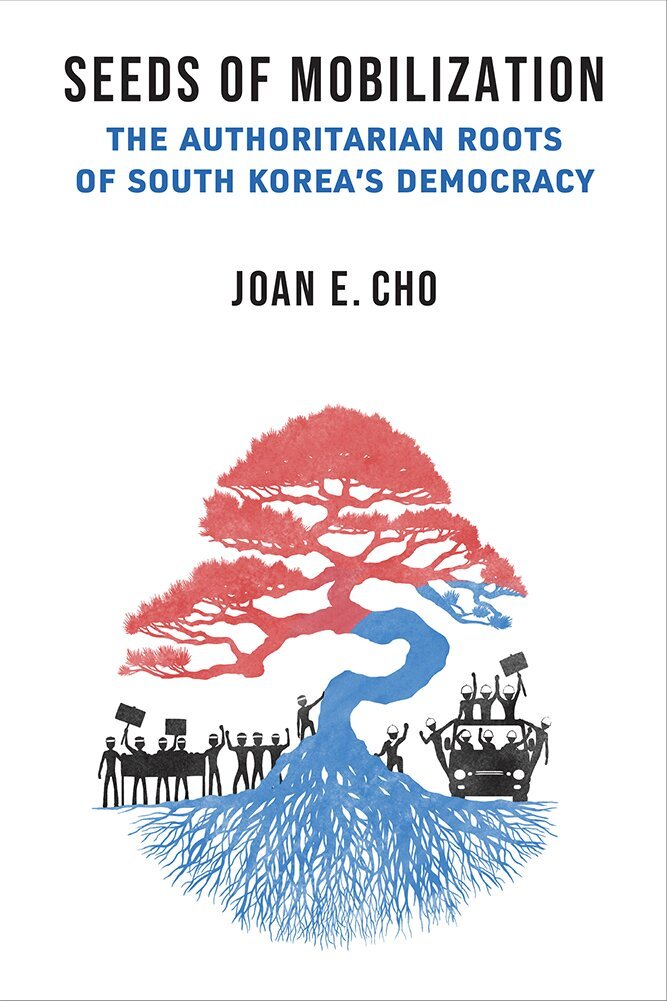
South Korea is sometimes held as a dream case of modernization theory, a testament to how economic development leads to democracy. Seeds of Mobilization takes a closer look at the history of South Korea to show that Korea’s advance to democracy was not linear. Instead, while Korea’s national economy grew dramatically under the regimes of Park Chung Hee (1961–79) and Chun Doo Hwan (1980–88), the political system first became increasingly authoritarian. Because modernization was founded on industrial complexes and tertiary education, these structures initially helped bolster the authoritarian regimes. In the long run, however, these structures later facilitated the anti-regime protests by various social movement groups—most importantly, workers and students—that ultimately brought democracy to the country.By using original subnational protest event datasets, government publications, oral interviews, and publications from labor and student movement organizations, Joan E. Cho takes a long view of democratization that incorporates the decades before and after South Korea’s democratic transition. She demonstrates that Korea’s democratization resulted from a combination of factors from below and from above, and that authoritarian development itself was a hidden root cause of democratic development in South Korea. Seeds of Mobilization shows how socioeconomic development did not create a steady pressure toward democracy but acted as a “double-edged sword” that initially stabilized autocratic regimes before destabilizing them over time. - Häftad, Engelska, 2024
433 kr
Skickas inom 5-8 vardagar
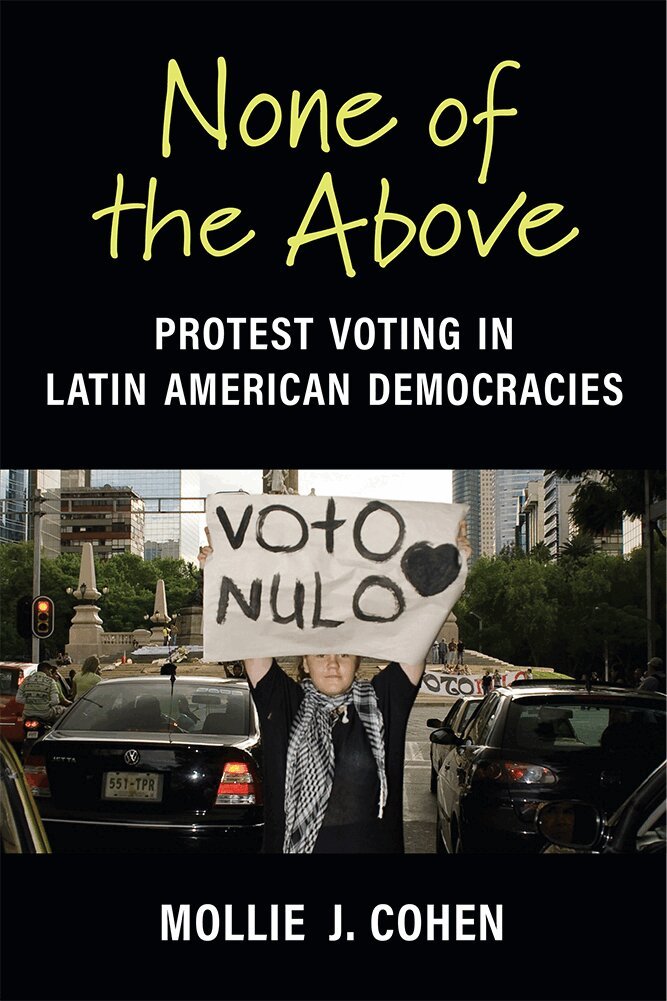
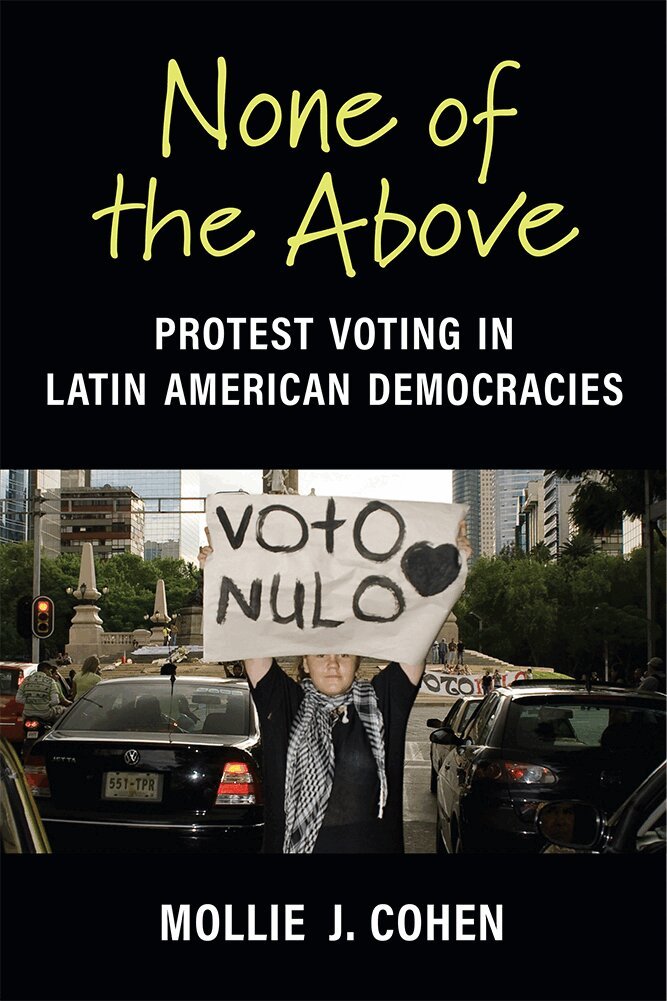
Winner of the 2025 International Society of Political Psychology David O. Sears Best Book on Mass Politics AwardAround the world each year, millions of citizens turn out to vote but leave their ballots empty or spoil them. Increasingly, campaigns have emerged that promote “invalid” votes like these. Why do citizens choose to cast blank and spoiled votes? And how do campaigns mobilizing the invalid vote influence this decision? None of the Above answers these questions using evidence from presidential and gubernatorial elections in eighteen Latin American democracies. Author Mollie J. Cohen draws on a broad range of methods and sources, incorporating data from electoral management bodies, nationally representative surveys, survey experiments, focus groups, semi-structured interviews, and news sources. Contrary to received wisdom, this book shows that most citizens cast blank or spoiled votes in presidential elections on purpose. By participating in invalid vote campaigns, citizens can voice their concerns about low-quality candidates while also expressing a preference for high-quality democracy. Campaigns promoting blank and spoiled votes come about more often, and succeed at higher rates, when incumbent politicians undermine the quality of elections. Surprisingly, invalid vote campaigns can shore up the quality of democracy in the short term. None of the Above shows that swings in blank and spoiled vote rates can serve as a warning about the trajectory of a country’s democracy. - Häftad, Engelska, 2024
433 kr
Skickas inom 5-8 vardagar
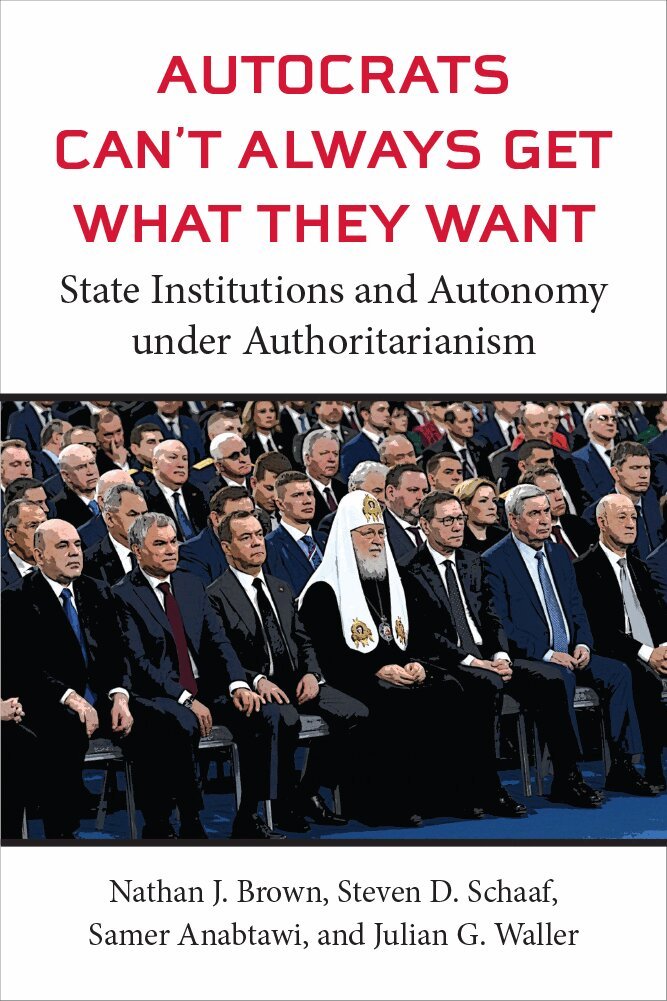
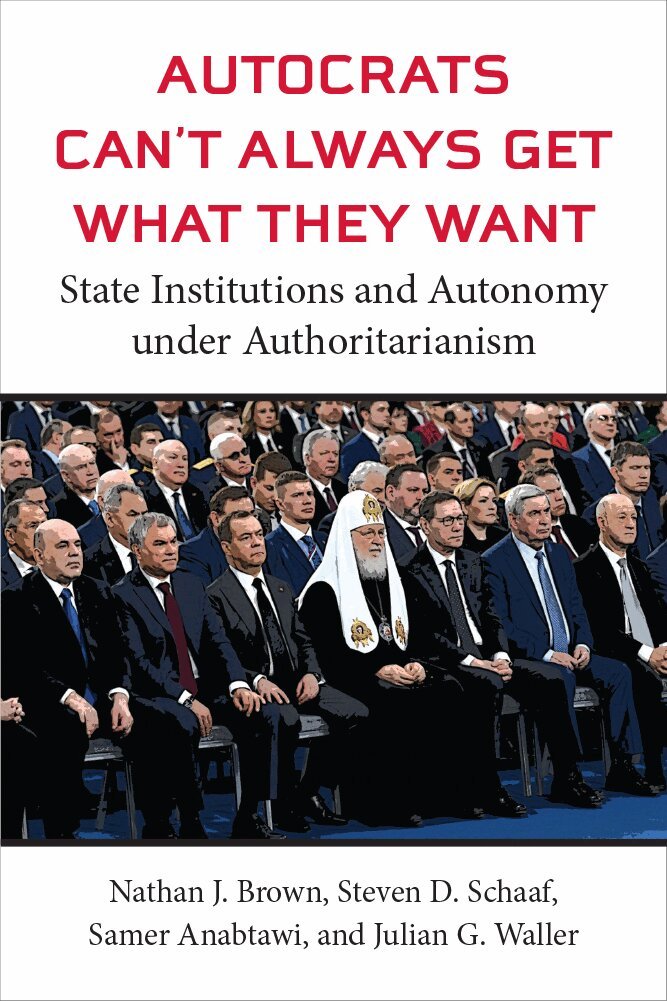
Authoritarianism seems to be everywhere in the political world—even the definition of authoritarianism as any form of non-democratic governance has grown very broad. Attempts to explain authoritarian rule as a function of the interests or needs of the ruler or regime can be misleading. Autocrats Can’t Always Get What They Want argues that to understand how authoritarian systems work we need to look not only at the interests and intentions of those at the top, but also at the inner workings of the various parts of the state. Courts, elections, security force structure, and intelligence gathering are seen as structured and geared toward helping maintain the regime. Yet authoritarian regimes do not all operate the same way in the day-to-day and year-to-year tumble of politics.In Autocrats Can’t Always Get What They Want, the authors find that when state bodies form strong institutional patterns and forge links with key allies both inside the state and outside of it, they can define interests and missions that are different from those at the top of the regime. By focusing on three such structures (parliaments, constitutional courts, and official religious institutions), the book shows that the degree of autonomy realized by a particular part of the state rests on how thoroughly it is institutionalized and how strong its links are with constituencies. Instead of viewing authoritarian governance as something that reduces politics to rulers’ whims and opposition movements, the authors show how it operates—and how much what we call “authoritarianism” varies. - Häftad, Engelska, 2024
433 kr
Skickas inom 5-8 vardagar
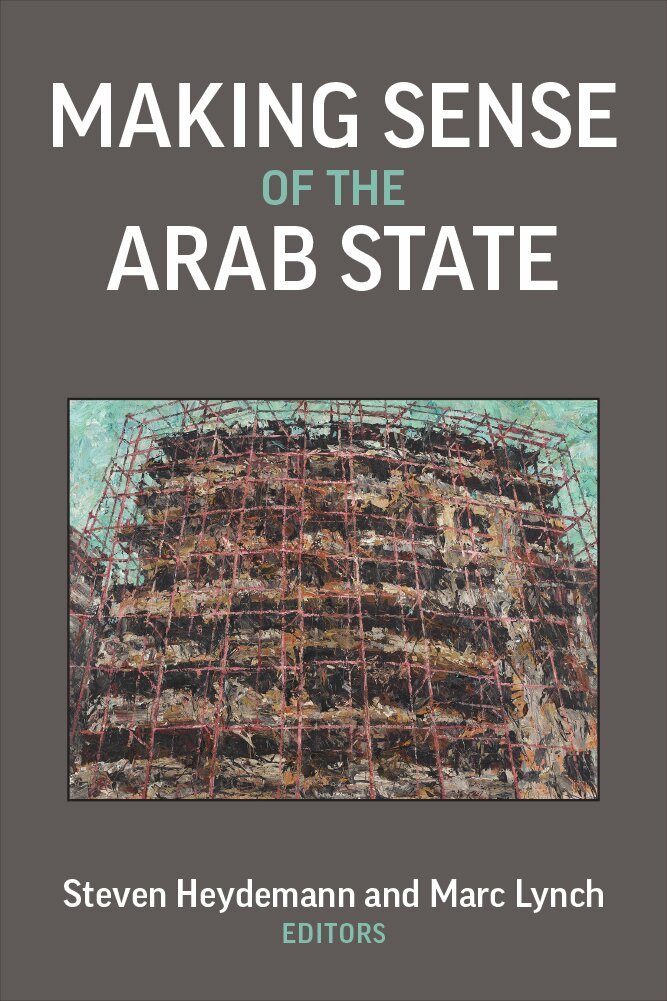
No region in the world has been more hostile to democracy, more dominated by military and security institutions, or weaker on economic development and inclusive governance than the Middle East. Why have Arab states been so oppressively strong in some areas but so devastatingly weak in others? How do those patterns affect politics, economics, and society across the region? The state stands at the center of the analysis of politics in the Middle East, but has rarely been the primary focus of systematic theoretical analysis.Making Sense of the Arab State brings together top scholars from diverse theoretical orientations to address some of the most critically important questions facing the region today. The authors grapple with enduring questions such as the uneven development of state capacity, the failures of developmentalism and governance, the centrality of regime security and survival concerns, the excesses of surveillance and control, and the increasing personalization of power. Making Sense of the Arab State will be a must-read for scholars of the Middle East and of comparative politics more broadly. - Häftad, Engelska, 2024
551 kr
Skickas inom 5-8 vardagar
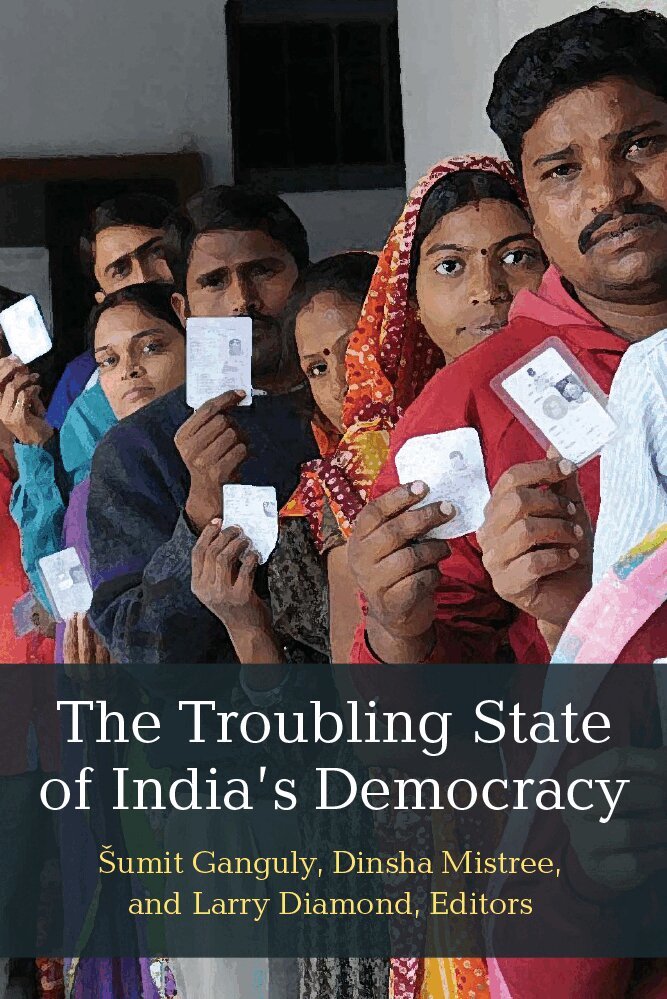
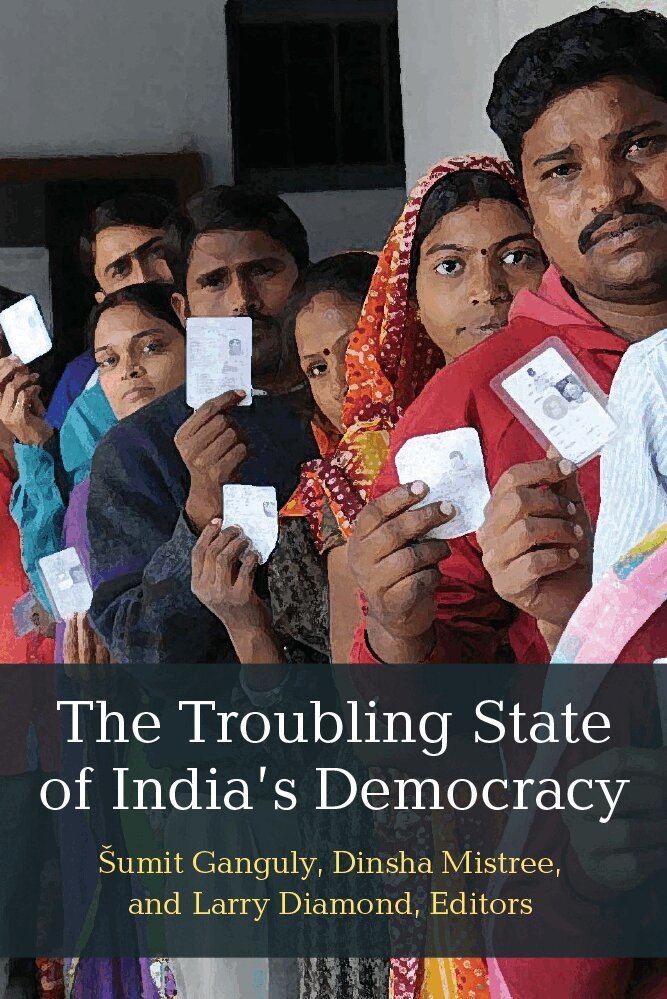
As India’s power and prominence rise on the international stage, its longstanding tradition of democracy is under threat. Since establishing a secular and democratic constitution in 1950, India has held elections at the local, state, and national levels with frequent transitions of power between opposing parties. This commitment to democracy has provided political order to a country that is twice the size of Europe and with a stunning array of social and economic divides. Despite this rich tradition, India’s democracy faces an unprecedented threat with the rise of Narendra Modi and his Hindu nationalist party, the Bharatiya Janata Party. After decisively winning general elections in 2014, Modi and the BJP have pursued a range of anti-democratic policies in which the state and society are used to undermine the opposition, to stifle free speech, and to harass religious minorities. The Troubling State of India’s Democracy brings together leading scholars from around the world to assess the conditions of India’s democracy across three important dimensions: politics, specifically the state of political parties and the party system; the state, including the condition of federalism and the health of various institutions; and society, including NGOs, ethnic and religious tensions, and control of the media. Even though elements of India’s democracy seem to function—like its commitment to elections—the contributors document a disturbing trajectory, one that not only threatens to undermine India’s own stability, but could also affect the global order. - Häftad, Engelska, 2025
492 kr
Skickas inom 5-8 vardagar
While many scholars, policymakers, and development practitioners view decentralization as a way to increase participation, strengthen political representation, and improve social welfare, little is known about the experiences of communities in the context of decentralization – particularly in the Middle East and North Africa. This volume directs our attention toward the ways in which decentralization is “lived locally” by citizens of the MENA region, underscoring the simultaneous influences of individual-level factors (e.g., gender, education) and local context (e.g., development levels, electoral institutions) on governance processes and outcomes. A group of international scholars brings together methodologically diverse, original research in Lebanon, Morocco, Syria, and Tunisia to expand the literature on decentralization. Following a preface by Hicham Alaoui, the empirical chapters are arranged into three thematic sections. These focus on subnational variations in the relationships between central and local actors, citizen engagement with state and non-state institutions, and the extent to which representatives reflect their local communities. Together, these chapters provide important insights into governance, participation, and representation in the MENA and open new questions for furthering the study of governance and local development. Only by unpacking perspectives and governance experiences at the micro-level can we understand how decentralization policies affect citizens’ everyday lives. - Häftad, Engelska, 2026
492 kr
Skickas inom 5-8 vardagar
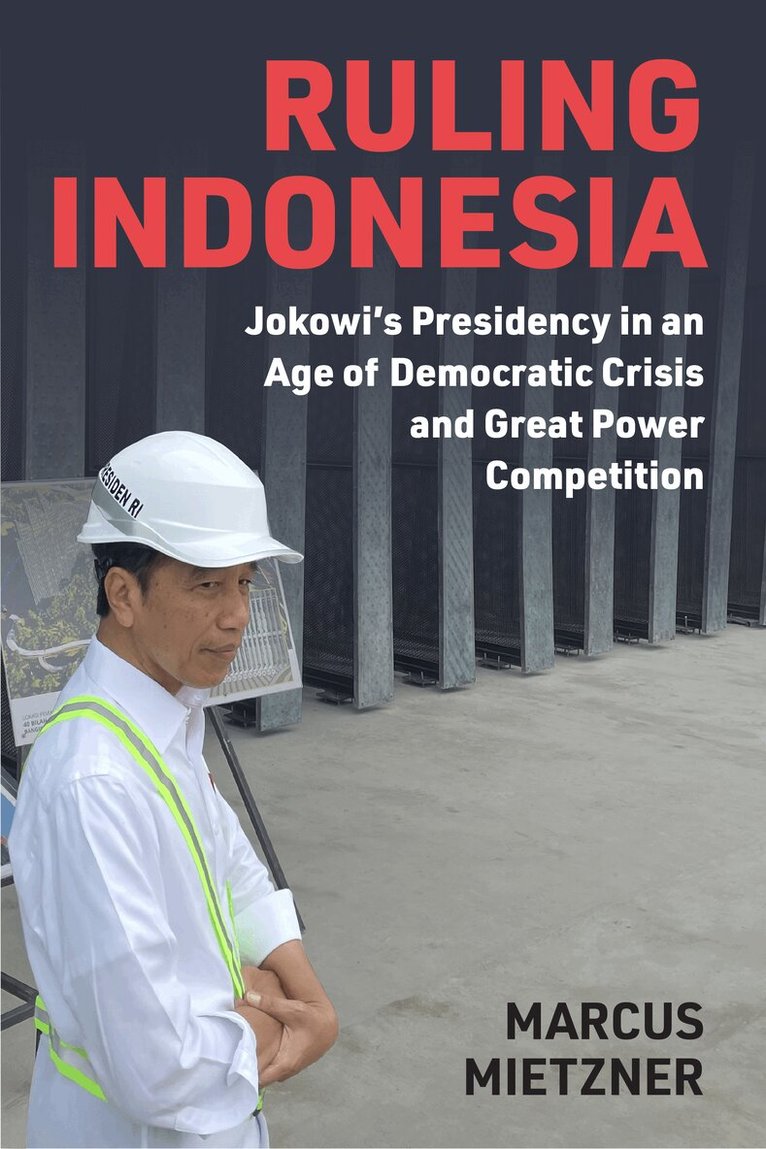
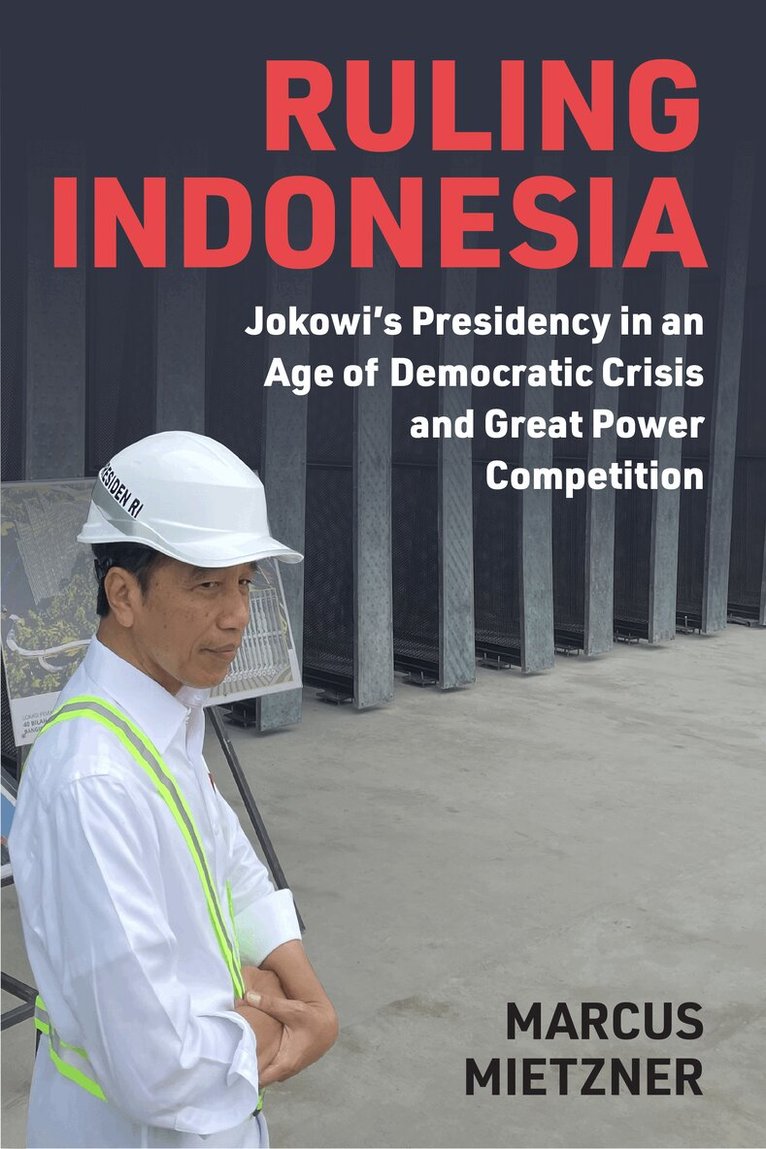
Joko Widodo—popularly called Jokowi—ruled Indonesia for a decade, from 2014 to 2024. The world’s fourth-largest nation and third-largest democracy, Indonesia had embarked on a messy democratic transition in the late 1990s, with the country’s ethnic and religious heterogeneity posing significant challenges to governance. Initially seen as a reformer who might challenge oligarchic structures, Jokowi was slowly but steadily seen as himself being a threat to democracy. By the time Jokowi wrapped up his presidency, he had achieved the highest approval ratings among Indonesia’s post-authoritarian presidents—and became the president with the tightest grip over Indonesia’s political elite.Based on exclusive interviews with Jokowi and many of Indonesia’s top leaders, Ruling Indonesia shows Jokowi as a president obsessively preoccupied with his economic development agenda, subordinating all other aspects of governance to this goal. His focused approach delivered economic successes and unprecedented popularity, but also seriously undermined the health of Indonesia’s democratic institutions. Offering a holistic appraisal of his decade in office, Marcus Mietzner analyzes Jokowi’s domestic record in the context of his attempts to position Indonesia more favorably in the international competition for power and resources. Crucially, his obsession to push Indonesia closer to industrialized status while neglecting democratic development represented the ambitions and trials of many Global South leaders who are trying to juggle economic development, growing Sino-American tensions around the world, and concerns for democratic rights. As such, this book provides valuable insights into how the great power rivalry of the 21st century and the global recession of democracy are playing out in central arenas of the Global South. - Häftad, Engelska, 2026
655 kr
Kommande
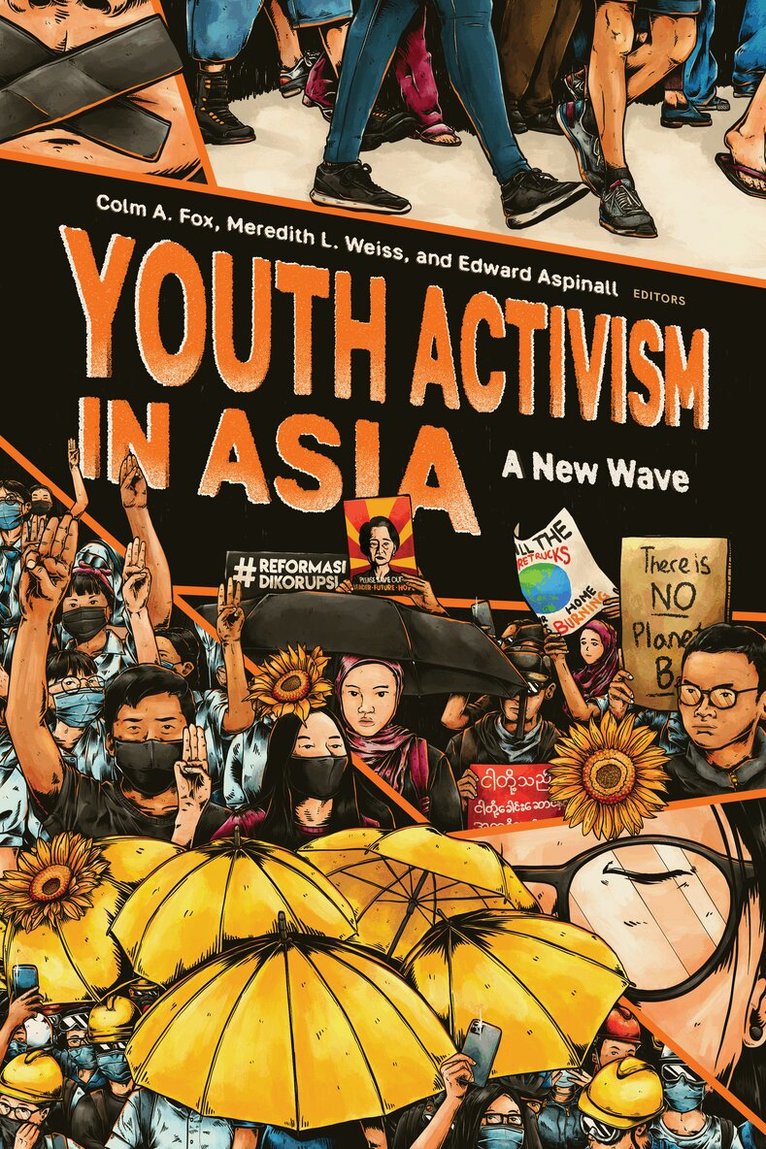
Over the last decade, a youth revolt has swept through Asia. Massive, regime-rocking protests have grabbed global attention as students and other young people have confronted security forces on the streets, taking great risks to condemn authoritarian rule, promote democracy, and to push forward new agendas of personal freedom and gender equality. Behind the scenes, young people have experimented with novel and diverse modes of political and social activism, often using new tools of online communication and cultural expression, forging new kinds of coalitions, and exploring nonconfrontational and subterranean networking.Youth Activism in Asia focuses equally on the episodes of spectacular protest and on varieties of less visible engagement, examining the diversity, origins, and impact of contemporary youth activism in Asia. With fifteen case studies, the volume highlights shared patterns among demands, tactical repertoires, and activist networks, and examines what differentiates protest movements across countries and over time. Drawing on original fieldwork and, in many cases, their own experience, the authors address Brunei, China, Hong Kong, Indonesia, Malaysia, Myanmar, the Philippines, Singapore, Taiwan, Thailand, Timor-Leste, and transnational activism. Conceiving of “activism” broadly as any action intended to bring about social and political change, the volume makes theoretical contributions to our understanding of the relationship between protest and democratic backsliding, engagement with new communication technologies, and this generation’s distinctive intersectional politics. Youth Activism in Asia showcases the creativity, energy, boldness, and diversity of a new generation of Asian political activists. - Inbunden, Engelska, 2022
1 203 kr
Skickas inom 5-8 vardagar
Contrary to our stereotypical views, dictators often introduce elections in which they refrain from employing blatant electoral fraud. Why do electoral reforms happen in autocracies? Do these elections destabilize autocratic rule? The Dictator’s Dilemma at the Ballot Box argues that strong autocrats who can garner popular support become less dependent on coercive electioneering strategies. When autocrats fail to design elections properly, elections backfire in the form of coups, protests, and the opposition’s stunning election victories. The book’s theoretical implications are tested on a battery of cross-national analyses with newly collected data on autocratic elections and in-depth comparative case studies of the two Central Asian republics of Kazakhstan and Kyrgyzstan. - Inbunden, Engelska, 2022
1 236 kr
Skickas inom 5-8 vardagar
The advent of the Arab Spring in late 2010 was a hopeful moment for partisans of progressive change throughout the Arab world. Authoritarian leaders who had long stood in the way of meaningful political reform in the countries of the region were either ousted or faced the possibility of political if not physical demise. The downfall of long-standing dictators as they faced off with strong-willed protesters was a clear sign that democratic change was within reach. Throughout the last ten years, however, the Arab world has witnessed authoritarian regimes regaining resilience, pro-democracy movements losing momentum, and struggles between the first and the latter involving regional and international powers.This volume explains how relevant political players in Arab countries among regimes, opposition movements, and external actors have adapted ten years after the onset of the Arab Spring. It includes contributions on Egypt, Morocco, Kuwait, Saudi Arabia, Syria, Algeria, Sudan, Lebanon, Iraq, Jordan, Yemen, and Tunisia. It also features studies on the respective roles of the United States, China, Iran, and Turkey vis-à-vis questions of political change and stability in the Arab region, and includes a study analyzing the role of Saudi Arabia and its allies in subverting revolutionary movements in other countries. - Inbunden, Engelska, 2023
998 kr
Skickas
Germany, which brutalized its neighbors in Europe for centuries, has mostly escaped the ghosts of the past, while Japan remains haunted in Asia. The most common explanation for this difference is that Germany knows better how to apologize; Japan is viewed as “impenitent.” Walter F. Hatch rejects the conventional wisdom and argues that Germany has achieved reconciliation with neighbors by showing that it can be a trustworthy partner in regional institutions like the European Union and NATO; Japan has never been given that opportunity (by its dominant partner, the U.S.) to demonstrate such an ability to cooperate. This book rigorously defends the argument that political cooperation—not discourse or economic exchange—best explains Germany’s relative success and Japan’s relative failure in achieving reconciliation with neighbors brutalized by each regional power in the past. It uses paired case studies (Germany-France and Japan-South Korea; Germany-Poland and Japan-China) to gauge the effect of these competing variables on public opinion over time. With numerous charts, each of the four empirical chapters illustrates the powerful causal relationship between institution building and interstate reconciliation. - Inbunden, Engelska, 2023
1 135 kr
Skickas inom 5-8 vardagar
Although authoritarian countries often repress independent citizen activity, lobbying by civil society organizations is actually a widespread phenomenon. Using case studies such as China, Russia, Belarus, Cambodia, Malaysia, Montenegro, Turkey, and Zimbabwe, Lobbying the Autocrat shows that citizen advocacy organizations carve out niches in the authoritarian policy process, even influencing policy outcomes. The cases cover a range of autocratic regime types (one-party, multi-party, personalist) on different continents, and encompass different systems of government to explore citizen advocacy ranging from issues such as social welfare, women’s rights, election reform, environmental protection, and land rights. They show how civil society has developed adaptive capacities to the changing levels of political repression and built resilience through ‘tactful contention’ strategies. Thus, within the bounds set by the authoritarian regimes, adaptive lobbying may still bring about localized responsiveness and representation.However, the challenging conditions of authoritarian advocacy systems identified throughout this volume present challenges for both advocates and autocrats alike. The former are pushed by an environment of constant threat and uncertainty into a precarious dance with the dictator: just the right amount of acquiescence and assertiveness, private persuasion and public pressure, and the flexibility to change quickly to suit different situations. An adaptive lobbyist survives and may even thrive in such conditions, while others often face dire consequences. For the autocrat on the other hand, the more they stifle the associational sphere in an effort to prevent mass mobilization, the less they will reap the informational benefits associated with it. This volume synthesizes the findings of the comparative cases to build a framework for understanding how civil society effectively lobbies inside authoritarian countries. - Inbunden, Engelska, 2024
1 073 kr
Skickas inom 5-8 vardagar
While the media tends to pay the most attention to violent secessionist movements or peaceful independence movements, it is just as important to understand why there are regions where political movements for autonomy fail to develop. In neglecting regions without political movements or full-blown independence demands, theories may be partial at best and incorrect at worst.State Institutions, Civic Associations, and Identity Demands examines over a dozen regions, comparing and contrasting successful cases to abandoned, unsuccessful, or dormant cases. The cases range from successful secession (East Timor, Singapore) and ongoing secessionist movements (Southern Philippines), to internally divided regional movements (Kachin State), low-level regionalist stirrings (Lanna, Taiwan), and local but not regional mobilization of identity (Bali, Minahasan), all the way to failed movements (Bataks, South Maluku) and regions that remain politically inert (East and North Malaysia, Northeast Thailand). While each chapter is written by a country expert, the contributions rely on a range of methods, from comparative historical analysis, to ethnography, field interviews, and data from public opinion surveys. Together, they contribute important new knowledge on little-known cases that nevertheless illuminate the history of regions and ethnic groups in Southeast Asia. Although focused on Southeast Asia, the book identifies the factors that can explain why movements emerge and successfully develop and concludes with a chapter by Henry Hale that illustrates how this can be applied globally. - Inbunden, Engelska, 2024
1 101 kr
Skickas inom 5-8 vardagar
South Korea is sometimes held as a dream case of modernization theory, a testament to how economic development leads to democracy. Seeds of Mobilization takes a closer look at the history of South Korea to show that Korea’s advance to democracy was not linear. Instead, while Korea’s national economy grew dramatically under the regimes of Park Chung Hee (1961–79) and Chun Doo Hwan (1980–88), the political system first became increasingly authoritarian. Because modernization was founded on industrial complexes and tertiary education, these structures initially helped bolster the authoritarian regimes. In the long run, however, these structures later facilitated the anti-regime protests by various social movement groups—most importantly, workers and students—that ultimately brought democracy to the country.By using original subnational protest event datasets, government publications, oral interviews, and publications from labor and student movement organizations, Joan E. Cho takes a long view of democratization that incorporates the decades before and after South Korea’s democratic transition. She demonstrates that Korea’s democratization resulted from a combination of factors from below and from above, and that authoritarian development itself was a hidden root cause of democratic development in South Korea. Seeds of Mobilization shows how socioeconomic development did not create a steady pressure toward democracy but acted as a “double-edged sword” that initially stabilized autocratic regimes before destabilizing them over time. - Inbunden, Engelska, 2024
1 169 kr
Skickas inom 5-8 vardagar
Winner of the 2025 International Society of Political Psychology David O. Sears Best Book on Mass Politics AwardAround the world each year, millions of citizens turn out to vote but leave their ballots empty or spoil them. Increasingly, campaigns have emerged that promote “invalid” votes like these. Why do citizens choose to cast blank and spoiled votes? And how do campaigns mobilizing the invalid vote influence this decision? None of the Above answers these questions using evidence from presidential and gubernatorial elections in eighteen Latin American democracies. Author Mollie J. Cohen draws on a broad range of methods and sources, incorporating data from electoral management bodies, nationally representative surveys, survey experiments, focus groups, semi-structured interviews, and news sources. Contrary to received wisdom, this book shows that most citizens cast blank or spoiled votes in presidential elections on purpose. By participating in invalid vote campaigns, citizens can voice their concerns about low-quality candidates while also expressing a preference for high-quality democracy. Campaigns promoting blank and spoiled votes come about more often, and succeed at higher rates, when incumbent politicians undermine the quality of elections. Surprisingly, invalid vote campaigns can shore up the quality of democracy in the short term. None of the Above shows that swings in blank and spoiled vote rates can serve as a warning about the trajectory of a country’s democracy. - Inbunden, Engelska, 2024
1 169 kr
Skickas inom 5-8 vardagar
Authoritarianism seems to be everywhere in the political world—even the definition of authoritarianism as any form of non-democratic governance has grown very broad. Attempts to explain authoritarian rule as a function of the interests or needs of the ruler or regime can be misleading. Autocrats Can’t Always Get What They Want argues that to understand how authoritarian systems work we need to look not only at the interests and intentions of those at the top, but also at the inner workings of the various parts of the state. Courts, elections, security force structure, and intelligence gathering are seen as structured and geared toward helping maintain the regime. Yet authoritarian regimes do not all operate the same way in the day-to-day and year-to-year tumble of politics.In Autocrats Can’t Always Get What They Want, the authors find that when state bodies form strong institutional patterns and forge links with key allies both inside the state and outside of it, they can define interests and missions that are different from those at the top of the regime. By focusing on three such structures (parliaments, constitutional courts, and official religious institutions), the book shows that the degree of autonomy realized by a particular part of the state rests on how thoroughly it is institutionalized and how strong its links are with constituencies. Instead of viewing authoritarian governance as something that reduces politics to rulers’ whims and opposition movements, the authors show how it operates—and how much what we call “authoritarianism” varies. - Inbunden, Engelska, 2024
1 169 kr
Skickas inom 5-8 vardagar
No region in the world has been more hostile to democracy, more dominated by military and security institutions, or weaker on economic development and inclusive governance than the Middle East. Why have Arab states been so oppressively strong in some areas but so devastatingly weak in others? How do those patterns affect politics, economics, and society across the region? The state stands at the center of the analysis of politics in the Middle East, but has rarely been the primary focus of systematic theoretical analysis.Making Sense of the Arab State brings together top scholars from diverse theoretical orientations to address some of the most critically important questions facing the region today. The authors grapple with enduring questions such as the uneven development of state capacity, the failures of developmentalism and governance, the centrality of regime security and survival concerns, the excesses of surveillance and control, and the increasing personalization of power. Making Sense of the Arab State will be a must-read for scholars of the Middle East and of comparative politics more broadly. - Inbunden, Engelska, 2024
1 169 kr
Skickas inom 5-8 vardagar
As India’s power and prominence rise on the international stage, its longstanding tradition of democracy is under threat. Since establishing a secular and democratic constitution in 1950, India has held elections at the local, state, and national levels with frequent transitions of power between opposing parties. This commitment to democracy has provided political order to a country that is twice the size of Europe and with a stunning array of social and economic divides. Despite this rich tradition, India’s democracy faces an unprecedented threat with the rise of Narendra Modi and his Hindu nationalist party, the Bharatiya Janata Party. After decisively winning general elections in 2014, Modi and the BJP have pursued a range of anti-democratic policies in which the state and society are used to undermine the opposition, to stifle free speech, and to harass religious minorities. The Troubling State of India’s Democracy brings together leading scholars from around the world to assess the conditions of India’s democracy across three important dimensions: politics, specifically the state of political parties and the party system; the state, including the condition of federalism and the health of various institutions; and society, including NGOs, ethnic and religious tensions, and control of the media. Even though elements of India’s democracy seem to function—like its commitment to elections—the contributors document a disturbing trajectory, one that not only threatens to undermine India’s own stability, but could also affect the global order. - Inbunden, Engelska, 2025
1 169 kr
Skickas inom 5-8 vardagar
While many scholars, policymakers, and development practitioners view decentralization as a way to increase participation, strengthen political representation, and improve social welfare, little is known about the experiences of communities in the context of decentralization – particularly in the Middle East and North Africa. This volume directs our attention toward the ways in which decentralization is “lived locally” by citizens of the MENA region, underscoring the simultaneous influences of individual-level factors (e.g., gender, education) and local context (e.g., development levels, electoral institutions) on governance processes and outcomes. A group of international scholars brings together methodologically diverse, original research in Lebanon, Morocco, Syria, and Tunisia to expand the literature on decentralization. Following a preface by Hicham Alaoui, the empirical chapters are arranged into three thematic sections. These focus on subnational variations in the relationships between central and local actors, citizen engagement with state and non-state institutions, and the extent to which representatives reflect their local communities. Together, these chapters provide important insights into governance, participation, and representation in the MENA and open new questions for furthering the study of governance and local development. Only by unpacking perspectives and governance experiences at the micro-level can we understand how decentralization policies affect citizens’ everyday lives. - Inbunden, Engelska, 2026
1 573 kr
Skickas inom 5-8 vardagar
Joko Widodo—popularly called Jokowi—ruled Indonesia for a decade, from 2014 to 2024. The world’s fourth-largest nation and third-largest democracy, Indonesia had embarked on a messy democratic transition in the late 1990s, with the country’s ethnic and religious heterogeneity posing significant challenges to governance. Initially seen as a reformer who might challenge oligarchic structures, Jokowi was slowly but steadily seen as himself being a threat to democracy. By the time Jokowi wrapped up his presidency, he had achieved the highest approval ratings among Indonesia’s post-authoritarian presidents—and became the president with the tightest grip over Indonesia’s political elite.Based on exclusive interviews with Jokowi and many of Indonesia’s top leaders, Ruling Indonesia shows Jokowi as a president obsessively preoccupied with his economic development agenda, subordinating all other aspects of governance to this goal. His focused approach delivered economic successes and unprecedented popularity, but also seriously undermined the health of Indonesia’s democratic institutions. Offering a holistic appraisal of his decade in office, Marcus Mietzner analyzes Jokowi’s domestic record in the context of his attempts to position Indonesia more favorably in the international competition for power and resources. Crucially, his obsession to push Indonesia closer to industrialized status while neglecting democratic development represented the ambitions and trials of many Global South leaders who are trying to juggle economic development, growing Sino-American tensions around the world, and concerns for democratic rights. As such, this book provides valuable insights into how the great power rivalry of the 21st century and the global recession of democracy are playing out in central arenas of the Global South.