Hui: Food Science and Technology - Böcker
Visar alla böcker i serien Hui: Food Science and Technology. Handla med fri frakt och snabb leverans.
8 produkter
8 produkter
3 137 kr
Skickas inom 11-20 vardagar
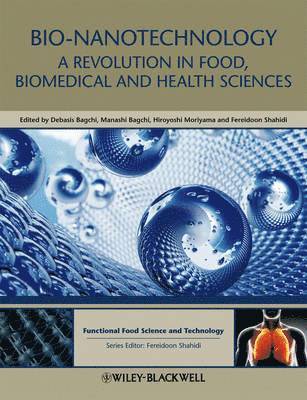
Bio-nanotechnology is the key functional technology of the 21st century. It is a fusion of biology and nanotechnology based on the principles and chemical pathways of living organisms, and refers to the functional applications of biomolecules in nanotechnology. It encompasses the study, creation, and illumination of the connections between structural molecular biology, nutrition and nanotechnology, since the development of techniques of nanotechnology might be guided by studying the structure and function of the natural nano-molecules found in living cells. Biology offers a window into the most sophisticated collection of functional nanostructures that exists.This book is a comprehensive review of the state of the art in bio-nanotechnology with an emphasis on the diverse applications in food and nutrition sciences, biomedicine, agriculture and other fields. It describes in detail the currently available methods and contains numerous references to the primary literature, making this the perfect “field guide” for scientists who want to explore the fascinating world of bio-nanotechnology. Safety issues regarding these new technologies are examined in detail.The book is divided into nine sections – an introductory section, plus: Nanotechnology in nutrition and medicineNanotechnology, health and food technology applicationsNanotechnology and other versatile applicationsNanomaterial manufacturingApplications of microscopy and magnetic resonance in nanotechnologyApplications in enhancing bioavailability and controlling pathogensSafety, toxicology and regulatory aspectsFuture directions of bio-nanotechnologyThe book will be of interest to a diverse range of readers in industry, research and academia, including biologists, biochemists, food scientists, nutritionists and health professionals.
Del 2 - Hui: Food Science and Technology
Dried Fruits
Phytochemicals and Health Effects
Inbunden, Engelska, 2013
2 595 kr
Skickas inom 11-20 vardagar
Dried fruits serve as important healthful snack items around the world. They provide a concentrated form of fresh fruits, prepared by different drying techniques. With their unique combination of taste/aroma, essential nutrients, fibre, and phytochemicals or bioactive compounds, dried fruits are convenient for healthy eating and can bridge the gap between recommended intake of fruits and actual consumption. Dried fruits are nutritionally equivalent to fresh fruits, in smaller serving sizes, in the current dietary recommendations of various countries. Scientific evidence suggests that individuals who regularly consume generous amounts of dried fruits have lower rates of cardiovascular disease, obesity, various types of cancer, type-2 diabetes, and other chronic diseases. Dried fruits also have the advantage of being easy to store and distribute, available around the year, readily incorporated into other foods and recipes, and present a healthy alternative to salty or sugary snacks.Dried Fruits: Phytochemicals and Health Effects is divided into three sections preceded by introductory chapters that provide an overview of dried fruits (their composition, phytochemicals and health applications) as well as the cancer chemopreventive effects of selected dried fruits (amla fruits or Indian gooseberries, avocados, berries, mangoes, mangosteens, persimmons, prunes, raisins, kiwi fruits, and other dried fruits). The first section covers the most popular dried berries (blackberries, blackcurrants, blueberries, cranberries, goji berries, mulberries, raspberries, and strawberries); the second section discusses non-tropical dried fruits (apples, apricots, cherries, citrus fruits, figs, nectarines, peaches, pears, prunes, and raisins); and the final section addresses tropical dried fruits (açai fruits, bananas, dates, guavas, papayas, mangoes, passion fruits, and pineapples).Contributors to this volume are internationally renowned researchers who have provided a comprehensive account of the global perspectives of the issues relating to phytochemicals and health effects of dried fruits. The book will serve as a resource for those interested in the potential application of new developments in dried fruits’ nutraceuticals and functional foods. Biochemists, chemists, food scientists/technologists, nutritionists, and health professionals, from academia, government laboratories, and industry will benefit from this publication. Although this book is intended primarily as a reference book, it also summarises the current state of knowledge in key research areas and contains ideas for future work. In addition, it provides easy to read text suitable for teaching senior undergraduate and post-graduate students.
Del 12 - Hui: Food Science and Technology
Cereals and Pulses
Nutraceutical Properties and Health Benefits
Inbunden, Engelska, 2012
2 526 kr
Skickas inom 7-10 vardagar
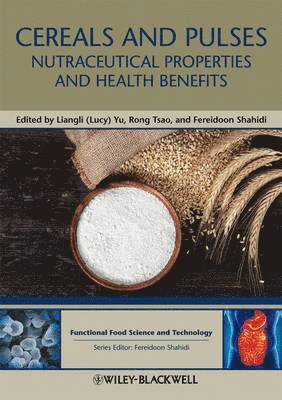
Cereal and pulse crops are staple foods that provide essential nutrients to many populations of the world. Traditionally, whole grains were consumed but most current foods are derived from refined fractions of cereal and pulse crops. Consumption of processed or refined products may reduce the health benefits of food. In wheat-based processed foods, for example, the removed 40% of the grain (mainly the bran and the germ of the wheat grain) contains the majority of the health beneficial components. These components, particularly non-essential phytochemicals such as carotenoids, polyphenols, phytosterols/ stanols, and dietary fibers, have been shown to reduce the risk of major chronic diseases of humans, such as cancer, cardiovascular diseases, and Parkinson’s disease. Such bioactives are therefore good candidates for ingredients of nutraceuticals and functional foods. There are many factors that can affect the bioactive content of cereal and pulse-based food ingredients, including genetics, growing and storage conditions, post-harvest treatments, food formulation and processing. All of these factors ultimately affect human health and wellness. Bioavailability is also important for these compounds for exerting their protective roles.Cereals and Pulses: Nutraceutical Properties and Health Benefits provides a summary of current research findings related to phytochemical composition and properties of cereal and pulse crops. The nutraceutical properties of each major cereal and pulse are discussed. Coverage of cereals and pulse crops includes barley, oats, rice, rye, corn, adlay, wheat, buckwheat, psyllium, sorghum, millet, common beans, field peas, faba beans, chickpea, lentil and soybeans. Chapters for each crop discuss methods to improve crop utilization, nutraceutical components and properties, bioactive compositions, antioxidant properties, beneficial health effects, disease prevention activities, and areas for future research. Also included are two chapters that examine the beneficial health properties of dietary fibers and antioxidants. Edited and written by an international team of respected researchers, this book is a reference guide for scientists working in food ingredients, food product research and development, functional foods and nutraceuticals, crop breeding and genetics, human nutrition, post-harvest treatment and processing of cereal grains and pulses. It will enable them to effect value-added food innovation for health promotion and disease risk reduction.
Nutrigenomics and Proteomics in Health and Disease
Towards a Systems-level Understanding of Gene-diet Interactions
Inbunden, Engelska, 2017
2 261 kr
Skickas inom 7-10 vardagar
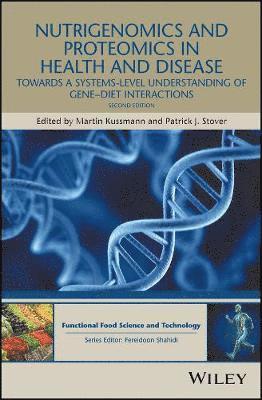
Now in a revised second edition, Nutrigenomics and Proteomics in Health and Disease brings together the very latest science based upon nutrigenomics and proteomics in food and health. Coverage includes many important nutraceuticals and their impact on gene interaction and health. Authored by an international team of multidisciplinary researchers, this book acquaints food and nutrition professionals with these new fields of nutrition research and conveys the state of the science to date.Thoroughly updated to reflect the most current developments in the field, the second edition includes six new chapters covering gut health and the personal microbiome; gut microbe-derived bioactive metabolites; proteomics and peptidomics in nutrition; gene selection for nutrigenomic studies; gene-nutrient network analysis, and nutrigenomics to nutritional systems biology. An additional five chapters have also been significantly remodelled. The new text includes a rethinking of in vitro and in vivo models with regard to their translatability into human phenotypes, and normative science methods and approaches have been complemented by more comprehensive systems biology-based investigations, deploying a multitude of omic platforms in an integrated fashion. Innovative tools and methods for statistical treatment and biological network analysis are also now included.
Olives and Olive Oil as Functional Foods
Bioactivity, Chemistry and Processing
Inbunden, Engelska, 2017
2 140 kr
Skickas inom 7-10 vardagar
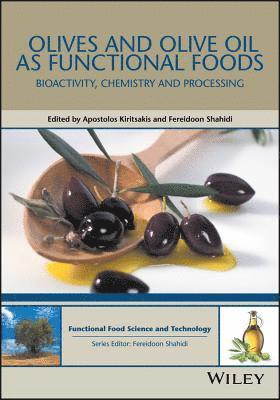
The only single-source reference on the science of olives and olive oil nutrition and health benefitsOlives and Olive Oil as Functional Foods is the first comprehensive reference on the science of olives and olive oil. While the main focus of the book is on the fruit’s renowned health-sustaining properties, it also provides an in-depth coverage of a wide range of topics of vital concern to producers and researchers, including post-harvest handling, packaging, analysis, sensory evaluation, authentication, waste product utilization, global markets, and much more.People have been cultivating olives for more than six millennia, and olives and olive oil have been celebrated in songs and legends for their life-sustaining properties since antiquity. However, it is only within the last several decades that the unique health benefits of their consumption have become the focus of concerted scientific studies. It is now known that olives and olive oil contain an abundance of phenolic antioxidants, as well as the anti-cancer compounds such as squalene and terpenoids. This centerpiece of the Mediterranean diet has been linked to a greatly reduced risk of heart disease and lowered cancer risk. Bringing together contributions from some of the world’s foremost experts on the subject, this book: Addresses the importance of olives and olive oil for the agricultural economy and the relevance of its bioactive components to human healthExplores the role that olive oil plays in reducing oxidative stress in cells-a well-known risk factor in human healthProvides important information about new findings on olive oil and lipids which reviews the latest researchExplores topics of interest to producers, processors, and researchers, including the fruit’s chemical composition, processing considerations, quality control, safety, traceability, and more Edited by two scientists world-renowned for their pioneering work on olive oil and human health, this book is an indispensable source of timely information and practical insights for agricultural and food scientists, nutritionists, dieticians, physicians, and all those with a professional interest in food, nutrition, and health.
Measurement of Antioxidant Activity and Capacity
Recent Trends and Applications
Inbunden, Engelska, 2018
2 337 kr
Skickas inom 11-20 vardagar
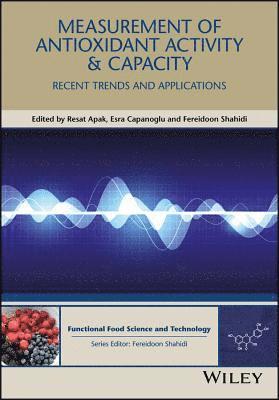
A comprehensive reference for assessing the antioxidant potential of foods and essential techniques for developing healthy food productsMeasurement of Antioxidant Activity and Capacity offers a much-needed resource for assessing the antioxidant potential of food and includes proven approaches for creating healthy food products. With contributions from world-class experts in the field, the text presents the general mechanisms underlying the various assessments, the types of molecules detected, and the key advantages and disadvantages of each method. Both thermodynamic (i.e. efficiency of scavenging reactive species) and kinetic (i.e. rates of hydrogen atom or electron transfer reactions) aspects of available methods are discussed in detail. A thorough description of all available methods provides a basis and rationale for developing standardized antioxidant capacity/activity methods for food and nutraceutical sciences and industries. This text also contains data on new antioxidant measurement techniques including nanotechnological methods in spectroscopy and electrochemistry, as well as on innovative assays combining several principles. Therefore, the comparison of conventional methods versus novel approaches is made possible. This important resource: Offers suggestions for assessing the antioxidant potential of foods and their componentsIncludes strategies for the development of healthy functional food productsContains information for identifying antioxidant activity in the bodyPresents the pros and cons of the available antioxidant determination methods, and helps in the selection of the most appropriate methodWritten for researchers and professionals in the nutraceutical and functional food industries,academia and government laboratories, this text includes the most current knowledge in order to form a common language between research groups and to contribute to the solution of critical problems existing for all researchers working in this field.
2 086 kr
Skickas inom 11-20 vardagar
Increasing fiber consumption can address, and even reverse the progression of pre-diabetes and other associated non-communicable diseases. Understanding the link between plant dietary fiber and gut health is a small step in reducing the heavy economic burden of metabolic disease risks for public health. This book provides an overview of the occurence, significance and factors affecting dietary fiber in plant foods in order to critically evaluate them with particular emphasis on evidence for their beneficial health effects.
2 568 kr
Skickas inom 11-20 vardagar
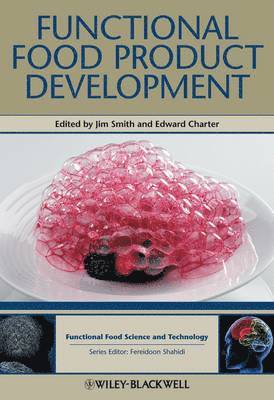
According to an August 2009 report from PricewaterhouseCoopers, the United States market for functional foods in 2007 was US$ 27 billion. Forecasts of growth range from between 8.5% and 20% per year, or about four times that of the food industry in general. Global demand by 2013 is expected to be about $100 billion. With this demand for new products comes a demand for product development and supporting literature for that purpose. There is a wealth of research and development in this area and great scope for commercialization, and this book provides a much-needed review of important opportunities for new products, written by authors with in-depth knowledge of as yet unfulfilled health-related needs. This book addresses functional food product development from a number of perspectives: the process itself; health research that may provide opportunities; idea creation; regulation; and processes and ingredients. It also features case studies that illustrate real product development and commercialization histories. Written for food scientists and technologists, this book presents practical information for use in functional food product development. It is an essential resource for practitioners in functional food companies and food technology centres and is also of interest to researchers and students of food science.Key features: A comprehensive review of the latest opportunities in this commercially important sector of the food industryIncludes chapters highlighting functional food opportunities for specific health issues such as obesity, immunity, brain health, heart disease and the development of children. New technologies of relevance to functional foods are also addressed, such as emulsion delivery systems and nanoencapsulation.Includes chapters on product design and the use of functional ingredients such as antioxidants, probiotics and prebiotics as well as functional ingredients from plant and dairy sourcesSpecific examples of taking products to market are provided in the form of case studies e.g. microalgae functional ingredientsPart of the Functional Food Science and Technology book series (Series Editor: Fereidoon Shahidi)