Chemical & Functional Properties of Food Components – serie
Visar alla böcker i serien Chemical & Functional Properties of Food Components. Handla med fri frakt och snabb leverans.
17 produkter
17 produkter
3 280 kr
Skickas inom 7-10 vardagar
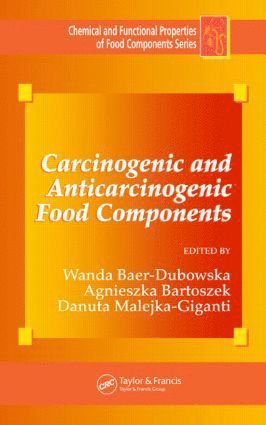
Dietary cancer prophylaxis is based on the detailed knowledge of carcinogenic and anticarcinogenic properties of food constituents. Although much data has been collected on these elements, an understanding of the causal mechanisms that link diet and cancer is still evolving. Carcinogenic and Anticarcinogenic Food Components explains the broad spectrum of information available on these compounds and examines what is behind their complexities.Internationally renowned biochemists, toxicologists, epidemiologists, and food scientists present the most recent studies that relate cancer risk to particular dietary components and discuss the latest clinical trials that evaluate the benefits of nutritional interventions. They discuss dietary sources containing carcinogenic compounds, their abundance in foods, and their possible cancer risks. Conversely, they explain the cancer- preventive potential of food components and the basic mechanisms and targets of chemoprevention.Chapters focus on the phenolic compounds found in tea, wine polyphenols and resveratrol, flavanoids of fruits and vegetables, carotenoids, constituents of cruciferous vegetables, and phytoestrogens. Additional information highlights the molecular and cellular events mediated by exposure to food carcinogens or chemopreventive agents. The book concludes with a perspective on the impact of diet on cancer prevention based on human trials and discusses future directions of research in this important field.Wide-ranging in scope and thorough in detail, Carcinogenic and Anticarcinogenic Food Components is an important resource for those interested in leveraging vital information on cancer promoting and cancer preventing food components.
3 607 kr
Skickas inom 10-15 vardagar
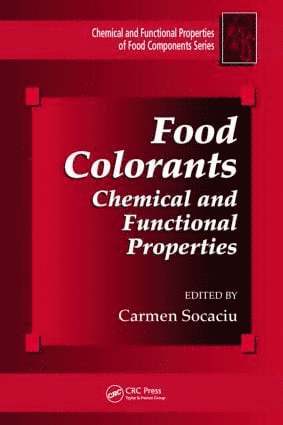
Drawing on the expertise of internationally known, interdisciplinary scientists and researchers, Food Colorants: Chemical and Functional Properties provides an integrative image of the scientific characteristics, functionality, and applications of color molecules as pigments in food science and technology, as well as their impact on health. The book emphasizes the structure-function relationships of pigment molecules to explain biosynthesis, modifications and degradation during storage and processing, and the effect of these changes on quality and safety. Understanding the rate and nature of degradation assists in selecting optimum processing parameters.Beginning with an overview of the physics and biochemistry of color, the book focuses on the mechanics of pigment stability and bioavailability, and antioxidant and pro-oxidant action. It reviews the influence of pigments on health and metabolism, incorporating results of in vivo and in vitro studies. It addresses the occurrence of pigment in food matrices and their stability during processing and storage. Conventional technologies as well as new, environmentally friendly methods are presented along with recent advances in biotechnology to produce colorants. There is also a chapter on novel approaches to the biosynthesis of colorants by microalgae, microorganisms, and genetic engineering.Contributions give significant attention to analytical methods and recent advances in detecting both natural and synthetic colorants, their quality, quantity, and degradation during processing and storage. The book rounds out its comprehensive coverage with a look at quality and safety risk assessments and international regulations, as well as lists of formerly and newly approved colorants and additives. Peer reviewed contributions and critical evaluations ensure a concise, systematic presentation of the relationships between the chemical nature and functional properties of various natural and synthetic pigments used to color food.
2 588 kr
Skickas inom 10-15 vardagar
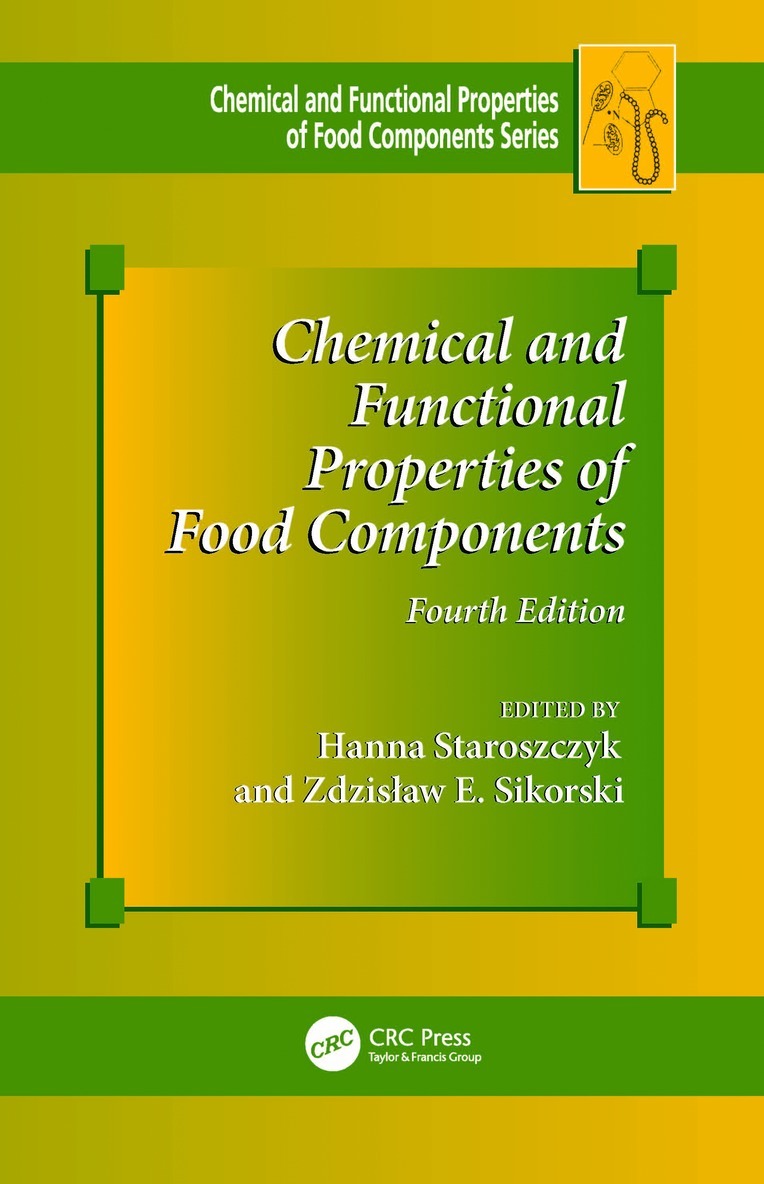
Over three editions, this book described the contents of food raw materials and products, the chemistry/biochemistry of food components, as well as the changes occurring during post-harvest storage and processing affecting the quality of foods. The fourth edition of Chemical and Functional Properties of Food Components discusses the role of chemical compounds in the structure of raw materials and the formation of different attributes of food quality, including nutritional value, safety, and sensory properties. This new edition contains four new chapters: “Non-Protein Nitrogenous Compounds”; “Prooxidants and Antioxidants in Food”; “Non-Nutritive Bioactive Compounds in Food of Plant Origin”; and “Analytical Methods Used for Assessing the Quality of Food Products.”These chapters have been included because new research results have brought increasing knowledge on the effect of non-protein nitrogenous compounds, especially bioactive peptides, nucleic acids, and biogenic amines on the biological properties of foods; the role of natural and added prooxidants and antioxidants in the processing and biological impact of foods; numerous beneficial and harmful effects of bioactive components of plant foods; and new systems for control of food composition and the safety of foods.Features:Stresses the effect of the chemical/biochemical reactions on the selection of optimum parameters of food processing without presenting details of the technological processesDescribes naturally occurring elements and compounds as well as those generated during food handling in view of health hazards they may bring to consumersDiscusses the risks and benefits of reactions occurring during food handling The knowledge of the chemistry and biochemistry of the components and their interactions presented in this book aids food scientists in making the right decisions for controlling the rate of beneficial and undesirable reactions, selecting optimal storage and processing parameters, as well as the best use of food raw materials.
944 kr
Skickas inom 10-15 vardagar
Over three editions, this book described the contents of food raw materials and products, the chemistry/biochemistry of food components, as well as the changes occurring during post-harvest storage and processing affecting the quality of foods. The fourth edition of Chemical and Functional Properties of Food Components discusses the role of chemical compounds in the structure of raw materials and the formation of different attributes of food quality, including nutritional value, safety, and sensory properties. This new edition contains four new chapters: “Non-Protein Nitrogenous Compounds”; “Prooxidants and Antioxidants in Food”; “Non-Nutritive Bioactive Compounds in Food of Plant Origin”; and “Analytical Methods Used for Assessing the Quality of Food Products.”These chapters have been included because new research results have brought increasing knowledge on the effect of non-protein nitrogenous compounds, especially bioactive peptides, nucleic acids, and biogenic amines on the biological properties of foods; the role of natural and added prooxidants and antioxidants in the processing and biological impact of foods; numerous beneficial and harmful effects of bioactive components of plant foods; and new systems for control of food composition and the safety of foods.Features:Stresses the effect of the chemical/biochemical reactions on the selection of optimum parameters of food processing without presenting details of the technological processesDescribes naturally occurring elements and compounds as well as those generated during food handling in view of health hazards they may bring to consumersDiscusses the risks and benefits of reactions occurring during food handling The knowledge of the chemistry and biochemistry of the components and their interactions presented in this book aids food scientists in making the right decisions for controlling the rate of beneficial and undesirable reactions, selecting optimal storage and processing parameters, as well as the best use of food raw materials.
1 298 kr
Skickas inom 10-15 vardagar
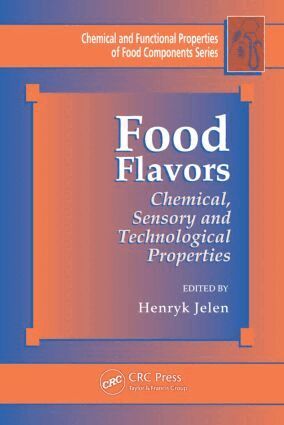
Food flavor, appearance, and texture are the sensory properties that influence food acceptance, and among these, flavor is usually the decisive factor for the choice of a particular product. Food Flavors: Chemical, Sensory, and Technological Properties explores the main aspects of food flavors and provides a starting point for further study in focused areas.Topics discussed include: The nature of food odorants and tastants and the way they are perceived by the human olfactory systemBasic anatomy and physiology of sensory systems involved in flavor sensation, olfactory pathways, and interactions between olfactory and gustatory stimuliThe fundamentals of flavor compounds formation based on their main precursors (lipids, amino acids, and carbohydrates)Technological issues related to flavor compoundsPhysicochemical characteristics of aroma compounds and the main factors that influence aroma binding and release in foodsSafety and regulatory aspects of flavorings used in foodsFlavors of essential oils and spices, cheeses, red meat, wine, and bread and bakery productsFood taints and off-flavorsAnalytical approaches to characterize food flavorsThe book also explores the latest technology in artificial olfaction systems with a chapter on the main physical and chemical features of these sensors. Bringing together the combined experience of a host of international experts, the book provides insight into the fundamentals of food flavors and explores the latest advances in flavor analysis.
1 298 kr
Skickas inom 10-15 vardagar
With diet, health, and food safety news making headlines on a regular basis, the ability to separate, identify, and analyze the nutrients, additives, and toxicological compounds found in food and food components is more important than ever. This requires proper training in the application of best methods, as well as efforts to improve existing methods to meet analytical needs. Advances in instrumentation and applied instrumental analysis methods have allowed scientists concerned with food and beverage quality, labeling, compliance, and safety to meet these ever-increasing analytical demands. This updated edition of Methods of Analysis of Food Components and Additives covers recent advances as well as established methods in a concise guide, presenting detailed explanations of techniques for analysis of food components and additives.Written by leading scientists, many of whom personally developed or refined the techniques, this reference focuses primarily on methods of food analysis and novel analysis instruments. It provides readers with a survey of modern analytical instruments and methods for the analysis of food components, additives, and contaminants. Each chapter summarizes key findings on novel analysis methods, including the identification, speciation, and determination of components in raw materials and food products. The text describes the component or additive that can be analyzed, explains how it works, and then offers examples of applications.This reference covers selection of techniques, statistical assessments, analysis of drinking water, and rapid microbiological techniques. It also describes the application of chemical, physical, microbiological, sensorial, and instrumental novel analysis to food components and additives, including proteins, peptides, lipids, vitamins, carotenoids, chlorophylls, and food allergens, as well as genetically modified components, pesticide residues, pollutants, chemical preservatives, and radioactive components in foods. The Second Edition contains three valuable new chapters on analytical quality assurance, the analysis of carbohydrates, and natural toxins in foods, along with updates in the remaining chapters, numerous examples, and many new figures.
1 298 kr
Skickas inom 10-15 vardagar
A large variety of food products all over the world are prepared by the fermentation of various raw materials. Fermentation: Effects on Food Properties explores the role of fermentation reactions in the chemical, functional, and sensory properties of food components as well as their effect on food component content and biological activity. Emphasizing the various chemical changes that take place during processing, both pre- and post-fermentation, the book explores: The complex microbial community in fermented foods The generation of the flavor and aroma compounds in fermented foodsThe effect of fermentation on the rheological properties and the color of foodsThe effect of fermentation on bioactivities of foodsHow microorganisms during fermentation can remove or detoxify antinutritional compounds in raw foodsThe fortification of products derived from fermentation processes and technical issues in the production and distribution of such foodsFermentation processes for cereals, legumes, vegetables, dairy products, seafood, and meatFood safety and adherence to the Hazard Analysis and Critical Control Points (HACCP) principlesMastering today’s art of fermentation processes requires detailed knowledge of food raw materials, microbiology, enzymology, chemistry/biochemistry, physics, engineering, and technology. This volume is an important starting point in understanding the process. Presented in concise, accessible chapters contributed by food experts, the book contains ample references to enhance further, more detailed exploration of this critical topic as we search for ways to enhance food quality for better health.
1 336 kr
Skickas inom 10-15 vardagar
Food antioxidants are of primary importance for the preservation of food quality during processing and storage. However, the status of food depends on a balance of antioxidants and prooxidants occurring in food. Food Oxidants and Antioxidants: Chemical, Biological, and Functional Properties provides a single-volume reference on the effects of naturally occurring and process-generated prooxidants and antioxidants on various aspects of food quality.The book begins with a general introduction to oxidation in food and then characterizes the main oxidants present in food, including enzymatic oxidants. Chapters cover oxidation potential, mechanisms of oxidation of the main food components (proteins and lipids), addition of exogenous oxidants during food processing, and the effects of physical agents such as irradiation, freeze-thawing, and high hydrostatic pressure during processing. The book also discusses the effects of oxidation on sensory characteristics of food components and analyzes how oxidation and antioxidants affect the nutritive and health-promoting features of food components.The text examines natural antioxidants in food, including lesser-known ones such as amino acids and polysaccharides, antioxidants generated in food as a result of processing, mechanisms of antioxidant activity, and measurement of antioxidant activity of food components. It explores the bioavailability of curcuminoid and carotenoids antioxidants and presents case studies on natural food antioxidants, presenting novel extraction methods for preservation of antioxidant activity. The final chapters address functional antioxidant foods and beverages as well as general ideas on the effects of food on the redox homeostasis of the organism.
1 298 kr
Skickas inom 10-15 vardagar
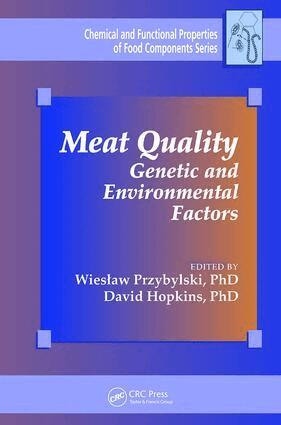
One of the biggest challenges faced by meat producers today is the requirement to improve the quality of meat while maintaining focus on efficiency and higher yields. Numerous studies have shown that consumers are willing to pay premiums for meat products with guaranteed eating quality. This book examines the complicated multistep process of producing high-quality meat, from the growth of the animals to the final product. It discusses specific aspects of meat quality for beef, pork, and sheep.Meat Quality: Genetic and Environmental Factors covers key topics such as animal welfare, nutrition, pre-slaughter handling, slaughter technology, breeding strategies, and the influence of common genetic factors on meat quality. It also discusses the latest meat production systems designed to ensure high-quality meat and the role of transgenic animal technology in meat quality. The book devotes separate chapters to beef, pork, and sheep quality, looking at the effects of breed, genetic type, gender, and age on meat quality.The chapters are written by contributors from universities, research institutes, and breeding companies from different countries and continents. The chapters are based on the research and teaching experience of the contributors as well as on a critical evaluation of the current literature. No other book available today covers the key issues regarding meat quality in such a comprehensive way. This book should be of keen interest to students of food technology, nutrition, commodities sciences, and animal sciences, as well as to food scientists and engineers who want to update their knowledge about the determinants of meat quality.
3 200 kr
Skickas inom 10-15 vardagar
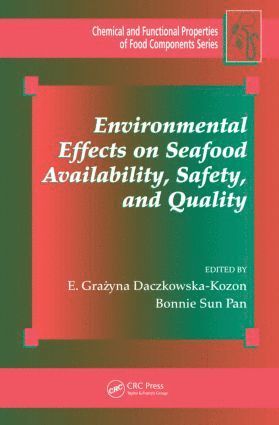
An essential part of diverse marine ecosystems, seafood organisms are especially vulnerable to changes in their natural habitats that affect their reproductive abilities, growth rate, and mutual inter- and intra-species interactions. Environmental Effects on Seafood Availability, Safety, and Quality Issues discusses a variety of factors, both intrinsic and extrinsic to the marine environment, and their potential to influence the availability of finfish/shellfish, their nutritional value, quality attributes, and the safety issues at the time of capture. It also covers the handling of newly caught finfish/shellfish aboard the fishing vessel.Edited by experts, with contributions from scientists and practitioners in marine biology/ecology and seafood applied sciences, the book examines direct, short term or indirect, long-term implications on seafood safety and quality caused by seawater pollution/contamination destabilizing marine habitats. It also covers the cumulative effects of toxic compounds in finfish and shellfish tissues and the effects of overfishing such as dead zones, toxic algal blooms, and jellyfish explosions. In addition to the harmful effects of overfishing and environmental pollution/contamination to the productivity and well-being of seafood resources and marine ecosystems in general, the book details how the capture fisheries also suffer from climate change, affecting fish migrations and the stocks accessibility. Overexploitation, overpopulation, and improper human activities result in destruction, shrinkage, fragmentation, and pollution of the natural habitat of marine life, especially the spawning ground. Interdisciplinary in nature, this book elucidates the environmental limitations, the abiotic, biotic, and anthropogenic factors affecting the catch, and the influence of global warming. It offers a smart way to understand and properly use seafood resources in order to maintain sustainable availability of the capture and culture of seafood resources, especially under the contingency of global warming.
3 743 kr
Skickas inom 10-15 vardagar
Food flavor, appearance, and texture are the sensory properties that influence food acceptance, and among these, flavor is usually the decisive factor for the choice of a particular product. Food Flavors: Chemical, Sensory, and Technological Properties explores the main aspects of food flavors and provides a starting point for further study in focused areas.Topics discussed include: The nature of food odorants and tastants and the way they are perceived by the human olfactory systemBasic anatomy and physiology of sensory systems involved in flavor sensation, olfactory pathways, and interactions between olfactory and gustatory stimuliThe fundamentals of flavor compounds formation based on their main precursors (lipids, amino acids, and carbohydrates)Technological issues related to flavor compoundsPhysicochemical characteristics of aroma compounds and the main factors that influence aroma binding and release in foodsSafety and regulatory aspects of flavorings used in foodsFlavors of essential oils and spices, cheeses, red meat, wine, and bread and bakery productsFood taints and off-flavorsAnalytical approaches to characterize food flavorsThe book also explores the latest technology in artificial olfaction systems with a chapter on the main physical and chemical features of these sensors. Bringing together the combined experience of a host of international experts, the book provides insight into the fundamentals of food flavors and explores the latest advances in flavor analysis.
3 472 kr
Skickas inom 10-15 vardagar
With diet, health, and food safety news making headlines on a regular basis, the ability to separate, identify, and analyze the nutrients, additives, and toxicological compounds found in food and food components is more important than ever. This requires proper training in the application of best methods, as well as efforts to improve existing methods to meet analytical needs. Advances in instrumentation and applied instrumental analysis methods have allowed scientists concerned with food and beverage quality, labeling, compliance, and safety to meet these ever-increasing analytical demands. This updated edition of Methods of Analysis of Food Components and Additives covers recent advances as well as established methods in a concise guide, presenting detailed explanations of techniques for analysis of food components and additives.Written by leading scientists, many of whom personally developed or refined the techniques, this reference focuses primarily on methods of food analysis and novel analysis instruments. It provides readers with a survey of modern analytical instruments and methods for the analysis of food components, additives, and contaminants. Each chapter summarizes key findings on novel analysis methods, including the identification, speciation, and determination of components in raw materials and food products. The text describes the component or additive that can be analyzed, explains how it works, and then offers examples of applications.This reference covers selection of techniques, statistical assessments, analysis of drinking water, and rapid microbiological techniques. It also describes the application of chemical, physical, microbiological, sensorial, and instrumental novel analysis to food components and additives, including proteins, peptides, lipids, vitamins, carotenoids, chlorophylls, and food allergens, as well as genetically modified components, pesticide residues, pollutants, chemical preservatives, and radioactive components in foods. The Second Edition contains three valuable new chapters on analytical quality assurance, the analysis of carbohydrates, and natural toxins in foods, along with updates in the remaining chapters, numerous examples, and many new figures.
3 472 kr
Skickas inom 10-15 vardagar
A large variety of food products all over the world are prepared by the fermentation of various raw materials. Fermentation: Effects on Food Properties explores the role of fermentation reactions in the chemical, functional, and sensory properties of food components as well as their effect on food component content and biological activity. Emphasizing the various chemical changes that take place during processing, both pre- and post-fermentation, the book explores: The complex microbial community in fermented foods The generation of the flavor and aroma compounds in fermented foodsThe effect of fermentation on the rheological properties and the color of foodsThe effect of fermentation on bioactivities of foodsHow microorganisms during fermentation can remove or detoxify antinutritional compounds in raw foodsThe fortification of products derived from fermentation processes and technical issues in the production and distribution of such foodsFermentation processes for cereals, legumes, vegetables, dairy products, seafood, and meatFood safety and adherence to the Hazard Analysis and Critical Control Points (HACCP) principlesMastering today’s art of fermentation processes requires detailed knowledge of food raw materials, microbiology, enzymology, chemistry/biochemistry, physics, engineering, and technology. This volume is an important starting point in understanding the process. Presented in concise, accessible chapters contributed by food experts, the book contains ample references to enhance further, more detailed exploration of this critical topic as we search for ways to enhance food quality for better health.
Food Oxidants and Antioxidants
Chemical, Biological, and Functional Properties
Inbunden, Engelska, 2013
3 435 kr
Skickas inom 10-15 vardagar
Food antioxidants are of primary importance for the preservation of food quality during processing and storage. However, the status of food depends on a balance of antioxidants and prooxidants occurring in food. Food Oxidants and Antioxidants: Chemical, Biological, and Functional Properties provides a single-volume reference on the effects of naturally occurring and process-generated prooxidants and antioxidants on various aspects of food quality.The book begins with a general introduction to oxidation in food and then characterizes the main oxidants present in food, including enzymatic oxidants. Chapters cover oxidation potential, mechanisms of oxidation of the main food components (proteins and lipids), addition of exogenous oxidants during food processing, and the effects of physical agents such as irradiation, freeze-thawing, and high hydrostatic pressure during processing. The book also discusses the effects of oxidation on sensory characteristics of food components and analyzes how oxidation and antioxidants affect the nutritive and health-promoting features of food components.The text examines natural antioxidants in food, including lesser-known ones such as amino acids and polysaccharides, antioxidants generated in food as a result of processing, mechanisms of antioxidant activity, and measurement of antioxidant activity of food components. It explores the bioavailability of curcuminoid and carotenoids antioxidants and presents case studies on natural food antioxidants, presenting novel extraction methods for preservation of antioxidant activity. The final chapters address functional antioxidant foods and beverages as well as general ideas on the effects of food on the redox homeostasis of the organism.
3 607 kr
Skickas inom 10-15 vardagar
One of the biggest challenges faced by meat producers today is the requirement to improve the quality of meat while maintaining focus on efficiency and higher yields. Numerous studies have shown that consumers are willing to pay premiums for meat products with guaranteed eating quality. This book examines the complicated multistep process of producing high-quality meat, from the growth of the animals to the final product. It discusses specific aspects of meat quality for beef, pork, and sheep.Meat Quality: Genetic and Environmental Factors covers key topics such as animal welfare, nutrition, pre-slaughter handling, slaughter technology, breeding strategies, and the influence of common genetic factors on meat quality. It also discusses the latest meat production systems designed to ensure high-quality meat and the role of transgenic animal technology in meat quality. The book devotes separate chapters to beef, pork, and sheep quality, looking at the effects of breed, genetic type, gender, and age on meat quality.The chapters are written by contributors from universities, research institutes, and breeding companies from different countries and continents. The chapters are based on the research and teaching experience of the contributors as well as on a critical evaluation of the current literature. No other book available today covers the key issues regarding meat quality in such a comprehensive way. This book should be of keen interest to students of food technology, nutrition, commodities sciences, and animal sciences, as well as to food scientists and engineers who want to update their knowledge about the determinants of meat quality.
2 806 kr
Skickas inom 10-15 vardagar
Toxins and Other Harmful Compounds in Foods provides information on the contents, distribution, chemical properties, and biological activity of toxins and other harmful compounds in foods that are natural components of the raw materials, accumulated due to microbial actions and environmental pollution, or are generated due to processing. This book shows how different factors related to the production of raw materials, as well as to storage and processing conditions, affect the presence and concentration of toxins and other harmful compounds in foods. It shows how various regulations, as well as unit operations and processes used in food production, may eliminate different toxins or generate new ones. The real health hazards for the consumers resulting from the presence of toxic/harmful compounds in aliments are discussed, and various national and international regulations obligatory in agriculture and industry aimed at increasing food safety are presented. Methods of analysis used for detection and determination of undesirable compounds are also discussed, making it possible to understand the effect of storage and processing parameters, as well as systems of quality assurance, on food safety and to select optimum procedures for analytical control.
3 879 kr
Skickas inom 10-15 vardagar
Chemical and Functional Properties of Food Proteins presents the current state of knowledge on the content of proteins in food structures, the chemical, functional, and nutritive properties of food proteins, the chemical and biochemical modification of proteins in foods during storage and processing, and the mutagenicity and carcinogenicity of nitrogenous compounds. It emphasizes the structure-function relationship as well as the effects of practical conditions applied in food processing on the biochemical and chemical reactions in food proteins and food product quality.The first ten chapters discuss structure-function relationships, methods of analysis of nitrogenous compounds, chemical and enzymatic modifications, nutritive roles, and mutagenicity and carcinogenicity of food proteins. The following six chapters describe the proteins of meat and fish, milk, eggs, cereals, legumes, oilseeds and single cell organisms, and present detailed information on the effects of conditions applied in storage and processing on the reactions in proteins and their impact on quality attributes of food products.